$95.99 ~ $189.99
763 pcs sold
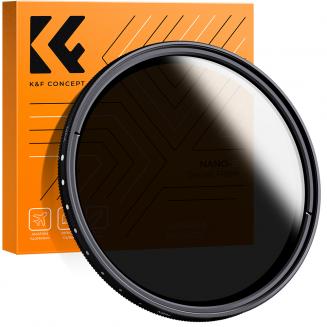
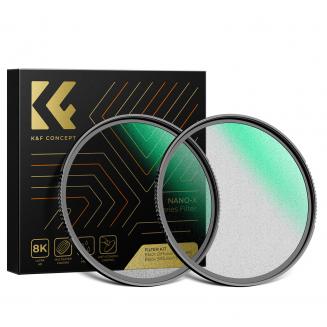
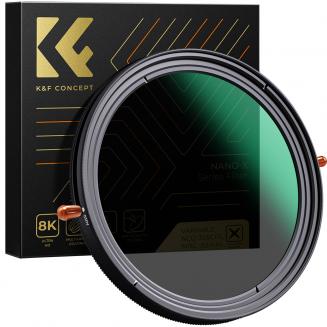
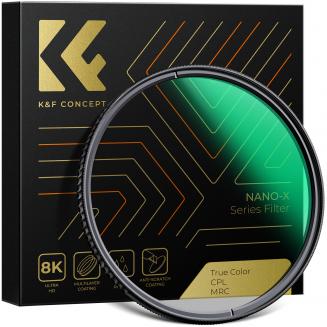
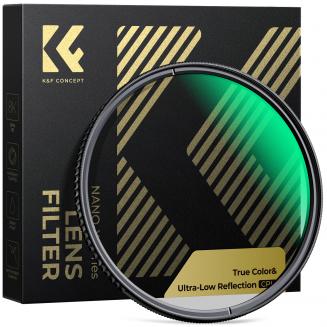
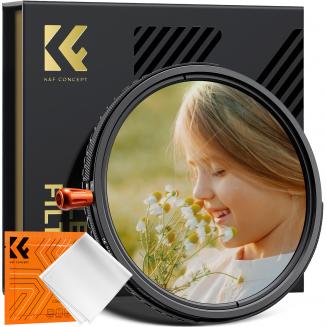
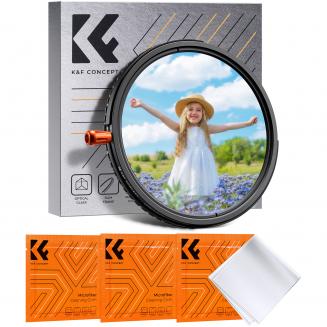
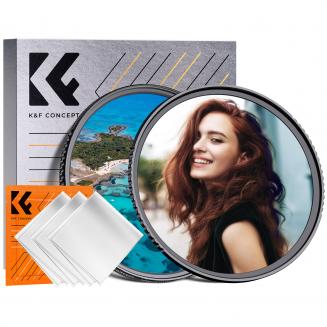
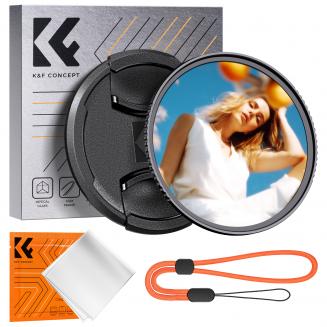
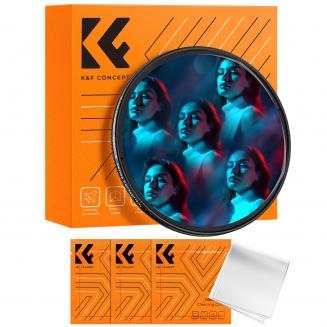
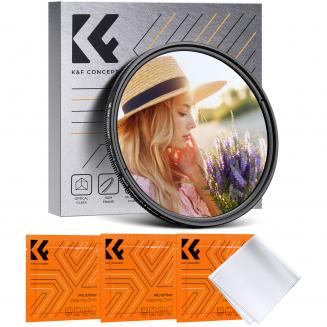
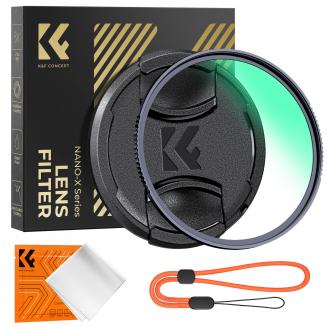
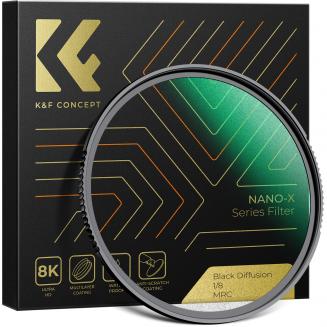
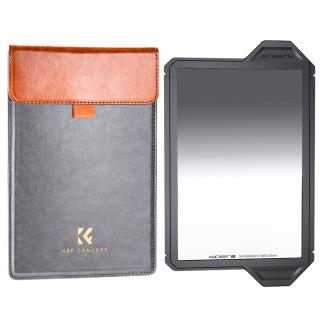
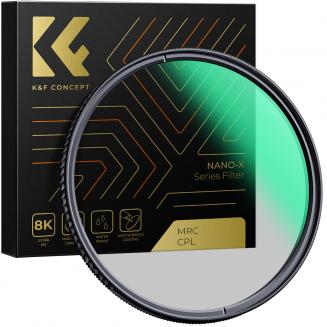
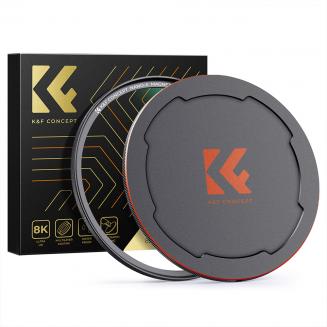
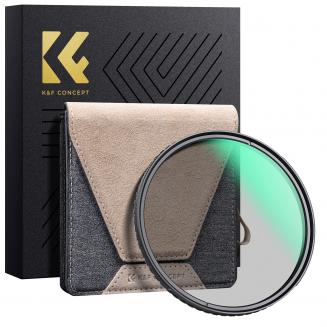
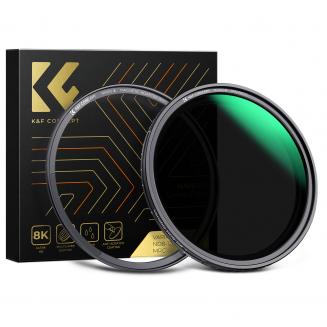
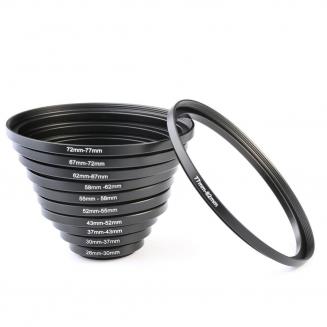
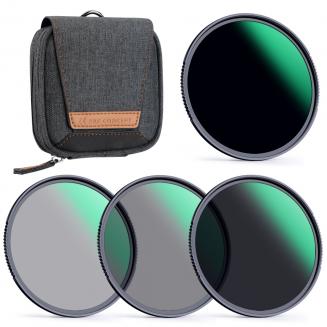
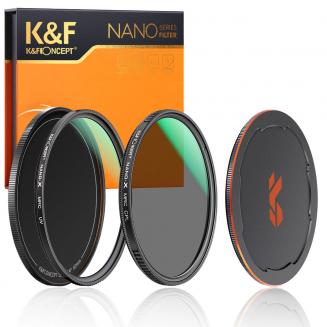
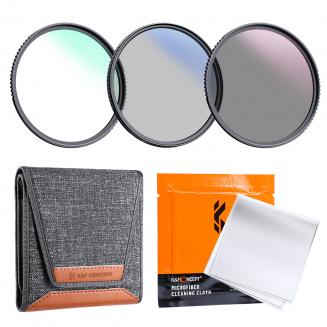
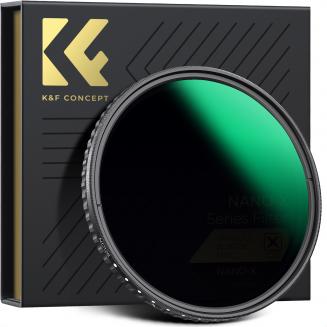
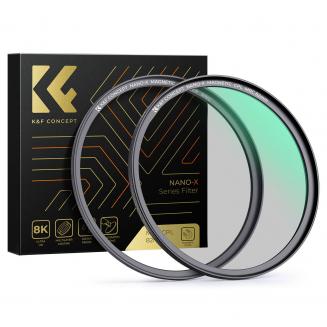
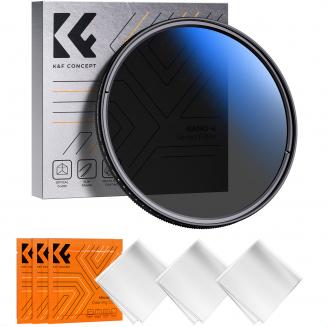
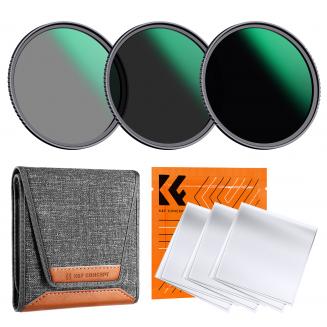
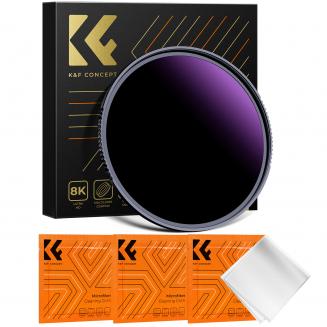
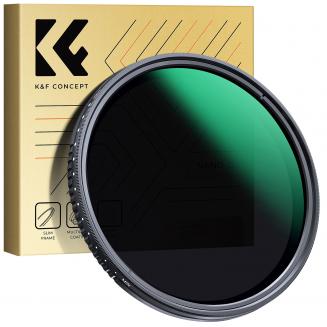
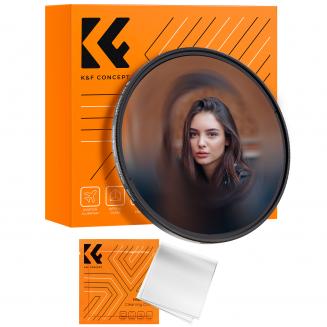
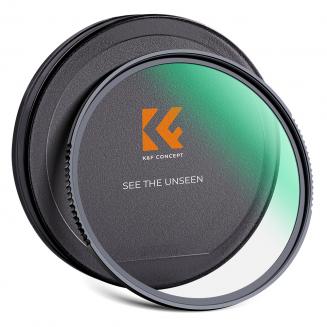
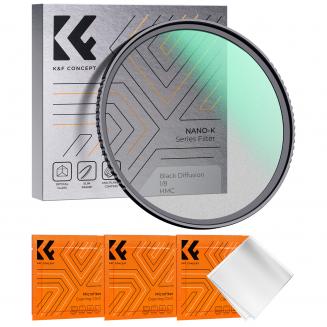
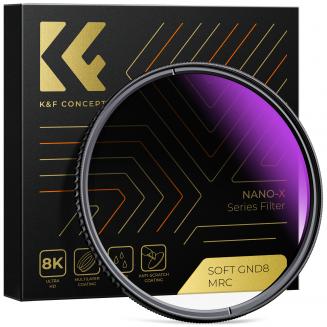
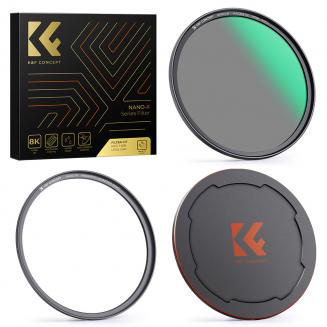
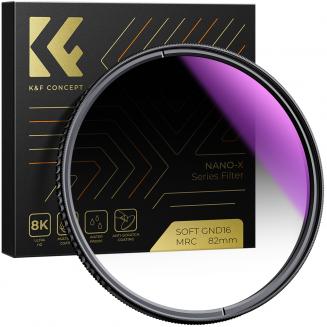

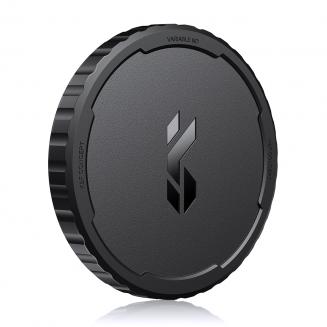
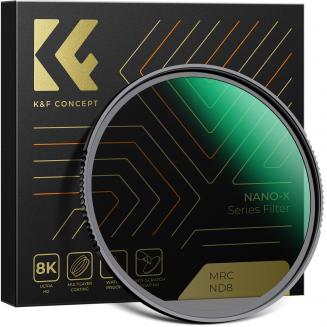
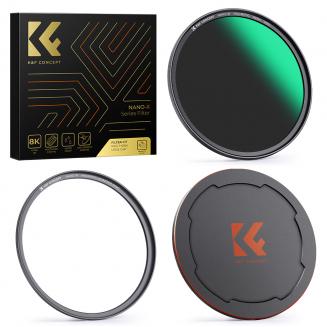
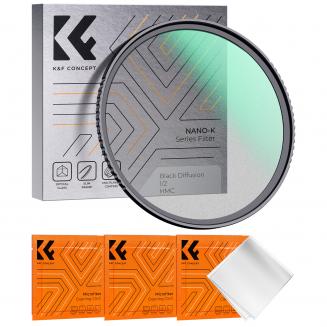
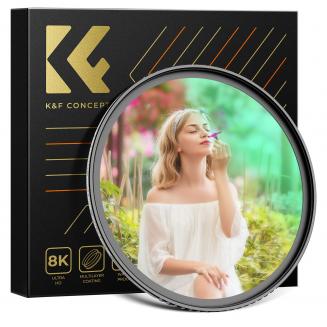
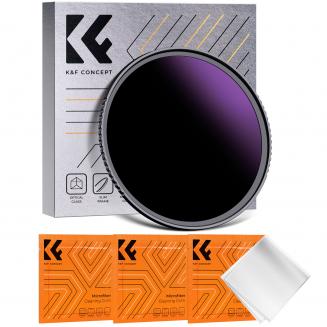
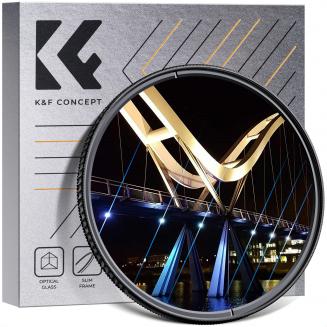
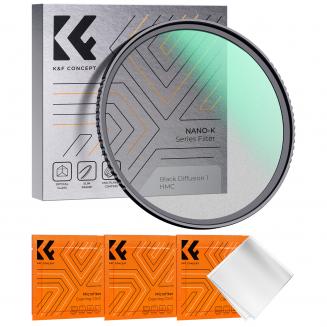
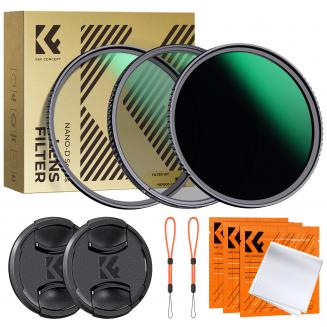
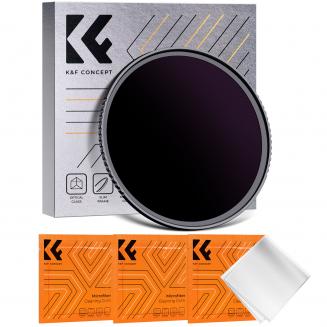
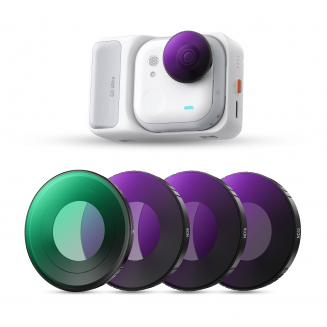
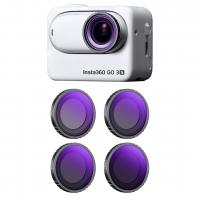
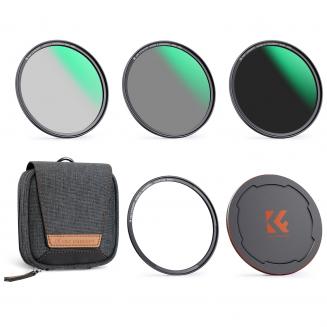
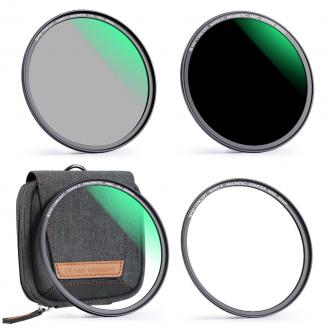
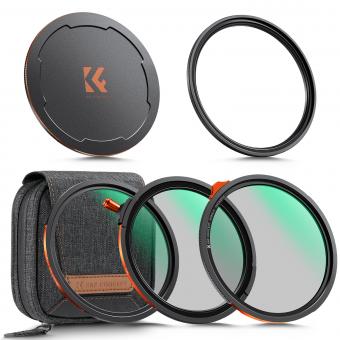
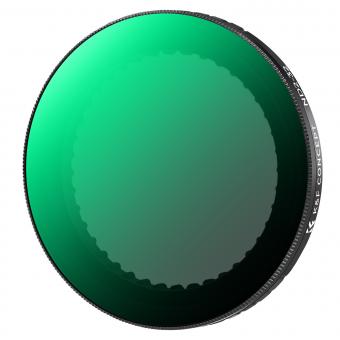
- - [Compatible With Insta360 Go Ultra]: This latest ND & CPL filter kit from K&F Concept includes CPL, ND8, ND16, and ND32 filter, featuring multi-coated, screw-in fit, easy to install and disassembly, it can be widely used in daily life and vlogging creation, help take the video game up a notch
- - [Light Reduction & Balanced Exposure]: The ND8 ND16 ND32 filter reduces exposure by 3 stops to 5 stops, ideal for various bright sunlight conditions while enhancing image details naturally. It blocks the corresponding value of light to the action camera during dynamic outdoor activities to adjust the camera parameters to achieve motion blur effect
$39.99
60%
OFF
$147.48
$58.99
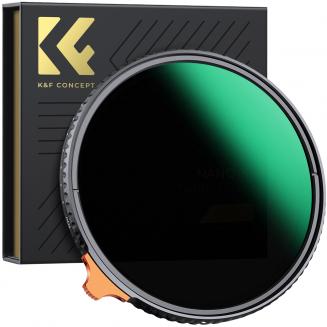
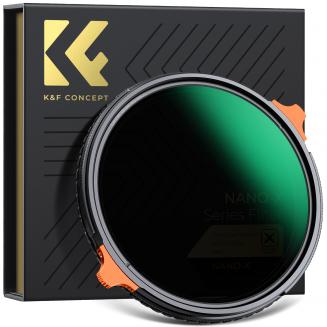
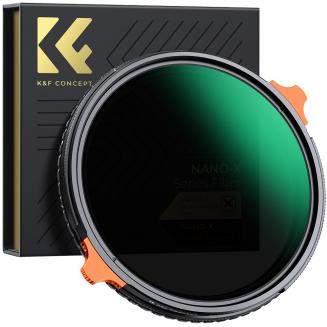
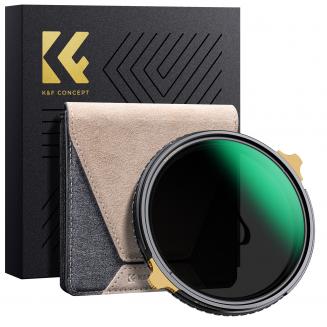
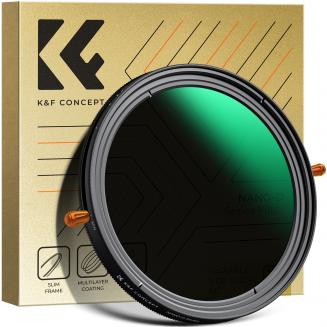
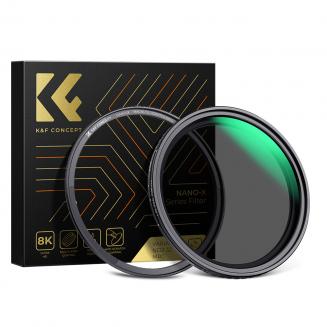
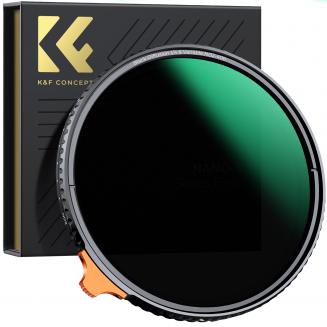
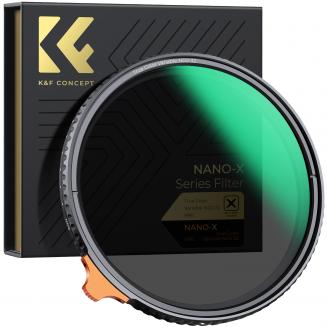
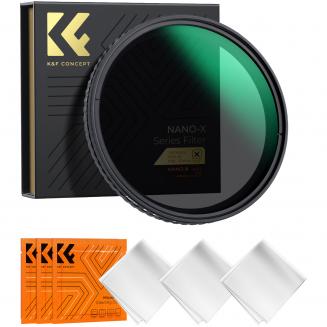
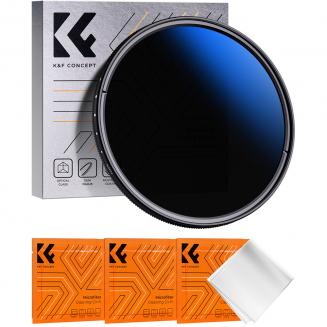
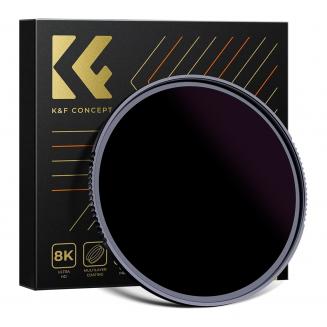
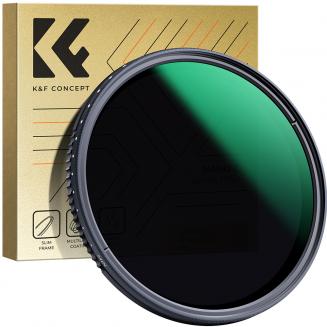
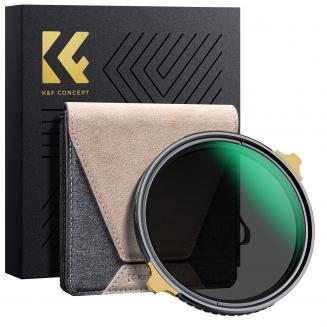
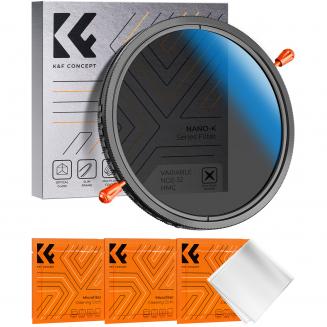
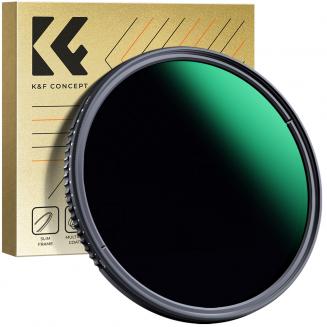
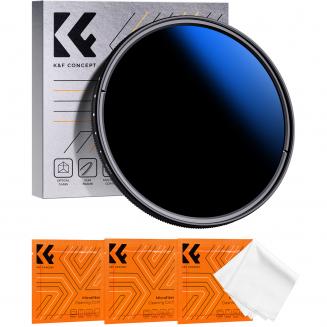
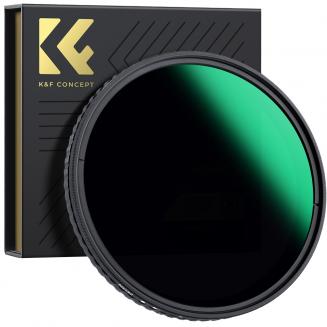
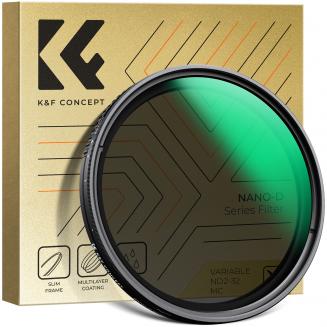
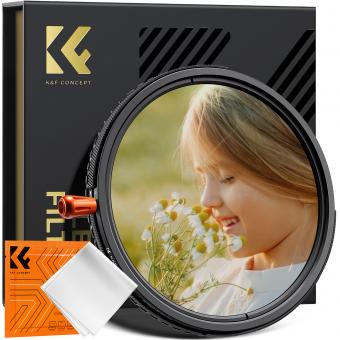
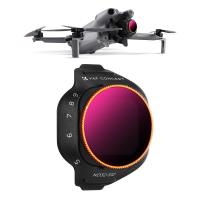
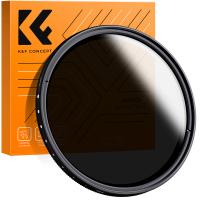
- - 【1-5 Stops ND2-ND32 Variable】K&F Concept ND2-ND32 variable filter is intended for long exposure and motion blur techniques in changing light. Reduces light intake from 1 to 5 stops without affecting color balance, suitable for mid-day or mild sun conditions.
- - 【24 Layers of Nano Coated Optical Glass】This ND2-ND32 variable filter, of K&F Concept Nano-Dazzle series, is made by HD AGC optical glass, a total of 24 multi-layer coatings help repel water and dust, effectively reducing reflection from the filter itself and glare.The surface of the lens is oxidized and sandblasted to effectively prevent stray light from entering and slow down the reflection of the metal surface.
60%
OFF
$134.98
$53.99
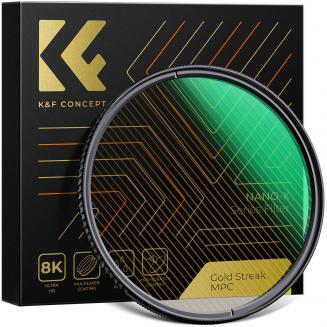
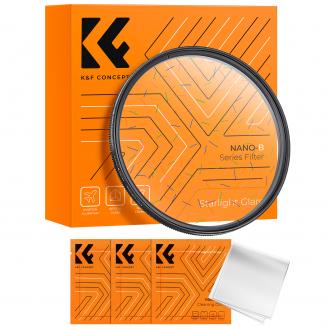
- - 【Captivating Gold Linear Flare】Installing the K&F Concept streak gold filter in front of your lens could create the same flare as the anamorphic lens. Whether it’s a photo or video, this filter adds a linear flare effect to your images, producing stunning visual effects and enhancing artistic appeal.
- - 【Superior Optical AGC Glass】Double-sided grinding and polishing technology, ensuring exceptional clarity and maintaining the integrity of light transmission for sharp and clear image quality, no color cast.
60%
OFF
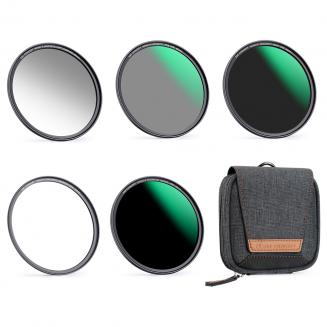
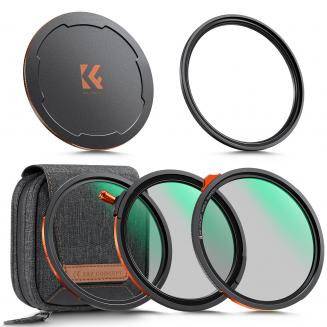
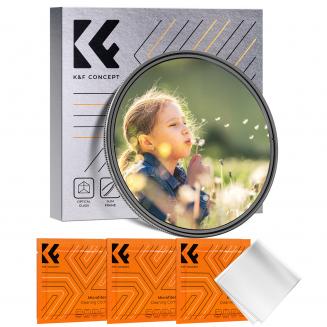
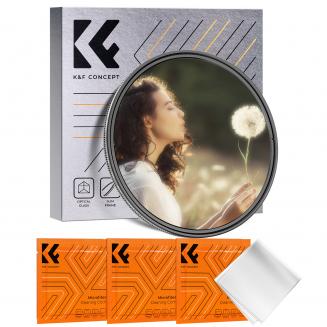
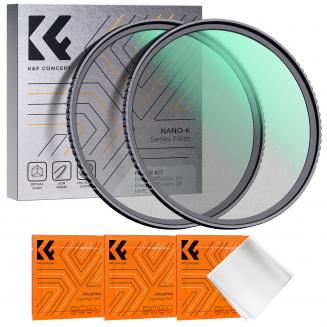
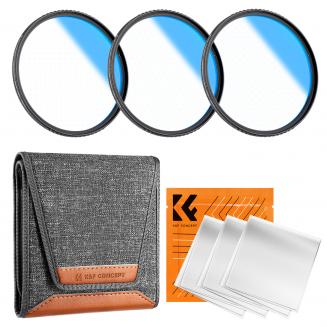
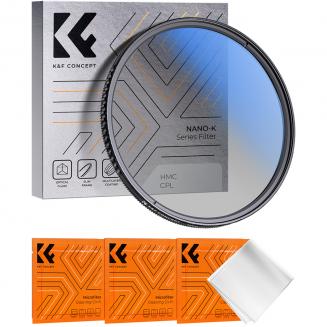
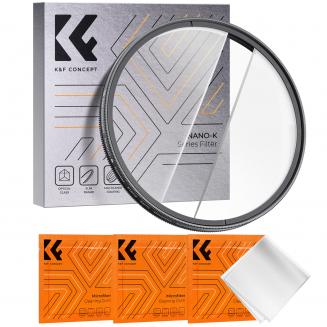
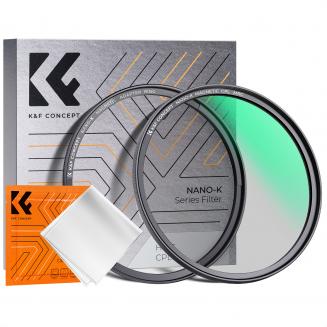
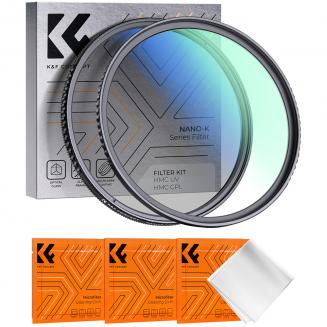
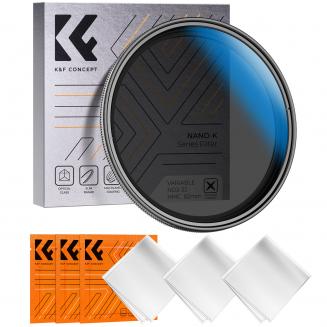
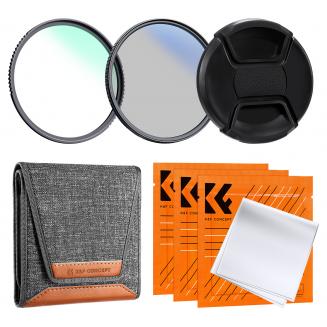
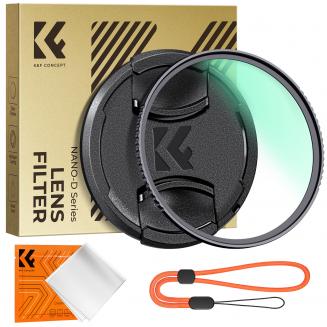
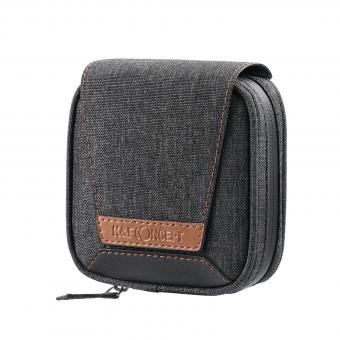
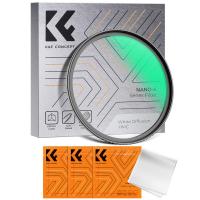
- - 【Filter Kit for Photography Beginners】 This K&F Concept Nano-Klear series includes a Camera UV + Polarizing Lens Filter + Lens Cap Kit, 3pcs of Cleaning Cloths and a Filter Pouch, the most commonly used items among photographers.
- - 【Nano-coated Optical Glass】Crafted from premium Japanese materials and fortified with 18 layers of penetration-enhancing coating, this camera UV + polarizing lens filters minimize reflection on its surface and have no effect on image quality.
60%
OFF
$102.48
$40.99
- - 【Captivating Gold Linear Flare】Installing the K&F Concept streak gold filter in front of your lens could create the same flare as the anamorphic lens. Whether it’s a photo or video, this filter adds a linear flare effect to your images, producing stunning visual effects and enhancing artistic appeal.
- - 【Superior Optical AGC Glass】Double-sided grinding and polishing technology, ensuring exceptional clarity and maintaining the integrity of light transmission for sharp and clear image quality, no color cast.
NEW
Arrival
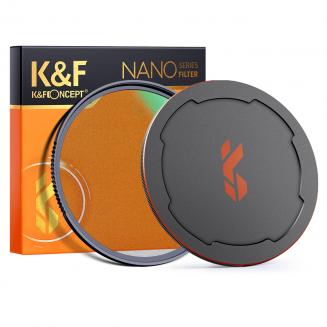
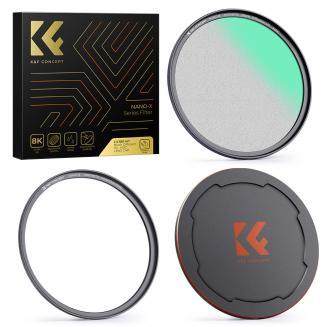
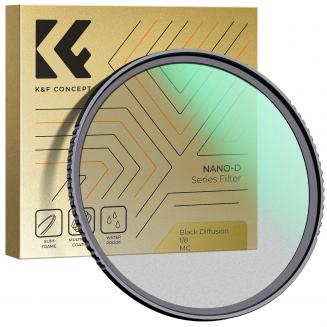
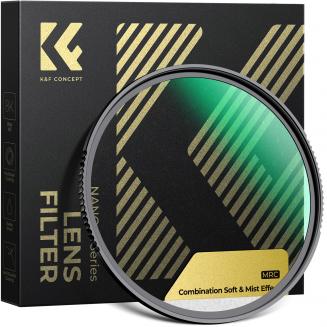
- - 【Dual Effect in a Single Filter】The "Black Magic Filter" (Combination Soft & Mist) uniquely merges the precise softening of our Vintage Soft filter with the subtle glow of a 1/8 Black Mist filter, giving you a combined cinematic effect with one piece of gea
- - 【Subtle & Sharp】Unlike standard Black Mist filters, this one delivers a more refined softening effect and a natural, delicate halo around light sources. It masterfully maintains image sharpness and avoids excessive haze.
NEW
Arrival
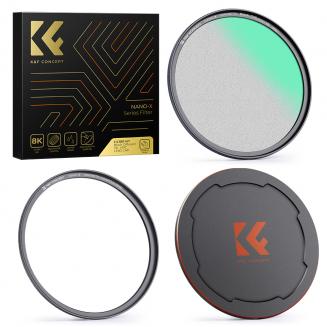
- - 【Dual Effect in a Single Filter】The "Black Magic Filter" (Combination Soft & Mist) uniquely merges the precise softening of our Vintage Soft filter with the subtle glow of a 1/8 Black Mist filter, giving you a combined cinematic effect with one piece of gea
- - 【Subtle & Sharp】Unlike standard Black Mist filters, this one delivers a more refined softening effect and a natural, delicate halo around light sources. It masterfully maintains image sharpness and avoids excessive haze.
NEW
Arrival
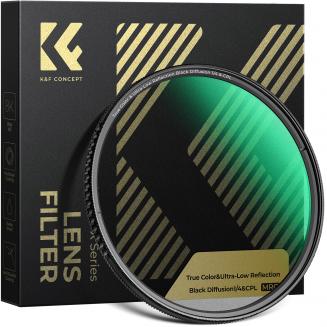
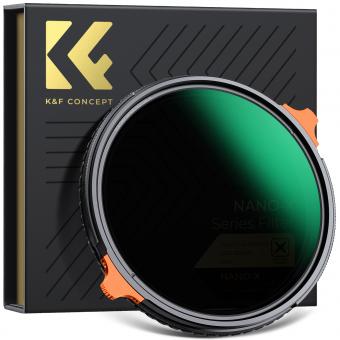
- - 【2-in-1 Cinematic Hybrid】Combines a CPL and 1/4 Black Mist in one frame. Eliminate unwanted reflections and glare while softening highlights and skin textures for a professional, cinematic glow.
- - 【True-to-Life Color Accuracy】Utilizing NANO-X series technology, this filter ensures natural color rendition without the common yellow cast. Achieve perfect "straight-out-of-camera" results at fixed white balance.
NEW
Arrival
- - 【2-in-1 Cinematic Hybrid】Combines a CPL and 1/4 Black Mist in one frame. Eliminate unwanted reflections and glare while softening highlights and skin textures for a professional, cinematic glow.
- - 【True-to-Life Color Accuracy】Utilizing NANO-X series technology, this filter ensures natural color rendition without the common yellow cast. Achieve perfect "straight-out-of-camera" results at fixed white balance.
NEW
Arrival
- - 【2-in-1 Cinematic Hybrid】Combines a CPL and 1/4 Black Mist in one frame. Eliminate unwanted reflections and glare while softening highlights and skin textures for a professional, cinematic glow.
- - 【True-to-Life Color Accuracy】Utilizing NANO-X series technology, this filter ensures natural color rendition without the common yellow cast. Achieve perfect "straight-out-of-camera" results at fixed white balance.
NEW
Arrival
- - 【2-in-1 Cinematic Hybrid】Combines a CPL and 1/4 Black Mist in one frame. Eliminate unwanted reflections and glare while softening highlights and skin textures for a professional, cinematic glow.
- - 【True-to-Life Color Accuracy】Utilizing NANO-X series technology, this filter ensures natural color rendition without the common yellow cast. Achieve perfect "straight-out-of-camera" results at fixed white balance.
NEW
Arrival
- - 【2-in-1 Cinematic Hybrid】Combines a CPL and 1/4 Black Mist in one frame. Eliminate unwanted reflections and glare while softening highlights and skin textures for a professional, cinematic glow.
- - 【True-to-Life Color Accuracy】Utilizing NANO-X series technology, this filter ensures natural color rendition without the common yellow cast. Achieve perfect "straight-out-of-camera" results at fixed white balance.
NEW
Arrival
- - 【2-in-1 Cinematic Hybrid】Combines a CPL and 1/4 Black Mist in one frame. Eliminate unwanted reflections and glare while softening highlights and skin textures for a professional, cinematic glow.
- - 【True-to-Life Color Accuracy】Utilizing NANO-X series technology, this filter ensures natural color rendition without the common yellow cast. Achieve perfect "straight-out-of-camera" results at fixed white balance.
60%
OFF
$117.48
$46.99
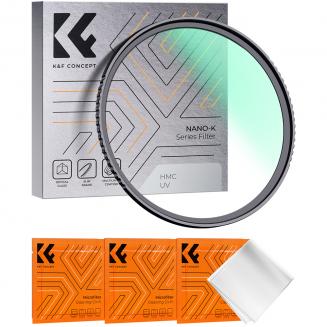
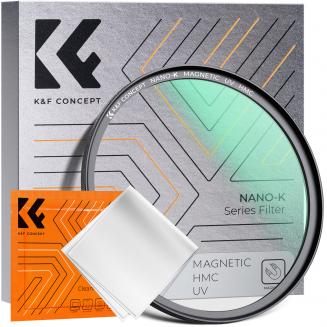
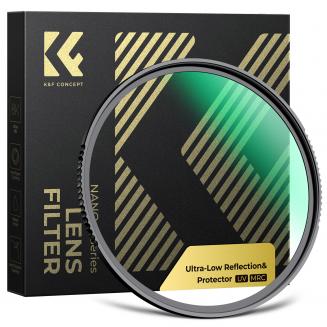
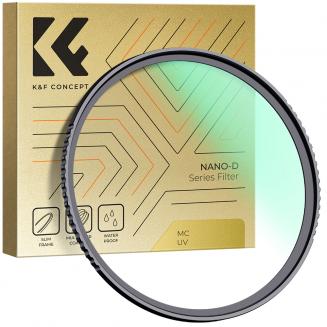
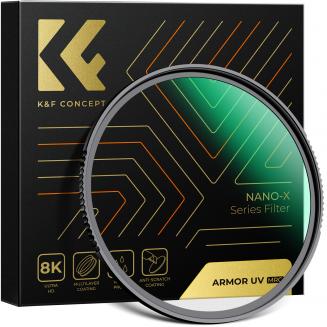
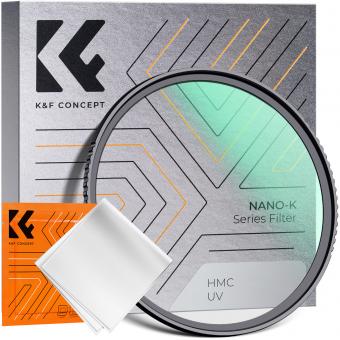
- - 【Function】UV filter has two functions, one is to absorb UV rays and weaken blue tones in images caused by UV, ensuring clarity and colour. Another is to protect the lens away from dusty and scratches.
- - 【HD Optical Glass with 98.3% Transmittance】Double-sided polishing process, the light transmittance is as high as 98.3%, showing high-definition picture quality.
60%
OFF
$109.98
$43.99
- - 【Function】UV filter has two functions, one is to absorb UV rays and weaken blue tones in images caused by UV, ensuring clarity and colour. Another is to protect the lens away from dusty and scratches.
- - 【HD Optical Glass with 98.3% Transmittance】Double-sided polishing process, the light transmittance is as high as 98.3%, showing high-definition picture quality.
60%
OFF
$97.48
$38.99
- - 【Function】UV filter has two functions, one is to absorb UV rays and weaken blue tones in images caused by UV, ensuring clarity and colour. Another is to protect the lens away from dusty and scratches.
- - 【HD Optical Glass with 98.3% Transmittance】Double-sided polishing process, the light transmittance is as high as 98.3%, showing high-definition picture quality.
60%
OFF
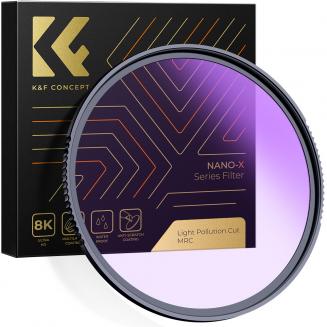
- - 【Unique Function】Light pollution not only adversely affects the quality of night-time city and architectural photographs but also scientific astrophotography in urban areas. K&F Concept Natural Night Filter helps to reduce the unwanted effect of light pollution, giving photographs more contrast and clarity as a result.
- - 【High Definition & No Vignetting】K&F Concept Natural Night Filters made of double side Nano-Coating use waterproof and scratch-resistance technolog, brings the high-quality definition, low-reflection and no Vignetting.
60%
OFF
$97.48
$38.99
- - 【Function】UV filter has two functions, one is to absorb UV rays and weaken blue tones in images caused by UV, ensuring clarity and colour. Another is to protect the lens away from dusty and scratches.
- - 【HD Optical Glass with 98.3% Transmittance】Double-sided polishing process, the light transmittance is as high as 98.3%, showing high-definition picture quality.
NEW
Arrival
$181.85
$72.74
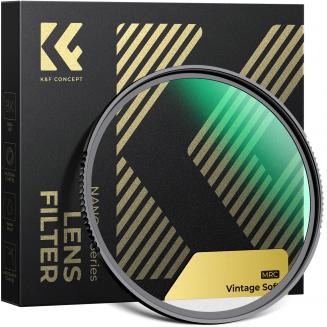
- - 【Softening Effect】Expertly scatters light to soften skin imperfections, minimize wrinkles, and smooth out details, creating a charmingly gentle portrait effect. It preserves subject sharpness while adding a subtle glow to highlights such as specular reflections or artificial lights, enhancing atmosphere and texture.
- - 【Harmonious Light & Shadow】The filter softens the harsh transitions between shadows and highlights, resulting in a more gentle and cohesive image, perfect for creating a vintage or romantic aesthetic.
NEW
Arrival
$156.85
$62.74
- - 【Softening Effect】Expertly scatters light to soften skin imperfections, minimize wrinkles, and smooth out details, creating a charmingly gentle portrait effect. It preserves subject sharpness while adding a subtle glow to highlights such as specular reflections or artificial lights, enhancing atmosphere and texture.
- - 【Harmonious Light & Shadow】The filter softens the harsh transitions between shadows and highlights, resulting in a more gentle and cohesive image, perfect for creating a vintage or romantic aesthetic.
33%
OFF
$55.49
$36.99
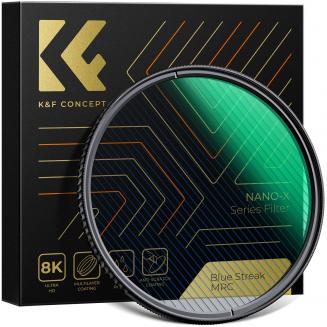
- - The blue streak filter can produce cool brushed, adding a layer of blue transparent lines to the image, creating blur, gradient, deformation and other visual effects, making movies or photos more artistic and visually attractive
- - Grinding and polishing technology is used on both sides of the lens to ensure ultra-high definition, which makes the trajectory of light penetration well balanced and ensures that the sharpness of the image quality is not damaged
NEW
Arrival
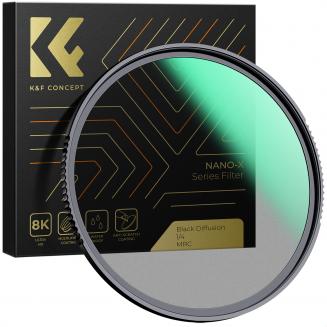
- - 【Soften Highlight Glare, Lowered Contrast】The 1/8 black mist filter makes the picture or video light soft and controls highlight flares, making skin or pores more delicate, double side polishing technology ensures shows the image's true color.
- - 【Import AGC Optical Glass】Made by imported AGC high precision optical glass with 87% transmittance, without color shift of the image.
NEW
Arrival
- - 【Prevent UV Ray & Protect Lens 】UV filter has two functions, one is to prevent CCD affected by UV ray and weakens the blue tone in images caused by UV, ensuring clarity and color. Another is to protect the lens away from shock harm, water, dust, scratches, oil, and fingerprint .
- - 【Shockproof Tempered Optical Glass】K&F Concept shockproof tempered UV filter is made by importing Japanese AGC glass, shockproof, waterproof, and scratch resistant.
$79.99
$59.99
NEW
Arrival
- - 【Prevent UV Ray & Protect Lens 】UV filter has two functions, one is to prevent CCD affected by UV ray and weakens the blue tone in images caused by UV, ensuring clarity and color. Another is to protect the lens away from shock harm, water, dust, scratches, oil, and fingerprint .
- - 【Shockproof Tempered Optical Glass】K&F Concept shockproof tempered UV filter is made by importing Japanese AGC glass, shockproof, waterproof, and scratch resistant.
$79.99
$59.99
Top Bestselling Products
-60%

-60%
-16%
Related Products
NEW
Arrival
Products You May Like
$135.99 $74.99
NEW
Arrival