How To Put Wireless Earbuds In Your Ear?
2026-07-11 00:47:36
0 Comments
place wireless earbuds in your ears
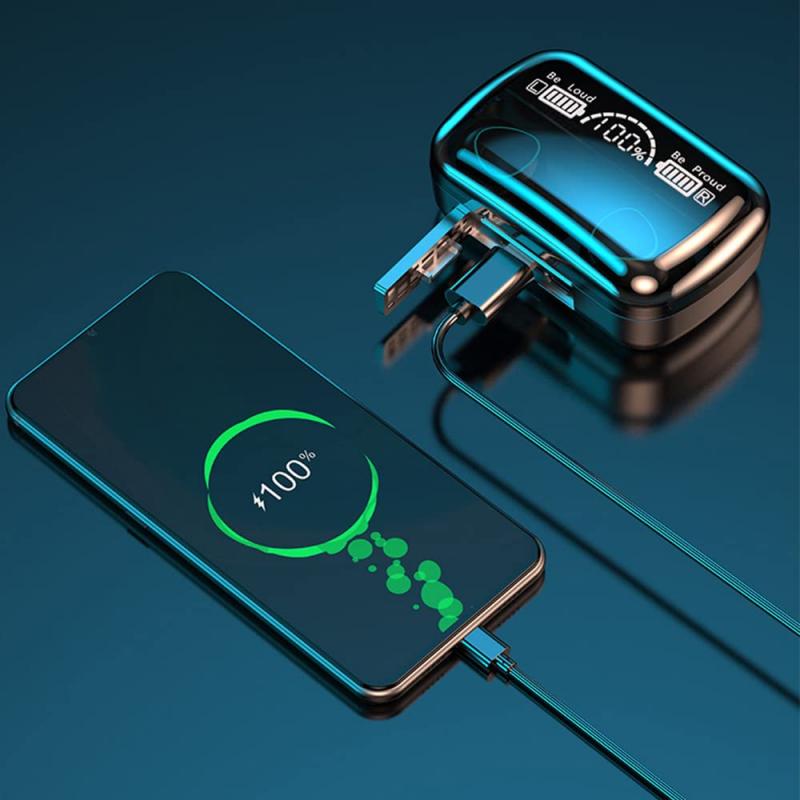
- place the earbuds snuggly into your ear canal.
- twist the bud 2 to 3 times back and forth.
- if it pops out, try different sizes of earbuds to see what fits best.
- to secure the bud in place, tug on your earlobes.
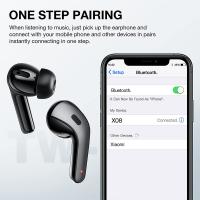
- pair the earbuds via bluetooth on your preferred device and enjoy!
try different types and sizes

- try different types and brands of earbuds to find one that fits your ears.
- in general, men have larger ear canals than women, and so will need larger earbuds.
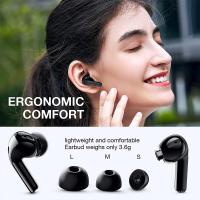
- most earbuds come with small, medium, and large tips.
- finding your “size” doesn’t guarantee stability.
- and even if you find the right one, yourother ear may need a different size.
- if only one side falls out — or if both feel slightly off — size mismatch is a likely culprit.
place and seal
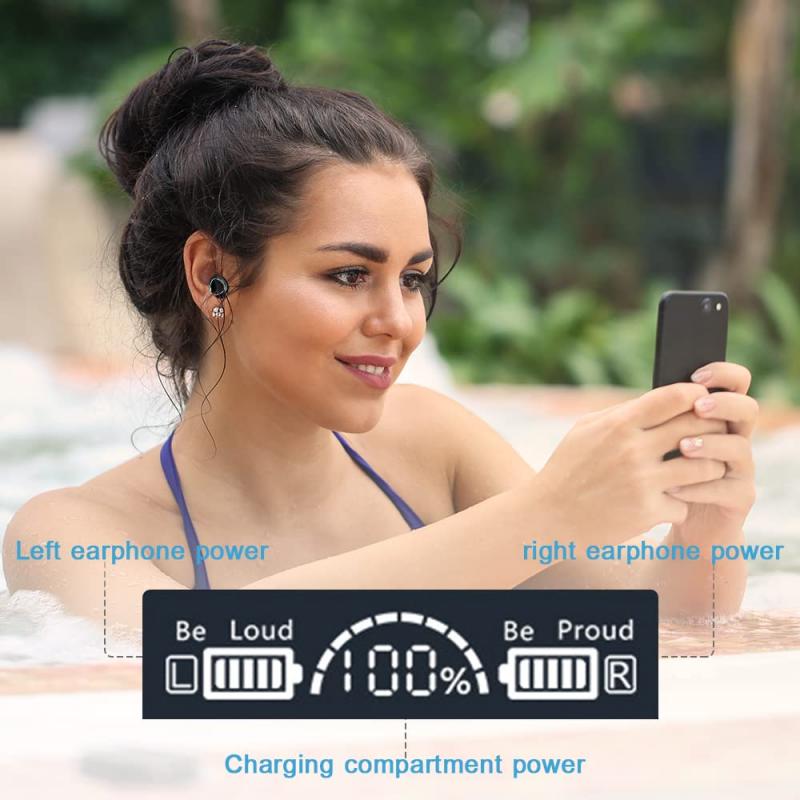
- place the earbuds snugly into your ear canal.
- fitting the head of the wireless earbuds in your ear canal will also block ambient sound from entering your ears.
- pull on your earlobes to seal the earbuds in place.
- secure the earbud in your right ear, lightly tug on that earlobe with your left hand.
- at the same time, use the index finger of your right hand to push the earbud into your ear canal.
for standard earbuds
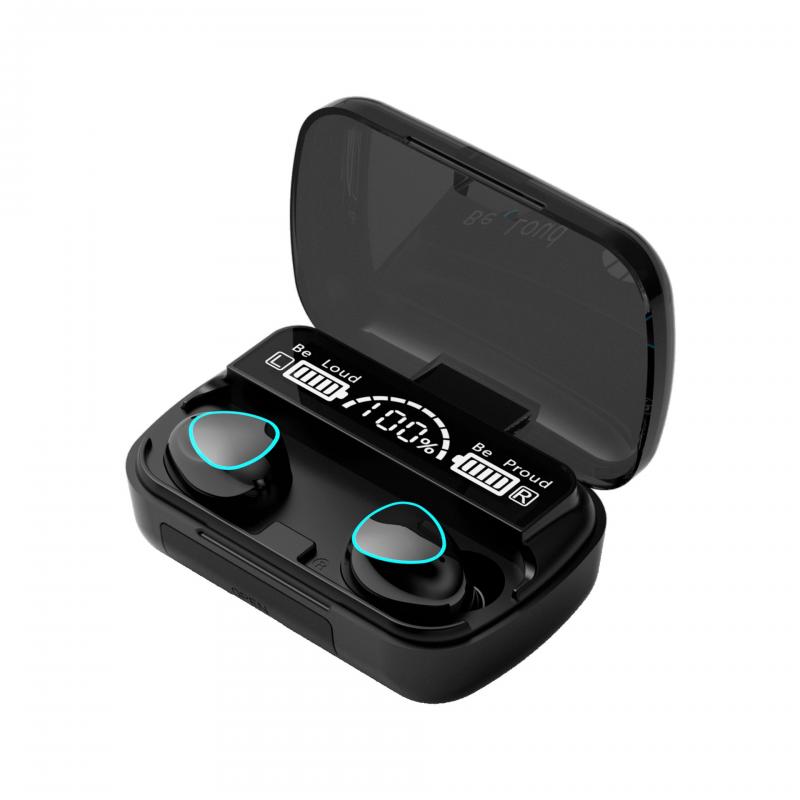
- placement: position the earbud speaker directly over the entrance of your ear canal. these earbuds don't require insertion but should align subtly with your ear’s shape.
- adjust: tilt or angle the earbud slightly to match the natural curve of your ear. trial and error will help you find the most stable position.
- secure: ensure the cord (if applicable) isn’t pulling or tangling, as this can cause the earbuds to dislodge.
for in-ear earbuds
- choose the right ear tip: most in-ear earbuds come with multiple sizes of silicone or foam tips. test them to find the one that fits snugly but comfortably in your ear canal.
- orientation: many earbuds are labeled "l" for left and "r" for right. ensure you are using the correct earbud for each ear.
- insertion: gently pull the outer part of your ear upward and outward to straighten the ear canal. insert the earbud at a slight angle, allowing it to fit securely.
- seal: wiggle the earbud gently to establish a good seal. a proper seal enhances sound quality and blocks external noise effectively.
test the fit
- once the earbuds are in place, you should test the fit to ensure they’re comfortable and secure.
- move your head around or mimic the activity you’ll be doing (e.g., jogging or commuting) to check for stability.
- if the earbuds start slipping out or feel loose, consider adjusting them or switching to a different tip size if you’re using in-ear models.
finding the right fit
- with the right combination of tip sizes and stability bands, you’ll get the best fit from your new wireless earbuds.
- to find the right fit, you may need to experiment to see what fits your ears and feels the most comfortable.
- gently pull on the top of each ear to open the ear canal, and lightly insert the earbuds.
- see how they feel in your ears, and try each size of eartips.
- be sure to push the earbuds all the way into your ears to achieve a proper seal with both ear canals.
- they should be snug, but comfortable.
- don’t be afraid to mix and match the eartips and stability bands until you're completely happy with the feel and fit.
- every ear is a different size and shape, and it's not unusual to find differences between each ear on the same person.
seal and sound quality
- every earbud depends on one thing you rarely see but always feel:its seal.
- when the seal is weak, everything becomes unstable — bass drops, noise cancellation struggles, and the earbud itself slowly works its way out.
- once the seal breaks, even slightly, the earbud has nothing to hold onto.
- the correct fit isn't only about comfort.
- choosing the right size eartip and stability band for each ear will ensure you experience the best sound quality.
- the better the fit and seal, the more they will reduce external noise.
- music will sound clearer, with greater depth and richness — and you won’t need to turn up the volume as high to get the best experience.
clean your ears and earbuds
- earwax buildup can frequently interfere with the earbuds' fit and audio quality.
- before using your earbuds, it's helpful to clean both your ears and the earbuds themselves.
- clean earwax out of your ears if your earbuds don’t fit properly.
- also clean your ears if you notice a buildup of yellow earwax on the earbuds when you pull them out from your ears.
- be careful not to push inside.
- gently push and rub so it clears the ear walls without pushing the wax further inside.
- make sure they're clean and free of dust, dirt, or wax before and after you use them.
steps to clean your ears
- use a damp cloth to wipe around the outer ear. avoid inserting objects like cotton swabs deep into the ear canal.
- regularly check for earwax buildup, which could obstruct sound or cause discomfort.
steps to clean your earbuds
- use a soft, dry cloth for everyday cleaning of the earbuds.
- if earwax buildup affects the mesh surface of the earbuds, gently use a dry toothbrush or a cotton swab dipped in rubbing alcohol to clean them.
- clean the earbuds if you notice a wax buildup.
- don’t use soap to clean wireless earbuds, and never rinse them under the faucet.
- you can wipe off the earbud nozzles with a dry, soft cotton swab or something similar, and the same goes for the earbud charging contacts and charging case.
- you should never push any type of cleaning tool into the earbud nozzles, or you'll risk damaging your earbuds.
jaw movement
- don’t move your jaw while using earbuds if you can help it.
- depending on the shape of your jaw and its proximity to your ear canal, opening and closing your jaw may loosen the earbuds.
- while you obviously can’t help moving your jaw when you’re on a phone call, try not to move your jaw too much while you’re using the earbuds for other purposes.
- for example, if you’re chewing a piece of gum or eating a snack while you’re listening to music on earbuds, the jaw motion may loosen the buds and make them slip out of your ears.
preventing earbuds from falling out
- fit matters: as mentioned earlier, selecting the right ear tip size for in-ear earbuds makes a significant difference. foam or memory foam tips tend to provide a more secure grip.
- anchor the cord: if your earbuds have a cord, loop it around your ear or secure it under clothing so it doesn’t tug while you move. for wireless earbuds, adjust accordingly to ensure they’re positioned securely.
- avoid over-insertion: inserting the earbuds too far can cause discomfort or may loosen them unexpectedly. aim for a natural depth that feels stable.
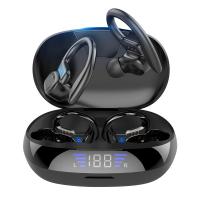
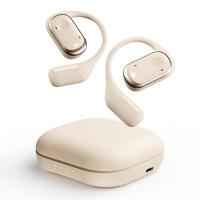
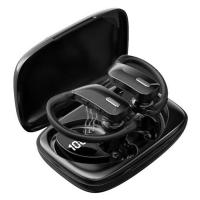
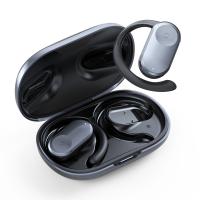
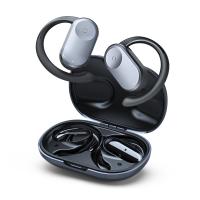
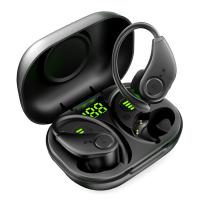
- ear hooks or wings: many modern earbuds come with optional ear hooks or wings for additional support. these accessories can help lock the earbuds in place, making them ideal for exercise.
- moisture management: sweating can make earbuds more prone to slipping. if this is a recurring issue, consider wiping them off periodically during use or exploring sweat-resistant models.
earbuds don't fit comfortably
- adjust the earbud’s positioning or try a different size ear tip.
- for standard earbuds, experiment with angling them differently or pushing them slightly deeper (but not to the point of discomfort).
sound quality feels hollow
- improper fit often results in poor bass or hollow sound. ensure that the earbuds are snugly sealed in your ear canal.
- check for any earwax or debris blocking the earbud speakers.
earbuds feel irritating over time
- reduce the length of use for the earbuds, especially if you’re experiencing discomfort.
- opt for foam earbud tips that mold to your ear shape and provide better cushioning.
persistent falling out
- try ear hooks, wings, or alternative earbuds designed for active wear.
- some people have ear shapes that are less conducive to traditional earbud models.
Leave your comment
Note: HTML is not translated!