How To Adjust Binoculars With Glasses?
If you wear glasses, binoculars can feel awkward the first few times you use them. You may see black crescents at the edge of the view, struggle to get both barrels sharp, or feel like you have to press your glasses hard into the eyepieces just to see anything useful. The good news: most decent binoculars are designed with eyeglass wearers in mind. The trick is setting the eyecups, interpupillary distance, and diopter correctly. Once those are dialed in, you should be able to lift the binoculars to your eyes and get a full, comfortable view without fighting the instrument every time.
Start with the eyecups

The first adjustment for glasses is the eyecups. Binocular eyecups control how far your eyes sit from the ocular lenses. If you do not wear glasses, you usually extend the eyecups so your eyes stay at the right distance. If you do wear glasses, your lenses already create extra spacing, so the eyecups usually need to be twisted down or folded down. Most modern binoculars have twist-up eyecups with several click stops. For glasses, begin with the eyecups fully down. Hold the binoculars normally against your glasses and look at a bright, simple scene — a wall, the sky away from the sun, or a distant treeline. You want to see one clean, round field of view with no dark shadows around the edges. If the view looks like you are peering through a tunnel, or you cannot see the full circular image, your eyes are probably too far from the lenses. With glasses, that usually means the binoculars do not have enough eye relief for you, or your glasses sit far from your eyes. If you see kidney-shaped blackouts that shift around as you move slightly, your eyes may be too close or not centered well. Try raising the eyecups one click, especially if your glasses have thin lenses or sit close to your face. Many people assume glasses always mean eyecups fully down, but some binocular-and-glasses combinations work better one notch up. Fold-down rubber eyecups are simpler. Fold them down if you wear glasses. If the rubber is old and stiff, it may not stay folded neatly, which can make the binoculars uncomfortable. In that case, replacement eyecups are sometimes available from the manufacturer.
Check the eye relief
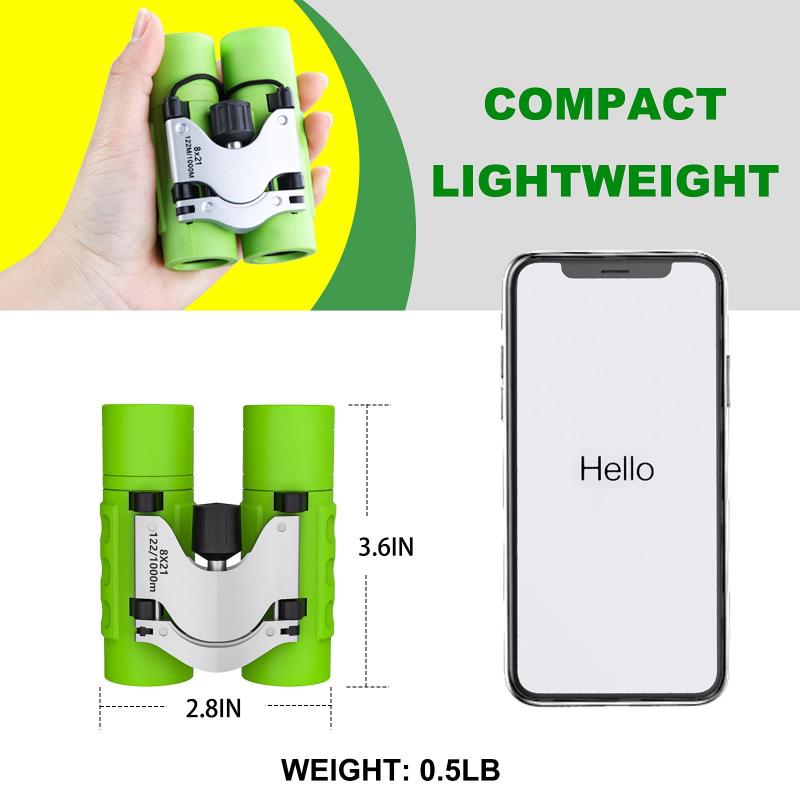
Eye relief is the distance from the eyepiece where your eye can see the full image. For glasses wearers, this matters more than magnification, brand, or most of the numbers printed on the binocular body. As a rough guide, many eyeglass wearers do best with binoculars offering around 16 mm or more of eye relief. Some people can manage with 14–15 mm, especially with thin glasses that sit close to the face. Others need 18–20 mm, particularly if their glasses are thick, large-framed, or sit farther from the eyes. If you already own binoculars and cannot see the full field even with the eyecups all the way down, this is likely the reason. No amount of focusing will fix short eye relief. You may still get a sharp central image, but the edges will be cut off, which is frustrating for birding, sports, astronomy, and general viewing. This is one of the most common buying mistakes: choosing compact binoculars with short eye relief because they look convenient. Many small pocket binoculars are fine for quick use without glasses, but less comfortable for people who keep their glasses on.
Set the width between the barrels
The next adjustment is the hinge in the middle of the binoculars. This sets the distance between the two eyepieces to match the distance between your pupils. Hold the binoculars up to your eyes and slowly move the barrels closer together or farther apart. At first, you may see two overlapping circles. Keep adjusting until they merge into one clean circle. Do this while wearing your glasses, because the way the binoculars sit against your face changes slightly compared with bare-eye use. A bad hinge setting is easy to mistake for poor optics. If the barrels are too wide or too narrow, your eyes have to work harder than they should. After a few minutes, you may feel strain, or the image may never seem fully relaxed even though it is technically focused. Once you find the right spacing, remember its position. Some binoculars have a small scale near the hinge. If you share binoculars with someone else, you will need to reset this spacing each time.
Focus the binoculars properly

After the eyecups and width are set, use the main focus wheel. Pick a detailed object at a moderate distance — a sign, tree bark, roof tiles, or a bird feeder. Avoid focusing on something too close unless you are specifically using close-focus binoculars. Turn the center focus wheel until the image looks sharp. If both eyes have the same prescription and your glasses fully correct your vision, this may already look good. Most people, though, still benefit from setting the diopter.
The diopter adjustment compensates for differences between your left and right eyes. It is usually a small ring on the right eyepiece, though some binoculars place it near the center focus wheel. Set it once carefully and you will not need to touch it often unless someone else uses the binoculars. A practical way to do it: 1. Keep your glasses on. 2. Set the diopter ring to zero. 3. Cover the right objective lens with the lens cap or your hand. Do not close your right eye tightly; squinting can change how your vision behaves. 4. Look through the left side only and focus with the center wheel until the image is sharp. 5. Now cover the left objective lens. 6. Look through the right side only and turn the diopter ring until the same object is sharp. 7. Uncover both lenses and check the view with both eyes open. After this, use only the center focus wheel for normal viewing. Leave the diopter alone. A common mistake is using the diopter as a second focus knob while looking at different distances. That throws off the balance between your eyes and makes the binoculars feel inconsistent. The diopter is for matching your eyes; the center wheel is for changing distance.
For most people who wear glasses for astigmatism, keep the glasses on. Binocular focus can compensate for nearsightedness or farsightedness, but it does not properly correct astigmatism. Without glasses, stars may look smeared, birds may lack crisp feather detail, and fine edges may never quite snap into focus. If your glasses are only for mild distance correction and you do not have meaningful astigmatism, you may prefer using binoculars without them. In that case, extend the eyecups and refocus. The view may feel more immersive because your eyes can sit closer to the eyepieces. There is no universal rule. Try both ways in daylight on a detailed subject. If the image without glasses is sharp and comfortable, that is fine. If it looks slightly smeared no matter how carefully you focus, use your glasses. One practical downside of removing glasses is speed. Birders, hikers, and sports spectators usually want to raise binoculars quickly without taking glasses off, finding a safe place for them, then putting them back on. For casual backyard use, removing glasses may not matter. In the field, it gets annoying fast.
Blackouts are those dark shapes that appear when your eyes are not positioned correctly behind the eyepieces. They are especially common with glasses because the eyepiece, eyecup, glasses lens, and your eye all have to line up. If you see black crescents or the image cuts in and out: - Make sure the eyecups are fully down, then try one click up if the binoculars have adjustable stops. - Check that the hinge width gives you one single circular image. - Hold the binoculars lightly against your glasses rather than pressing hard. - Move the binoculars slightly higher, lower, left, or right until the view opens up. - Clean your glasses; smudges can make alignment problems feel worse. Pressing harder rarely helps. It can bend your glasses out of position, create discomfort around your nose, and make the view less stable. A light, steady contact is better.
Glasses add two more surfaces between your eyes and the scene, so dirt matters. A fingerprint on your glasses or eyelash oil on the binocular eyepiece can soften the view enough to make you think the focus is wrong. Use a blower or soft brush first if there is grit on the lenses. Then use a microfiber cloth or proper lens wipe. Avoid cleaning binocular eyepieces with your shirt, especially outdoors where dust or sand can scratch coatings. If you use binoculars often with glasses, the eyecups and eyepiece rims may pick up skin oils, sunscreen, and dust. Wipe those areas occasionally. It improves comfort and helps prevent grime from transferring back to your glasses.
If you are shopping for binoculars and wear glasses, prioritize comfort over raw magnification. Look for long eye relief, preferably around 16 mm or more. Try to test them while wearing your actual glasses, not just reading the specifications. Specs are useful, but face shape, frame style, eyecup design, and how the binoculars sit in your hands all affect the experience. Twist-up eyecups with firm click stops are worth having. Loose eyecups that collapse under light pressure become irritating in real use. If the eyecups wobble in the shop, they will not improve on a windy overlook or during a long afternoon outdoors. Moderate magnifications are easier to live with. An 8x binocular is usually steadier and more forgiving than a 10x or 12x, especially for handheld use with glasses. Higher magnification narrows the exit pupil and makes eye placement more fussy. For many eyeglass wearers, a good 8x42 is more comfortable than a compact high-power model. Also pay attention to the size of the exit pupil, which is the objective diameter divided by magnification. A 8x42 binocular has a 5.25 mm exit pupil, which gives your eye a bit more room to settle behind the eyepiece. A 10x25 has only 2.5 mm, so alignment is less forgiving. That does not make compact binoculars bad, but they can be trickier with glasses.
Once binoculars are adjusted correctly for glasses, the experience should be simple: eyecups set low, barrels matched to your eyes, diopter calibrated, center focus doing the work. You should not be hunting for the image every time. If you still struggle after careful adjustment, the binoculars may simply be a poor match for your glasses or face. That happens. Short eye relief, tiny eyepieces, stiff eyecups, or narrow design can make otherwise decent binoculars unpleasant for eyeglass wearers. The right setup feels natural. You lift the binoculars, rest them gently against your glasses, focus, and see the full view without shadows or strain. That is the standard worth aiming for.