Which Camera Is Best For Low Light Photography?
Low-light photography presents unique challenges that demand a well-equipped camera to effectively capture scenes with minimal lighting while preserving image clarity, detail, and dynamic range. Whether you're photographing dimly lit interiors, night cityscapes, or astrophotography, understanding how cameras perform in low-light conditions can significantly elevate your results. In this blog post, we will delve into the essentials of low-light photography and recommend the types of cameras and features to consider for this purpose. By understanding the technical aspects and real-world performance, you can make an informed decision and achieve stunning images, even when light is scarce.
Understanding Low-Light Photography Needs
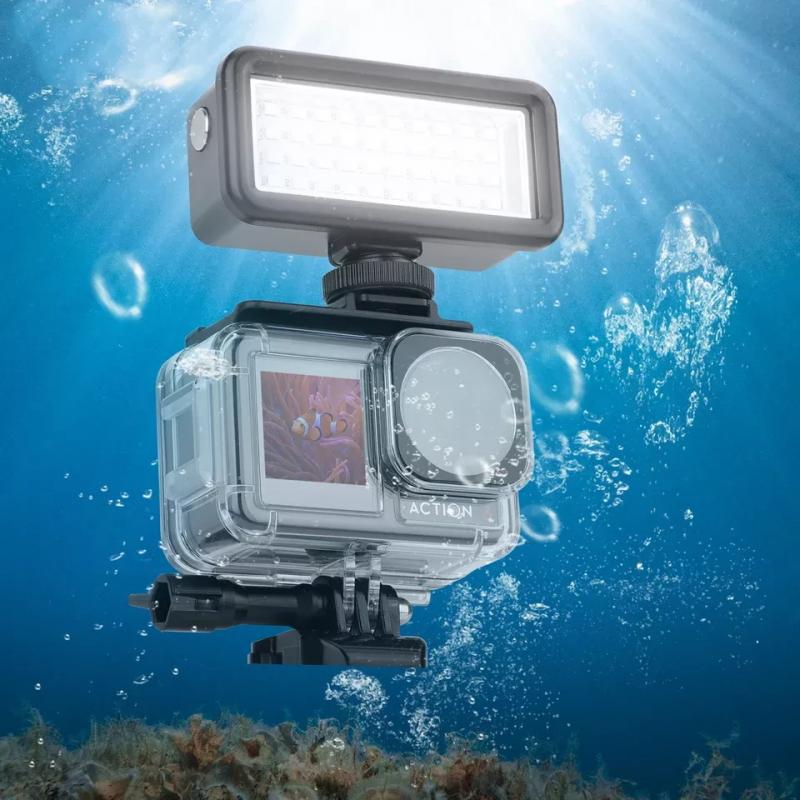
Low-light photography imposes higher demands on camera sensors and processing capabilities because the amount of available light is significantly lower than in standard lighting scenarios. Here's what happens during low-light shooting:
Increased ISO Settings: Raising ISO sensitivity allows the camera sensor to capture light more effectively, but it often introduces noise in the image.
Wide Aperture Usage: Wide apertures (low f-number) let in more light, but they can narrow the depth of field significantly.
Long Exposure Times: To compensate for limited light, longer shutter speeds are often used, which increases the risk of blur without proper stabilization.
Need for Larger Sensors: Larger sensors gather more light, reducing noise and increasing the dynamic range.
Ultimately, the effectiveness of your camera in low-light conditions depends on its sensor size, image stabilization features, native ISO range, lens compatibility, and noise reduction algorithms.
Features to Look for in a Low-Light Camera
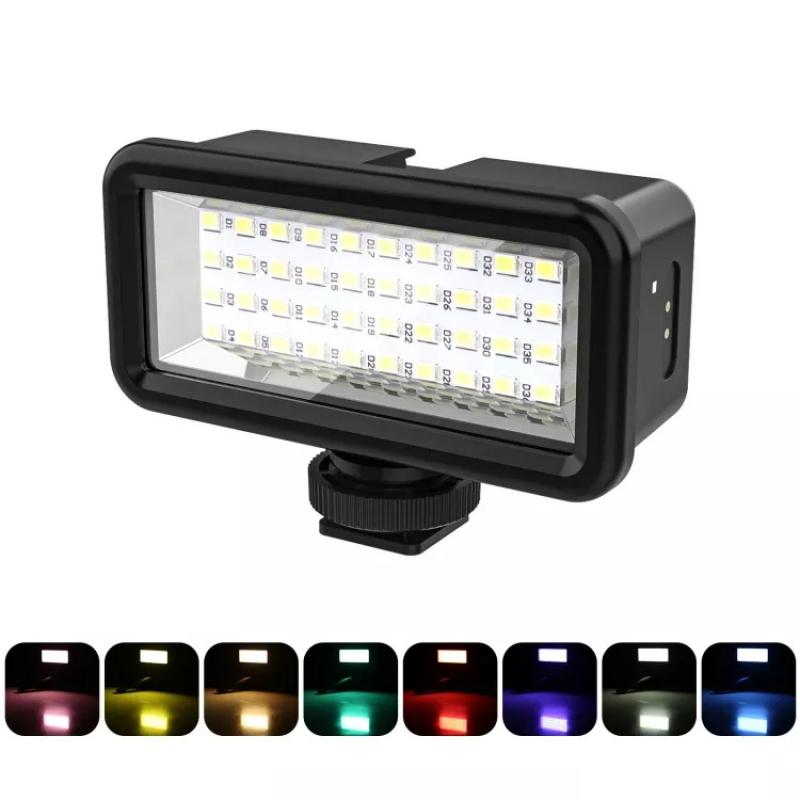
When shopping for a camera for low-light photography, here are the essential features you should prioritize:
1. ISO Range & Performance: A camera with high ISO capabilities and solid noise control can improve low-light images significantly. For example, cameras with native ISO ranges of 100-6400 (expandable up to 25,600 or higher) perform better in dimly lit conditions without excessive graininess.
2. Sensor Size: Cameras with larger sensors, such as full-frame or medium format sensors, outperform smaller sensor models (APS-C or Micro Four Thirds) due to their ability to collect more light and produce cleaner images.
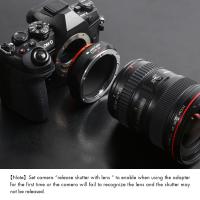
3. Lens Compatibility & Aperture: Pairing your camera with fast lenses (wide maximum apertures like f/1.4 or f/1.8) allows for better light gathering, granting flexibility in low-light scenarios.
4. Dynamic Range: Cameras with higher dynamic range can better capture details in shadows and highlights, which is critical for preserving detail-rich low-light shots.
5. Image Stabilization: Optical or in-body image stabilization compensates for camera shake during longer exposure times, helping you capture sharper images.
6. Autofocus Performance: Low-light conditions can challenge autofocus systems. Cameras with advanced autofocus technology (dual-pixel AF, phase detection) excel in consistently locking onto subjects in dim environments.
Camera Recommendations for Low-Light Photography
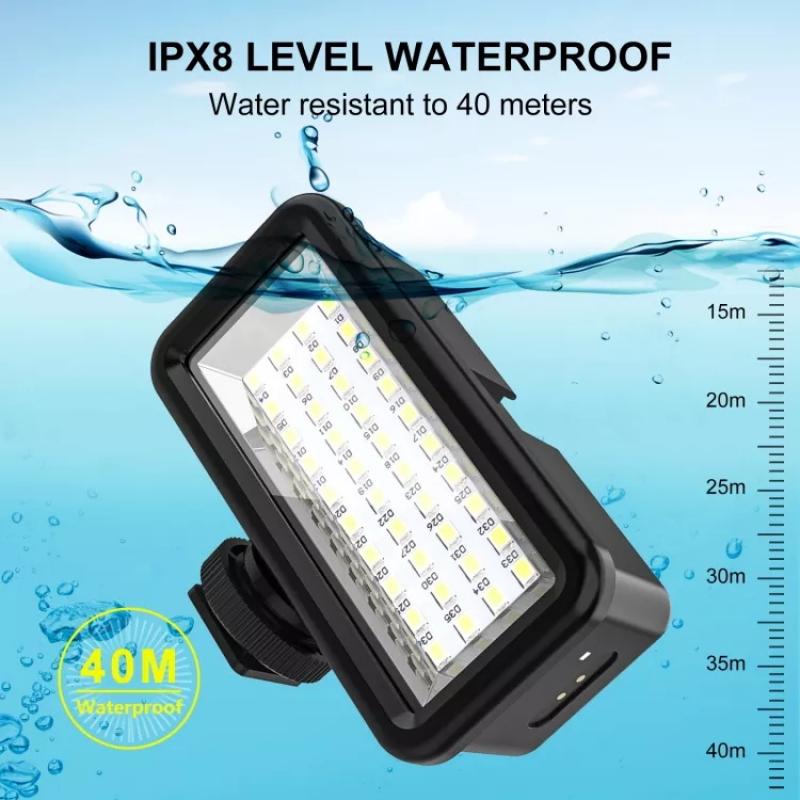
The market for cameras suited to low-light photography can appear overwhelming, so we've curated a selection of excellent options based on their ability to meet the demands of low-light shooting efficiently:
1. Sony Alpha a7S III (Full-Frame Mirrorless Camera)

This camera is a powerhouse for low-light photography and videography. It features:
- Full-frame 12.1MP sensor optimized for low-light performance.
- Exceptional ISO sensitivity, expandable up to 409,600.
- Incredible dynamic range for maximum detail retention.
- In-body image stabilization to reduce blur during handheld use.
The Sony a7S III is the go-to choice for professionals who prioritize low-light image quality without compromise.
2. Canon EOS R6 (Full-Frame Mirrorless Camera)
Known for versatility and performance in challenging lighting conditions:
- Full-frame 20.1MP sensor with superb ISO performance.
- Advanced Dual Pixel CMOS autofocus system for precise focus in low light.
- Up to 8-stop in-body stabilization when paired with compatible RF lenses.
The Canon EOS R6 excels in capturing indoor portraits, night scenes, and motion shots in minimal light.
3. Nikon Z6 II (Full-Frame Mirrorless Camera)
Ideal for enthusiasts seeking reliable low-light capabilities:
- Full-frame 24.5MP sensor with solid high-ISO performance.
- Effective in-body stabilization for sharper shots at slower shutter speeds.
- Low-light autofocus feature for improved subject acquisition in dim settings.
The Nikon Z6 II balances image quality, build design, and affordability for photographers looking to explore low-light environments.
4. Fujifilm X-T4 (APS-C Mirrorless Camera)
Although it has a smaller APS-C sensor, the Fujifilm X-T4 shines in low light thanks to:
- Great high-ISO capabilities and dynamic range for its class.
- In-body stabilization to support slow shutter speeds.
- Compact design and lightweight build.
Paired with Fujifilm’s fast XF lenses, the X-T4 is a fantastic choice for photographers who value portability without sacrificing performance.
5. Sony RX100 VII (Compact Camera)
For photographers seeking a compact option:
- 1-inch sensor with impressive performance in moderate low-light environments.
- Wide aperture zoom lens (f/2.8-4.5) for enhanced light capture.
- Small, portable design with strong video and still photo modes.
This camera is excellent for travel and street photographers who prefer minimal gear while still capturing quality low-light photos.
Tips for Improving Low-Light Photography Results
While choosing the right camera is crucial, there are additional techniques and tools that empower you to get better results in low light:
1. Invest in Fast Lenses
Pair your camera with prime lenses or zoom lenses with wide apertures (e.g., f/1.4 or f/2.8). These lenses maximize light capture and maintain sharpness in low-light situations.
2. Use Tripods or Stabilization Gear
If shooting at slower shutter speeds, tripods or gimbals reduce camera shake and ensure image sharpness. This is particularly useful for night landscapes or long exposure shots.
3. Leverage Manual Settings
Manually adjust your ISO, shutter speed, and aperture settings to find the optimal balance for your scene. Familiarize yourself with your camera’s manual mode to have greater control over exposure.
4. Shoot in RAW Format
RAW files retain far more image data compared to JPEG, granting you greater flexibility during post-processing to correct exposure and recover shadow details.
5. Experiment with External Light Sources
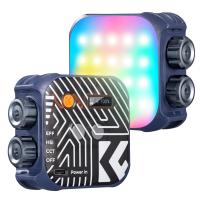
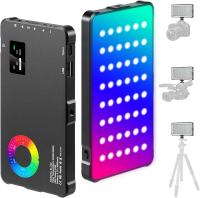
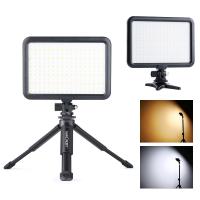
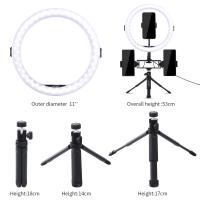
Consider using artificial lighting, such as portable LED panels or flashes, to complement the ambient light. This technique is particularly useful for portraits or interior settings.
6. Adjust White Balance
Under low-light conditions, your images may have inaccurate color tones. Customize white balance settings or correct them in post-editing software to achieve color accuracy.
7. Pay Attention to Noise
While high ISO settings are necessary in low light, they introduce noise into your images. Use noise reduction techniques in post-processing tools like Adobe Lightroom or Photoshop to strike a balance between clarity and realism.
Final Thoughts
Low-light photography is a captivating art form, but it requires a combination of technical expertise and the right gear. A camera with robust high-ISO performance, a large sensor, optical or in-body stabilization, fast lenses, and advanced autofocus will serve you well in capturing stunning images in challenging lighting situations.
The recommended cameras and tips outlined above should guide you toward elevating your low-light photography skills. Whether you're shooting a serene night landscape or capturing the intimacy of a dimly lit portrait, selecting the right equipment and applying thoughtful techniques will illuminate your creative potential.
Remember, while gear can significantly improve your photography experience, the essentials of composition, storytelling, and practice always play a pivotal role in mastering the craft. Low-light scenes may be challenging, but they often harbor timeless beauty waiting to be revealed.