Can You Zoom In With Binoculars?
Binoculars are a classic optical tool that have been used for decades to enhance distant views and bring faraway objects into sharp focus. Whether you are a bird watcher, a sports enthusiast, a hunter, or simply someone who enjoys the beauty of nature, you may find yourself wondering: can you zoom in with binoculars?
The short answer is: it depends. Traditional binoculars generally have a fixed magnification level, but there is a specific type called "zoom binoculars" that allows users to adjust the magnification to zoom in or out. To fully understand the concept, let’s dive deeper into how binoculars work, the differences in design, and whether zooming capabilities meet your needs.
The Basics of Binoculars and Magnification
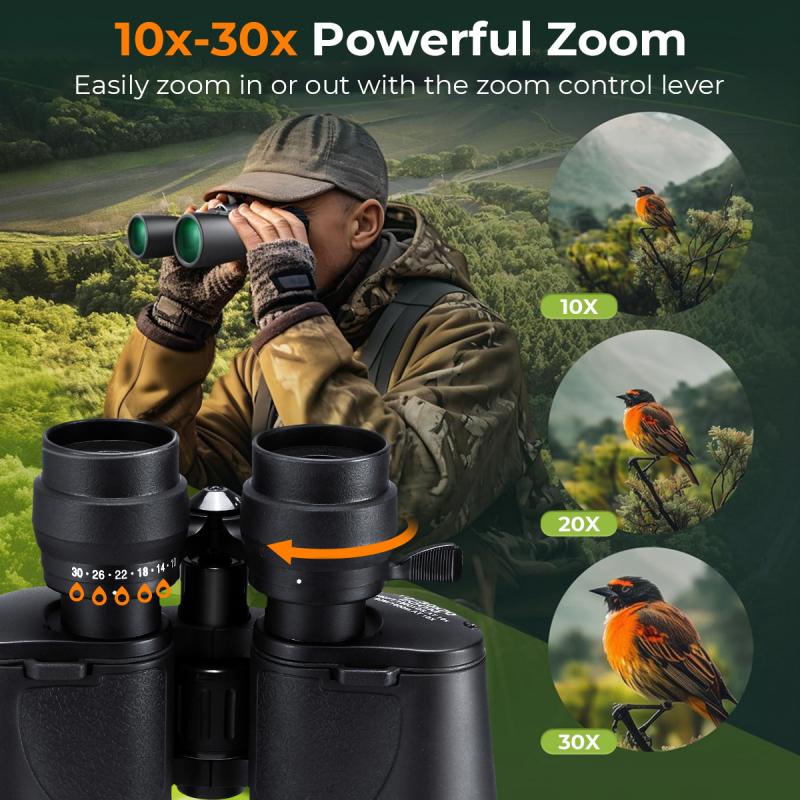
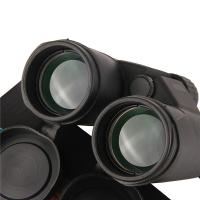
Before exploring zoom functionality, it’s crucial to understand the structure of binoculars and how they operate. Binoculars are composed of two parallel telescopes mounted side by side, which enable you to use both eyes for observing distant objects. Each lens system magnifies the light entering it, making objects appear closer and clearer.
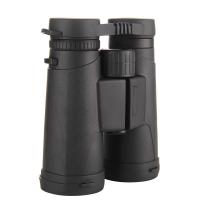
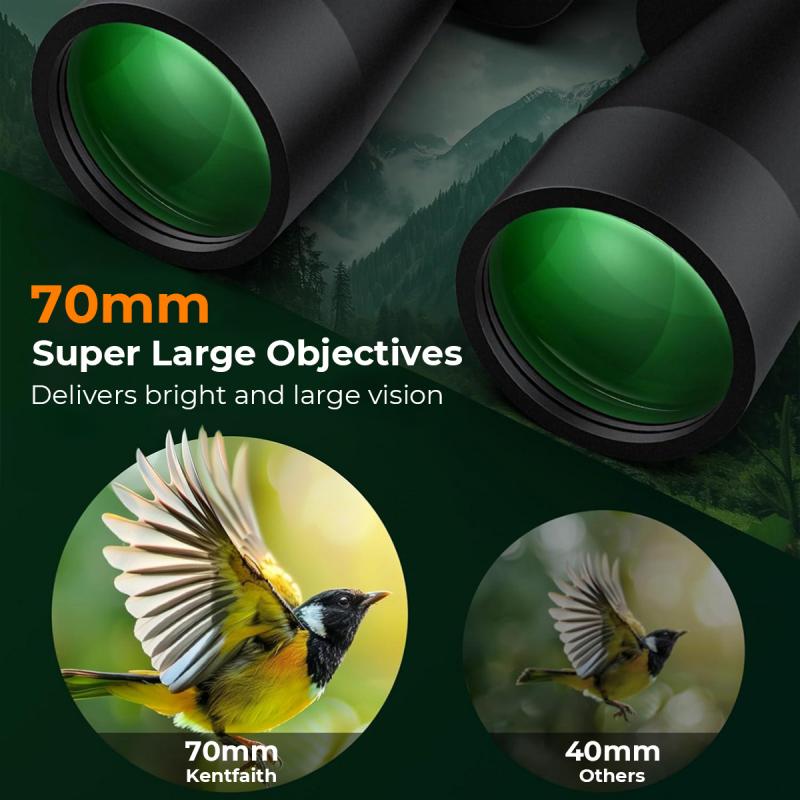
Magnification is usually expressed as numbers printed on the binoculars. For example, a pair labeled "10x42" has a magnification of 10x and an objective lens diameter of 42mm. The 10x magnification means that the object being viewed will appear 10 times closer than it would to the naked eye.
This fixed magnification is the standard for most binoculars. However, magnification becomes rigid if it's a single setting, which means you cannot "zoom in" or "zoom out" once the binoculars are manufactured with a specific magnification. But that’s where zoom binoculars come in.
Understanding Zoom Binoculars
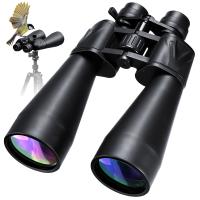
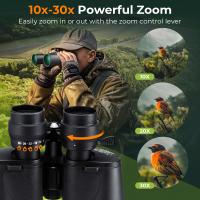
Zoom binoculars are specifically designed with variable magnification. This kind of binocular allows users to adjust the level of zoom, usually between a specific range — for instance, an 8-16x40 pair of binoculars can magnify from 8 times to 16 times. By adjusting the zoom lever or knob on the binoculars, you can switch between broader or more focused views.
When zoom binoculars are appropriately designed and used, they can be highly versatile. Instead of switching between multiple pairs of binoculars to achieve different levels of magnification, you can simply adjust the zoom on the pair you’re holding and dial the appropriate level of magnification for the specific situation.
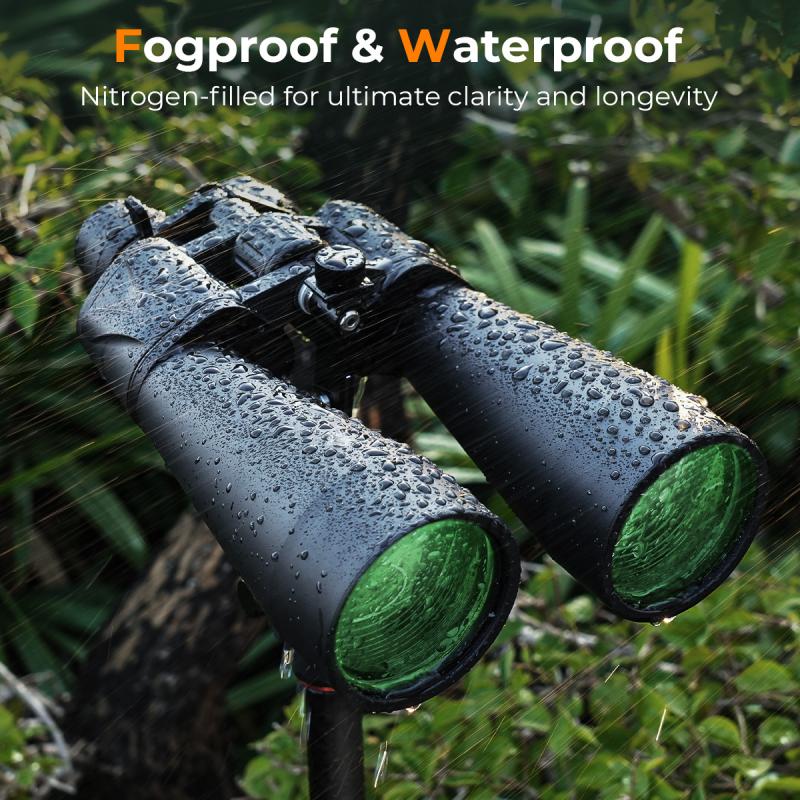
However, zoom binoculars are not without their downsides. These models tend to be bulkier and more expensive than fixed-power binoculars due to the added optical engineering required for adjustable magnification. Additionally, a high magnification level (e.g., 16x or above) can sometimes reduce image quality due to issues like decreased light gathering, shakiness, and field-of-view limitations.
Zoom Binoculars vs. Fixed-Magnification Binoculars
Each type of binocular serves a specific purpose and suits different users depending on how you plan to use them. Here’s a comparison of the two types:
1. Fixed-Magnification Binoculars:
Advantages:
- Simpler design and operation.
- More affordable than zoom binoculars.
- Lightweight and portable, making them easier to carry on outdoor trips.
- Often superior in image clarity compared to most zoom binoculars.
Limitations:
- Cannot adjust magnification; you’re stuck with one level.
- Not versatile in situations that call for observing objects at different distances.
2. Zoom Binoculars:
Advantages:
- Offer adjustable magnification—perfect for dynamic viewing scenarios such as wildlife observation or live sports.
- Adaptable for viewing distant objects at different ranges without changing equipment.
Limitations:
- Larger and heavier due to more complex components.
- More expensive than fixed-magnification binoculars.
- May suffer from lower optical quality at higher magnification levels.
- Require steady hands; higher magnification increases shakiness when holding binoculars.
Should You Buy Zoom Binoculars?
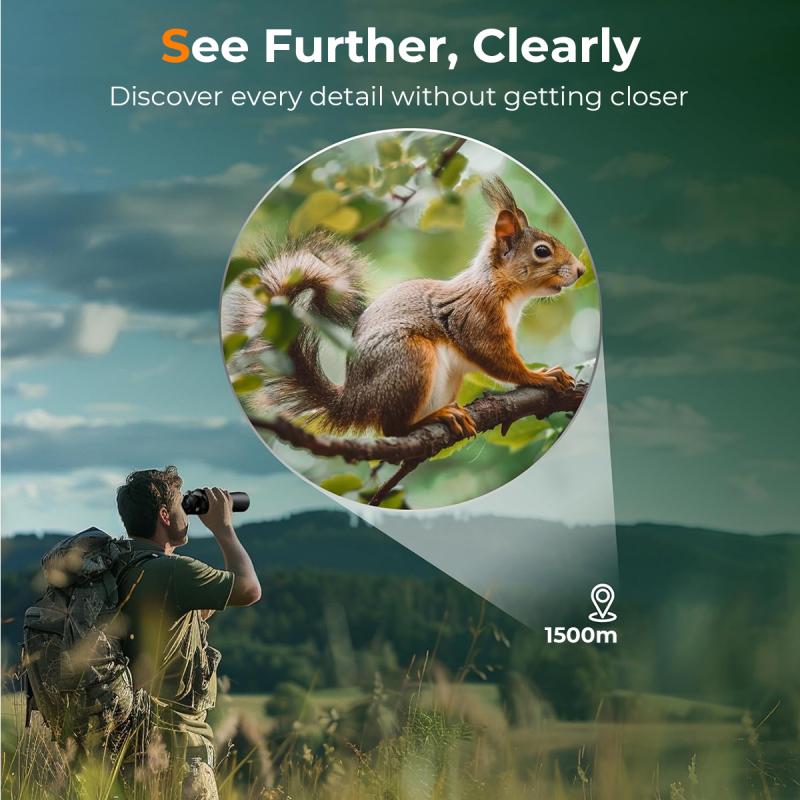
The decision to invest in zoom binoculars depends on your specific needs. If you are passionate about bird watching or stargazing, where you may need to change zoom levels to observe different subjects or wider fields, zoom binoculars can be an excellent tool. They also work well for those who want flexible options without carrying multiple binoculars of varying magnification.
However, if you primarily need binoculars for a single, consistent purpose—like theater viewing, opera attendance, or backpacking—a fixed-magnification pair may better suit your needs. Fixed binoculars tend to be sharper, lighter, and more straightforward to use, making them a good choice for users who prioritize simplicity and image quality over versatility.
Practical Tips for Using Zoom Binoculars Effectively
If you do decide that zoom binoculars are right for you, here are some practical tips to make the most of your equipment:
1. Start at Low Magnification:
Begin at the lowest setting when spotting an object. A broader field of view will make it easier to locate the subject first. Once the object is in sight, gradually increase the magnification until the desired level of detail is visible.
2. Use a Tripod for Stability:
When using higher magnifications, even minute hand movements can cause the image to wobble, making it harder to focus. Attaching your binoculars to a tripod allows for stable and steady viewing.
3. Mind the Lighting:
The higher the magnification, the less light enters the objective lens. If you plan to use zoom binoculars frequently in low-light environments (e.g., at dusk or dawn), choose a pair with a larger objective lens diameter.
4. Check Lens Quality:
Zoom binoculars with low-quality optics may have distortions or reduced performance at maximum zoom. Invest in well-reviewed models from reputable brands to ensure reliable performance.
5. Practice Adjusting the Zoom:
Since zooming takes a bit of coordination, practice using the zoom mechanism before taking them out for fieldwork. Familiarity with controls ensures you’re prepared for dynamic viewing situations.
Are There Better Alternatives?
While zoom binoculars are a versatile option, there are alternatives that can provide similar benefits without the drawbacks. For example, spotting scopes and monoculars offer high zoom capabilities and are often more optically advanced, designed for long-range vision. However, they typically require a tripod and are not as compact or convenient as binoculars.
Telephoto lenses, often used in photography, can also mimic this functionality but come with their own steep learning curves and higher prices. Depending on your intended use, a combination of fixed binoculars and a spotting scope could strike a healthy balance between quality and performance.
Final Thoughts
In conclusion, while binoculars are primarily designed to provide fixed magnification, zoom binoculars do exist to allow users to zoom in and out. These models are useful for certain scenarios, such as when viewing objects at widely varying distances. However, they come with trade-offs, including increased size, weight, cost, and potential compromises on image quality, especially at higher magnifications.
If you’re considering purchasing binoculars, evaluate your needs carefully. For users seeking simplicity and sharp images, fixed-magnification binoculars will be ideal. For those who need versatile options for observing objects at variable distances, well-made zoom binoculars or other alternatives like spotting scopes might be better.
Finally, always choose binoculars from a trusted brand and test them in-store if possible. Your comfort with the weight, design, and functionality is key to a good viewing experience. Whether you need spotting power for your next hike or precision for an afternoon of bird watching, the right pair of binoculars will enhance your adventures and provide you with years of enjoyment.