How To Use Camera Hand Straps?
Mastering the Use of Camera Hand Straps: A Comprehensive Guide
For photographers, whether amateur or professional, ensuring the safety and usability of their camera equipment is paramount. One of the most overlooked yet essential accessories is the camera hand strap. While many photographers are familiar with neck straps or shoulder straps, hand straps offer a unique combination of security, comfort, and accessibility. In this article, we’ll explore how to use camera hand straps effectively, their benefits, and practical tips to maximize their utility.
What Are Camera Hand Straps?
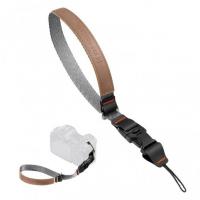
Camera hand straps are compact accessories designed to secure your camera to your hand while shooting. Unlike neck or shoulder straps, which allow the camera to hang freely, hand straps keep the camera firmly attached to your hand, offering better control and reducing the risk of accidental drops. They are particularly popular among photographers who prefer handheld shooting or those using heavier DSLR or mirrorless cameras.
Why Use a Camera Hand Strap?
Before diving into the specifics of how to use a camera hand strap, it’s important to understand why you might want one in the first place. Here are some key benefits:
1. Enhanced Security: A hand strap ensures your camera stays attached to your hand, reducing the risk of dropping it during use.
2. Improved Comfort: Hand straps distribute the weight of the camera across your hand, making it easier to hold for extended periods.
3. Better Control: With the camera securely strapped to your hand, you can achieve steadier shots and quicker adjustments.
4. Compact Design: Unlike bulkier neck or shoulder straps, hand straps are minimalistic and don’t get in the way during shooting.
5. Ideal for Active Shoots: Whether you’re shooting in crowded spaces, hiking, or capturing fast-moving subjects, hand straps keep your camera accessible and secure.
Types of Camera Hand Straps
Camera hand straps come in various designs and materials, catering to different needs and preferences. Some common types include:
- Leather Straps: Durable and stylish, leather straps are popular for their premium feel and longevity.
- Neoprene Straps: Lightweight and comfortable, neoprene straps are ideal for extended use.
- Adjustable Straps: These straps allow you to customize the fit for maximum comfort and security.
- Padded Straps: Designed for heavy cameras, padded straps provide extra cushioning to reduce strain on your hand.
How to Attach a Camera Hand Strap
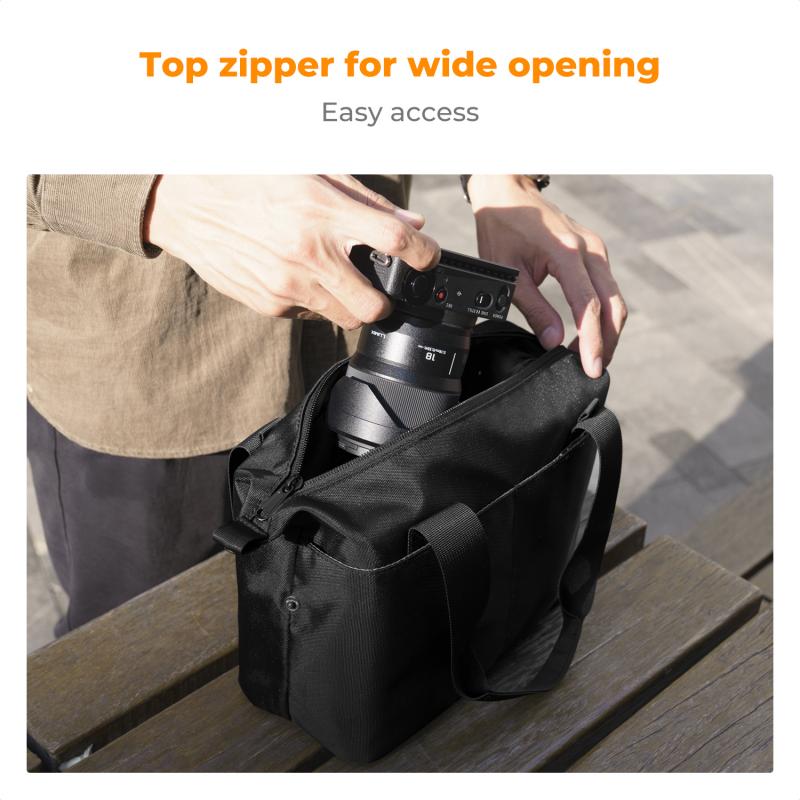
Attaching a camera hand strap is a straightforward process, but it’s important to do it correctly to ensure safety and functionality. Here’s a step-by-step guide:
1. Locate the Strap Mounts: Most cameras have strap mounts on either side of the body. These are small metal or plastic loops designed to hold straps securely.
2. Thread the Strap: Take the end of the hand strap and thread it through the strap mount. If your strap has a buckle or loop system, follow the manufacturer’s instructions for threading.
3. Secure the Strap: Once the strap is threaded through the mount, adjust it to ensure it’s tight and secure. Some straps come with locking mechanisms or buckles to prevent slipping.
4. Adjust the Fit: Place your hand through the strap and adjust the size to fit snugly around your hand. The strap should be tight enough to hold the camera securely but loose enough to allow comfortable movement.
5. Test the Setup: Before using the camera, test the strap by gently tugging on it to ensure it’s properly attached. Make sure the camera feels stable and doesn’t wobble.
Tips for Using Camera Hand Straps Effectively
Once your hand strap is attached, there are several ways to optimize its use:
1. Balance the Weight: If you’re using a heavy camera or lens, ensure the strap is adjusted to distribute the weight evenly across your hand. This will reduce fatigue during long shoots.
2. Pair with a Wrist Strap: For added security, consider pairing your hand strap with a wrist strap. This provides an extra layer of protection in case the hand strap loosens.
3. Practice Quick Adjustments: Hand straps allow for quick camera adjustments, so practice moving your hand and fingers to access buttons, dials, and the shutter without removing the strap.
4. Use with Tripods: If you frequently switch between handheld shooting and tripod use, choose a hand strap that’s easy to detach or doesn’t interfere with tripod mounting.
5. Keep It Clean: Over time, hand straps can accumulate dirt and sweat. Regularly clean your strap to maintain its appearance and functionality.
6. Choose the Right Strap for Your Camera: Not all hand straps are compatible with every camera model. Check the specifications to ensure the strap fits your camera’s strap mounts and size.
Common Mistakes to Avoid
While camera hand straps are simple to use, there are a few common mistakes that can compromise their effectiveness:
1. Incorrect Attachment: Failing to secure the strap properly can lead to accidents. Always double-check the attachment before using your camera.
2. Overtightening: While a snug fit is important, overtightening the strap can restrict movement and cause discomfort.
3. Ignoring Compatibility: Using a strap that’s not designed for your camera can result in poor fit and reduced security.
4. Neglecting Maintenance: A worn or damaged strap can break unexpectedly. Inspect your strap regularly and replace it if necessary.
When to Use a Camera Hand Strap
Camera hand straps are versatile accessories that can be used in various scenarios. Here are some situations where they shine:
- Street Photography: Hand straps allow you to keep your camera ready for quick shots while navigating crowded streets.
- Event Photography: During weddings, concerts, or other events, hand straps provide security and accessibility for capturing fleeting moments.
- Travel Photography: Compact and lightweight, hand straps are ideal for photographers on the go.
- Action Photography: Whether you’re shooting sports or wildlife, hand straps keep your camera secure during fast-paced shoots.
Choosing the Right Camera Hand Strap
With so many options available, selecting the right hand strap can be overwhelming. Here are some factors to consider:
1. Material: Choose a material that suits your needs. Leather straps are durable and stylish, while neoprene straps are lightweight and comfortable.
2. Adjustability: Look for straps with adjustable sizing to ensure a perfect fit.
3. Padding: If you use a heavy camera, opt for a strap with padding to reduce strain on your hand.
4. Compatibility: Ensure the strap is compatible with your camera model and strap mounts.
5. Brand Reputation: Invest in a strap from a reputable brand to ensure quality and reliability.
Final Thoughts
Camera hand straps are an invaluable accessory for photographers seeking security, comfort, and control. By understanding how to use them effectively, you can enhance your shooting experience and protect your equipment. Whether you’re capturing the hustle and bustle of city streets, the serenity of nature, or the excitement of a live event, a well-chosen hand strap can make all the difference.
Take the time to select a strap that suits your needs, attach it properly, and practice using it in different scenarios. With the right approach, a camera hand strap can become an indispensable part of your photography toolkit, allowing you to focus on what truly matters: capturing stunning images.