What Tripod To Buy?
When it comes to photography and videography, a tripod is one of the most essential tools for capturing stable and well-composed shots. Whether you're a budding enthusiast or an experienced professional, investing in a reliable tripod can significantly elevate your work. But with the vast array of options available on the market, selecting the right tripod can quickly become overwhelming. In this article, we'll guide you through the most critical factors to consider when choosing a tripod and help you find the perfect match for your specific needs.
Consider Your Purpose and Camera Gear
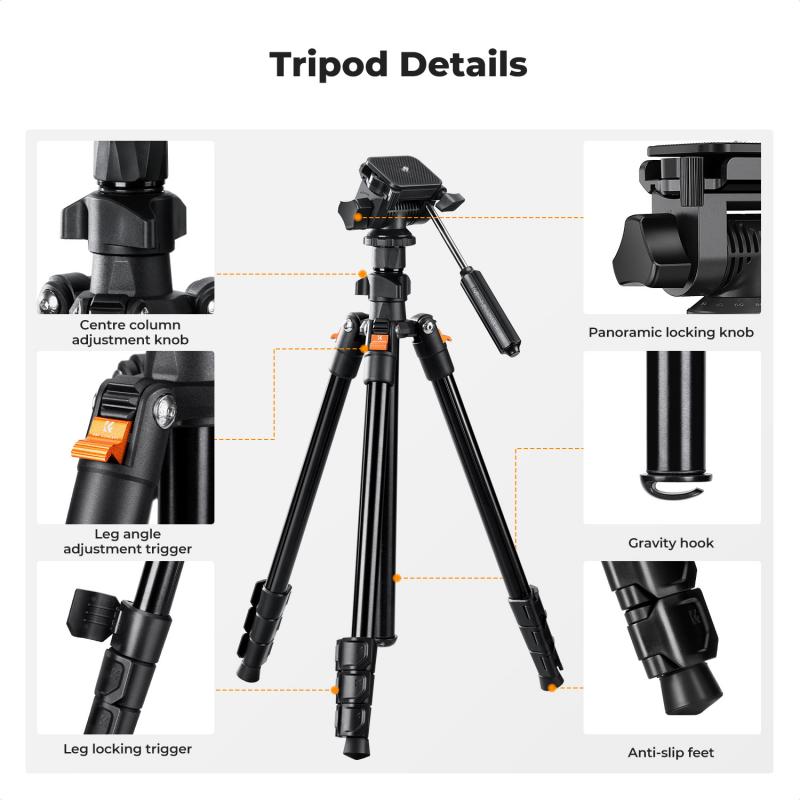
The first step in choosing a tripod is determining your intended use. Are you using it for studio photography, outdoor landscapes, vlogging, macro photography, or travel? Your purpose will largely dictate the type, size, and features you should prioritize.
Additionally, it's crucial to consider the equipment you'll mount on the tripod. For example:
DSLR Cameras typically require a sturdy tripod with high weight capacity.
Compact Mirrorless Cameras can pair well with lightweight, portable tripods.
Smartphones might just need a mini tripod or a phone-specific mount.
Heavy setups such as long lenses or cinema cameras demand high-quality, durable tripods designed for stability under such weight.
Before making your purchase, always check the tripod’s load capacity to ensure it can safely support your gear.
Types of Tripods and Their Key Features
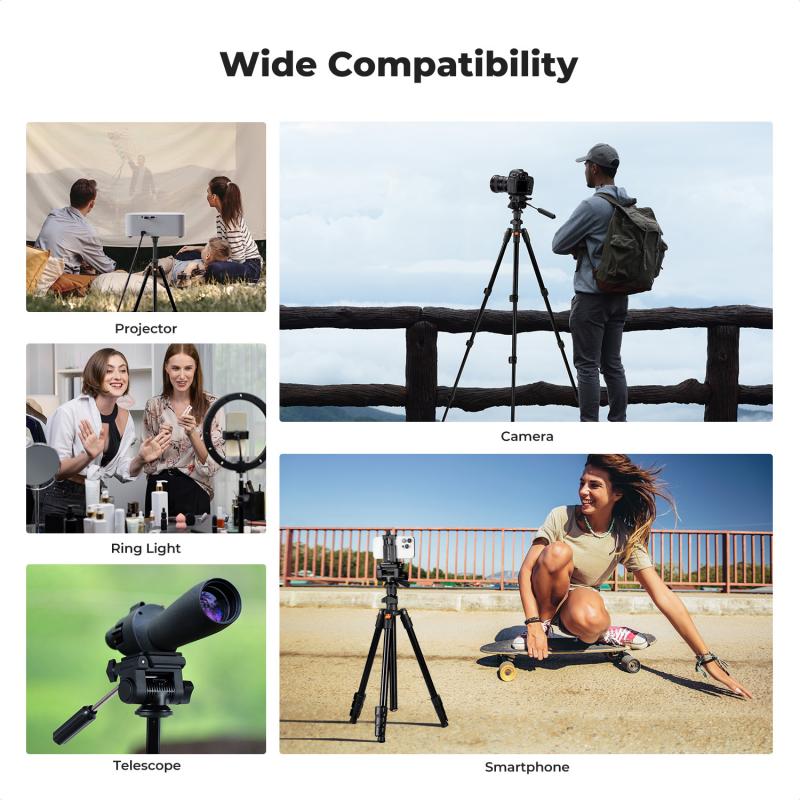
Tripods come in various shapes, designs, and sizes to suit different needs. Here are some of the most common types along with their distinguishing features:
1. Traditional Full-Size Tripod
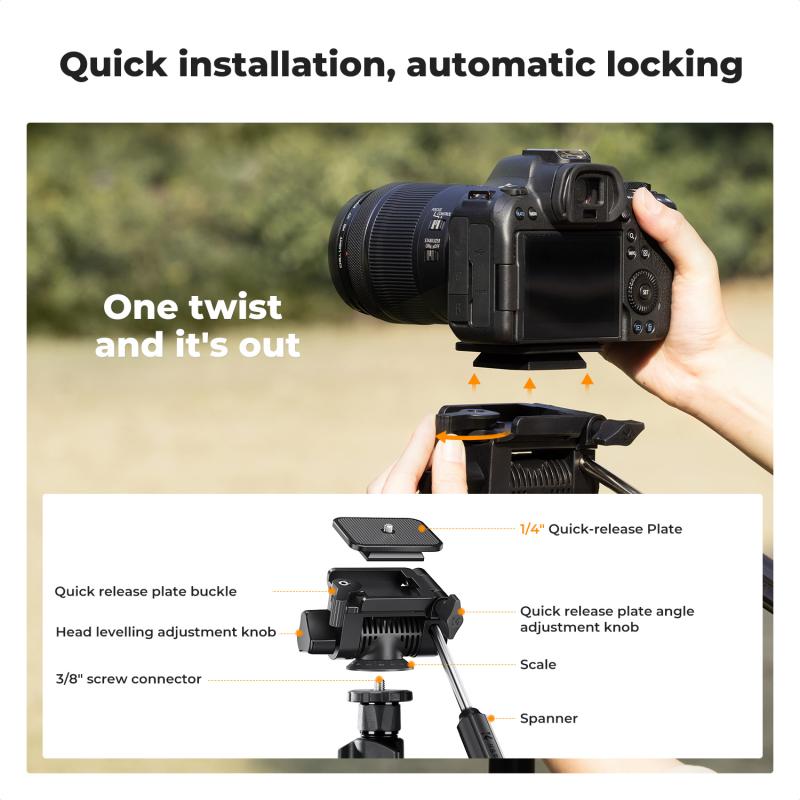
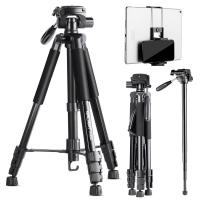
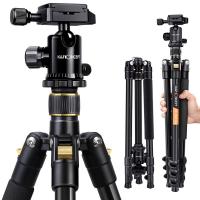
This is the go-to option for most photographers. A traditional tripod has adjustable legs, a center column, and a head (where the camera is mounted). They’re ideal for studio photography, landscapes, and any situation requiring precise camera positioning.
Best For: General photography, landscapes, portraits.
Pros: Stable, versatile, can handle heavy gear.
Cons: Typically bulky, not great for travel.
2. Travel Tripod
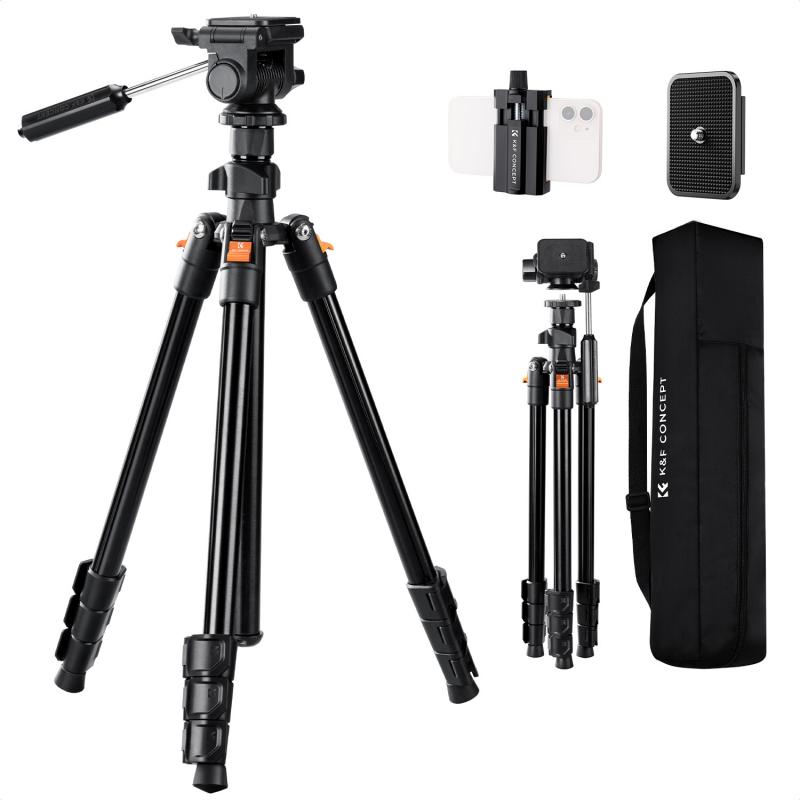
Travel tripods are designed to be ultra-portable. They are lightweight, compact, and can fold down small enough to fit into backpacks or luggage. While they may sacrifice some stability for portability, they’re invaluable for photographers on the move.
Best For: Hiking, sightseeing, urban exploration.
Pros: Portable, lightweight, perfect for travel.
Cons: May struggle to support heavier equipment.
3. Mini Tripod
Mini tripods are small, often fitting into the palm of your hand. They are great for tabletop setups, vlogging, or supporting lightweight cameras and phones.
Best For: Smartphones, compact cameras, tabletop photography.
Pros: Super portable, affordable, easy to use.
Cons: Limited height and stability.
4. Monopod
Though technically not a tripod, monopods are single-legged supports that can stabilize your camera for certain types of photography. They are especially popular among sports or wildlife photographers.
Best For: Action and wildlife photography.
Pros: Extremely portable, quick to set up.
Cons: Doesn’t offer full stability like a tripod.
5. Professional/Studio Tripods
For filmmakers and high-end photographers, studio tripods are built to handle the heaviest equipment and offer unparalleled stability. They often come with specialized heads, like fluid video heads, for smooth pan and tilt movements.
Best For: Video production, high-end photography.
Pros: High stability and customizability for larger setups.
Cons: Heavy, expensive, and cumbersome to move.
Important Factors to Consider When Buying a Tripod
1. Build Material
Tripods are constructed from various materials, with the most common being aluminum, carbon fiber, and plastic. Each comes with its own advantages:
Aluminum: Affordable and sturdy, though heavier than carbon fiber.
Carbon Fiber: Lightweight and durable but expensive.
Plastic: Lightweight and cheap but less stable and durable.
If you’re often traveling or hiking, the weight difference between aluminum and carbon fiber can significantly impact your decision.
2. Weight Capacity
Weight capacity is a critical consideration. To ensure stability, the tripod must comfortably support your camera and lens combined without wobbling or tipping over. Always choose a tripod with a weight capacity at least twice the weight of your heaviest equipment.
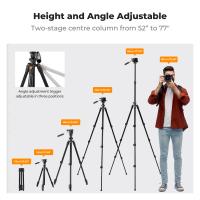
3. Height Range
Some tripods are built with taller or shorter maximum height ranges. It’s important to consider your personal requirements:
Tall Tripods: Essential for long exposures or when shooting without bending your own body.
Low Profile/Compact Tripods: Ideal for tabletop setups or extreme macro shots.
Always test to ensure that the tripod’s minimum and maximum heights align with your shooting needs.
4. Tripod Head Design
The tripod head is where your camera mounts, and it plays a significant role in versatility and ease of use. Common designs include:
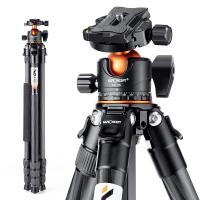
Ball Head: Offers flexibility and quick adjustments.
Pan/Tilt Head: Provides controlled movements, great for video.
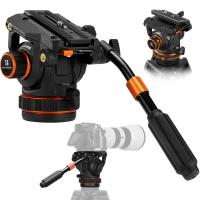
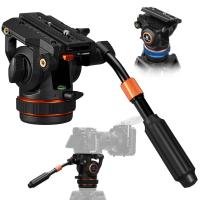
Fluid Head: Ideal for smooth panning during videography projects.
Pistol Grip Head: For ergonomic camera adjustments with one hand.
Some tripods allow interchangeable heads, giving you freedom to adapt based on your photography style.
5. Portability
Are you frequently on the move? A travel-friendly tripod should be lightweight, collapsible, and compact. Look for tripods with foldable legs, quick-release mechanisms, and carrying cases. However, keep in mind that portability often means compromising on height or stability.
6. Stability Features
For stable shots in all conditions, prioritize these features:
Rubber Feet: Provide grip on smooth surfaces.
Spiked Feet: Ideal for outdoor terrains.
Hook for Counterweight: Add extra stability by hanging a bag under the center column.
7. Locking Mechanisms
The leg locking system determines how easy and secure it is to extend and collapse the tripod legs. There are primarily three types:
Flip Locks: Fast to set up but can wear out over time.
Twist Locks: Sleek and durable but slower to adjust.
Pull Tabs: Found on high-end tripods; offer precision locking.
Budget Considerations
Tripods are available at a wide range of price points—from basic models under $20 to premium models that cost hundreds of dollars. Determine the maximum budget you're willing to spend, and seek out options that balance durability with your economic constraints.
Budget Breakdown:
Entry-Level Tripods (Under $100): Great for casual users and hobbyists with lightweight setups.
Mid-Range Tripods ($100–$300): A solid choice for enthusiasts using DSLR or mirrorless cameras.
High-End Tripods ($300+): Ideal for professionals with heavy equipment and unique requirements.
Recommended Brands
Some manufacturers specialize in producing high-quality tripods that cater to different needs. Here are some brands to consider:
Manfrotto: Renowned for durable, professional-grade tripods.
Gitzo: Premium brand known for lightweight carbon tripods.
Vanguard: Good mid-range options for versatile usage.
Joby: Famous for its flexible GorillaPod series.
Benro: Offers affordable yet robust designs.
Neewer: Popular for beginner-friendly budget tripods.
Peak Design: Innovative travel tripods with compact designs.
The Best Tripod for Your Needs
Finally, here are our top suggestions for different use cases:
1. Best for Travel: Peak Design Travel Tripod – Compact and lightweight without compromising strength.
2. Best for Studio Photography: Manfrotto 190 Series – High stability and interchangeable heads.
3. Best for Beginners: Joby GorillaPod – Budget-friendly and perfect for smartphones or compact cameras.
4. Best for Video Production: Benro S8Pro Aluminum Video Tripod – Equipped with a fluid head for smooth panning.
5. Best All-Around: Manfrotto Befree Advanced – A versatile option for photographers needing both portability and performance.
Final Words
To choose the right tripod, there