What Does Tripod?
Understanding Tripods: A Comprehensive Guide to Their Use and Functionality
For photography and videography enthusiasts, a tripod is one of the most crucial tools in your arsenal. Whether you are an amateur content creator or a seasoned professional, tripods play a key role in achieving stability, precision, and versatility during your shoots. But what exactly does a tripod do, and why has it maintained its importance for decades? Let’s delve into the details of its functionality, variations, and practical applications.
What Is a Tripod?
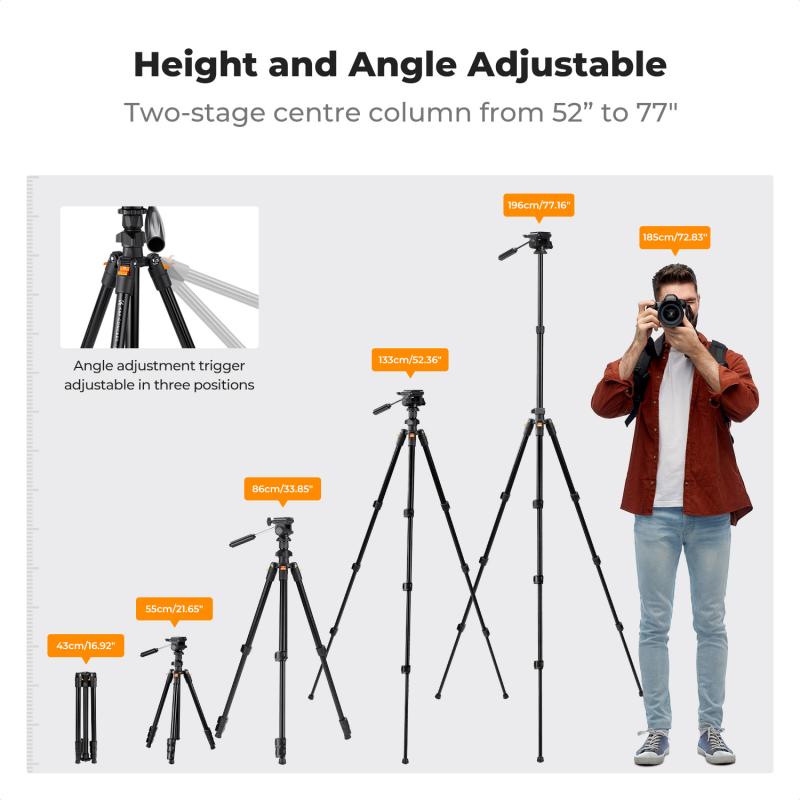
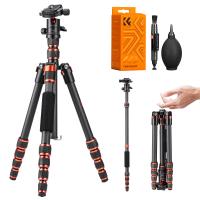
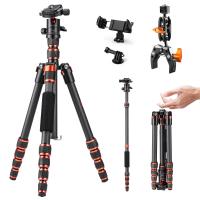
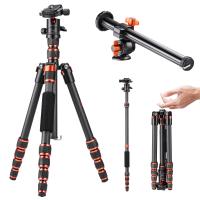
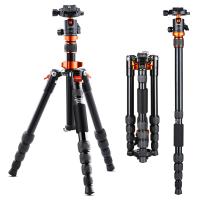
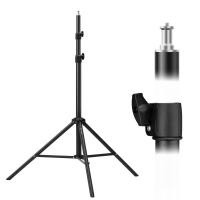
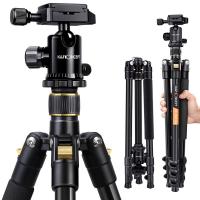
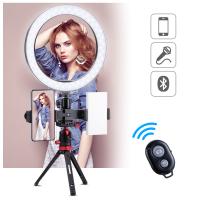
At its most basic level, a tripod is a three-legged stand designed to provide stability, typically for objects such as cameras, smartphones, binoculars, or even telescopes. Its primary purpose is to keep the mounted device stationary, reducing shakiness and ensuring clarity in your shots. Tripods are adjustable, allowing users to modify the height and angle of their equipment as needed.
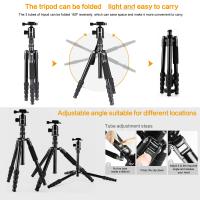
The design of a tripod is inherently stable due to the triangular configuration of its legs. This layout ensures equal distribution of weight, making the setup less likely to topple. Tripods are often portable, with collapsible or extendable legs that enable easy transportation. They’re commonly made from lightweight but durable materials such as carbon fiber or aluminum.
The Core Functions of Tripods
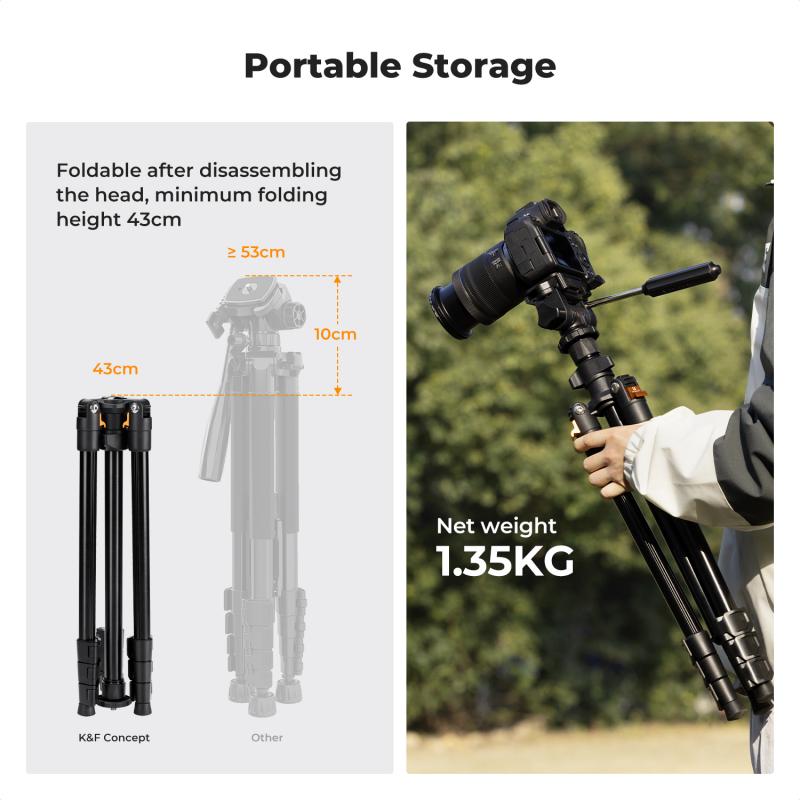
To understand the importance of a tripod, we need to explore its primary functions:
1. Stabilization:
The most significant benefit of using a tripod is the enhanced stability it provides. This is especially important during long exposure photography, where even the slightest movement can result in blurry or distorted images. Whether you're capturing the perfect night-time cityscape or working in low light, a stable tripod ensures crisp, professional-quality results.
2. Precision Framing:
A tripod offers greater control over the framing and composition of your shots. By locking your camera in place, you can adjust the angle and ensure that everything stays aligned. If you’re aiming to capture images with consistent framing—such as time-lapse photography—tripods are indispensable.
3. Extended Shooting:
Tripods allow for prolonged shooting sessions without straining your arms or body. Whether you're filming a documentary, monitoring wildlife, or recording a long event, a tripod lets the equipment take the weight, reducing fatigue and enabling uninterrupted focus.
4. Versatility:
Many tripods come with ball heads or pan heads that swivel and tilt in various directions. This adaptability allows creators to explore complex angles, adjust camera positions with precision, and experiment with creative photography styles.
5. Support for Accessories:
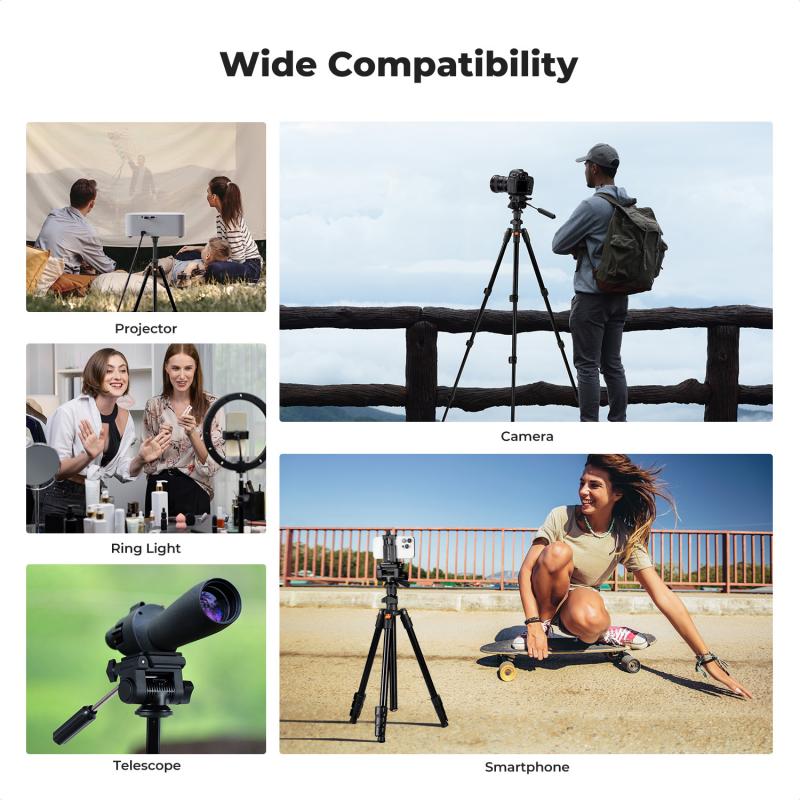
Apart from cameras and smartphones, tripods can also support accessories like external flashes, reflectors, sliders, and microphone setups. This makes them highly versatile tools for multi-faceted photo and video projects.
When Do You Need a Tripod?
While tripods are not always necessary for general handheld photography or casual snapping, there are specific situations where they become indispensable:
1. Low Light Settings:
Without sufficient lighting, longer exposure times are often required to achieve bright, clear photos. Tripods prevent hand movements during extended exposures, ensuring that every shot is sharp.
2. Night Sky Photography:
Astrophotography and star trails capture require hours of stillness. A tripod ensures perfect stability for extremely long exposure times, producing stunning images of the moon, stars, or Milky Way.
3. Macro Photography:
When capturing highly detailed images, even the smallest camera shake is magnified. Tripods keep your gear perfectly stable to achieve clean, sharp photographs.
4. Portraits & Group Photos:
Tripods are helpful for precisely situating cameras in scenarios where you want perfectly framed compositions or need to use a timer.
5. Time-Lapse Videography:
Over extended periods, time-lapse videos require absolute consistency in framing. Tripods ensure that your camera stays immobile while the video records changes in motion over time.
6. Vlogging & Streaming:
Many vloggers rely on tripods to properly set their filming equipment for steady, hands-free production.
7. Sport Photography or Action Shots:
Sometimes, capturing high-speed action shots requires a stable base to reduce blur caused by the motion of athletes, animals, or vehicles.
Types of Tripods and Choosing the Right One
Not all tripods are created equal—and that’s a good thing! Each type serves distinct needs and suits different shooting styles. Here are some common tripod varieties:
1. Traditional Tripods:
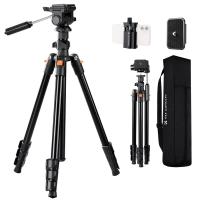
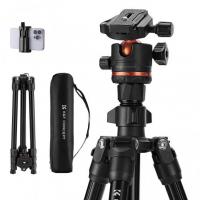
These are the most common type of tripod used by photographers. They allow for height adjustments and often come with interchangeable heads for different shooting needs.
2. Mini Tripods:
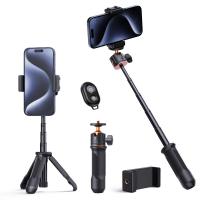
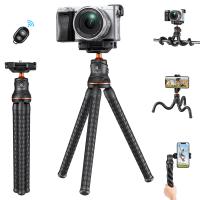
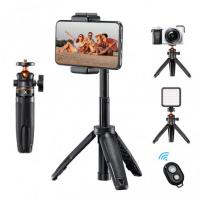
Compact and lightweight, mini tripods are excellent for travel and handheld devices like smartphones or smaller cameras. They are ideal for casual photography or on-the-go setups.
3. Travel Tripods:
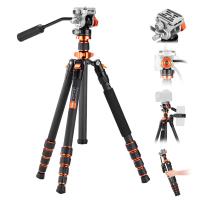
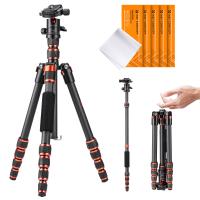
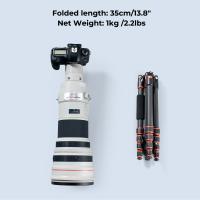
Travel tripods are designed to be lightweight and portable, often collapsing to fit inside a backpack. These tripods sacrifice height for convenience, making them ideal for outdoor or adventure photography.
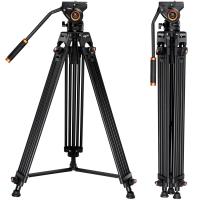
4. Video Tripods:
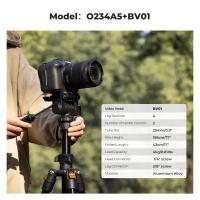
These specialized tripods focus on smooth panning and tilting for videography. They often have heavier constructions to support larger cameras.
5. Joby Gorillapods:
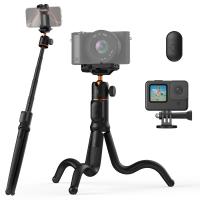
Gorillapods are flexible tripods with bendable legs that can wrap around various surfaces such as poles, rails, or branches, offering creative mounting options for cameras.
6. Monopods:
While not technically a tripod (they have just one leg), monopods provide partial stabilization and are easier to maneuver in active filming environments.
Tips for Using Your Tripod Effectively
Here are some practical tips to make the most out of your tripod setup:
1. Choose the Right Location: Ensure your tripod is set up on a flat and stable surface. Uneven terrain can cause your equipment to tilt, especially in windy conditions.
2. Adjust the Legs Properly: When using extendable tripods, open the thickest sections of the tripod legs first. This provides more stability than relying on thinner sections.
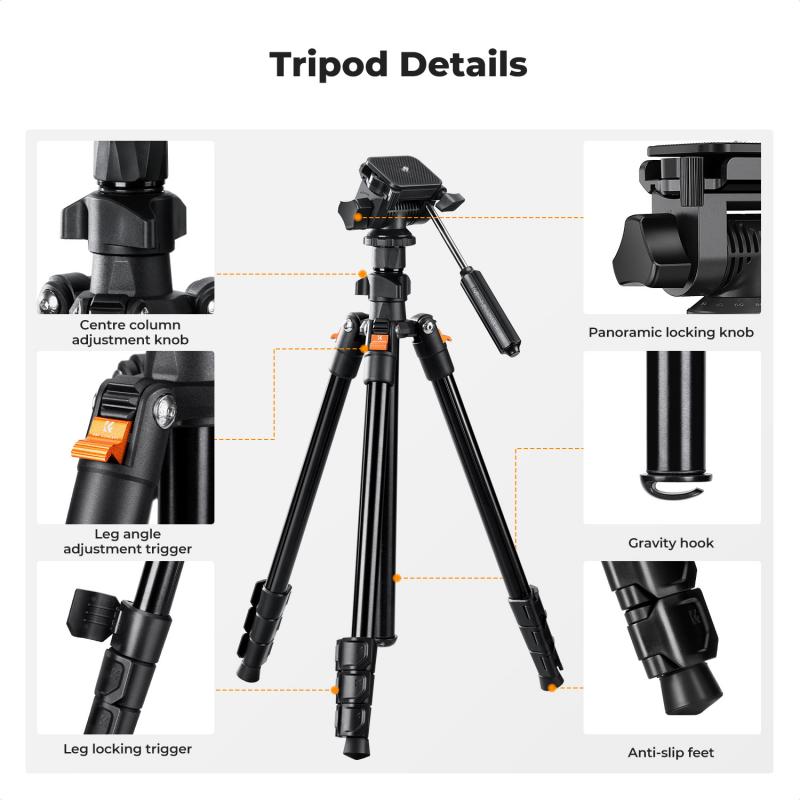
3. Use the Center Column Sparingly: Many tripods have extendable center columns for added height. While convenient, using the center column at full height introduces instability—try to rely on leg extensions whenever possible.
4. Weight Your Tripod: Hanging a weight (such as a sandbag or camera bag) from the tripod’s center column hook can improve stability, especially in breezy environments.
5. Lock Your Camera Securely: Ensure your camera or device is fastened properly to avoid accidents. A loose mounting point can lead to expensive damage.
6. Be Mindful of Movement: Avoid touching the tripod while capturing images, as this can introduce vibrations that compromise the photo quality.
7. Tilt Carefully: When adjusting angles, use the head attachment carefully to preserve balance and avoid abrupt movements.
Alternatives to Tripods
While tripods are highly effective stability tools, there are situations where alternative methods may work better, depending on your budget, portability needs, or creative approach.
1. Handheld Stabilizers: Devices such as gimbals are popular among videographers for their compact, motorized setups that stabilize footage on the move.
2. Monopods: As mentioned earlier, monopods are helpful for providing partial stability in active shooting situations, such as a sports event or wildlife photography.
3. Camera Beanbags: These highly portable beanbags provide support for stationary shots while traveling.
4. Impromptu Supports: In a pinch, you can stabilize your camera using objects such as tables, fences, or rocks. While not as versatile as a tripod, these can be useful on the go.
Conclusion: Why Tripods Remain an Essential Tool
The humble tripod has earned its place as an indispensable tool for photographers and videographers across all skill levels. Its ability to provide stability, achieve precision framing, and unlock creative possibilities makes it a fundamental investment for anyone serious about capturing beautiful visuals.
Whether you’re diving into low-light photography, creating cinematic videos, or crafting striking compositions, a tripod serves as your reliable partner. By understanding the different types of tripods and how to use them effectively, you can elevate your creative potential to new heights.
So, the next time you find yourself struggling with unstable images or blurry shots, take a moment to consider whether a