How To Find A Good Digital Camera?
Finding a good digital camera can seem overwhelming given the plethora of options available on the market. However, with clear priorities and a structured approach, you can find the ideal camera that fits your photography needs. Whether you are a beginner, an enthusiast, or a professional photographer, understanding the key factors to consider will simplify your decision and ensure your investment is worthwhile. This article will guide you through the essential features, types of cameras, and practical advice to help you select a good digital camera that aligns with your requirements.
1. Evaluate Your Photography Needs

The first step in your search for a good digital camera is to clearly define how you intend to use it. Ask yourself:
What type of photography am I interested in? Are you shooting portraits, landscapes, sports, wildlife, or videos? Each type of photography requires specific camera features.
What is my skill level? Beginners may prefer lightweight, easy-to-use models, while advanced photographers might look for more manual controls and specific settings.
What is my budget? Digital cameras range from basic and affordable point-and-shoot options to high-end professional models. Knowing your budget upfront helps to narrow down your options.
Once you know your needs and constraints, you can begin exploring camera features that matter the most.
2. Understand the Different Types of Digital Cameras
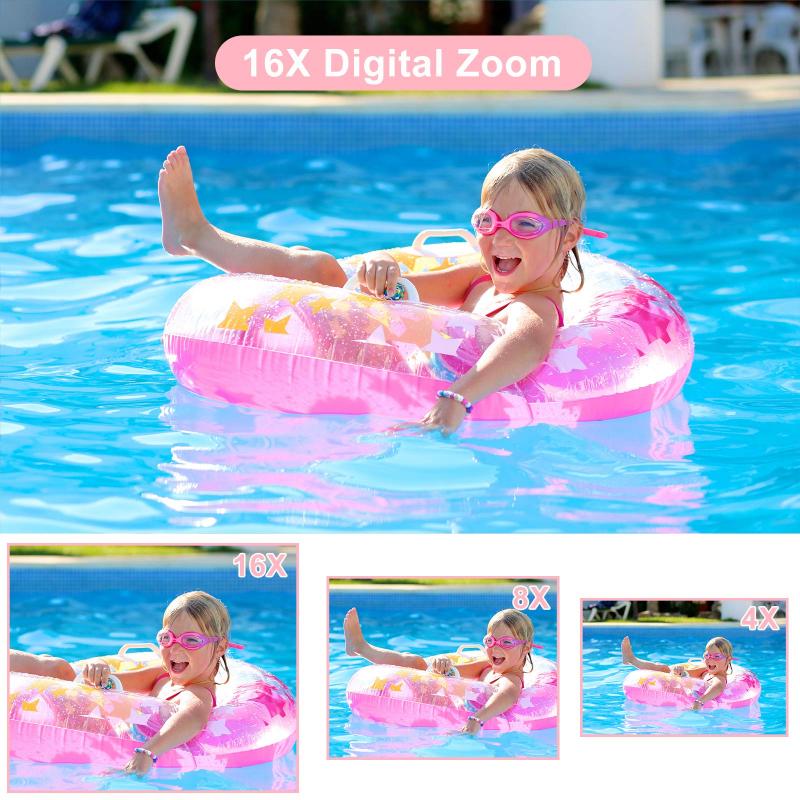
Digital cameras come in various types, each catering to particular photography styles:
Point-and-Shoot Cameras
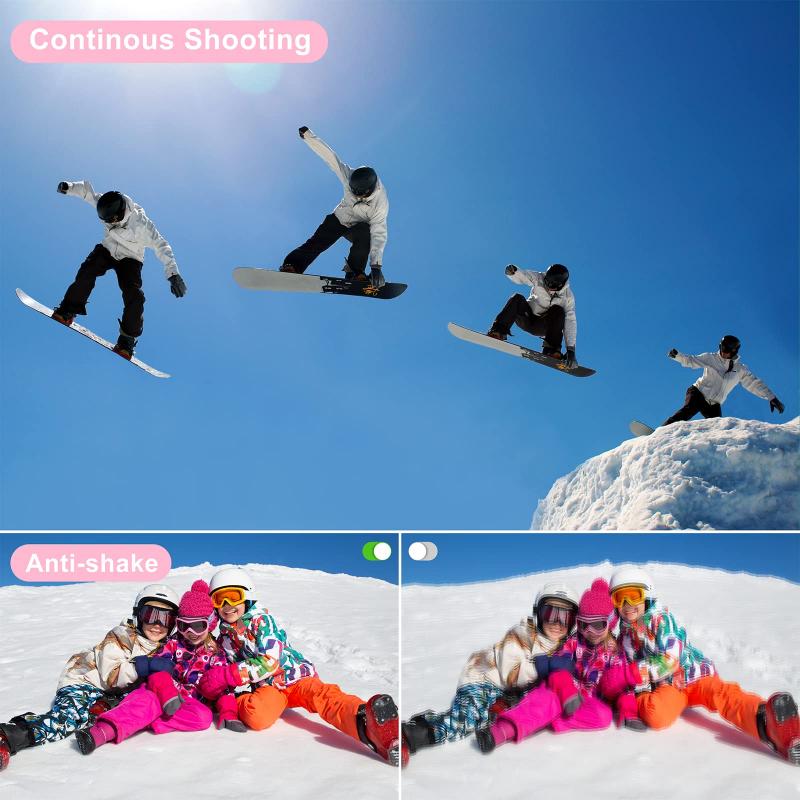
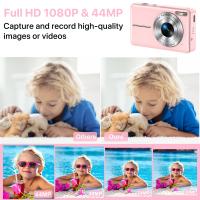
These compact cameras are user-friendly, portable, and affordable, making them ideal for casual photographers or travelers. They often have automatic settings for easy operation. However, their image quality and versatility are limited compared to advanced models.
Mirrorless Cameras

Mirrorless cameras combine compact design with advanced features. They are lighter than DSLR cameras while providing high-quality images and interchangeable lenses. With fast autofocus and superior video capabilities, mirrorless cameras are great for hybrid shooters who do both photography and videography.
DSLR Cameras
DSLRs are popular among intermediate and professional photographers. They offer excellent image quality, interchangeable lenses, and robust manual controls. Although heavier and slightly bulkier, their versatility and reliability often make them a favorite for serious photography.
Action Cameras
If you’re looking for something rugged and portable for adventure sports or travel, action cameras like the GoPro are great choices. These cameras are designed for durability and can shoot high-quality video in challenging environments.
Bridge Cameras
Bridge cameras are hybrids between point-and-shoot and DSLR cameras. They often offer a powerful zoom range and manual controls but have fixed lenses. These cameras are suitable for budget-conscious photographers who still want some level of control over their shots.
Smartphone Cameras
Modern smartphones often feature high-resolution cameras with intelligent software, making them a convenient option for casual photography. However, they typically lack advanced features and manual customization options.
3. Key Features to Consider
When shopping for a digital camera, it’s essential to understand what features matter most based on your usage:
Image Quality (Sensor Size)
The size of the sensor is one of the most critical factors that affect image quality. Cameras with larger sensors produce better photos, especially in low light conditions. Full-frame sensors (35mm) are the largest in mainstream cameras and offer excellent clarity but tend to be expensive. APS-C sensors and Micro Four Thirds sensors strike a good balance between cost, size, and performance.
Resolution (Megapixels)
Contrary to popular belief, higher megapixels don’t always mean better images. For most users, a camera with 20–24 megapixels is sufficient for capturing sharp photos and even printing them. Extremely high-resolution cameras are more beneficial for professional photographers who work in detailed editing or large-scale displays.
Lens Options
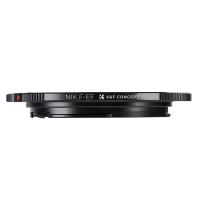
The lens plays a huge role in the outcome of your photos. Interchangeable lenses allow flexibility, enabling photographers to choose different lenses for various needs, such as macro, wide-angle, or telephoto photography.
Low-Light Performance
If you’re planning to shoot in dim conditions, prioritize cameras with good low-light performance. Look for a wide ISO range and larger sensors for better results.
Autofocus System
A fast and accurate autofocus system is essential, particularly for capturing subjects in motion, such as during wildlife, sports, or street photography.
Image Stabilization
Image stabilization reduces the likelihood of blurry photos due to camera shake, especially useful for handheld shooting or video recording.
Video Capabilities
If you plan on shooting videos, check for 4K video recording, a high number of frames per second (FPS), and good audio options. Some cameras also include features like slow motion or external microphone ports.
Battery Life
Battery life varies significantly across camera models. DSLRs generally have longer-lasting batteries than mirrorless cameras, which drain faster because of their electronic viewfinders and screens.
Connectivity
Modern cameras offer wireless features like Wi-Fi, Bluetooth, and NFC. These allow you to transfer photos to your devices easily or control your camera remotely from a smartphone.
Ease of Use
For beginners, ease of navigation in the camera’s menu system should be a priority. Advanced models may offer more manual controls, but they also have steeper learning curves.
4. Practical Tips for Choosing a Digital Camera
Here are a few practical tips that can help you make a confident decision:
1. Test the Camera in Person
Whenever possible, visit a store and try out the cameras in person. Check how the camera feels in your hands, whether the controls are intuitive, and pay attention to weight and ergonomics.
2. Read Online Reviews
Look for reviews from trusted sources and comparisons between camera models. Websites like DPReview and YouTube channels dedicated to photography often provide comprehensive evaluations. Consider the opinions of everyday users as well.
3. Consider the Overall System
If you’re considering a DSLR or mirrorless camera, think about the ecosystem provided by the manufacturer. Is there a wide range of lenses available? Are accessories compatible with future upgrades? Brands like Canon, Nikon, and Sony have extensive lens options.
4. Don’t Overpay for Features You Don’t Need
High-end cameras can be tempting, but if you don’t plan to utilize advanced features, you might be paying for unnecessary functionality. Focus on cameras that meet your current needs as well as foreseeable future ones.
5. Buy from Trusted Retailers
Purchasing from reputable stores—whether online or brick-and-mortar—is essential to ensure product authenticity and access to warranties.
6. Set Aside Money for Accessories
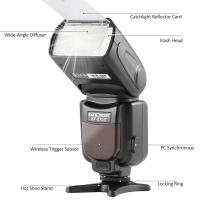
In addition to the camera, allocate budget for essential items like memory cards, camera bags, tripods, extra batteries, lenses, or external flashes.
5. Recommended Cameras for Beginners, Hobbyists, and Professionals
For Beginners
Canon EOS Rebel T7 (DSLR): A budget-friendly, user-friendly option with good image quality for those new to photography.
Sony ZV-1 (Compact/Mirrorless): Great for casual photography and vlogging.
For Hobbyists
Sony Alpha a6000 (Mirrorless): Compact, versatile, and with excellent performance for most enthusiasts.
Panasonic Lumix GX85 (Mirrorless): In-body stabilization and 4K video recording make it ideal for advanced amateurs.
For Professionals
Canon EOS R5 (Mirrorless): Exceptional image quality, 8K video support, and robust features for serious photographers.
Nikon D850 (DSLR): A workhorse for professionals with incredible resolution and dynamic range.
6. Frequently Asked Questions
Do I need a camera if my smartphone already has a good one?
Smartphones are excellent for casual photography, but they fall short in low-light conditions, zoom capabilities, and overall creative flexibility. Cameras that allow manual controls and interchangeable lenses provide endless possibilities that smartphone cameras cannot match.
Are mirrorless cameras better than DSLRs?
Both have their pros and cons. Mirrorless cameras are more compact and offer fast autofocus for video recording, while DSLRs typically have better battery life and an optical viewfinder. The choice depends on your preferences.
Should I buy a used digital camera?
Buying second-hand can be cost-effective, especially for higher-end models. Just make sure to verify the camera
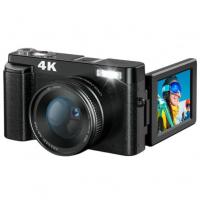
![4K Digital Camera for Photography & Video [Autofocus and Stabilisation] 48MP 16X Digital Zoom 3” 180° Flip Screen Vlog Camera with 32G SD Card, Flash](https://img.kentfaith.com/cache/catalog/products/us/GW41.0065/GW41.0065-1-200x200.jpg "4K Digital Camera for Photography & Video [Autofocus and Stabilisation] 48MP 16X Digital Zoom 3” 180° Flip Screen Vlog Camera with 32G SD Card, Flash")