What Does A Uv Camera Filter Do?
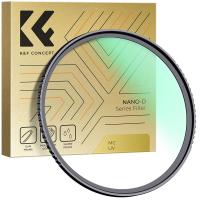
A UV camera filter is a small yet remarkably impactful tool used in the realm of photography to enhance image quality and protect camera lenses. Though its primary function may seem straightforward, the nuances of its usage can unlock a world of possibilities for photographers, both amateur and professional. If you've ever wondered what a UV camera filter does and whether you need one, this discussion will delve deeper into its purpose, benefits, and practical applications, offering clarity on why this seemingly simple accessory is an essential part of the photography toolkit.
Understanding the Function of a UV Camera Filter
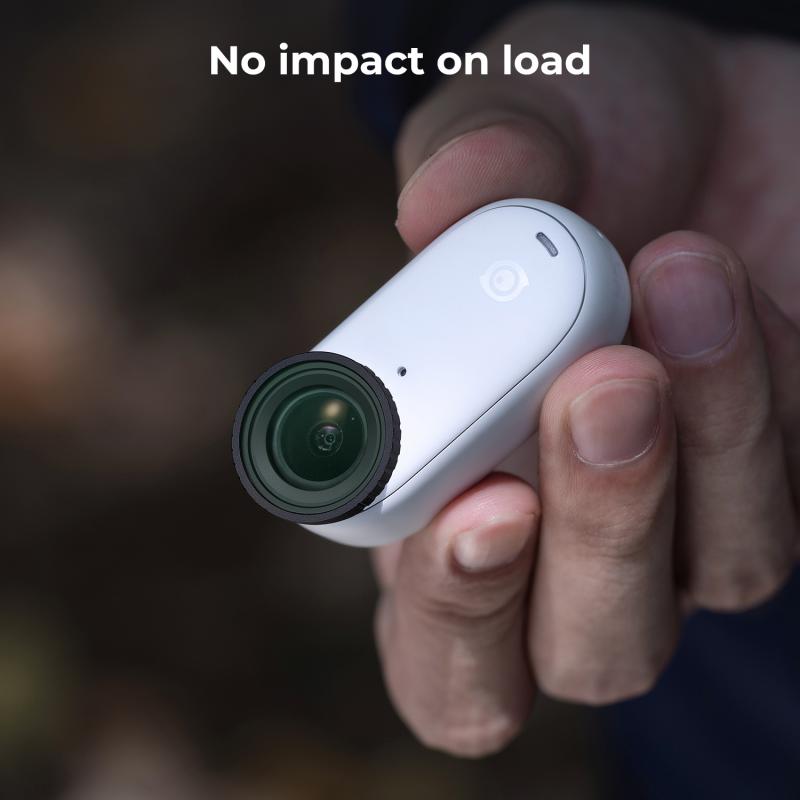
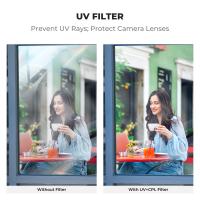
At its core, a UV camera filter serves two main purposes: reducing ultraviolet light and protecting the camera lens. Ultraviolet (UV) light is a type of electromagnetic radiation that is present in natural sunlight. While UV rays are invisible to the naked eye, they can sometimes contribute to undesirable effects in photography, especially under bright outdoor conditions. Older film cameras were particularly prone to capturing ultraviolet light, which resulted in a bluish haze in images and diminished sharpness. Modern digital cameras are less affected by UV light, as their sensors often have built-in filtration mechanisms. However, UV filters remain valuable for several other functions.
So, what does a UV filter actively do today? Its main advantages can be summarized as follows:
1. Protection Against UV Light: At its most fundamental level, a UV filter blocks ultraviolet rays. While digital cameras handle UV light better than film cameras, certain environments with excessive UV exposure—such as high altitudes, snow-covered landscapes, or tropical regions—can still lead to issues like reduced image clarity or unintended color distortion. A UV filter can mitigate these effects, ensuring that your photos are as vibrant and sharp as possible.
2. Lens Protection: Beyond managing UV light, one of the most practical uses for a UV camera filter is serving as a protective barrier for your lens. DSLR and mirrorless camera lenses are investments that can quickly become damaged if exposed to dust, fingerprints, scratches, or moisture. Installing a UV filter acts as a shield against physical damage, keeping your lens in pristine condition without compromising image quality. And should the filter get damaged, it’s much cheaper and easier to replace than the lens itself.
3. Reducing Haze in Landscape Photography: UV filters are particularly beneficial for outdoor photographers. Imagine standing on top of a scenic mountain and capturing the sweeping view, only for the final image to appear hazy or washed out. This haziness occurs due to atmospheric scattering of UV rays. A UV filter can cut through this haze, resulting in clearer and more visually impactful images.
4. Minimizing Light Flare and Reflections: A high-quality UV filter may reduce stray reflections or flares when photographing against the light or near highly reflective surfaces, like water or glass. While the reduction is typically subtle, it can make a noticeable difference in image quality in certain scenarios.
Advantages of Using UV Camera Filters
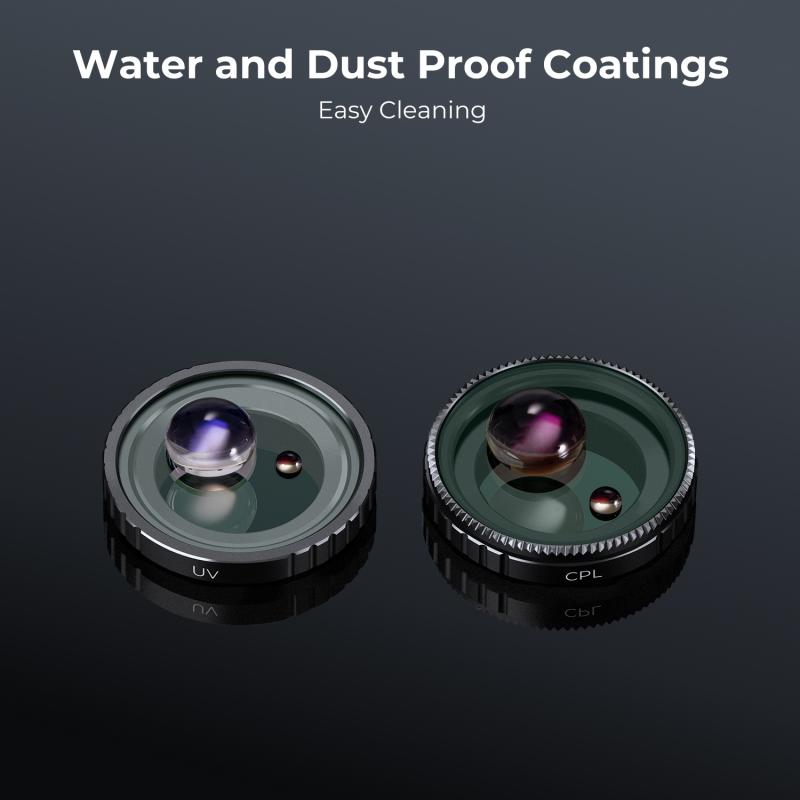
Adding a UV filter to your setup comes with several benefits that go beyond simply blocking ultraviolet light. Let’s explore the broader advantages that photographers gain from using UV filters:
1. Greater Durability and Longevity for Lenses: Lenses are often expensive, and any damage—be it scratches, smudges, or exposure to the elements—can impact their effectiveness. A UV filter acts as an inexpensive "insurance policy" for your lens, protecting it without interfering with image quality.
2. Convenience for Travel and Outdoor Shoots: Photographers who frequently shoot on location (whether hiking, traveling, or exploring cities) face greater exposure to external elements. A UV filter can absorb the brunt of this wear and tear and withstand accidental bumps, splashes, or debris exposure.
3. Ease of Cleaning: Cleaning delicate camera lenses requires specialized tools and a steady hand, as mishandling can result in scratches that negatively impact optical performance. Cleaning a UV filter, on the other hand, is simpler and less risky. Since filters are replaceable, photographers can clean them with greater confidence.
4. Preserving Image Quality: Many UV filters are designed to be optically neutral, meaning they don’t introduce unwanted color shifts or reduce image sharpness. This allows photographers to capture high-quality images without worrying about the filter interfering unnecessarily.
How Does a UV Filter Compare to Other Filters?
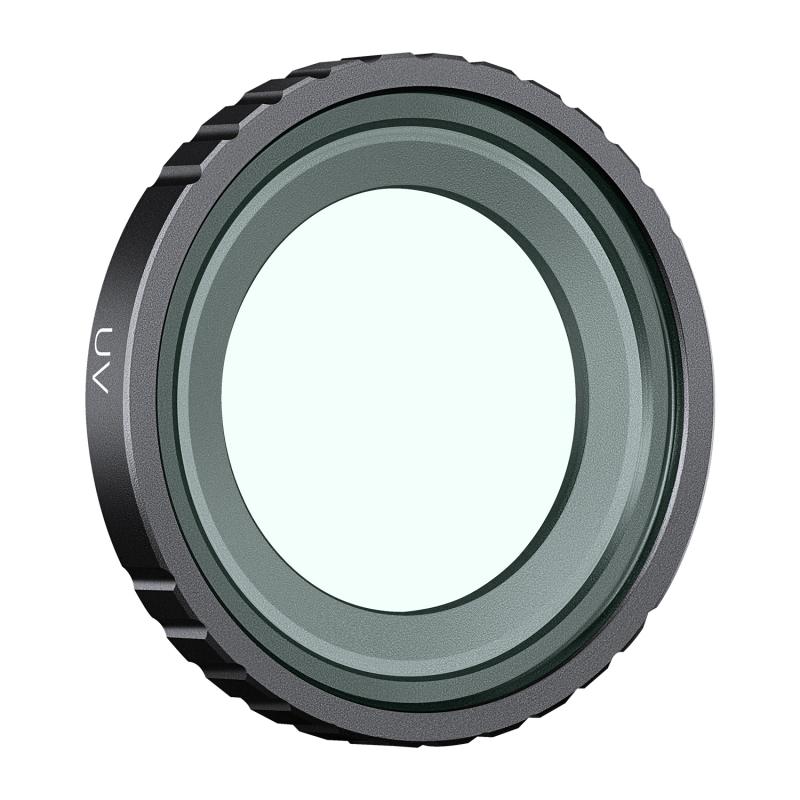
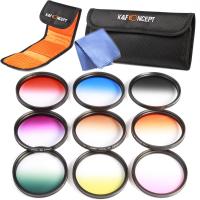
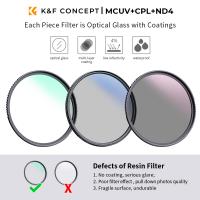
Beyond UV filters, photographers also commonly use polarizing filters and neutral density (ND) filters. So, it’s important to understand where UV filters fit in relation to these other options.
Polarizing Filters: Polarizing filters excel at reducing glare and reflections, enhancing color saturation, and adding depth to skies—particularly in landscape photography. These filters are designed specifically for artistic improvement, whereas UV filters primarily address optical clarity and lens protection. If you’re concerned about reflections on water or glass, polarizing filters might be a better choice.
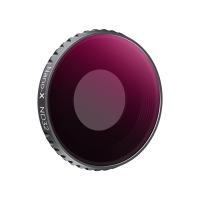
Neutral Density Filters: Unlike UV or polarizing filters, ND filters are used to control light intensity without affecting color or sharpness. They allow photographers to reduce the amount of light entering the camera sensor, enabling longer exposures without overexposing an image. UV filters aren’t designed for this purpose, so they won't help when you're aiming for effects like motion blur or capturing moving water with a silky texture.
Ultimately, each filter fulfills a distinct need, and choosing the right type will depend on the shooting environment and your artistic goals.
Do You Always Need a UV Filter?
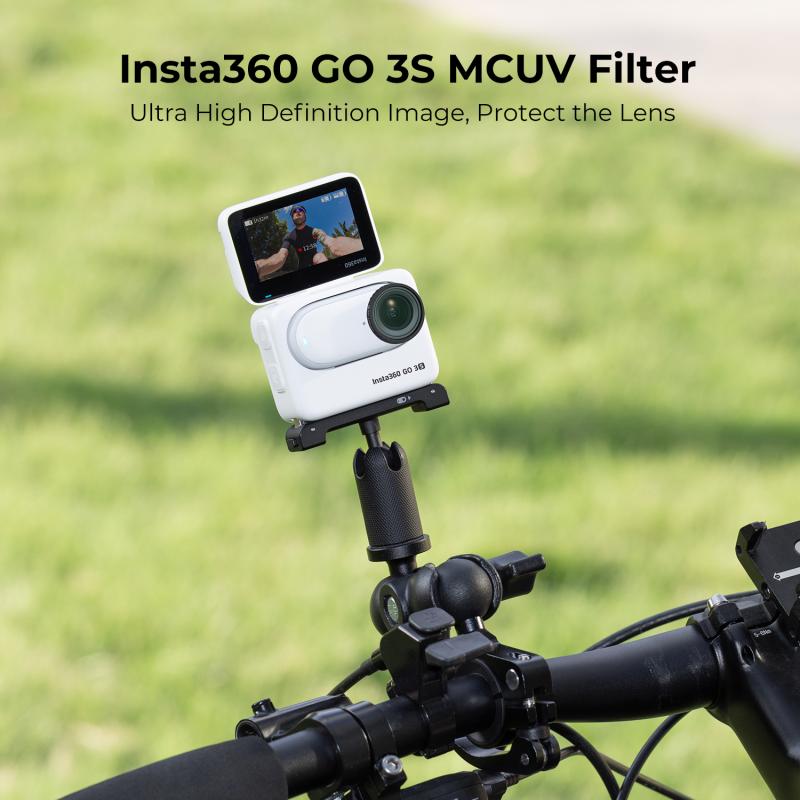
While UV filters have evident advantages, they aren’t mandatory for every photographer or situation. Whether you need a UV filter depends on your usage habits, the conditions in which you shoot, and the value you place on lens protection.
Situations That Call for a UV Filter:
- Shooting in high-altitude environments or snowy landscapes where UV exposure is particularly intense.
- Taking outdoor shots in hazy or humid conditions that can affect image sharpness.
- Traveling, hiking, or engaging in other activities where physical lens protection is essential.
Situations Where UV Filters May Be Less Necessary:
- Indoor or studio photography, where there’s minimal exposure to UV rays.
- When using a camera primarily for casual or hobbyist purposes, and lens protection is not a significant concern.
- If other filters (like polarizers or ND filters) are being used and stacked on the lens, as stacking too many filters can sometimes result in vignetting or reduced clarity.
Selecting the Right UV Filter
Not all UV filters are created equal, and quality matters when choosing one for your camera. Here are a few elements to consider when purchasing:
1. Material and Coating: Look for multi-coated UV filters made of high-quality glass, as these coatings minimize light reflection and improve optical performance. Cheaper filters may compromise the image by introducing unwanted flares or distortion.
2. Fit and Size: UV filters come in various sizes to match your lens diameter. Be sure to check your lens specifications before buying a filter.
3. Brand and Warranty: While UV filters aren’t as costly as lenses, investing in a reputable brand ensures durability, reliability, and high-quality results. Brands like Hoya, B+W, Tiffen, and Marumi make versatile UV filters trusted by photographers worldwide.
Conclusion: Is a UV Filter Worth It?
For professional photographers, hobbyists, and anyone who values their camera equipment, UV filters are a practical and affordable investment that delivers several benefits. Their role in reducing haze, improving clarity in outdoor conditions, and protecting valuable lenses makes them a versatile accessory for almost any photography setup. While the impact of UV filters on modern digital image performance may be minimal compared to their importance in film cameras, the protective advantages cannot be overstated—especially for photographers who shoot in challenging environments.
Ultimately, deciding whether to use a UV filter depends on your individual needs and preferences. For those who value lens protection, pursue outdoor photography, or seek to minimize atmospheric interference, UV filters are an indispensable tool. So the next time you're gearing up for a shoot, consider whether a UV filter might be the humble addition your camera kit needs to simplify your process and elevate your results.