How Big A Memory Card For Camera?
Choosing the Right Memory Card for Your Camera: A Comprehensive Guide
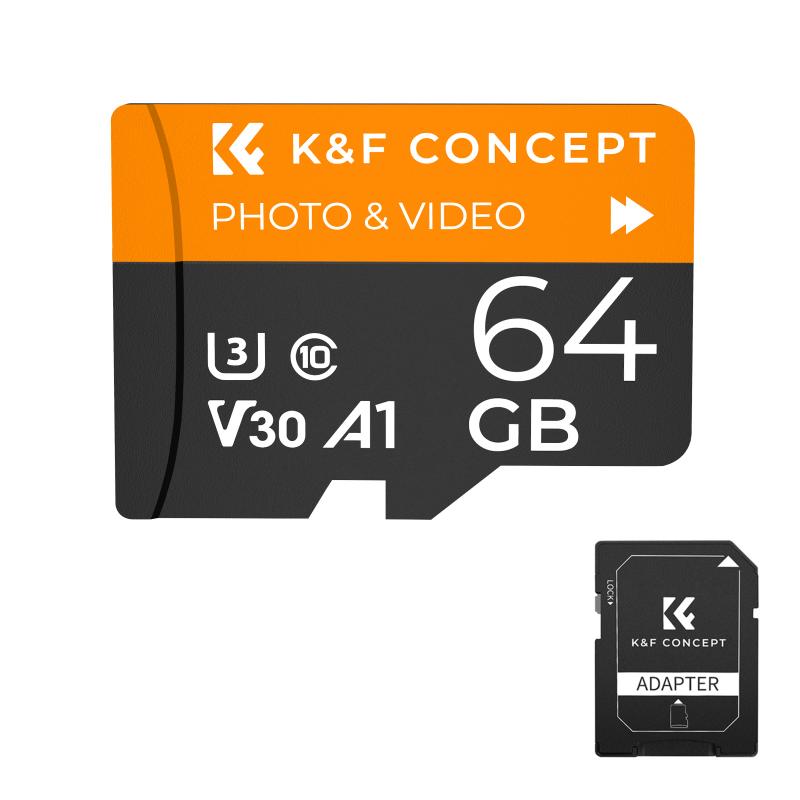
When it comes to purchasing a memory card for your camera, the options can be overwhelming. With various sizes, speed ratings, formats, and brands to choose from, it’s easy to feel lost. Every photographer—whether an amateur or a professional—knows the vital role a memory card plays in ensuring their camera performs optimally. This article will guide you through the decision-making process and help you choose the right memory card based on your specific needs.
Understanding the Basics of Memory Cards
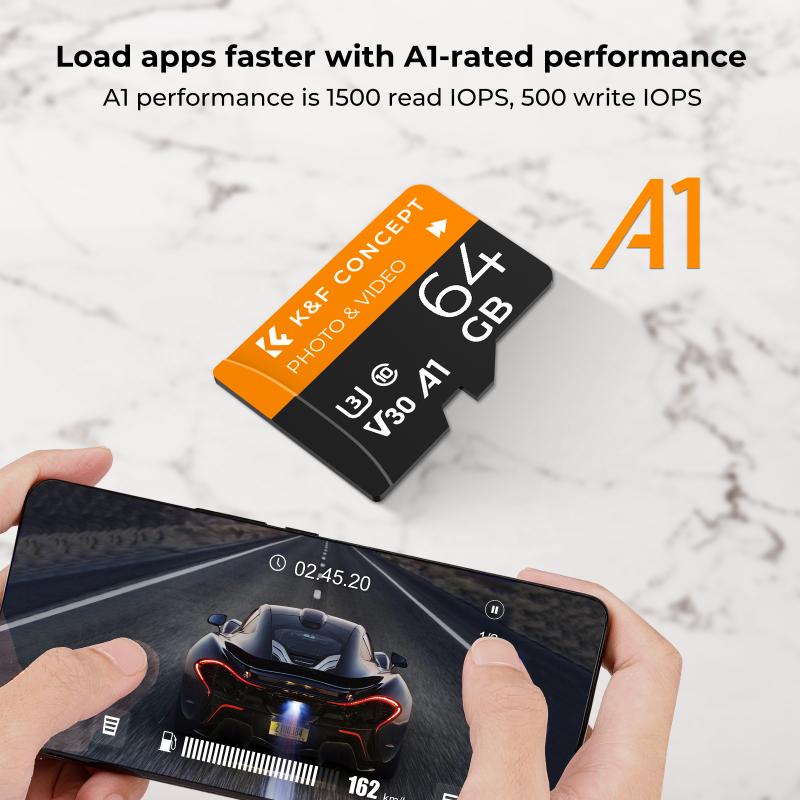
Before diving into how big of a memory card you need, it’s essential to understand what memory cards are and the different aspects to consider.
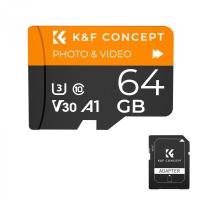
1. Storage Size: This is the most noticeable attribute of a memory card, and it determines how many photos and videos you can store on the card. Memory cards are available in sizes ranging from 16GB to 1TB or more.
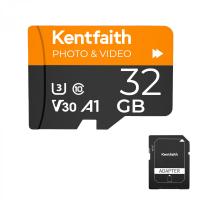
2. Speed Class: Not all memory cards are equal in terms of speed. Some cards are faster at writing and reading data than others. This is a crucial factor, especially if you’re shooting high-resolution photos or 4K videos.
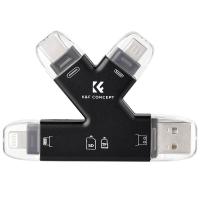
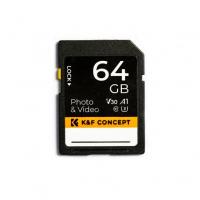
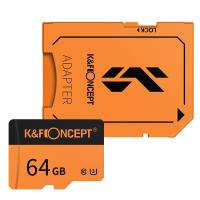
3. Format: Cameras typically use SD cards (Secure Digital cards) or microSD cards, depending on the device. There are also professional-grade cards like CFExpress and XQD used in higher-end cameras.
4. Card Brand and Quality: Memory card reliability also depends on the manufacturer. Well-known brands like SanDisk, Lexar, and Samsung are popular for their quality and durability.
Key Factors in Choosing Memory Card Size
To determine how big of a memory card you need, there are several factors to consider:
1. Resolution of Your Camera

The higher the resolution and megapixels of your camera, the larger the file size of each photo or video. For instance:
- A 12MP camera might create JPEG files of about 4-5MB per image or RAW files of 12-15MB.
- A 24MP camera can result in JPEGs of 10-15MB or RAW files up to 35MB.
- Cameras capable of shooting 4K or even 8K videos generate significantly larger file sizes, with videos potentially requiring tens of gigabytes for just a few minutes of footage.
Understanding your camera’s resolution will help you estimate storage needs.
2. Type of Content You Shoot
Consider what you primarily shoot:
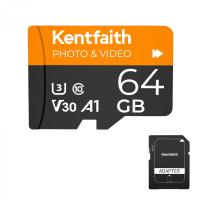
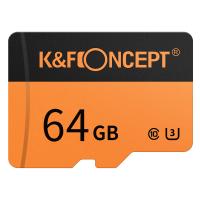
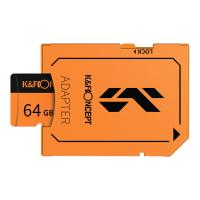
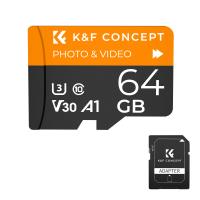
Casual Photography: For hobbyists taking family photos, a 32GB or 64GB memory card might suffice. This size allows for a few thousand high-quality images.
Professional Still Photography: Professionals shooting events like weddings or wildlife often need 128GB cards or larger due to the high number of RAW images captured.
Video Recording: If you’re recording 4K or 8K video, you’ll need at least 256GB or 512GB cards since video files consume massive amounts of storage.
Always factor in whether you take RAW photos, shoot in burst mode, or film high-definition videos.
3. Length of Your Shooting Sessions
Think about how long you’ll go before transferring files from your memory card to a computer or external storage device. If you often offload your photos or videos after a session, you might get by with a smaller card. Travel photographers or professionals capturing multi-day events, however, will benefit from larger capacity cards (or multiple cards).
4. Importance of Redundancy
Many photographers prefer carrying multiple smaller cards (e.g., 64GB or 128GB) instead of a single large card. Here’s why:
- If a memory card becomes corrupted or lost, only part of your work is at risk.
- There’s a higher level of flexibility in managing smaller cards across sessions.
Some cameras also feature dual card slots, allowing photos to be backed up directly to a second card as you shoot.
5. Budget
Memory cards range in price based on storage size and speed. Larger and faster cards are pricier, and your choice might depend on how much you’re willing to invest. However, it’s often better to spend more on reliability to avoid the heartbreak of losing precious data.
Optimal Memory Card Sizes for Specific Scenarios
Here’s a breakdown of common scenarios and recommended memory card sizes:
1. Basic Photography with a Smartphone or Entry-Level Camera:
- Ideal Memory Card Size: 32GB to 64GB
- Use Case: Occasional snapshots, casual trips, or photos for social media.
2. Intermediate Photography or Hobbyist Enthusiasts:
- Ideal Memory Card Size: 64GB to 128GB
- Use Case: Family vacations, personal projects, or amateur portfolio building.
3. Professional Still Photography:
- Ideal Memory Card Size: 128GB to 256GB
- Use Case: Events, portraits, or long-term shoots requiring RAW files.
4. Videography (Full HD or 4K Recording):
- Ideal Memory Card Size: 256GB to 512GB
- Use Case: Wedding videography, vlogging, or independent filmmaking.
5. High-Resolution Video Production (6K or 8K):
- Ideal Memory Card Size: 512GB to 1TB
- Use Case: High-end production, documentaries, or filmmaking involving heavy post-production.
Remember that settings like bitrate, frame rate, and file format (e.g., MP4, MOV) will also impact video file size.
Additional Tips and Best Practices
1. Don’t Rely on a Single Card:
While it might seem practical to buy one large card, it’s always smart to have multiple cards for backup. Memory card failure is rare but not impossible.
2. Use High-Speed Cards for Video:
If you’re shooting 4K or 8K video, check your camera’s requirements for card speed (UHS, V30, V60, or V90 ratings). Using a lower-speed card could lead to dropped frames or recording interruptions.
3. Keep Extra Cards Handy:
Always carry a spare memory card in case one fills up or malfunctions. This will prevent losing precious moments.
4. Match Your Card to Your Camera:
Refer to your camera's manual to see the maximum storage capacity and speed rating it supports. There’s no benefit in purchasing a 1TB or ultra-fast card if your camera can’t support it.
5. Care for Your Memory Card:
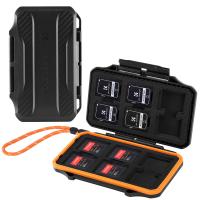
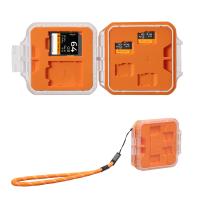
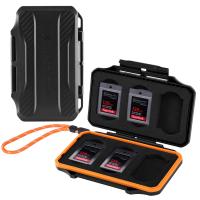
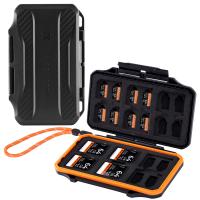
Eject and store cards properly to avoid data corruption. Keeping cards in a protective case can prolong their shelf life.
6. Invest in Trusted Brands:
Opt for memory cards from brands known for reliability and durability, such as SanDisk Extreme Pro, Lexar Professional, Samsung PRO, or Kingston Canvas.
Conclusion: Finding the Right Balance
The size of the memory card you should choose for your camera depends on your shooting habits, the type of photos or videos you capture, and your workflow. For most casual photographers, a 64GB or 128GB card will suffice. Professionals, event photographers, and videographers will need 256GB or more, and possibly multiple cards for redundancy and flexibility.
By understanding your camera’s storage needs, your typical workload, and your preferences for storage and backups, you can make an informed choice. A well-matched memory card ensures worry-free shooting, allowing you to focus on capturing the perfect shot.