How Much Does A Camera Memory Card Cost?
When it comes to purchasing a memory card for your camera, there’s no one-size-fits-all answer to the question of cost. Prices can vary widely depending on the brand, capacity, speed, compatibility, and advanced features. For many photographers and videographers, selecting the right memory card is just as important as choosing the camera itself, as it directly impacts your ability to store and manage your work.
In this article, we’ll discuss the primary factors that influence the cost of a memory card, the types of memory cards available in the market, and practical tips on how to select the best one for your needs. Whether you're a hobbyist or a professional, making the right investment in your equipment will make a significant difference in your workflow.
Memory Card Price Influencers
1. Capacity (Storage Size)
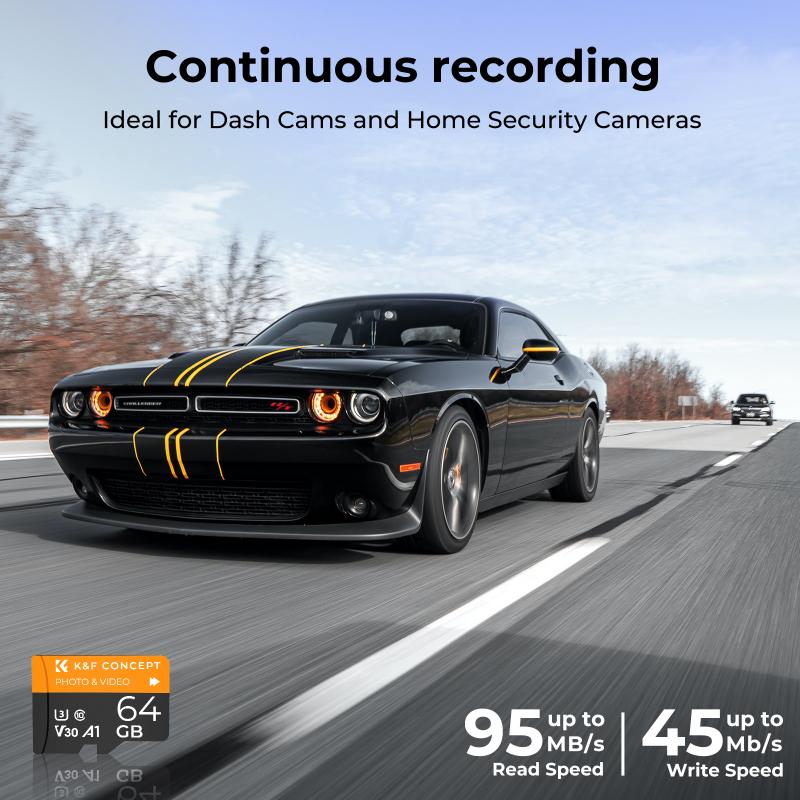
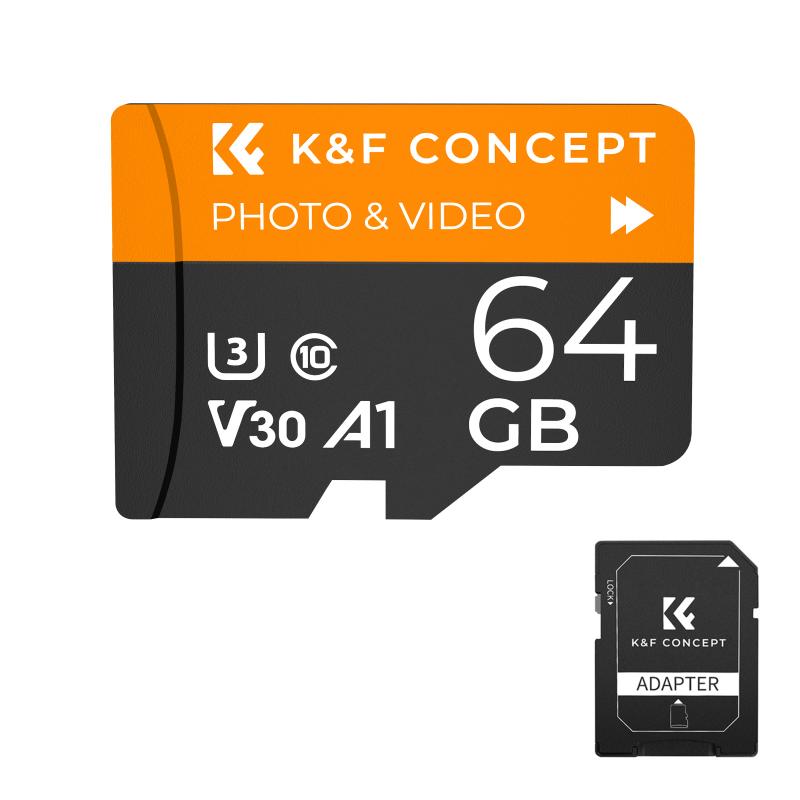
The memory card's capacity is one of the most obvious factors impacting its price. The higher the capacity, the more it can store, and thus, the more expensive it tends to be. Common capacities range from 16GB to 1TB or more, with options in-between like 32GB, 64GB, 128GB, and 512GB.
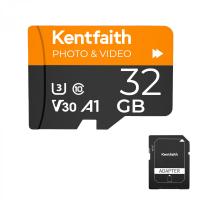
Inexpensive cards: Smaller capacity memory cards, such as 16GB or 32GB, are often priced under $15, making them an affordable option for casual photographers who don’t require much storage.
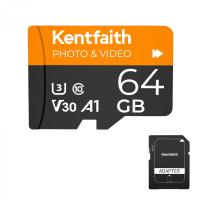
Mid-range cards: 64GB to 128GB cards range from $20 to $50 on average, catering well to hobbyists and intermediate users.
High-capacity cards: Larger cards, such as those with capacities of 256GB or above, may cost between $60 and $350 or more, depending on other factors like brand and speed. These are best for professionals working with RAW images or 4K/8K video recording.
2. Speed Class and Performance
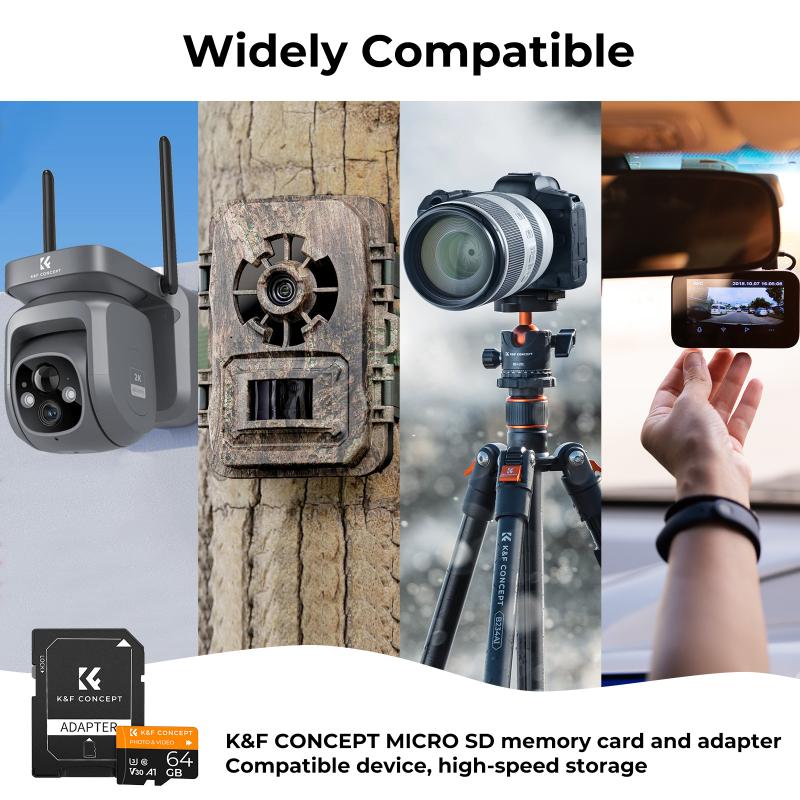
Speed is another major determinant of price, particularly for those working on high-speed burst photography or high-definition video recording. Memory cards come with different speed classifications, such as Class 10, UHS-I/UHS-II/UHS-III ratings, and V30/V60/V90 video ratings.
- A Class 10 or UHS-I card is generally sufficient for still photography and Full HD video, and is usually relatively affordable (e.g., $15 to $40 for a 64GB model).
- High-speed cards such as UHS-II or UHS-III, designed for faster data transfer rates (e.g., 300MB/s or more), are suitable for professionals. These can cost up to $500 for higher capacities.
- If you're recording in 4K or 8K (especially with a high frame rate), you'll want a video-rated card like those with a V60 or V90 rating, often priced at $100 or more for 128GB.
3. Brand and Build Quality

Major brands like SanDisk, Lexar, Sony, and Samsung dominate the market, with established reputations for reliability and durability. These brands often charge a premium compared to lesser-known manufacturers, which, though cheaper, may not offer the same level of quality.
Premium memory cards from trusted brands may include additional features like:
- Error correction technology
- Water, dust, and shock resistance
- Extended warranty periods
While buying from a reputable brand may cost more upfront, it can save money long-term by preventing data loss or hardware failure.
4. Compatibility with Camera Type
The type of memory card your camera uses will also affect its price. The three main types of memory cards are:
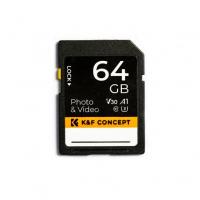
1. SD Cards (Secure Digital): The most common format, used in DSLRs, mirrorless cameras, and compact cameras. The prices vary widely depending on capacity and speed but tend to be affordable.
2. CFexpress Cards: These are more expensive and are primarily used in professional equipment requiring fast transfer rates to handle massive data from high-resolution cameras.
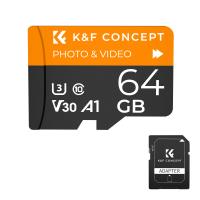
3. MicroSD Cards: Smaller in size, these can be compatible with cameras using an adapter. They are often cheaper than standard SD cards and are versatile enough to be used in other devices like smartphones, drones, or tablets. Prices for MicroSD cards follow a similar trend as SD cards.
5. Market Trends and Seasonal Discounts
Memory card prices can fluctuate depending on global semiconductor supply and demand, competition among manufacturers, and periodic sales events like Black Friday, Cyber Monday, or holiday promotions. For instance:
- Entry-level memory cards can drop as low as $10 during sales.
- Mid-range and high-end cards can see significant discounts of 10% to 30% during promotional periods.
How to Choose the Best Memory Card for Your Camera
Making an informed decision means balancing performance, price, and practicality. Here’s a step-by-step guide to help you:
1. Understand Your Camera’s Requirements
Check your camera's manual to determine the type of memory card it supports (e.g., SD, MicroSD, or CFexpress) and the maximum speed it can handle. Purchasing a card that exceeds the camera's capabilities may result in paying extra for features you won’t utilize.
For example:
- A consumer DSLR that records Full HD video doesn’t need a high-speed V90-rated memory card. A basic UHS-I Class 10 card would suffice.
- A 4K video shooter, on the other hand, needs at least a UHS-III or Video Speed Class V60/V90-capable card for seamless operation.
2. Evaluate Your Storage Needs
Think about the types of files you’ll be storing. RAW files and 4K video require significantly more space than JPEGs or Full HD video. Professionals working with intensive workflows may opt for higher capacity cards (256GB and above), while casual photographers may find a 64GB or 128GB card sufficient.
3. Consider Speed
If your work involves burst shooting or HD video capture, prioritize speed. For casual use, slower cards will suffice and save you money. Always keep the intended purpose in mind.
4. Check for Value Adds
Look for features like durability (water-resistance, shockproof technology), reliability (data recovery software), warranties, and other extras offered by top-tier brands. These may slightly increase costs but add long-term value.
5. Set a Realistic Budget
Base your budget on the priority that memory card performance and reliability hold in your work. While hobbyists can save money with lower-end options, professionals should see their memory card as an investment in quality and security.
When to Save and When to Splurge
Save: If you’re a casual or beginner photographer who works with JPEG images and doesn’t plan to shoot video or high-resolution files, an entry-to-mid-level Class 10 UHS-I SD card will suffice. You can find excellent options in the $15 to $40 range.
Splurge: Professionals recording 4K or 8K videos, shooting long bursts of RAW images, or dealing with large file sizes should invest in high-speed, high-capacity cards like UHS-II, UHS-III, or CFexpress cards. Expect to spend at least $100 to $400 on a reliable card fit for such demands.
How much a memory card for a camera costs depends largely on your specific needs, the capacities and speeds available, and your preferred brand. For casual users, spending as little as $15 to $50 can secure a reliable mid-range memory card that meets day-to-day demands. For professionals, investing in higher-capacity, higher-speed options can cost hundreds of dollars but will ensure your work is stored securely and without compromise.
By understanding your requirements and evaluating memory cards based on key factors like capacity, speed, and brand reputation, you can make an informed purchase. Always keep in mind that while it’s tempting to cut costs, reliability and performance are critical, especially for those who rely on their memory cards for professional work.