How To Find A Camera In Your Home?
How to Effectively Find a Hidden Camera in Your Home

In today’s privacy-conscious age, the increasing accessibility of surveillance technology has generated widespread concern about hidden cameras, especially in private spaces. Whether you suspect someone has installed a hidden camera in your home or you’re just taking a precautionary measure, finding and identifying these devices can be challenging without proper knowledge. This article will guide you through pragmatic steps to locate potential hidden cameras inside your home, ensuring your privacy remains intact.
Why Would There Be Hidden Cameras in My Home?

Hidden cameras in a home might primarily be installed for legitimate reasons. For instance, homeowners sometimes install covert cameras to monitor activity in specific areas, enhance security, or oversee caretakers, babysitters, or other service providers. However, in unfortunate cases, such devices might be installed maliciously to invade privacy without your consent. If you suspect the latter, it’s vital to act promptly and conduct a thorough sweep of your home.
Step-by-Step Approach to Finding Hidden Cameras
1. Understand Where Cameras Are Likely to Be Hidden

Hidden cameras are typically placed in areas where they can capture valuable footage while remaining inconspicuous. Common locations include:
Living rooms: In objects like plants, books, or picture frames that blend in naturally.
Bedrooms: Embedded in bedside alarm clocks, wall outlets, or decorations.
Bathrooms: Discreetly placed in objects like exhaust fans, toiletries, or hooks.
Kitchens: Hidden in appliances such as microwave fronts or coffee makers.
Hallways and entrances: Often tucked into smoke detectors or motion sensors.
When examining these areas, always think about vantage points. Hidden cameras are generally positioned to cover strategic angles that offer the best view of proceedings.
2. Inspect Your Home Physically
Perform a detailed physical inspection of your home. Look closely at items that aren’t quite where you remember leaving them or those that seem unusual. Pay attention to gaps, small holes, or shiny surfaces where lenses might be embedded. Common spots to inspect include:
Electrical appliances: Check for parts that seem out of place.
Bookshelves and furniture: Examine surfaces, uncharacteristic gaps, and hollow objects.
Decorative items: Evaluate nonfunctional features in personal items such as clock faces or photo frames.
Ceilings: Check smoke detectors, vents, and light bulbs (a surprising number of covert cameras are disguised as these household fixtures).
Keep an eye out for wires, strange adhesives, or residue indicating tampering—these could hint at the presence of a camera.
3. Use Technology to Detect Cameras
Modern cameras often emit signals that can be traced using specific tools. Here are practical technological methods to improve your chances of detection:
Flashlight Test:
A flashlight can assist in finding camera lenses. In a dark room, use a flashlight to shine light on surfaces, rotating the beam slowly. Hidden camera lenses typically reflect light differently and might appear as a shiny or somewhat transparent circle.
RF (Radio Frequency) Detectors:
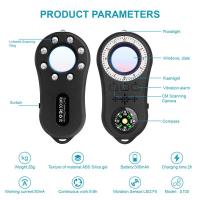
Many hidden cameras continuously emit signals, especially wireless ones. RF detectors are affordable tools designed to identify such signals within a particular frequency range. Sweep rooms carefully to detect emissions and pinpoint the source.
Smartphone Cameras:
Infrared light is invisible to the naked eye but detectable by smartphone cameras. Shut down the lights in the room, activate the video mode on your smartphone, and scan areas systematically. You may catch an infrared dot or signal that confirms the presence of an active camera.
Dedicated Apps:
There are mobile apps tailored to finding surveillance devices by scanning for networks or devices utilizing cameras. These apps may also help identify unusual network access patterns that hint at an unauthorized device in your space.
4. Inspect Your Wi-Fi Network
Some hidden cameras are network-connected and rely on Wi-Fi for streaming. Conduct a thorough examination of your home network:
Check connected devices: Access your router’s portal to view connected devices. Look for any unfamiliar hardware or devices using unusual MAC addresses.
Change your Wi-Fi password: Reset the network access credentials. Devices connected without your authorization will lose their connection until reconfigured.
Use network scanning tools: Apps like Fing or Wireshark can help identify devices connected to your Wi-Fi, providing details about their type and activity.
5. Use Heat Detection Tools
Thermal imaging cameras or heat-detecting sensors can help locate warm spots in objects. Since cameras often generate heat over long periods of operation, you can scan appliances, wall installations, and various house fixtures for abnormal temperature activity. This method works particularly well for detecting hidden cameras in hard-to-examine areas.
6. Pay Attention to Strange Sounds
Hidden cameras equipped with digital recording mechanisms often emit barely audible sounds such as clicking or whirring. Use your hearing and an audio amplifier for quieter environments. While this technique may be less effective than others, it’s worth adding to your observational toolkit.
7. Consult a Professional
If your suspicions persist despite your efforts, contact a professional for assistance. Experts use sophisticated detection tools and methods that access hidden systems you might miss. Many private investigators specialize in detecting covert surveillance devices, including cameras. Their services, while typically costlier, will provide peace of mind.
Signs That Indicate a Hidden Camera Might Be Present
In addition to the specific steps outlined above, it’s important to monitor indirect signs of the presence of a hidden camera. These include:
Odd behavior: Unusual angles or placements of household objects.
Unfamiliar devices: A newly installed device that appears unnecessary.
Strange interference: Noise or interruptions affecting electronics like TVs or radios.
Physical tampering: Scratches or repositioned items in parts of your home that previously had little activity.
How to Safeguard Your Home from Hidden Cameras in the Future
Once you’ve thoroughly inspected your living space, it’s equally important to maintain home privacy proactively. Here are a few preventative measures to eliminate future risks:
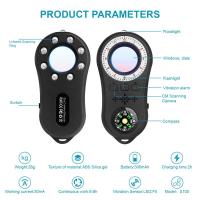
Invest in counter-surveillance devices: Anti-spy equipment, like signal jammers or camera-finding scanners, can help regularly secure your home.
Conduct weekly inspections: Periodically review potential hideouts for suspicious changes in objects or layouts.
Upgrade wireless network security: Use encrypted connections, enforce strong passwords, and regularly update your router firmware.
Secure doors and windows: Reduce the risk of someone installing a camera in your absence by properly locking access points.
Regularly test antennas: A hidden signal indicates action needed for deeper investigation.
Train the household: Ensure other family members know what to look for concerning suspicious devices.
Legal Concerns Related to Hidden Cameras
Understanding the law is crucial when discovering hidden cameras in your private space. Unauthorized installation of surveillance devices in private residences is illegal in most jurisdictions around the world. If you find a hidden camera, consider these options:
1. Preserve Evidence: Avoid tampering with the device. Take photographs and document its presence before removing it carefully.
2. Contact Authorities: Report the discovery immediately to local law enforcement for investigation and potential legal action.
3. Seek Expert Legal Advice: Consult a lawyer if privacy violations have caused harm or infringed your rights.
It’s important to act responsibly and according to local regulations since mishandling such devices could inadvertently compromise your ability to address the issue legally.
Final Thoughts
Your home is your sanctuary, and everyone deserves to feel safe within its confines. While hidden cameras are a concerning threat, knowing how to detect and remove them effectively gives you control and peace of mind. Consistently check strategic placements, employ technology to bolster detection, and keep your living spaces secure against unauthorized surveillance. By following these practical steps, you’re not only remedying immediate concerns but also fortifying your home against intrusion in the future. Stay vigilant, stay safe, and protect the sanctity of your privacy.


![【$25.99 Flash Deal One order per customer】Selfie Ring Light with Cell Phone Holder for Live Stream and Makeup, LED Light [3-Light Mode] [10-Level Brightness] with Remote Control and Flexible Hose Bracket for iPhone Android【Ship to the US Only】](https://img.kentfaith.com/cache/catalog/products/us/KF34.001/KF34.001-1-200x200.jpg "【$25.99 Flash Deal One order per customer】Selfie Ring Light with Cell Phone Holder for Live Stream and Makeup, LED Light [3-Light Mode] [10-Level Brightness] with Remote Control and Flexible Hose Bracket for iPhone Android【Ship to the US Only】")