How To Make A Soft Light For Video?
Lighting plays a significant role in the production of high-quality videos. Whether you’re creating content for YouTube, building a professional portfolio, or recording webinars, achieving the right kind of light can elevate your visuals significantly. When it comes to lighting, soft light is highly effective. It minimizes harsh shadows and creates an even, flattering glow. Soft lighting enhances the natural textures of your subject and creates a professional, polished look that appeals to viewers.
In this guide, we’ll walk you through how to make soft light for video, exploring techniques, materials, and setups to get your lighting just right.
What is Soft Light, and Why is It Important?

Soft light is diffused, meaning it spreads out evenly and reduces hard shadows. It’s created when light is scattered, making it appear smoother and more natural on your subject. Unlike hard light, which produces sharp edges and harsh contrasts, soft lighting adds balance and blends smoothly into the environment.
Soft light is important for videos because:
1. It reduces unflattering shadows on your subject's face and surroundings.
2. It creates a more natural and approachable visual tone.
3. It’s forgiving on textures, lines, and imperfections.
4. It allows for a balanced exposure throughout the frame.
By learning how to create soft light, you can control the atmosphere and mood of your videos while ensuring your subjects look their best.
Techniques for Creating Soft Light for Video
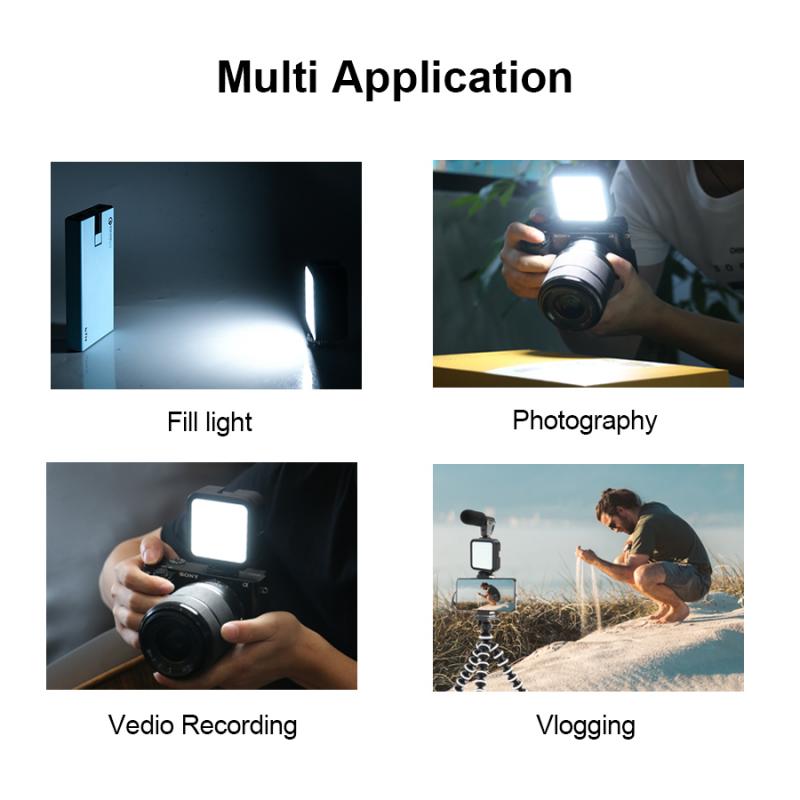
Below are several techniques you can use to achieve soft lighting, even if you're working with limited resources.
1. Use a Diffuser
One of the simplest and most effective ways to create soft light is by using a diffuser. A diffuser scatters the light coming from a source, breaking it into smaller, more even particles.
DIY Solution: Use a thin white bed sheet, paper, or plastic to cover your light. Make sure the material is heat-resistant if you're working with an incandescent or halogen bulb.
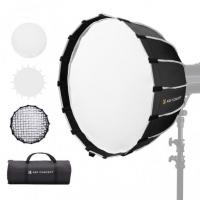
Professional Gear: Buy a dedicated softbox or light diffuser panel. These are designed for ease and consistent results.
The diffuser should be close to your light source but not touching it. If you're using a strong light, test the diffusion material to ensure it doesn't discolor or melt.
2. Increase the Size of Your Light Source
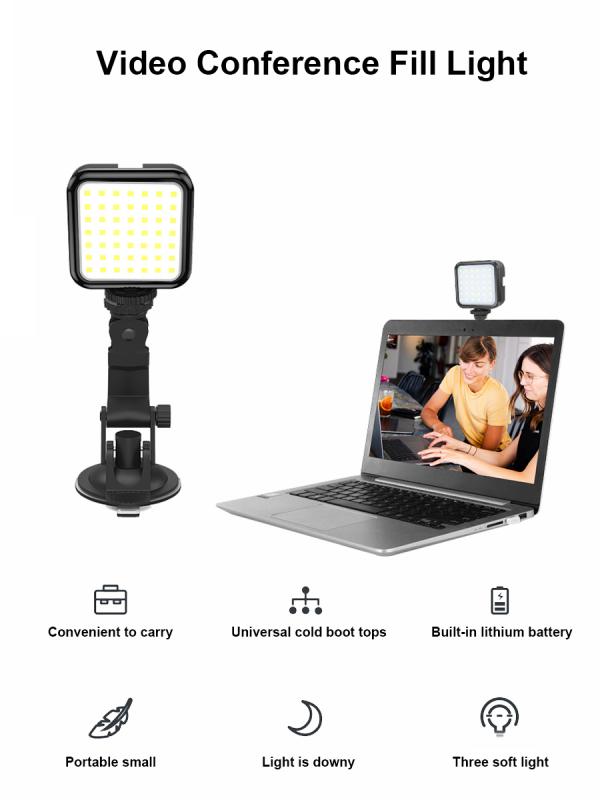
The general rule in lighting is: the larger the light source (relative to the subject), the softer the light. By increasing the size of your light source, you can create a more diffuse, even glow.
DIY Method: Use a large reflective surface, like a white wall or a piece of foam board, to spread light out evenly. Position your existing light source to bounce off this surface, effectively enlarging the light.
Professional Option: Invest in larger studio lights or frames with diffusion fabric.
This is particularly useful for indoor shoots where moving the light closer to your subject isn’t ideal.
3. Place the Light Closer to the Subject
Soft light can also be achieved by reducing the distance between the light source and your subject. The closer the light, the more the rays wrap around the subject, softening the shadows.
However, if you’re filming an individual, be mindful of the intensity. To prevent overexposure, consider dimming the light or adding a diffusion layer.
4. Bounce the Light
Bouncing light is another excellent method to create a soft effect. By directing your light toward a reflective surface, such as a wall or ceiling, it disperses the rays in multiple directions, softening the overall effect.
DIY Approach: Use a piece of white foam board or a large white sheet hung on a flat surface to bounce light.
Professional Solutions: Reflector panels or umbrellas with silver or white interiors provide better control over the angle and texture of the bounce.
Unlike direct lighting, bounced lighting adds a broader, natural visual effect to your scene.
5. Consider Natural Light
Natural light is inherently soft, especially when used effectively. Position your subject near a window during overcast conditions, or use sheer white curtains to diffuse bright sunlight. Early morning or late afternoon are ideal times to capture soft, warm lighting during the "golden hour."
Be cautious with direct sunlight, as it may create harsh shadows. Always aim for diffused natural light by softening it with fabric or waiting for cloud cover.
Basic Materials to Create Soft Light Setup
The tools and materials required for soft lighting vary depending on your budget and desired level of professionalism.
DIY Materials:
- White bed sheets or curtains
- Foam boards
- Translucent shower curtains
- Aluminum foil or mirrored surfaces for bouncing light
- Paper lanterns (for small light sources like lamps)
- Strong lights (LED bulbs are a great option for their low heat and high brightness)
Professional Tools:
- Softboxes
- Umbrellas with reflective interiors
- Diffuser panels
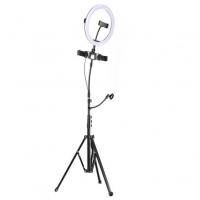
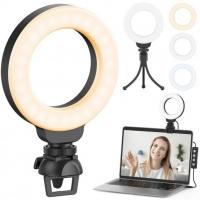
- Ring lights (with adjustable diffusion settings)
- Studio reflectors
Step-by-Step Process for a Soft Light Setup
Here’s a simple guide for setting up soft light, whether you’re using natural or artificial lighting.
Step 1: Identify Your Subject and Scene
Determine the subject of your video (e.g., an interview, product, or tutorial) and the mood you want to convey. For example, softer light is perfect for interviews or demonstrations but may not be suitable for dramatic scenes.
Step 2: Choose Your Light Source
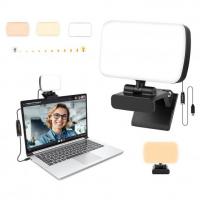
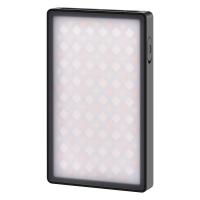
Select what kind of light you’ll use—natural or artificial. Artificial light sources, such as LED panels, allow better control, while natural light is inexpensive and convenient.
Step 3: Set Up Your Diffusion Material
Install your diffuser of choice in front of or around the light source. Attach it using clips, a stand, or tape, ensuring the material is evenly stretched.
- For DIY setups: Cover the light with a white cloth or position it to bounce light off a reflective surface (e.g., foam board).
- For natural light: Hang sheer curtains over windows to soften sunlight.
Step 4: Adjust the Light Source’s Position
Place your light closer to the subject to increase softness, or bounce it off a reflective surface for an even effect. If possible, adjust dimmers or brightness levels to achieve balance.
Step 5: Evaluate and Fine-Tune
Test how the light illuminates your subject. Look for shadows, highlights, and overall consistency. Adjust angles, materials, or light intensity as needed for your scene.
Practical Tips for Achieving Professional Results
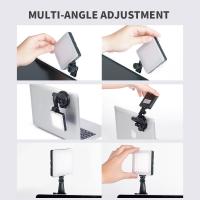
1. Experiment with Angles: Softboxes and diffused light can be angled for various effects. A 45-degree setup from the subject’s face is commonly used for flattering portraits.
2. Use Multiple Light Sources: Combine a soft main light and a softer fill light to eliminate shadows completely.
3. Control Your Background: Soft light doesn’t just affect your subject—it impacts the background. Keep walls and reflective surfaces neutral to avoid distractions.
4. Monitor on Set: Always assess your lighting using your camera’s monitor. What looks good to the naked eye may not translate well on video.
5. Keep It Simple: If you’re not sure where to start, prioritize one light source and build from there. A soft light setup doesn’t require an elaborate system when done correctly.
Soft lighting is a valuable skill for any videographer or content creator. Whether you’re shooting at home with basic materials or on a professional set with high-end equipment, understanding how to produce soft light can dramatically enhance the quality of your videos.
The key to creating soft light lies in diffuse and even illumination. Experiment with diffusers, bounce methods, and angles until you achieve the desired result. With practice and the right setup, you’ll master the art of soft lighting and make your videos visually stunning.