Can I Charge Camera Battery With Power Bank?
Charging a Camera Battery with a Power Bank: A Comprehensive Guide
In today's digital age, photography enthusiasts and professionals alike rely on cameras for capturing timeless moments, documenting experiences, and producing high-quality visual content. However, a common challenge faced by many photographers is running out of camera battery power during shoots or outdoor activities. Since power banks have become a ubiquitous accessory for charging smartphones and other devices, a question often arises: Can you charge your camera battery with a power bank?
The short answer is yes, you can charge some types of camera batteries with a power bank. However, whether or not this is possible depends on several factors, including the compatibility of your camera, the specifications of the power bank, and the type of charging system you are using. Below, we'll delve into the details to help you understand the practicality, limitations, and best practices for using a power bank to charge your camera battery.
Understanding Camera Battery Charging Systems

Before diving into the specifics of charging a camera battery with a power bank, it’s important to understand the two main charging methods commonly used in cameras:
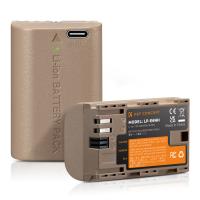
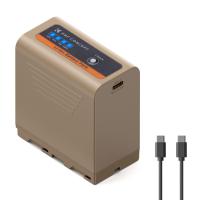
1. USB Charging via Onboard Port: Many modern cameras come equipped with a built-in USB port that allows you to power the camera or directly charge its battery from external devices. In this case, you can simply connect your camera to a power bank using the appropriate USB cable.
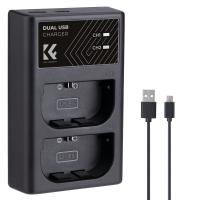
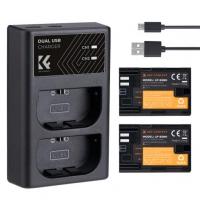
2. External Battery Charger: For older cameras or DSLRs that lack USB charging functionality, batteries usually have to be removed from the camera and charged using a dedicated external charger. This setup may require a workaround when using a power bank.
When Can You Use a Power Bank for Charging Camera Batteries?
Charging a camera battery with a power bank is possible if your camera supports USB charging. Here’s a breakdown of the key considerations:
1. Camera Compatibility
Many modern cameras (especially compact digital cameras and newer mirrorless models) support charging through USB. Brands such as Sony, Canon, Fujifilm, and Panasonic have included USB charging ports in their newer models, but older DSLRs and cameras may lack this feature. Check your camera’s manual or specifications to confirm whether USB charging is supported directly.
2. Power Bank Specifications
Not all power banks are capable of charging camera batteries efficiently. Keep in mind the following:
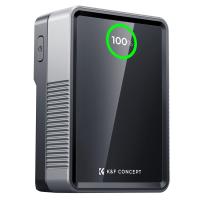
Output Power: A typical power bank has an output of 5V via USB, which can charge most USB-compatible devices. However, some cameras require higher voltage rates (like 8V or 9V) for charging, especially when working with external chargers.
Capacity: The mAh capacity of the power bank determines how long and effectively it can recharge the battery. For example, a 10,000 mAh power bank can charge your camera battery multiple times depending on the battery’s capacity.
Port Type: Ensure that the power bank has compatible USB-A or USB-C ports for your camera’s cable.
3. Cable and Adapter Requirements
To connect your camera to the power bank, you’ll need the appropriate cable. For cameras with USB-C ports, a USB-C to USB-A cable usually works. If your camera uses micro-USB, make sure you have the correct micro-USB cable. In cases where your camera cannot charge directly via USB, you may need an adapter that can bridge the power bank output to your external charger.
When Is It Not Feasible?
There are instances where charging a camera battery with a power bank may not be possible or practical:
No USB Charging Support: Older or professional-grade cameras (typically DSLRs) might lack USB charging compatibility entirely.
High Power Requirements: Certain external chargers require input voltages and currents that cannot be provided by standard power banks.
Safety Concerns: Using unregulated power sources could potentially damage camera batteries, especially if voltage or amperage levels are inconsistent.
Benefits of Using a Power Bank for Charging Camera Batteries
Using a power bank has several advantages, especially for photographers on the move:
1. Portability
Power banks are compact, lightweight, and easy to carry, making them ideal for on-location shoots, travels, and outdoor adventures where access to electrical outlets isn’t possible.
2. Convenience
With a compatible setup, you can charge your camera batteries during downtime, ensuring you're always prepared for the next set of shots.
3. Extended Battery Life
For professional photographers or videographers, a power bank provides the ability to work for extended hours without interruptions from battery shortages.
4. Multi-Device Charging
Power banks often come with multiple output ports, allowing you to charge not just your camera battery but also your smartphone, tablet, or other essential devices simultaneously.
Best Practices for Charging Camera Batteries with Power Banks
To charge your camera battery effectively and safely, here are a few recommendations:
1. Choose the Right Power Bank
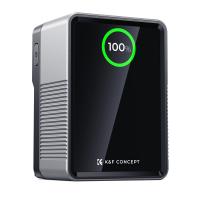
Invest in a power bank with sufficient capacity (10,000 mAh or higher is recommended) and an appropriate output rating that matches your camera’s power requirements. Some power banks have dedicated PD (Power Delivery) ports that can deliver higher voltages, making them ideal for cameras requiring more than 5V.
2. Use Quality Cables
Always use high-quality, manufacturer-recommended cables to ensure a secure connection and consistent power flow. Avoid cheap or counterfeit cables that may cause overheating or damage your camera.
3. Monitor Charging
Do not leave your camera battery charging unattended for extended periods of time using a power bank. Monitor the charging process to prevent overcharging or the risk of overheating.
4. Understand Your Camera’s Power Consumption
If you’re using your camera while it’s connected to a power bank, note that certain functions like recording high-resolution videos or using Wi-Fi might drain power faster than it’s replenished.
5. Compatible Chargers
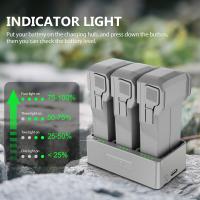
If your camera relies on an external charger and cannot be charged directly, you may need an adapter. Specialized USB-powered chargers can convert the power bank's output into usable energy for your camera battery.
Frequently Asked Questions
1. Can I use any power bank to charge my camera battery?
Not necessarily. Compatibility depends on the voltage and amperage requirements of your camera and whether the power bank can meet those specifications.
2. Does charging a camera battery via power bank affect its lifespan?
Using a power bank does not inherently damage your battery’s lifespan as long as the voltage and current levels match the camera’s specifications and no overcharging occurs.
3. Can I charge my battery while using the camera?
Many cameras allow for simultaneous charging and operation when connected via USB, which is especially useful for extended shooting sessions.
4. How long does it take to charge a camera battery with a power bank?
Charging time depends on the capacity of your battery and the output power of the power bank. On average, it may take 1-3 hours.
Charging your camera battery with a power bank is not only possible but also a practical solution for those who frequently shoot outdoors or during extended sessions away from electrical outlets. With the right equipment—a compatible camera, a high-quality power bank, and the necessary cables—you can keep your photography gear running smoothly no matter where you are.
However, it’s also important to remain cautious. Always verify the power requirements of your camera and the output capabilities of your power bank to ensure safe charging. As technology continues to evolve, we may see even more convenient, seamless ways to recharge camera batteries, but until then, carrying a reliable power bank remains a valuable tool in every photographer’s arsenal.