How To Read A Carbon Monoxide Detector?
Understanding Carbon Monoxide Levels
Carbon monoxide (CO) levels in a home are typically measured over time. Carbon monoxide detectors are time-weighted alarms, meaning they measure the buildup of carbon monoxide in a house as time passes.
For a person to begin feeling the effects of carbon monoxide poisoning, they would need to be exposed to a carbon monoxide level of 50 parts per million (ppm) for eight hours.
- Different carbon monoxide detectors will sound at the detection of varying CO ppm levels.
- A CO sensor needs to meet the sensitivity requirements of Underwriters Laboratories UL2034 Single and Multiple Station Carbon Monoxide Alarms.
- Per these requirements, standard CO sensors will typically not alarm at levels below 30 ppm.
- However, carbon monoxide alarms with ultra-sensitive detection will indicate low levels of CO below 30 ppm, which may have health implications for those suffering from pre-existing conditions.
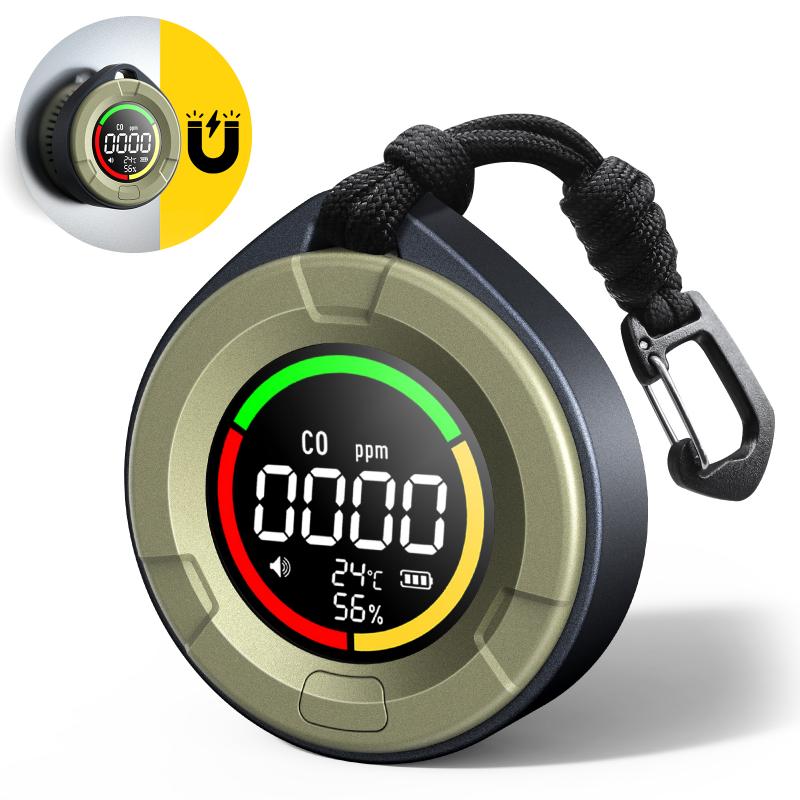
Reading PPM and Alarm Response Times
The alarm response times are 70 ppm = 60-240 min., 150 ppm = 10-50 min., 400 ppm = 4-15 min.
- 70 ppm = 60-240 min.
- 150 ppm = 10-50 min.
- 400 ppm = 4-15 min.
If the alarm hasnt gone off, it may not have reached its time weighted reading.
This means that the reading of 97 (which is a mid-range reading) may not have been present for 4 minutes or more, which is what sets the alarm off.
It does save it even it was just a single short reading.
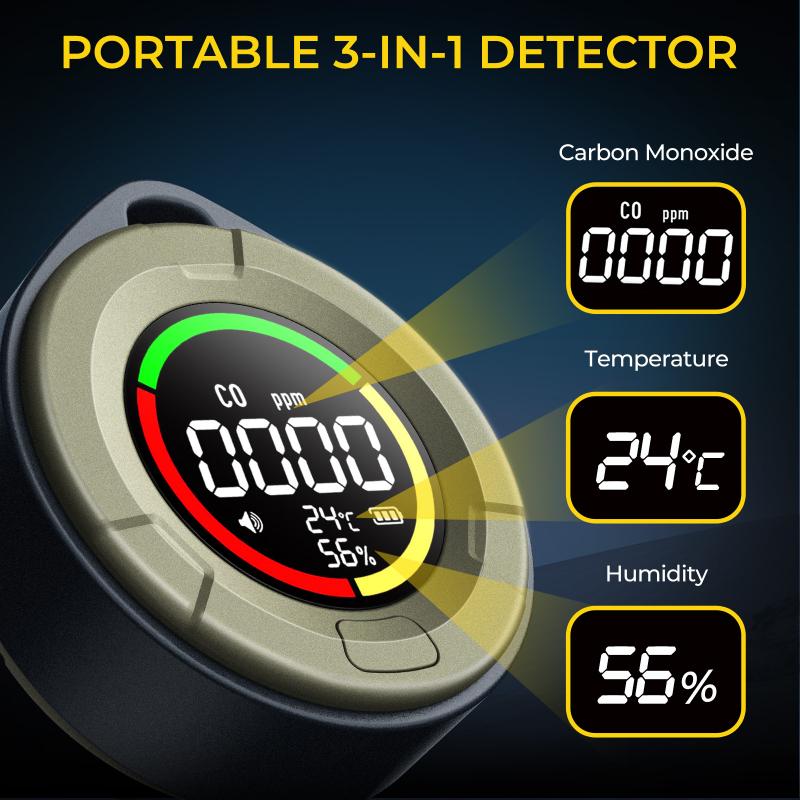
Peak Memory Readings
Kiddie KN-COPP-3 (900-0076) with a peak memory feature and shows the ppm reading on the face all the time.
This weekend I was testing them and looked at the peak feature and touched the button to see 97ppm peak show (but the current reading is still 0).
- Does anyone know how these peak memories work?
- Does anyone know how the alarms work if it is a number outside the alarm response times (like 97)?
- Does it save if it jumps to 97 for say 5 minutes but the alram does not sound because it does not meet those levels?
If you had a transient of 97 ppm and since then you are sitting at zero, I would clear the max recorded value and see if anything else is detected.
The CO detector is a small electrochemical cell, so they are imperfectly selective. It is possible (though perhaps not very likely) that the detector picked up something else at some point (solvent, flammable gas, etc).
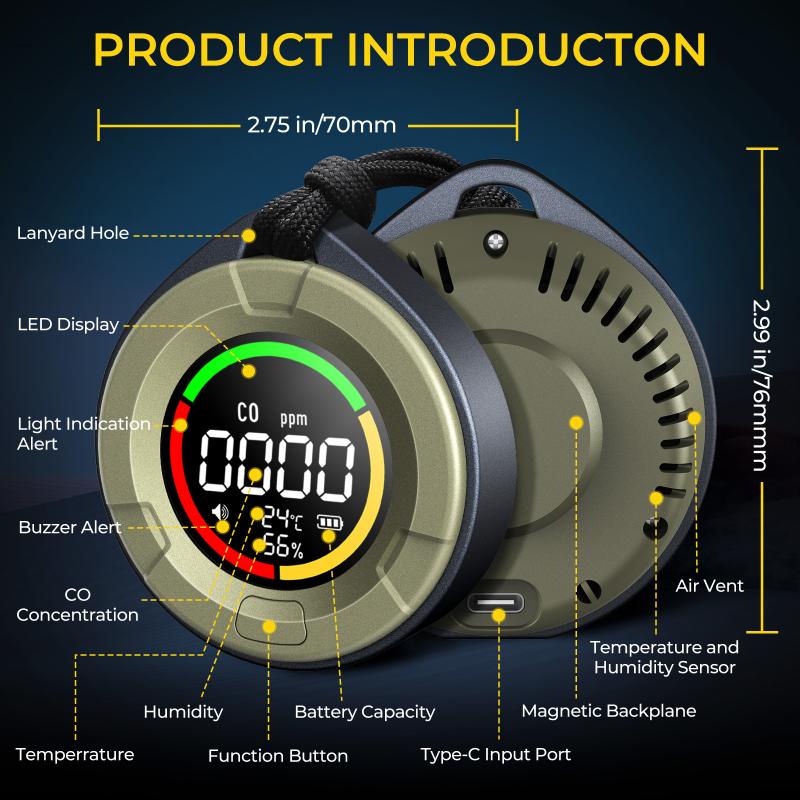
Beep Patterns and What They Mean
Alarm has different beep patternsto communicate whether there is an emergency or simply a need to replace the detector. It is important to know the difference between the beeps or chirps. Refer to your alarm's user manual for your specific model.
- 4 beeps and a pause:this means that there is carbon monoxide present and you should seek fresh air immediately and call 9-1-1.
- 1 beep every minute:this means that the detector has low batteries and you should replace them.
- 5 beeps every minute:this means your alarm has reached the end of its life and needs to be replaced with a new carbon monoxide alarm.
Carbon monoxide detectors beep for a variety of reasons: low battery, malfunctions and actual emergencies.

Testing the Detector
Wondering how to know if your carbon monoxide detector is working? To test your carbon monoxide detectors, press and hold the test button on the alarm.
The detector will sound 4 beeps, a pause, then 4 beeps for 5-6 seconds.
- Refer to the user manual for your specific model.
- If the alarm does not test properly, install fresh batteries, make sure the batteries are installed correctly, be sure the alarm is clean and dust-free, and then test the detector again.
- If it still does not test properly, replace the CO detector immediately.
- It is important to test your CO detectors monthly to ensure they are working properly.
When the Alarm Sounds
If your carbon monoxide alarm sounds, or you suspect you are experiencing symptoms of carbon monoxide poisoning, you should immediately leave your home and call 9-1-1.
In the event of a carbon monoxide leak, it is critical that you get to fresh air as soon as possible.
Every second counts, and First Alert CO detectors can help provide you and your family with the advanced warning necessary to escape your home during an emergency.
- Any carbon monoxide is a problem that you need to resolve.
- The fire department non-emergency number can perhaps help you.
- They have portable CO detectors with 1000s of times more accuracy than your home protection gear that can help you find the source.
- If they show a high reading to contact the fire department as well as them so they can assess their stuff.
Placement and Replacement
Carbon monoxide alarms should be installed on every level of the home and in sleeping areas.
CO alarms should be installed on every level of your home, in every bedroom, and outside each sleeping area to help ensure everyone can hear them in an emergency.
Contrary to popular belief that CO is heavier than air, CO alarms can be placed on the wall or the ceiling and will be just as effective.
- Carbon monoxide alarms are not for short term testing, or a "quick check" for CO levels.
- You should install your alarm and leave it in one place.
- If your carbon monoxide detector has replaceable batteries, they should be changed at least every 6 months.
- Although you replace the batteries, carbon monoxide alarms don't last forever.
- They have a lifetime of 5 to 7 years, but it is important to refer to your user manual.
- After 5 to 7 years, replace the CO alarm completely.