How To Choose Best Smartwatch?
what you need to know to find the right smartwatch or fitness tracker
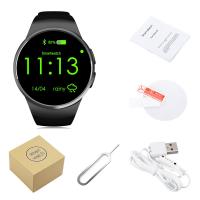
smartwatches and fitness trackers offer an easy, on-the-go way to keep track of your digital life and health. most models can handle texts and phone calls, make touchless payments, and play music, all right from your wrist.
and thanks to a variety of built-in sensors, these wearables also collect a wide range of insightful health and fitness data. they can monitor your sleep, track your heart rate, and even detect heart rhythm irregularities.
- many models need to be paired to a smartphone via bluetooth for full functionality, but some offer a cellular connection that allows you to go for a run or a bike ride without your phone and still receive calls and texts and access your playlists.
- and wearable technology continues to evolve.
- early smartwatch models were bulky, but today’s offerings are often sleeker and look and feel more like regular watches, with the dressier cases and strap options to match.
- even fitness-oriented trackers, which are typically designed as bands, now look nice enough to fit right in at the office or social events.
below, we cover what you need to know to find the right smartwatch or fitness tracker, including different prices, key things to consider when shopping, and details about the main capabilities.
plain vs. pricey
when it comes to choosing a smartwatch or fitness tracker, your budget could play a big role.
- if you want to save money, you might consider a model that tracks essential health metrics but lacks sophisticated features like ekg monitoring.
- you can also choose a more basic fitness-oriented tracker—a subcategory of wearable that typically lacks a full-featured touchscreen display.
- basic smartwatches and fitness trackers can collect data on your walks and workouts.
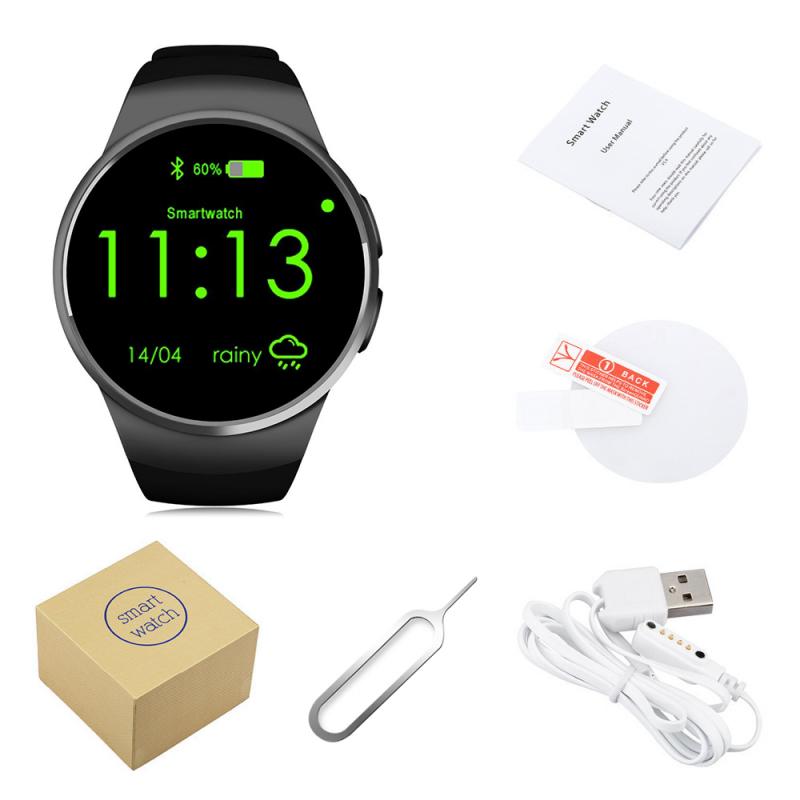
- the apps available will depend on your watch’s operating system, but even bare-bones models will notify you of incoming calls, email, and texts.
- basic models typically cost between $100 and $250.
- in addition to performing all the basic functions you’d expect from a smartwatch, more sophisticated watches offer features such as larger displays, voice-command capability, and advanced health tracking features like electrocardiogram sensors and sleep apnea detection.
- these models, which often offer a stainless steel or titanium case and a fancy leather or bracelet-style strap, can cost anywhere from $250 to $800 and up.
important considerations
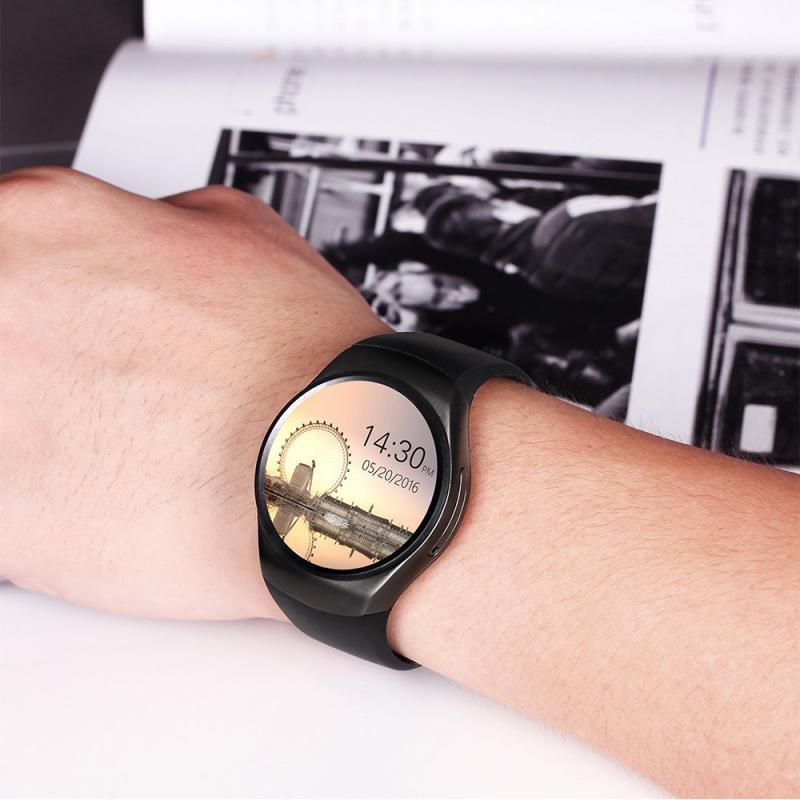
when choosing a smartwatch or fitness tracker, it’s important to consider its compatibility with your smartphone, its battery life, and the fit and feel on your wrist.
other factors to keep in mind range from how easy it is to recharge the device to its ability to respond quickly to user inputs, and the accuracy of step counts and heart rate monitoring.
here are a few important considerations.
- compatibility:
- above all, make sure the smartwatch or fitness tracker will be compatible with your existing smartphone.
- in general, buying a smartwatch or fitness tracker that matches your phone brand can ensure seamless compatibility.
- comfort:
- your smartwatch should be comfortable to wear, so if the one you’re trying seems large and clunky, keep on shopping.
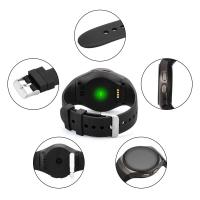
- fit makes a difference when it comes to getting accurate heart rate readings.
- a strap or band that’s too loose or tight can throw off the watch’s sensors.
- battery life:
- this can range from one day to more than two weeks, depending not only on the watch’s battery but also on how you use the watch.
- certain apps—gps, for example—are especially power-hungry.
- charging:
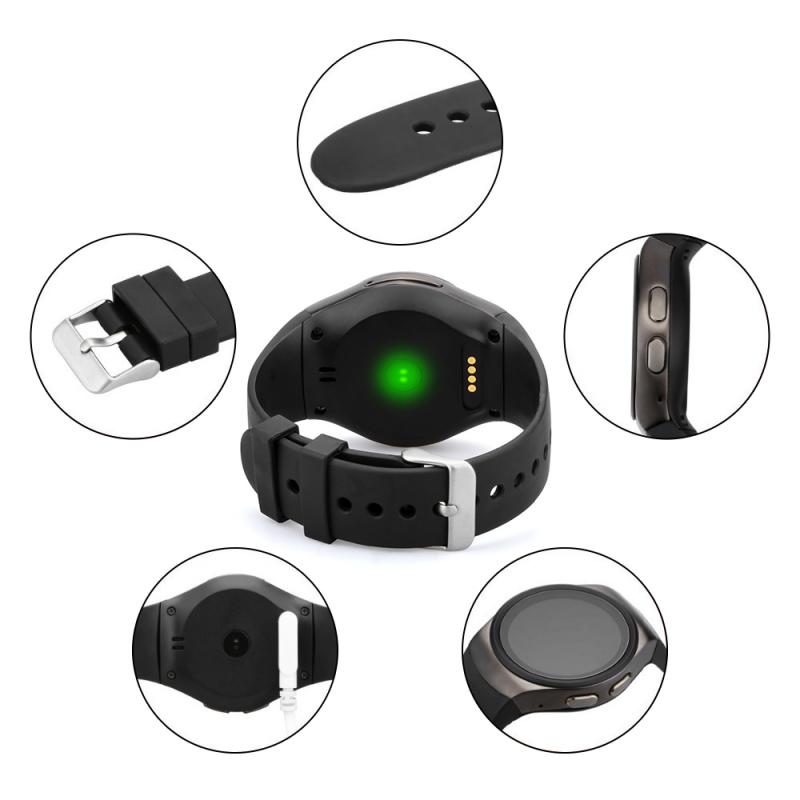
- some smartwatches come with convenient wireless chargers.
- others come with snap-on docks for charging, while some require a cable that plugs into the watch itself.
pairing
- you might want to think about a smartwatch or fitness tracker as a smartphone accessory because most of them connect to your phone via bluetooth or a wifi network.
- even smartwatches with cellular data connections rely on a connection to your phone.
- most smart watches sync with mobile apps to provide detailed insights, set goals, track progress, and share achievements.
- therefore, it's important to ensure that the smart watch you choose is compatible with your smartphone or other devices.
- while most smartwatches on the market are compatible with both ios and android operating systems, it's important to note that compatibility can also depend on the version of the operating system.
tip: if you want to save your watch data to your preferred fitness app, such as apple health, make sure the tracker supports third-party app integration.
notifications and alerts
- when paired with your smartphone, a smartwatch can notify you—via vibration, sound, or both—of incoming calls, texts, messages, social media notifications, and other things.
- most smartwatches let you respond to incoming email and texts.
- some offer prepopulated replies, such as “sorry, i’m busy right now” and “i’ll call you back later.”
- others have a microphone and a speaker that will allow you to take phone calls and dictate messages.
- a watch with cellular capability will allow you to take and make calls without your smartphone in tow.
activity tracking
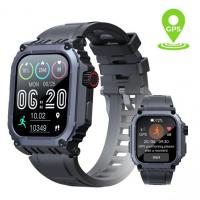
- most smartwatches and fitness trackers can count your steps and monitor your heart rate, while others feature barometers and gps tracking to help track your outdoor workouts.
- many work with fitness apps that keep records of your workouts and daily movement and help you track your calorie intake and calories burned.
- some have sleep tracking functions that can tell you how long you slept at night, along with other detailed data about your slumber.
voice control and commands
- the apple watch and some smartwatches that run on google’s wear os have a microphone and speaker that allow you to summon a voice assistant and use spoken commands to send texts, access apps, respond to messages, and search the internet.
apps
- smartwatches, like other smart devices, can run apps for health and fitness, navigation, weather, social media, and much more.
- the range of apps varies depending on the operating system, and developers are adding new apps that can increase the functionality of these devices.
- note that some pared-down fitness trackers, like those from fitbit or amazfit, don’t offer access to the full range of third-party apps.
health tracking and fitness data
- smartwatches are now extremely versatile and powerful tools.
- the best options can track exercise, deliver advanced health insights, and act as a handy second screen to your smartphone.
- fitness features heart rate monitor, ecg, blood oxygen monitor, temperature sensor, pedometer, gyroscope, pulse oximeter, accelerometer, gps, barometer
- fitness features accelerometer, heart rate monitor, gps, blood oxygen monitor, pedometer, barometer, temperature sensor, gyroscope, ecg, light sensor
- fitness features accelerometer, gps, heart rate monitor, gyroscope, pedometer, light sensor, barometer, blood oxygen monitor
- fitness features heart rate monitor, pedometer, gyroscope, accelerometer, gps, barometer
- fitness features blood oxygen monitor, ecg, heart rate monitor, accelerometer, gps, temperature sensor, pedometer, gyroscope, light sensor, barometer
- fitness features accelerometer, gps, heart rate monitor, blood oxygen monitor
- fitness features accelerometer, gps, heart rate monitor, blood oxygen monitor, temperature sensor, light sensor
battery life and everyday use
- people who prioritize long battery life: the versa 4 lasted for six days in our testing on a single charge, surpassing the batterycapacity of smartwatches from smartphone makers.
- go with the versa 4 if you only want to think about plugging in your watch once a week.
- travelers and endurance athletes: the garmin venu sq 2 lasted 9 days on a single charge in our testing, exceeding the battery life of most other smartwatches on this list.
- it can track your activity, exercise, and sleep, and you don't have to take it off to plug it in very often.
- people who want long battery life: the oneplus watch 3 lasted for 98 hours on a single charge with its always-on display enabled in our testing, more than double the time of current flagship smartwatches from other companies.
fit, style, and outdoor use
- i really don't like apple watch style looks.
- all that silicone and square display is just really not my style.
- i'd love something that looks more like real watch.
- primarily i want a smartwatch for better health tracking - steps, activity levels, heart rate, sleep, etc.
- i really want to invest in my health, so prompts to keep up with being active would be nice.
- i have a dog who i spend a fair bit of time with outside walking or light hiking, so i could do with durability, water resistance, and a good battery would be amazing.
- i don't really care about things like answering calls or messages, though i guess just seeing notifications could be good.