What Is The Best Low Light Video Camera?
In the ever-evolving world of videography and filmmaking, finding the best camera tailored to specific needs has become an art form in itself. One of the most sought-after attributes in modern cameras is the ability to perform exceedingly well in low-light environments. Whether you’re a filmmaker capturing dramatic nighttime scenes, a travel enthusiast documenting adventures at dusk, or a content creator shooting atmospheric moments in dim settings, a camera's ability to handle shadows and darkness with finesse can set your work apart.
But what exactly makes a "low-light video camera" exceptional? It’s not merely about high ISO settings, as that often results in unusable noisy footage. A camera’s low-light performance depends on various factors, such as sensor size, pixel density, lens compatibility, and advanced video processing capabilities. Below, I delve into the essential aspects of low-light cameras, highlight some frontrunners in this space, and provide actionable insights for choosing the right camera for your needs.
Key Factors That Make a Camera Great for Low-Light Video
1. Sensor Size
The size of a camera's sensor plays a vital role in determining how effectively it can gather light in darker environments. Larger sensors, such as full-frame sensors, excel in this domain, as they generally allow more light to enter. Cameras equipped with larger sensors can maintain image clarity and sharpness even when exposed to limited light sources.
For low-light videography, full-frame cameras are preferred over APS-C (crop sensor) and micro four-thirds cameras, as they reduce noise and produce cleaner footage. This is particularly beneficial in scenarios where lighting can't be controlled and you're relying solely on available light.
2. Pixel Size
While higher megapixel counts often sound alluring, they don’t always equate to superior low-light performance. Larger individual pixels on the sensor are better at capturing light with minimal distortion or noise. Cameras optimized for low light balance resolution with large pixel sizes, ensuring that you have enough detail in your footage without sacrificing brightness or clarity.
3. ISO Performance
ISO measures a camera’s sensitivity to light. A camera capable of high ISO settings without introducing excessive noise is essential for low-light shooting. While many cameras boast impressive ISO ranges, the actual usability of higher ISOs depends on how well the processor and sensor mitigate noise.
Manufacturers like Sony and Canon have developed cameras with ISO ranges exceeding 409,600 (like the Sony A7S III). However, the true test lies in maintaining image integrity rather than simply cranking up the ISO.
4. Lens Aperture and Compatibility
Pairing your camera with a lens that has a wide aperture (e.g., f/1.4 or f/2.0) can dramatically improve low-light capabilities. Camera bodies designed for videography often support interchangeable lenses, allowing flexibility to choose prime lenses with excellent low-light performance.
5. Advanced Imaging and Noise Reduction Technology
Modern cameras leverage advanced algorithms and in-camera processing to reduce graininess and produce cleaner results in dim conditions. These features, combined with innovations like dual ISO, HDR video capabilities, and multi-shot processing, elevate low-light video quality for professional and amateur videographers alike.
Top Low-Light Cameras in 2023
Sony A7S III
The Sony A7S III is widely regarded as one of the best cameras for low-light video performance. Equipped with a 12.1-megapixel full-frame sensor, this camera excels in video capture with its large individual pixels prioritizing sensitivity over resolution. Its expanded ISO range of up to 409,600 is particularly useful for nighttime shooting, and the camera delivers remarkably clean footage even at higher settings. Additionally, the A7S III supports 4K recording at up to 120 fps, making it an excellent choice for filmmakers seeking cinematic results in challenging conditions.
Canon EOS R5
Canon’s EOS R5, while celebrated for its high-resolution stills, is also a powerful low-light video performer. The 45-megapixel full-frame sensor paired with Dual Pixel CMOS autofocus ensures sharp video in low-light scenarios. Although it has a higher resolution, Canon’s advanced noise reduction technology ensures that the footage retains clarity. With 4K 120 fps recording capabilities and compatibility with fast lenses like Canon’s RF 50mm f/1.2, the EOS R5 is a versatile option for low-light videographers.
Panasonic Lumix GH6
For those seeking a smaller and more portable solution, the Panasonic Lumix GH6 is a standout choice in the micro four-thirds category. This camera features advanced video processing and boasts impressive low-light capabilities despite having a smaller sensor. With innovative features like dual-native ISO, 5.7K recording at 60 fps, and internal LUTs for color grading, the GH6 remains a solid option for creators working in dynamic environments.
Blackmagic Pocket Cinema Camera 6K Pro
The Blackmagic line is renowned for delivering professional-grade cinema cameras at accessible prices, and the 6K Pro doesn’t disappoint. Featuring a Super 35 sensor, this camera provides outstanding low-light performance with 13 stops of dynamic range. It’s a great option for filmmakers in controlled environments who want to achieve a cinematic feel without breaking the bank.
Fujifilm X-T5
Fujifilm’s X-T5 combines retro aesthetics with modern video functionality, delivering excellent performance in low light. While it uses an APS-C sensor, its advanced processing and optimized pixel layout make it surprisingly capable when shooting in dark settings. It’s an ideal choice for hybrid shooters who prioritize versatility and portability.
Tips for Shooting Low-Light Video
Regardless of the camera you choose, maximizing low-light conditions requires a strategic approach. Here are some tips to ensure the best possible results in dim environments:
1. Use Wide-Aperture Lenses: Invest in prime lenses with a wide aperture (e.g., f/1.4 or f/1.8). These lenses allow more light to reach the sensor, creating brighter and sharper footage.
2. Stabilization Matters: Low-light conditions often necessitate slower shutter speeds to gather more light. Use stabilization tools such as gimbals, tripods, or in-camera stabilization features to minimize motion blur.
3. Shoot in RAW or Log Format: Recording video in RAW or Log formats enables greater flexibility during post-production. You can recover lost details in shadows or adjust exposure levels without degrading image quality.
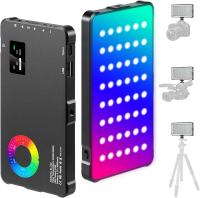
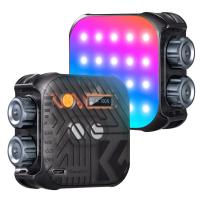
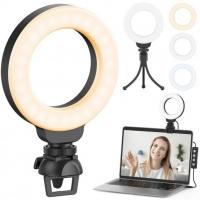
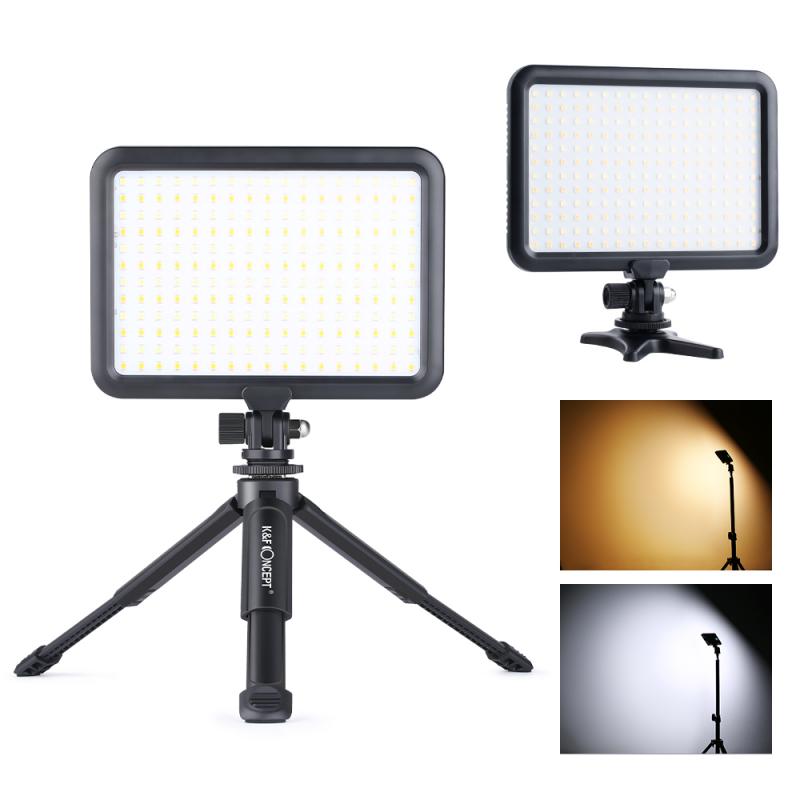
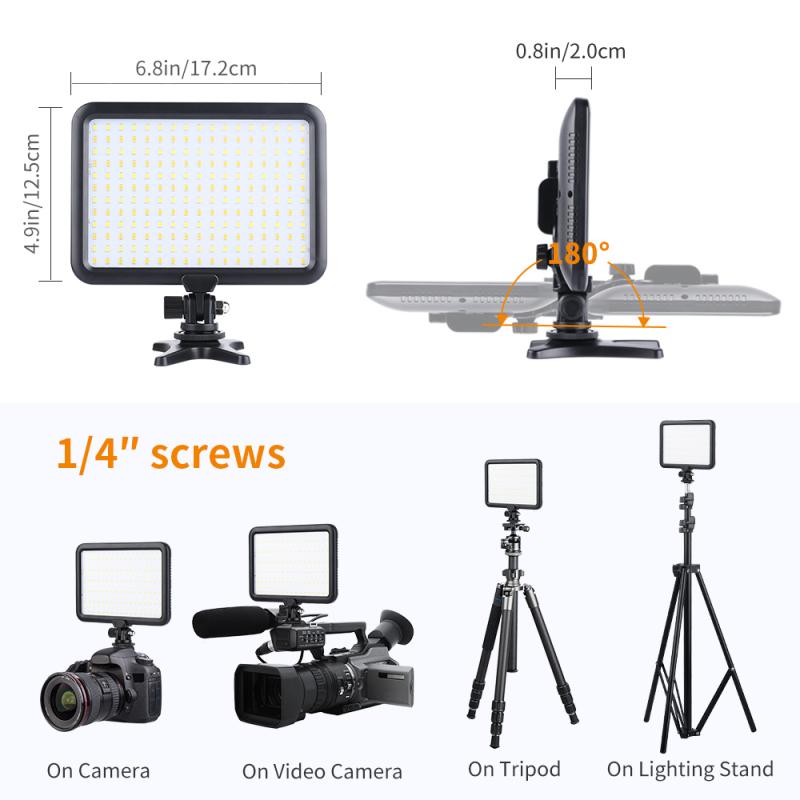
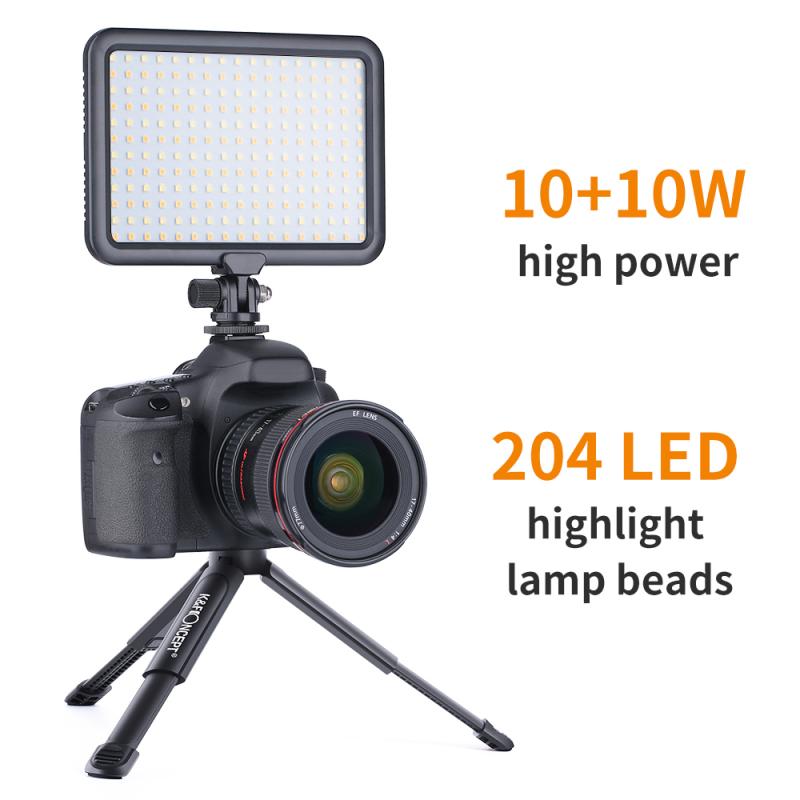
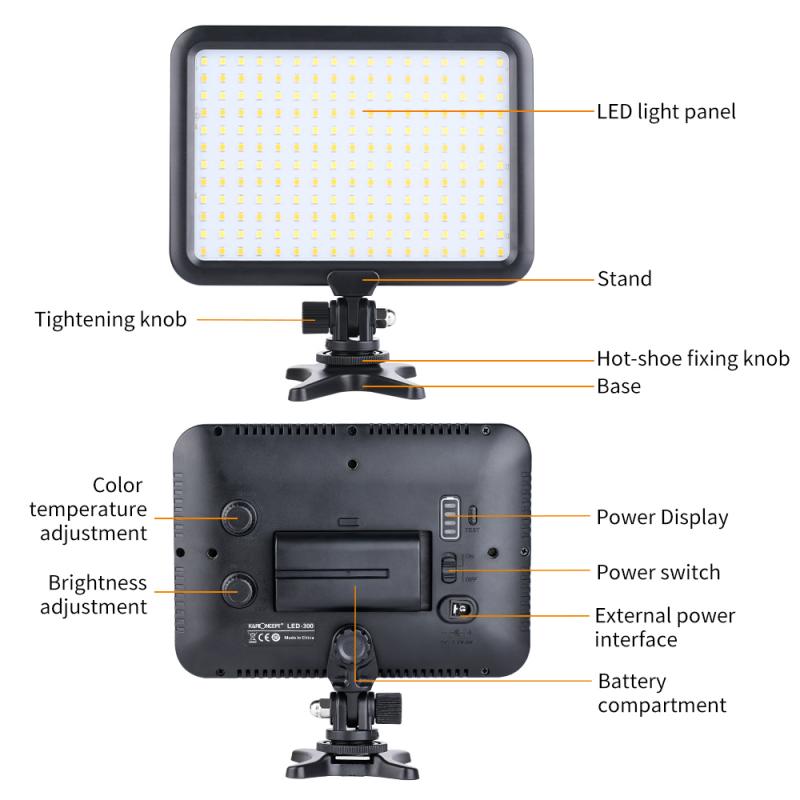
4. Leverage External Lighting: Sometimes, even the best low-light camera can benefit from supplementary lighting. Small LED panels or portable lighting kits can help illuminate crucial subjects.
5. Experiment with Manual Settings: Automatic modes can struggle to find balance in low-light environments. Use manual settings to control ISO, shutter speed, and aperture for the best results.
6. Reduce Noise Through Post-Processing: Software solutions like Adobe Premiere Pro or DaVinci Resolve offer noise reduction plugins to clean up footage further.
How to Choose the Best Camera for Your Needs
When deciding on the best low-light video camera, consider the following factors:
1. Purpose of Use: Identify whether you're primarily shooting cinematic videos, vlogging at night, or creating content for events in dim settings. Different cameras prioritize different features.
2. Portability and Weight: If you’re a travel videographer or frequently shoot handheld, lighter models like the Panasonic Lumix GH6 or Fujifilm X-T5 may be ideal.
3. Budget Constraints: High-end cameras like the Sony A7S III and Canon EOS R5 offer superb low-light performance but come at a hefty price. Evaluate cameras like the Blackmagic Pocket Cinema Camera 6K Pro if you're on a tighter budget.
4. Lens Ecosystem: Buying into a brand’s lens ecosystem ensures that you have access to glass suited for your shooting style. Check lens availability before committing to a specific camera.
Conclusion
Low-light videography poses unique challenges but offers a realm of creative possibilities for storytellers and creators. By understanding the technical factors that influence low-light performance and carefully choosing a camera tailored to your needs, you have the potential to transform mundane scenes into moments of cinematic brilliance.
Whether you choose industry leaders like the Sony A7S III for cinema-grade footage, explore affordability with Blackmagic’s options, or aim for versatile hybrid cameras like the Fujifilm X-T5, the right tool depends on your goals and circumstances. Pair your camera with high