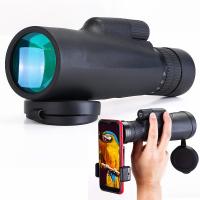
How To Wear Monocular?
Mastering the Art of Wearing a Monocular: Practical Tips and Styles
Monoculars, often eclipsed by binoculars in mainstream usage, are a unique optical tool with versatile applications, whether for outdoor adventures, tactical operations, or even modern fashion statements. Their single-eye design provides a lightweight and compact solution to viewing distant objects, but knowing how to wear and use them effectively is key to unlocking their potential.
This article aims to guide you through the practical aspects of wearing a monocular, optimizing its functionality, and even exploring ways to integrate it seamlessly with your personal style. Whether you're a beginner or have some familiarity with monocular devices, these insights will help you gain confidence in using one effectively.
Step-by-Step Guide on How to Wear a Monocular
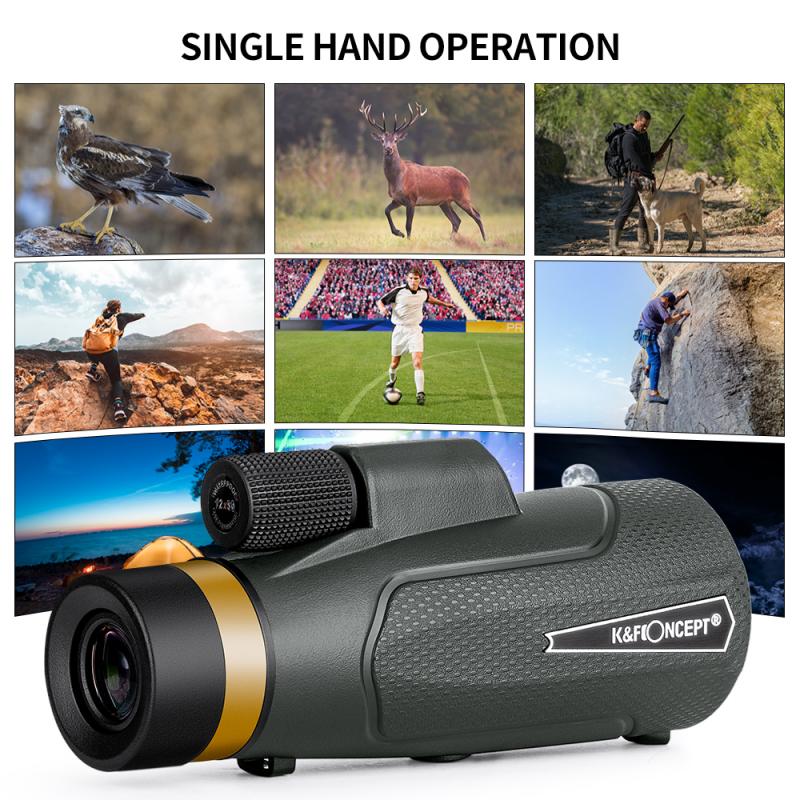
Wearing a monocular requires both functional knowledge and awareness of how to adjust it comfortably. Here's a step-by-step guide to ensure proper usage:
1. Familiarize Yourself with the Monocular Design
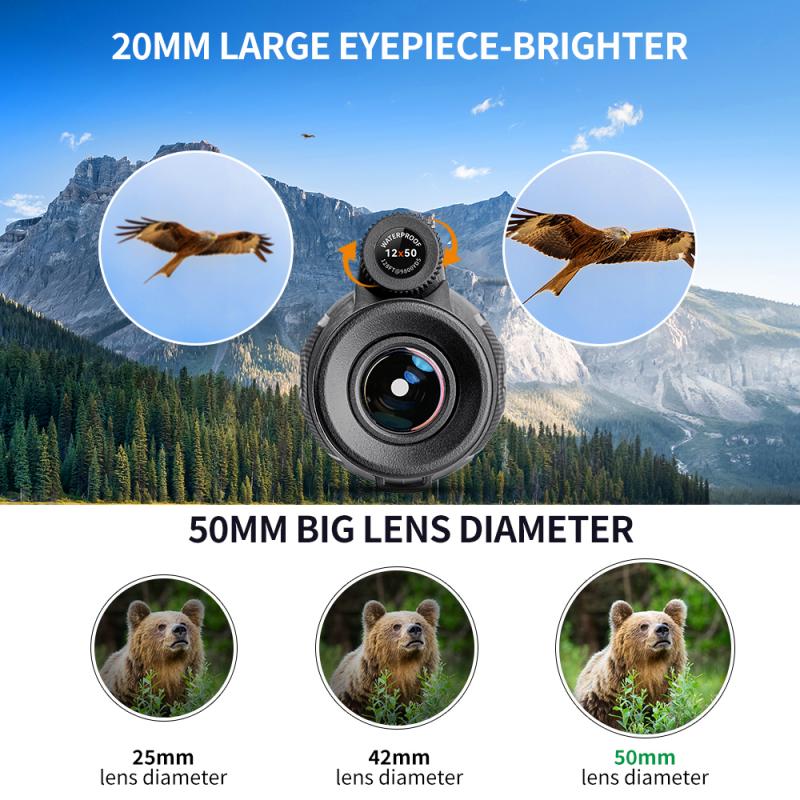
Before wearing or using a monocular, inspect its design:
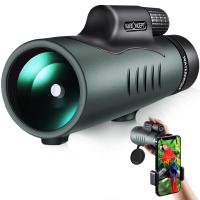
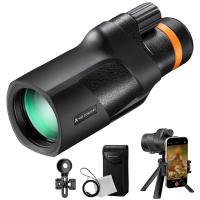
Eyepiece: The part you position against your eye to view images.
Lens and focus adjustment ring: Essential for sharpening clarity and adjusting zoom.
Carry strap or harness: If your monocular comes with a strap, it can aid in security and accessibility.
Understanding these components ensures you know where and how to position the device.
2. Adjust the Carry Strap or Neck Harness
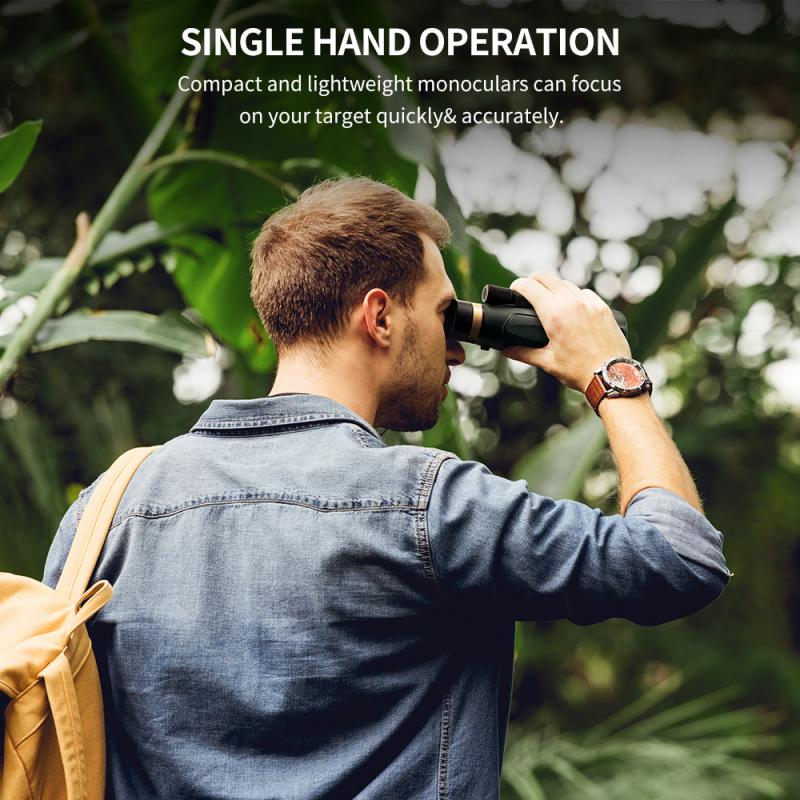
Most monoculars are equipped with carry straps or harnesses. Use these accessories for convenience and security:
Neckstrap: Adjust the strap length so the monocular rests near your chest without obstructing movement.
Hand strap: For smaller models, use a wrist strap to prevent accidental drops during hikes or activities.
If a monocular does not come with these features, consider using a compact protective case to keep it accessible when needed.
3. Decide Which Eye to Use
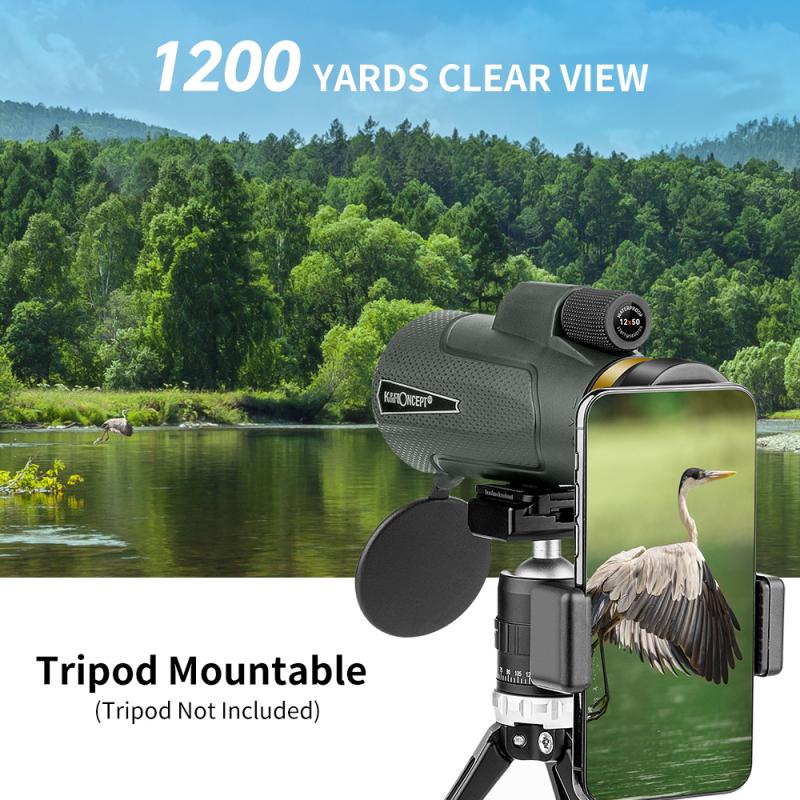
Although monoculars are designed for single-eye use, choosing the right eye can enhance your comfort. Most people naturally favor one eye, commonly referred to as the "dominant eye." To determine your dominant eye:
- Point your finger at a distant object and close one eye. Whichever eye keeps the finger aligned with the object is your dominant eye.
Once determined, align the eyepiece of the monocular with your dominant eye to maximize viewing comfort and precision.
4. Adjust the Focus
Monoculars typically feature a focus adjustment ring. Follow these steps to achieve clear and optimal viewing:
1. Hold the monocular securely against your dominant eye.
2. Look at an object in the distance.
3. Slowly rotate the focus ring to sharpen the view until it matches your preference.
Make sure to note the adjustment setting for quicker configurations in the future.
5. Secure the Monocular for Practical Use
Wearing a monocular is essential for convenience, especially if you're using it during activity-heavy scenarios like birdwatching, scouting, or trekking. Secure the monocular in a way that allows easy access:
- Attach it to a neck lanyard.
- Use a side belt pouch or pocket clip for easy placement when on the go.
Avoid positioning it loosely, as it can be inconvenient to reach quickly when needed.
Tips for Wearing a Monocular in Various Scenarios
The monocular isn't just limited to use in outdoor adventures; it has a variety of practical applications. Here are some tips for wearing monoculars in diverse scenarios:
For Outdoor Activities
During outdoor adventures such as birdwatching, hiking, or scouting, the monocular can be a perfect companion:
- Attach it to your backpack or use a lightweight clip to secure it to your outfit.
- When wearing a monocular for extended periods, opt for a lanyard with padded support to minimize discomfort.
Ensure that the monocular is dustproof or waterproof to protect it from environmental elements.
For Tactical or Emergency Situations
Monoculars are often used in tactical and security scenarios due to their compact design:
- Select models with night vision or infrared capabilities for low-light environments.
- Secure the monocular in a chest rig or tactical harness to allow rapid access during action-packed moments.
Accuracy and comfort are paramount in these situations, so consider anti-slip coatings or ergonomic designs.
For Fashion or Signature Style
Yes, monoculars have made their way into fashion accessories or signature looks. When used as part of your attire or personal style:
- Opt for vintage or elegantly crafted monoculars with ornate designs.
- Wear the monocular as a necklace locket with an adjustable chain or cord for an antique-inspired look.
- When not in use, display it as a functional yet unique accessory that complements formal or retro attire.
Techniques for Efficient Monocular Use
Once you've mastered wearing your monocular, learning techniques for efficient usage is crucial. Here are a few key practices to get the most out of your device:
Utilize Peripheral Vision
While using a monocular, the uncovered eye can aid in situational awareness. Utilize your peripheral vision when scanning large areas or observing dynamic scenes.
Be Mindful of Eye Strain
Using a monocular requires prolonged focus, which can lead to eye fatigue. Take breaks if you're observing for long periods and alternate between eyes to reduce strain.
Combine with Other Optical Tools
If you find the monocular inadequate for certain activities (such as hunting or stargazing), consider adding complementary tools like telescopes or binoculars to your arsenal. Reserve the monocular primarily for quick tasks requiring compact, single-handed use.
Troubleshooting Common Problems
Wearing and using monoculars isn’t always straightforward. Below are some common challenges users experience and how to overcome them:
Discomfort When Wearing Straps
Straps or harnesses may feel uncomfortable after long use. Consider padded straps and ergonomic designs to prevent strain.
Difficulty Focusing on Moving Objects
Tracking moving targets, like animals or vehicles, can be tricky. Practice smooth hand movements and steady positioning to improve tracking with your monocular.
Insufficient Magnification
If your monocular's magnification feels underpowered, ensure you’re using it within its optimal range, typically listed in its specifications. Upgrade to higher-powered models if necessary for precision needs.
Low Light Performance Issues
Basic monoculars may struggle in low-light conditions. Consider investing in models with night vision or reflective prism technology for enhanced performance in dim scenarios.
Advantages of Wearing a Monocular
For those wondering why one should choose a monocular over binoculars, several advantages stand out:
Portability: Its lightweight design is easy to carry and wear, even during prolonged activities.
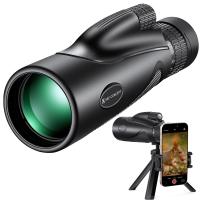
Adaptability: Monoculars are perfect for quick observations and can be paired with technological add-ons like smartphone adapters for photography.
Style: With modern designs and customization options, monoculars can transcend function to become fashionable.
When worn correctly, monoculars blend practicality with ease like few other optical devices.
Final Thoughts
Wearing and using a monocular effectively is as much an art as it is a science. From choosing which eye to use to adjusting the focus and understanding how to wear it comfortably, the monocular becomes an indispensable tool when mastered.
Beyond the technical aspects, monoculars serve as a statement of efficiency, practicality, and even style. Whether you're exploring nature, navigating tactical environments, or simply looking for a unique accessory, the monocular is a versatile device that adapts to your needs.
Take the time to familiarize yourself with its features, choose the right configuration for your lifestyle, and experiment with how you wear it in different scenarios. Over time, you’ll find that this compact optical tool bridges functionality with sleek presentation, becoming not just a device but an enhancement to your everyday ventures.