kfconcept

KENTFAITH
K&F Concept    Blog >

Enjoy Your Selected Digital Life

Recently Viewed
  • Recently Viewed
  • 62mm Variable ND Filter ND3-1000(1.5-10 Stops) Ultra-thin HD with Double-sided 28-layer Nano-coating Nano-Xcel Series
    62mm Variable ND Filter ND3-1000(1.5-10 Stops) Ultra-thin HD with Double-sided 28-layer Nano-coating Nano-Xcel Series
    $93.99 $74.99
Compare (0) 0
  • Compare
  • You have not chosen any products to compare.

  • Compare
Currency: USD
  • Currency
Shop by Scene Shop by Rank

Log Into Your Account

Account

Order History

Wish List

Login

Forgotten Password?

Or connect with

Register Account

Already have an Account?Log In

  • Shopping Cart
  • Your shopping cart is empty!

  • Register/Login to purchase, earn points
  • Favorite
  • Your wish list is empty.

  • Register/Login to like, earn points
  • Activities
  • Guide
    • Filter Guide
    • Lens Adapter
    • Product Review
  • News & Reviews
    • Camera Reviews
    • Sample Gallery
    • News
  • Tutorials
    • Solar eclipse photography
    • Photography Basics
    • Landscape Photography
  • Inspiration
    • Travel
    • Travel Stories
  • Home
  • Blog
  • Can You Use A Monocular For Astronomy?

Can You Use A Monocular For Astronomy?

Kentfaith 2024-12-26 01:22:23 0 Comments

Can You Use a Monocular for Astronomy? A Comprehensive Guide
can you use a monocular for astronomy 1

Astronomy is one of the most fascinating hobbies you can take up, allowing you to explore the vastness of the universe from the comfort of your backyard. Many enthusiasts, especially beginners, often wonder if a monocular—a more portable and simpler optical instrument—can serve as a viable tool for stargazing and astronomical observation. In this article, we’ll examine whether a monocular can be used effectively for astronomy, what limitations it has compared to other instruments like telescopes, and how to maximize its potential for celestial exploration.

What is a Monocular?
can you use a monocular for astronomy 2

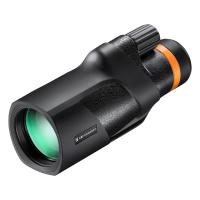
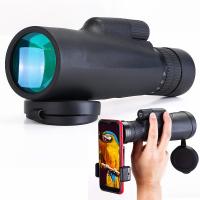
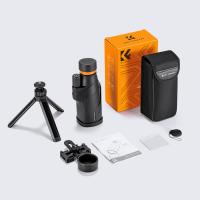
Before diving into its use for astronomy, it's important to understand what a monocular is. A monocular is a compact optical device that magnifies distant objects. Unlike binoculars, which use two lenses (one for each eye), a monocular is designed for single-eye viewing. It consists of a single lens, a small body, and often features adjustable focus mechanisms to sharpen the image.

Monoculars come in various magnifications and designs, ranging from simple models with a few times magnification to more complex, high-powered versions capable of offering greater zoom levels. They are often marketed as a lightweight, portable alternative to binoculars or telescopes, particularly useful for activities like birdwatching, hiking, and sightseeing.

But how does this portable instrument hold up when it comes to stargazing and astronomy?

Can a Monocular Be Used for Stargazing?
can you use a monocular for astronomy 3

The short answer is yes, you can use a monocular for astronomy. However, the extent to which it is useful depends on what you’re hoping to observe and what you expect from your stargazing experience.

Advantages of Using a Monocular for Astronomy
can you use a monocular for astronomy 4

1. Portability

One of the biggest selling points of a monocular is its portability. Unlike bulky telescopes, which can require significant setup time and are heavy to carry, a monocular is small, lightweight, and can fit in your pocket. This makes it a convenient choice for casual stargazing, especially if you want something to take with you on a hike or camping trip. You can easily slip it into your backpack and pull it out whenever you want to get a closer look at the night sky.

2. Ease of Use

Monoculars are simple to use and require very little setup. All you need to do is hold it to your eye, adjust the focus, and you’re ready to observe. This makes them a great tool for beginners who may feel overwhelmed by the complexity of telescopes. There's no need to worry about aligning the telescope or using advanced controls—just point and view.

3. Affordability

While telescopes can be a significant investment, monoculars are generally much more affordable. Even high-quality models tend to be relatively inexpensive compared to telescopes. For someone just starting in astronomy and not ready to invest a lot of money, a monocular offers an accessible entry point.

4. Great for Viewing Bright Objects

Monoculars excel at viewing bright celestial objects such as the Moon, bright planets like Venus, and stars. Due to their relatively low magnification and wide field of view, monoculars are ideal for quickly scanning the sky and identifying these objects. Their compact size also makes them perfect for following moving objects, such as satellites or comets.

Limitations of a Monocular for Astronomy

While there are certain advantages to using a monocular for astronomy, there are significant drawbacks as well. Understanding these limitations is crucial before you start using a monocular for stargazing.

1. Limited Magnification

Monoculars typically offer much lower magnification than telescopes. Most monoculars have a magnification range between 6x and 12x, though some models might go higher. For deep-sky observations, such as those of nebulae, galaxies, or distant star clusters, this level of magnification is simply not enough. Telescopes, on the other hand, can easily provide magnifications upwards of 100x or even more, revealing far more detail.

When you’re observing celestial bodies like distant planets, you’ll likely see a small, blurry disk through a monocular, whereas a telescope can show intricate details such as the rings of Saturn or the cloud bands on Jupiter.

2. Narrow Field of View

Monoculars generally have a narrower field of view than binoculars or telescopes, especially at higher magnifications. This can make it difficult to track fast-moving objects like meteors or satellites. For astronomical purposes, a narrow field of view also means you’ll need to make frequent adjustments to keep the object you’re viewing within the frame, which can be cumbersome and frustrating when you’re trying to get a clear picture of a specific target.

3. Lack of Detail for Faint Objects

Another limitation is the monocular's inability to resolve faint objects, such as distant galaxies, nebulae, or star clusters. These faint objects require more light-gathering power and higher magnification than a monocular can offer. A telescope, especially a larger aperture telescope, can capture more light and reveal far more detail in the dimmer regions of the sky.

4. No Tracking Capabilities

Unlike more sophisticated telescopes, monoculars don’t come with tracking systems that help you follow celestial objects as they move across the sky. This makes long-term observations, such as watching the motion of planets or stars, challenging. While you can certainly spot a planet with a monocular, keeping it in view for any extended period is difficult, especially as the Earth’s rotation causes objects to shift position in the sky.

When is a Monocular Useful in Astronomy?

Despite its limitations, a monocular can still be very useful for certain types of astronomical observations. Here are some scenarios where a monocular might be the perfect tool:

1. Casual Stargazing

If you’re simply interested in looking at the brighter objects in the night sky, like the Moon, Venus, or Jupiter, a monocular is more than sufficient. It provides enough magnification to make these objects appear larger and more detailed, without overwhelming you with the complexity of a telescope.

2. Planet and Moon Observation

A monocular can offer a good view of planets like Venus, Mars, and Jupiter, especially when these planets are particularly bright and close to Earth. You may also get an interesting view of the lunar surface, such as the craters on the Moon. While a telescope will provide much more detail, a monocular can still give you a sense of the Moon’s phases and larger features.

3. Star and Constellation Identification

For beginners who are just learning to identify stars and constellations, a monocular is an excellent tool. You can use it to get a closer look at star clusters or to help you locate constellations in the sky. Monoculars’ wide field of view can help you get a broader picture of the night sky, making it easier to identify patterns and constellations.

4. Portable Astronomy on the Go

If you’re someone who enjoys astronomy while traveling or hiking, a monocular is a great companion. You can easily bring it along and use it to observe celestial objects whenever you find yourself under a dark sky. Its compactness and simplicity make it perfect for outdoor activities where space and weight are at a premium.

How to Get the Most Out of Your Monocular for Astronomy

While monoculars are inherently limited when it comes to astronomical observations, there are still ways to make the most of your device:

1. Choose the Right Magnification

While monoculars with higher magnification will allow you to see more detail, they also tend to have a smaller field of view. For astronomical purposes, it’s often better to choose a monocular with a moderate magnification (around 8x to 10x). This will give you a better balance between magnification and field of view, making it easier to find and track objects in the sky.

2. Use a Tripod

Handheld monoculars can be shaky, especially when magnification is high. To get a clearer, steadier image, consider using a tripod or a stabilizer mount. This will allow you to keep your monocular steady while observing objects in the sky, making the experience more enjoyable and less tiring.

3. Focus on Bright Objects

Since monoculars are not ideal for faint objects, stick to brighter celestial bodies, such as the Moon, bright planets, and major stars. You’ll get the best results when observing these objects, and you’ll be able to appreciate their details without the need for high-powered equipment.

4. Check the Weather and Light Pollution

Clear skies are essential for good stargazing. Choose a location with minimal light pollution to get the best view of the stars. Urban areas can severely limit your ability to see dimmer objects, so try to get out of the city when you can.

In conclusion, while a monocular is not a replacement for a telescope in astronomy, it is certainly a practical and enjoyable tool for casual stargazing. Its portability, simplicity, and affordability make it an excellent entry point for beginners who want to explore the night sky without the complexity and expense of more advanced equipment. By understanding its limitations—such as lower magnification, a narrow field of view, and lack of tracking capabilities—you can set realistic expectations and make the most of your monocular. Whether you're looking at the Moon, planets, or simply identifying constellations, a monocular can offer a satisfying stargazing experience.
Leave your comment
Cancel reply
Note: HTML is not translated!
Related products
Gift Certificate: $200 Value - Can Use with Any Discounts
$200.00 $190.00
Gift Certificate: $300 Value  - Can Use with Any Discounts
Gift Certificate: $300 Value - Can Use with Any Discounts
$300.00 $285.00
Gift Certificate: $1000 Value  - Can Use with Any Discounts
Gift Certificate: $1000 Value - Can Use with Any Discounts
$1,000.00 $950.00
Gift Certificate: $500 Value  -Can Use with Any Discounts
Gift Certificate: $500 Value -Can Use with Any Discounts
$500.00 $475.00
Gift Certificate: $800 Value - Can Use with Any Discounts
$800.00 $760.00
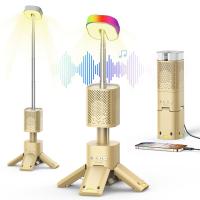
A Camping Lantern That Dances with You, Rechargeable, Telescoping & Compact with Bluetooth Speaker, Emergency Power Bank 14000mAh Battery Kentfaith
116
$199.99 $94.99
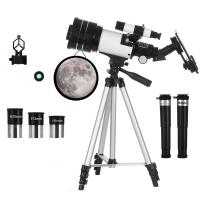
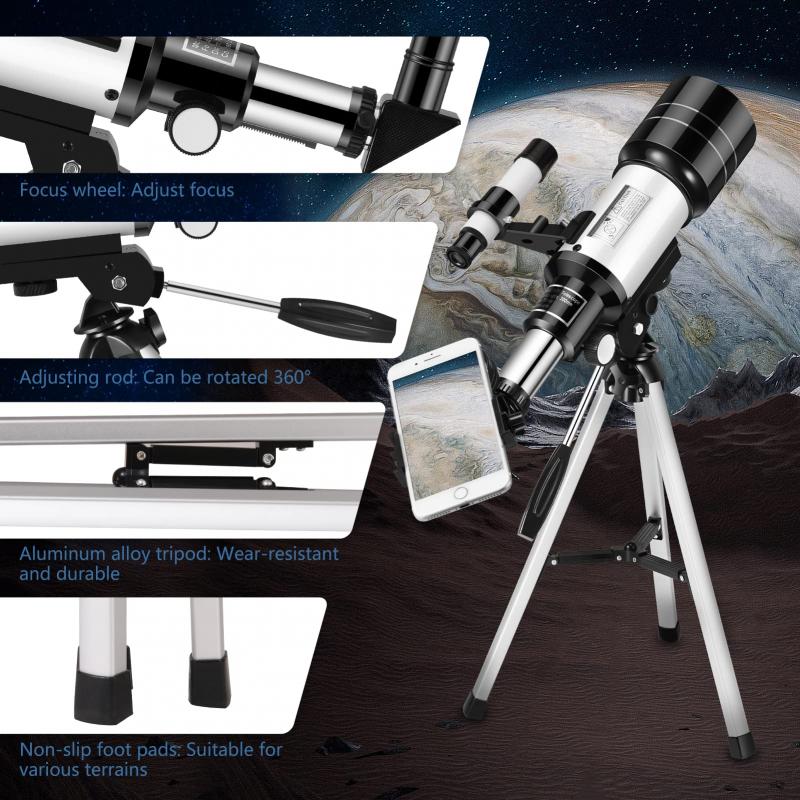
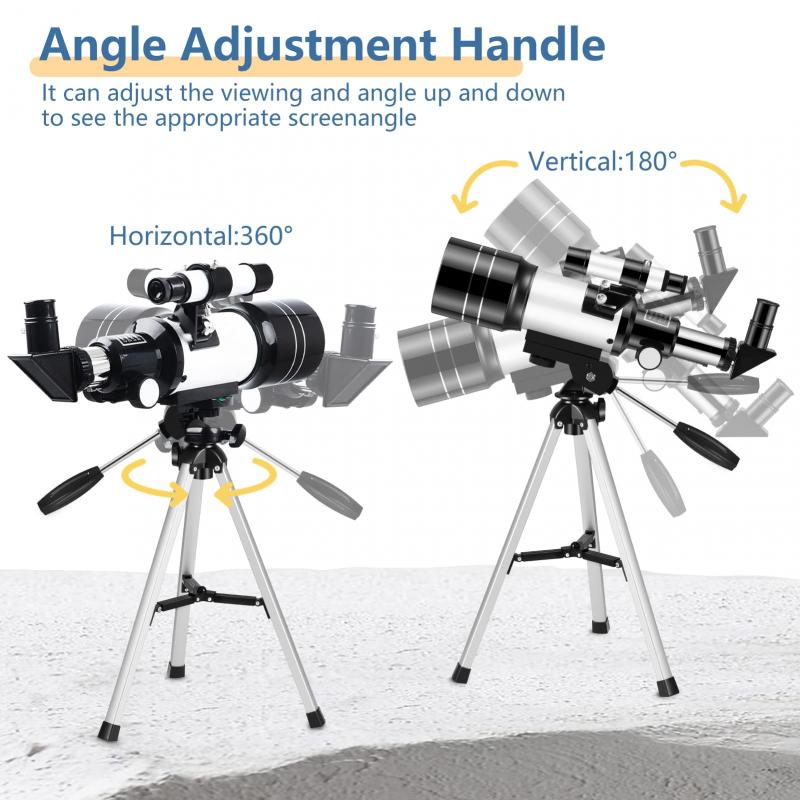
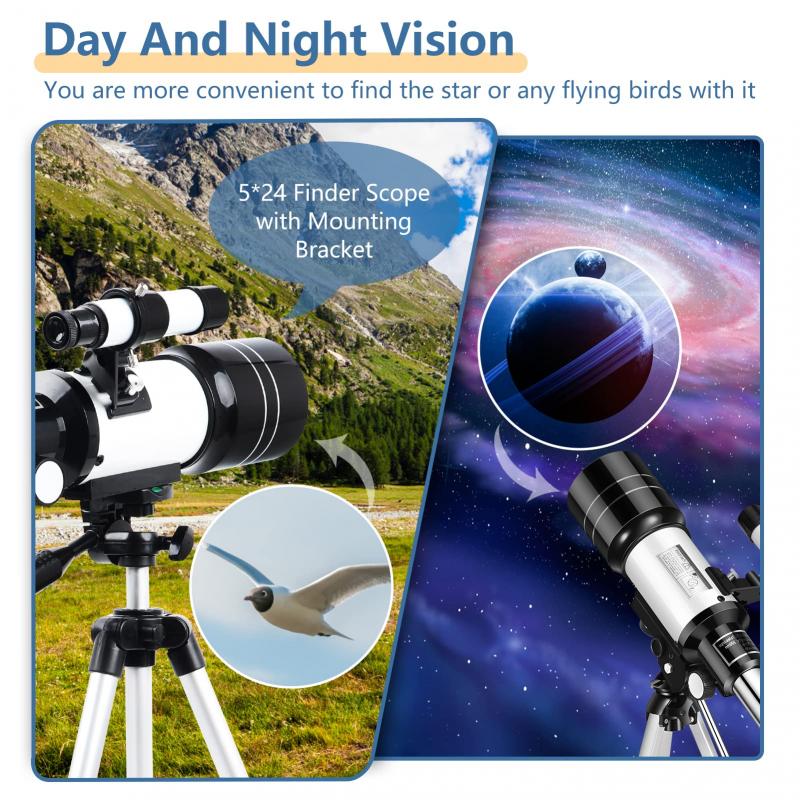
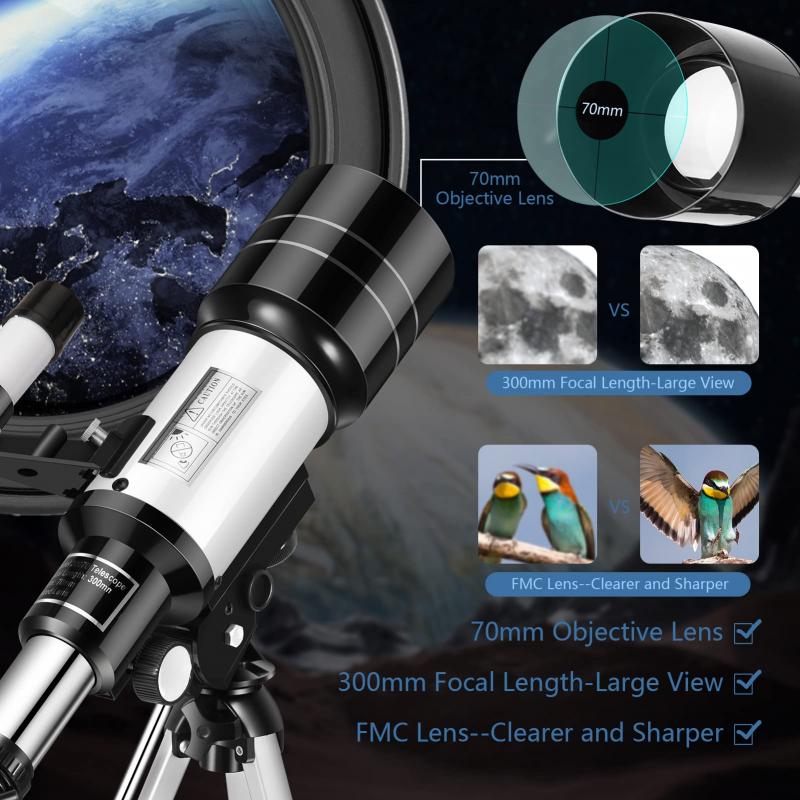
70mm Aperture Solar Eclipse & Astronomical Refracting Telescope (15X-150X) for Adults and Children, Beginners in Astronomy, 300mm Portable Telescope
141
$209.99 $94.99
16x52 Monocular for Bird Watching Hunting Travel
70
$47.99 $20.99
12X50 Monocular Telescope with Cleaning Cloth, FMC Lens & BAK4 Prism Telescopes for Adults, Sky Captain HD Monocular for Bird Watching Hunting Hiking Camping Travelling
37
$66.99 $34.99
10-30x50 HD High Power Monocular Low Night Vision, Waterproof Zoom Monocular for Adults Bird Watching Hiking Traveling Concert Sport Game
83
$119.99 $47.99
Products You May Like
24MP 1080P Wildlife Camera, Real-time Alarm Received within 1/4 Miles, 120°*65 ft Wide Observation Range, Triggered within 0.2s, Night Vision, Alarm Receiver+AA Alkaline Batteries+64G Memory Card Included
29
$134.99 $89.99
100*150mm Square Filter Pouch for 3 Lens Filters + 1 Filter Holder, Microfiber Interior, Grey, for Filter Holder System NANO-X Pro Series
3
$61.99 $37.99
KW19 Pro Full Screen Touch Smart Watch Blood Pressure Heart Rate Monitor Fitness Tracker- White
5
$29.99
Insite Air Trail Camera
10
$162.99 $106.99
52mm ND8-ND2000 (3-11stop) Variable ND Filter Neutral Density Filter with Multi-Resistant Coating Nano-Dazzle
72
$62.99 $49.99
DJI Mini 3 Pro & Mini 3 (ND64 & PL) Filter HD Light Reduction 6-stops with Anti-reflection Green Film Waterproof, Scratch-resistant
121
$28.99 $17.99
58mm Black Mist 1 Filter Mist Cinematic Effect Filter Black Diffusion 1 Filter with 18 Multi-Layer Coatings Nano-Klear Series
212
$27.99 $21.99
K&F Concept Performance Adjustable Hat - black
$12.99
Variable ND2-32 Filter Compatible with DJI Osmo Action 5 Pro/Osmo Action 4/Osmo Action 3, Snap-on Installation, no need to remove the original filter
$24.99
48MP Kids Camera Auto Focus with 32GB Card 1080P Camcorder with 16x Zoom, Kids Christmas / Birthday Gift Teens Girls Boys (Silver)
27
$189.99 $69.99
Related articles
Can You Use A Camcorder For Skype?
Can You Use A Camera Tripod For Binoculars?
Can You Use A Lavalier Microphone For Music?
What Binoculars To Buy For Astronomy?
Can You Use Microphone Cable For Speakers?
Can You Use Golf Rangefinder For Hunting?
Can You Use Go Pro For Dash Cam?
Can You Use Multiple Sd Cards For Switch?
Can You Use A Variable Nd Filter?
What Does A Uv Camera Filter Do?
Blog You May Like
How To Read Micro Sd Card On Pc?
How To Use Camera Hand Straps?
How Do You Read A Fish Finder?
Samsung Galaxy Flashing Light When Phone Rings?
How To Change Light Settings On Ring Camera?
Can A Camera Flash Damage Your Eyes?
Which Camera Is Best For Low Light Photography?
What Is The Best Thermal Imaging Monocular?
How To Make Your Own Hidden Camera Detector?
2024 Guide to photographing the eclipse(SOLAR ECLIPSE LIVESTREAMING WITH K&F CONCEPT-CST, April 8th,2024)
Related categories
infrared night vision monocular​ A Mount Lens Adapter Sony A Mount Lens Adapters minolta a mount lenses Lens Filters for DJI Osmo Pocket 3 light pollution filter for astrophotography phone camera lens
Popular products
best camping rechargeable lantern mini web camera wifi portable monocular telescope night vision optics monocular cell phone monocular telescope lightweight hiking monocular monocular zoom bird watching uhf wireless microphone system best monocular telescope for smartphone Compact Monocular
Related searches
A Monocular Microscope Monocular For Phone Monocular For Iphone Monocular For Hunting Microphone For Outdoor Use Monocular Sony Alpha Bodies That Use A-mount Lenses Thermal Monocular For Hunting Monocular For Bird Watching Security Cameras For Outdoor Use
Popular searches
Best Lens For Diana Lomography Slr Adapter Powerful Binoculars On Tripod Pentax 67 Adapter 645 58mm Filters Binoculars With Digital Camera And Night Vision Canon R7 Lens Mount Telescopes With Camera Camera Case Insert For Backpack Iphone Ring Light Nikon Ais Mount
Blog Category
  • Activities
  • Guide
    • Filter Guide
    • Lens Adapter
    • Product Review
  • News & Reviews
    • Camera Reviews
    • Sample Gallery
    • News
  • Tutorials
    • Solar eclipse photography
    • Photography Basics
    • Landscape Photography
  • Inspiration
    • Travel
    • Travel Stories
Search Article
Latest from the Blog
How To Find Camera Roll On Iphone 5s?
Dash Cam That Can Connect To Phone?
What Tripod To Buy?
Can You Zoom In With Binoculars?
How To Make A Camera Flash After Effects?
How Do Cellular Trail Cameras Work? – The Complete Guide for Hunters and Wildlife Enthusiasts
How Much Does It Cost For Security Cameras?
What Is The Difference Between Binoculars And Telescope?
What Is The Best Camera To Record Videos?
How Big A Memory Card For Camera?
  • Easy Payment Multilple Payment Options

  • Free Shipping Global WareHouse Shipment

  • No Risk 30-Day No Reason Return

  • Limited Deals Buy More, Save More

  • Tax Free No any surcharges or tax fee

Information
  • About us
  • Contact Us
  • Site Map
  • Blog
  • Video
  • Gallery
  • VIP Membership Rewards
Service
  • Privacy Policy
  • Terms & Conditions
  • Shipping & Delivery
  • Payment Info
  • Warranty, Return & Refund
  • Intellectual Property Rights
  • Ambassador
  • Affiliates
  • Wholesale
Support
  • My account
  • Order History
  • FAQs
  • Extend Warranty
  • Logistics Tracking
Follow us
NewsLetter

Get the latest product, K&F Concept respects your privacy.

Powered By KENTFAITH © 2025