Where Can I Find Hidden Cameras?
Understanding and Detecting Hidden Cameras: A Practical Guide
Privacy is a fundamental right, but the advent of increasingly accessible surveillance technology has led to concerns about hidden cameras being placed in both private and public spaces. Whether you're staying at a rental property, visiting a hotel, or suspect cameras to be in places like locker rooms, offices, or changing rooms, the issue of detecting hidden cameras remains critical. This guide will help you understand where hidden cameras are often found, the tools and techniques to detect them, and how to safeguard your privacy effectively.
The Rise of Hidden Cameras: Where Are They Found?
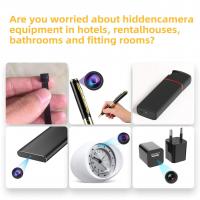
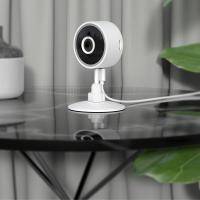
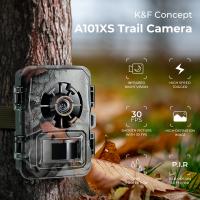
Hidden cameras are designed to be discreet and blend into the surrounding environment. They may be hidden inside everyday objects or disguised to resemble innocent items. Understanding common hiding spots for these devices is the first step toward detection. Here are places where hidden cameras are frequently discovered:
1. Inside Rental Properties and Hotel Rooms
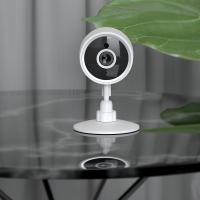
Smoke detectors: Hidden cameras can be embedded inside a smoke detector as they are positioned high and have a wide view of the room.
Television sets or electronics: Cameras may be hidden within TV setups, charging docks, clock radios, or even light fixtures.
Air vents and outlets: These provide excellent concealment spaces for cameras due to their inconspicuous design.
Decoration items: Cameras are sometimes embedded in objects such as picture frames, mirrors, plants, or sculptures.
2. Public Restrooms and Changing Spaces
While this is less common, cases have been reported where individuals placed cameras in these vulnerable spaces. Hidden cameras might be concealed in fixtures, coat hooks, speakers, or air fresheners. Vigilance is essential in areas where privacy violations could occur.
3. Office Spaces and Workplaces
Employers may install surveillance equipment to monitor employees, though there are laws governing the misuse of cameras at work. Cameras may be hidden in objects typically found in break rooms, offices, or meeting spaces, such as clocks, coffee makers, or computer peripherals.
4. Vehicles
Dashcams can sometimes be manipulated or concealed within rental or loaned vehicles, including on rearview mirrors, gearboxes, or seats. If you're using a car temporarily or suspect a hidden recorder in transit, it’s worth checking thoroughly.
5. Outdoor Settings
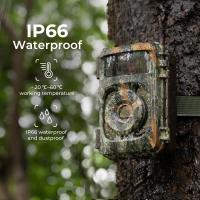
Hidden security cameras can be disguised within items like birdhouses or ornaments placed in your garden or outdoor spaces. Although these may not always constitute privacy infringement, it's crucial to be aware of them.
How to Detect Hidden Cameras: Reliable Techniques and Tools
Detecting hidden cameras involves a mix of observation, light tests, technology scans, and an element of situational awareness. If you suspect a hidden camera nearby, here are your options:
1. Visual Inspection
Carefully inspect your surroundings for unusual devices or objects that seem out of place. Here’s what to look for:
- Objects that seem unusually positioned to get a clear view of spaces.
- Items with small holes, reflective surfaces, or odd designs.
- Misaligned seams or slightly raised surfaces on objects.
2. Use Flashlight or Phone Torch
Many cameras have lenses that reflect light, even if disguised. Darken the room and shine a flashlight or your smartphone's torch around the area. Look carefully for reflections that may indicate the presence of a lens.
3. Scan Using Your Smartphone
Smartphones can be helpful in detecting hidden cameras:
Using your phone’s camera: If there’s infrared light emanating from a camera, your phone's camera can often pick up this invisible wavelength. Sweep the room with your camera in low-light conditions and look for glowing dots or signals.
Download detection apps: There are apps available for both Android and iOS that help scan for hidden cameras by detecting unusual Wi-Fi or Bluetooth signals.
4. Employ RF Signal Detectors
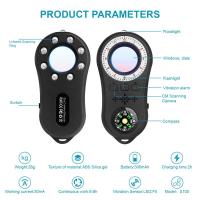
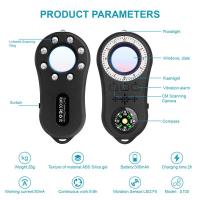
Radio Frequency (RF) detectors can identify signals transmitted by wireless cameras. These portable devices scan for frequencies commonly used by recording equipment. If a hidden camera is transmitting data, the RF detector should alert you.
5. Inspect Mirrors
One of the oldest hiding places for cameras is inside mirrors. Use the fingernail test to check if it’s a genuine or a two-way mirror:
- Place your fingernail against the mirror.
- If there’s a gap between your nail and the mirrored reflection, it’s likely a standard mirror.
- If your nail touches directly with no gap, it could be a two-way mirror.
6. Professional Sweeping
If you suspect a sophisticated hidden camera system, consider consulting professionals. Many security companies conduct private sweeps for residential, commercial, and public spaces to detect cameras using proprietary equipment.
Preventing Hidden Cameras: Proactive Measures to Protect Your Privacy
Beyond searching for existing cameras, it is also important to proactively reduce the likelihood that hidden cameras infringe on your privacy. Here are some key suggestions to safeguard yourself against hidden cameras:
1. Awareness When Booking Travel
If you're renting vacation properties or staying in hotels, pay attention to reviews mentioning concerns over privacy breaches. Hosts are often required to disclose cameras installed in public or shared areas, but hidden cameras in private spaces are illegal.
2. Use Camera Detection Tools Regularly
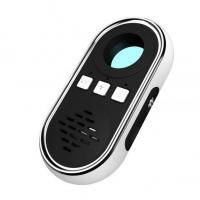
Portable camera detection tools, such as hidden camera finders, can ensure consistent safety wherever you travel. These tools make life simpler by eliminating the need for manual checks.
3. Cover Vulnerable Angles
In suspect spaces like a bedroom or changing area, utilize items such as scarves, towels, or adhesive tape to cover vulnerable light fixtures, mirrors, or smoke detectors. As a short-term measure, this prevents visual access.
4. Research Laws Regarding Surveillance
If you're unsure, familiarize yourself with local laws governing surveillance equipment usage in public and private spaces. For example, the laws and penalties for individuals using hidden cameras illegally can vary by country or state.
What Should You Do If You Find a Hidden Camera?
Finding a hidden camera can be unsettling, but knowing how to respond is equally important to maintaining control over the situation. Here’s what to do next:
1. Document the Evidence
Do not tamper with the camera immediately. Instead:
- Take detailed photographs or videos of the device as evidence.
- Record its exact location within the space.
2. Report to Authorities
Notify local law enforcement authorities or the management of the property immediately. Hidden cameras placed without permission are a privacy violation and are often criminalized under local laws.
3. Consult an Attorney
If you find yourself uneasy about proceeding, consider consulting with legal professionals to understand your rights and how to take further action. Personal privacy cases often rely on proper documentation.
4. Remove the Camera
Once documented and reported, you may choose to remove the camera or cover the lens to ensure immediate safety.
Hidden cameras represent a serious concern for individuals striving to protect their privacy. By understanding the common places these devices may be concealed, knowing how to detect them efficiently, and taking proactive prevention measures, you can minimize the risk of being filmed without your consent. Armed with vigilance and the right tools, you can confidently navigate private or public spaces, ensuring your rights and well-being are safeguarded.
Remember, your privacy is non-negotiable. Whether traveling, working, or simply going about your daily life, taking ownership of your surroundings will help you avoid unpleasant surprises and create a safer environment for yourself and those around you.