How Do I Find Hidden Cameras?
In today’s world, privacy is a growing concern, and the possibility of hidden cameras in private spaces has become a real issue. Whether you’re staying in a hotel, renting an Airbnb, or even suspecting surveillance in your own home, knowing how to detect hidden cameras is an essential skill. Hidden cameras can be concealed in everyday objects, making them difficult to spot. However, with the right techniques and tools, you can protect your privacy and ensure your personal space is secure. In this article, we’ll explore practical methods to find hidden cameras and safeguard your privacy.
Why Hidden Cameras Are a Concern
Hidden cameras are often used for legitimate purposes, such as security or monitoring public spaces. However, when used without consent, they can violate privacy and even lead to criminal activity. Cases of hidden cameras being discovered in hotel rooms, changing rooms, and rental properties have raised awareness about this issue. These devices are often small, discreet, and cleverly disguised, making them hard to detect without a systematic approach.
Signs That You May Be Under Surveillance
Before diving into detection methods, it’s important to recognize potential signs of hidden cameras. These include:
- Unusual objects or placements: Items like smoke detectors, clocks, or USB chargers in odd locations may house hidden cameras.
- Unexplained wires or lights: Wires that don’t seem to serve a purpose or small blinking lights could indicate a hidden device.
- Strange noises or interference: Some hidden cameras emit faint buzzing sounds or cause interference with electronic devices.
- Feeling of being watched: While subjective, trust your instincts if something feels off.
Methods to Detect Hidden Cameras
1. Conduct a Visual Inspection
The first step in detecting hidden cameras is a thorough visual inspection of the area. Look for anything that seems out of place or unusual. Pay close attention to:
- Small holes or openings: Cameras need a clear line of sight, so they are often placed behind small holes in walls, ceilings, or objects.
- Unusual objects: Items like alarm clocks, smoke detectors, picture frames, or even stuffed animals can be modified to house cameras.
- Mirrors: Some two-way mirrors can conceal cameras. To test, place your finger against the mirror. If there’s no gap between your finger and its reflection, it could be a two-way mirror.
2. Use a Flashlight
A flashlight can help you spot hidden lenses. Turn off the lights in the room and shine a flashlight around. Camera lenses will reflect light, making them easier to spot. Focus on areas like vents, smoke detectors, and other objects that could conceal a camera.
3. Leverage Your Smartphone
Your smartphone can be a powerful tool for detecting hidden cameras. Here’s how:
- Camera lens detection: Open your phone’s camera and slowly scan the room. Hidden cameras often emit infrared (IR) light, which is invisible to the naked eye but can be detected by your phone’s camera. Look for small, glowing dots on your screen.
- Wi-Fi network scan: Many hidden cameras are connected to Wi-Fi networks. Use apps like Fing to scan for unknown devices on the network. If you find a device that doesn’t belong to you, it could be a hidden camera.
- Call interference: Make a phone call and walk around the room. Hidden cameras that emit radio frequencies may cause interference or static during the call.
4. Invest in a Hidden Camera Detector
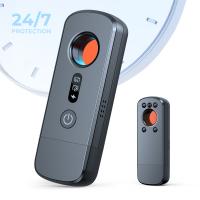
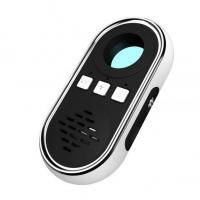
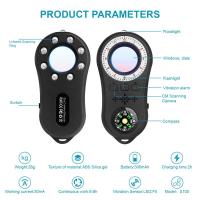
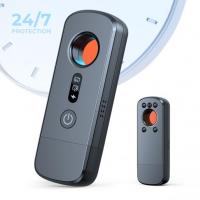
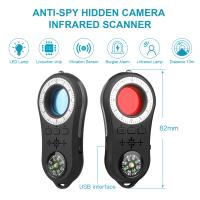
If you frequently travel or are particularly concerned about privacy, consider purchasing a hidden camera detector. These devices are designed to detect camera lenses and radio frequencies emitted by wireless cameras. They are easy to use and can quickly identify hidden devices.
5. Listen for Unusual Sounds
Some hidden cameras produce faint noises, such as buzzing or clicking. Turn off all background noise and listen carefully. While this method isn’t foolproof, it can sometimes help you identify suspicious devices.
6. Check for Infrared Lights
Many hidden cameras use infrared for night vision. In a dark room, use your smartphone’s front-facing camera (which often lacks an IR filter) to scan for infrared lights. These will appear as small, glowing dots on your screen.
7. Inspect Electrical Outlets and Cables
Hidden cameras often require power, so they may be connected to electrical outlets or disguised as part of a cable. Check for any unusual or unnecessary wires, especially near objects that could conceal a camera.
8. Examine Smart Devices
Smart devices like speakers, thermostats, or even light bulbs can be modified to include hidden cameras. If you’re in a rental property, inspect these devices closely and disconnect them if you’re unsure about their purpose.
What to Do If You Find a Hidden Camera
If you discover a hidden camera, it’s important to handle the situation carefully:
1. Document the evidence: Take photos or videos of the device and its location.
2. Do not tamper with the device: Avoid touching or removing the camera, as this could interfere with evidence.
3. Report the incident: Notify the property owner, management, or local authorities. If you’re in a hotel or rental property, contact the platform (e.g., Airbnb) to report the issue.
4. Seek legal advice: Depending on your location, the use of hidden cameras without consent may be illegal. Consult a lawyer to understand your rights and options.
Preventive Measures to Protect Your Privacy
While detecting hidden cameras is important, taking preventive measures can help you avoid such situations altogether:
- Research accommodations: Before booking a hotel or rental property, read reviews and look for any mentions of privacy concerns.
- Use a camera cover: For devices like laptops or smart TVs, use a physical cover to block the camera when not in use.
- Secure your Wi-Fi network: If you’re staying in a rental property, ask for the Wi-Fi password and ensure the network is secure.
- Be cautious with smart devices: Disconnect or cover smart devices if you’re unsure about their purpose.
In an age where technology is becoming increasingly invasive, protecting your privacy is more important than ever. Hidden cameras can be difficult to detect, but with the right tools and techniques, you can safeguard your personal space. By conducting thorough inspections, leveraging your smartphone, and investing in detection devices, you can identify and address potential threats. Remember, your privacy is a fundamental right, and taking proactive steps to protect it is always worth the effort. Whether you’re at home, in a hotel, or renting a property, staying vigilant can help you maintain control over your personal space.