What Power Binoculars For Long Distance Viewing?
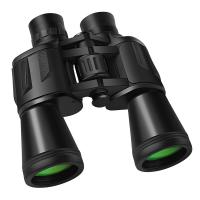
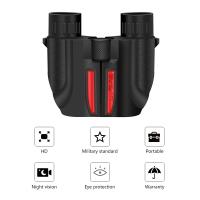
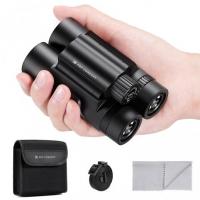
When it comes to long-distance viewing, choosing the right pair of binoculars is crucial to ensure you get the best experience in terms of clarity, magnification, and comfort. Whether you're using binoculars for stargazing, birdwatching, hunting, or general outdoor exploration, understanding how to select the appropriate magnification power and other key specs will make all the difference. This article will guide you through selecting the best power binoculars for long-distance viewing, breaking down the essentials to help you make an informed decision.
Magnification Power Explained
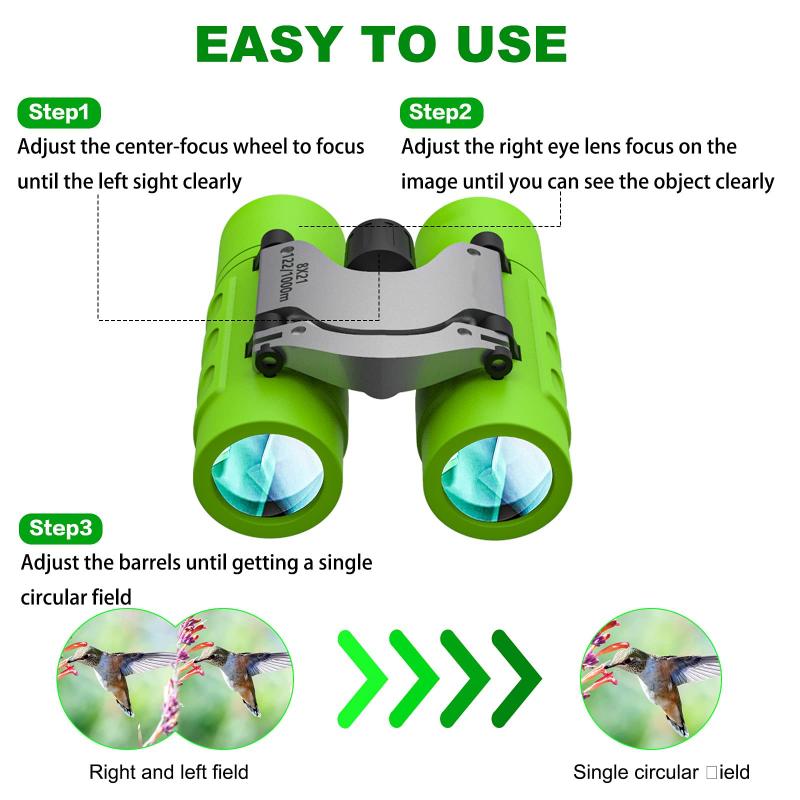
The first thing to consider when choosing binoculars is their magnification power. This is generally represented in a format like "10x50" or "20x80." Here's how to interpret it:
1. Magnification: The first number indicates how much closer the object will appear compared to the naked eye. For example, "10x" magnification means objects will appear 10 times closer.
2. Objective Lens Size: The second number refers to the diameter of the front lens (also known as the objective lens) in millimeters. The lens diameter determines how much light the binoculars can gather, directly affecting brightness and image clarity.
Higher magnification means a closer view, but it also comes with trade-offs like narrower fields of view, reduced steadiness, and lower light-gathering ability. Similarly, a wider objective lens will usually provide better brightness and clarity in low-light conditions, but it will often make the binoculars heavier and bulkier.
Ideal Magnification for Long-Distance Viewing
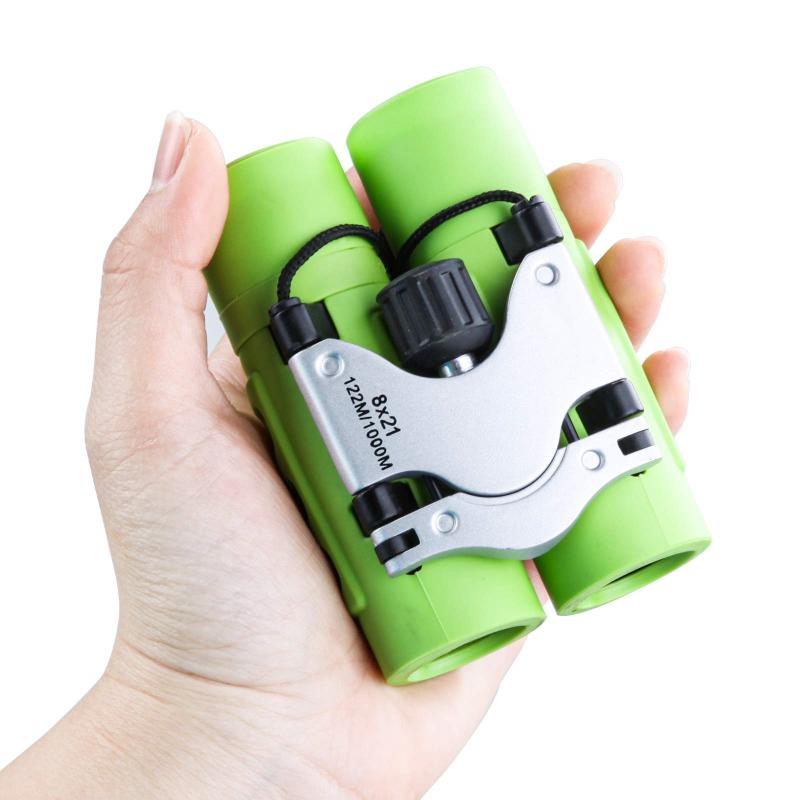
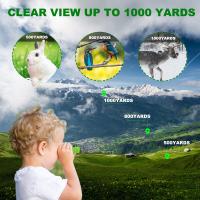
For long-distance viewing, such as observing distant wildlife, landscapes, or even stargazing, higher magnifications, typically between 10x and 20x, are preferred. Let’s explore some practical ranges and their use cases:
1. 10x Magnification
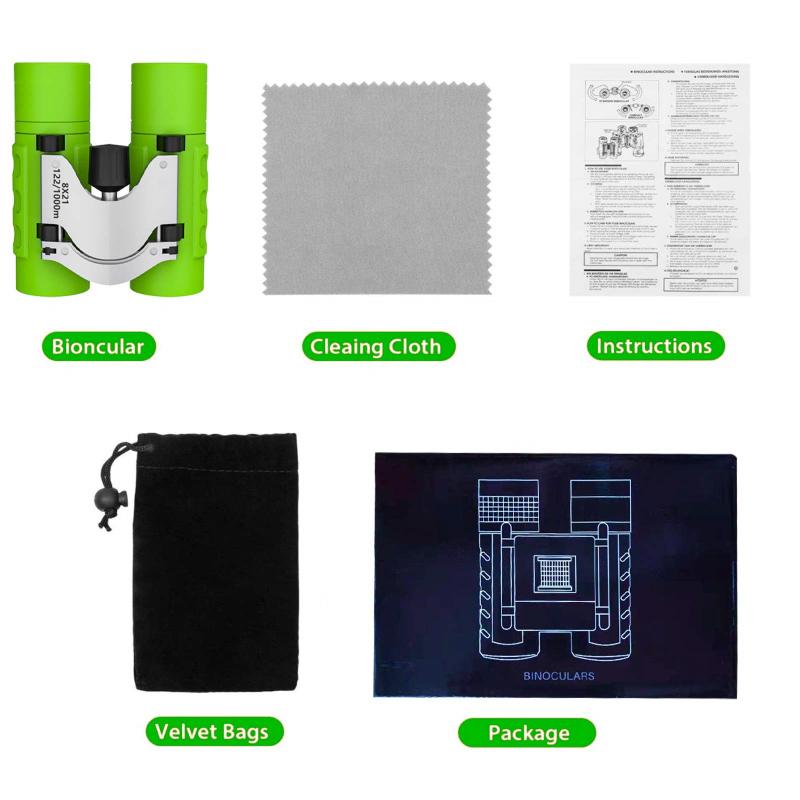
Advantages: Binoculars with 10x magnification offer a balance of magnification and steady viewing. They are easier to stabilize when handheld, making them suitable for activities like birdwatching, wildlife observation, or general nature hikes.
Best For: Medium to long-distance views, where excessive distance or minute detail isn't as critical. These are also ideal for beginners or those who don’t want to carry additional stabilization equipment.
2. 12x to 15x Magnification
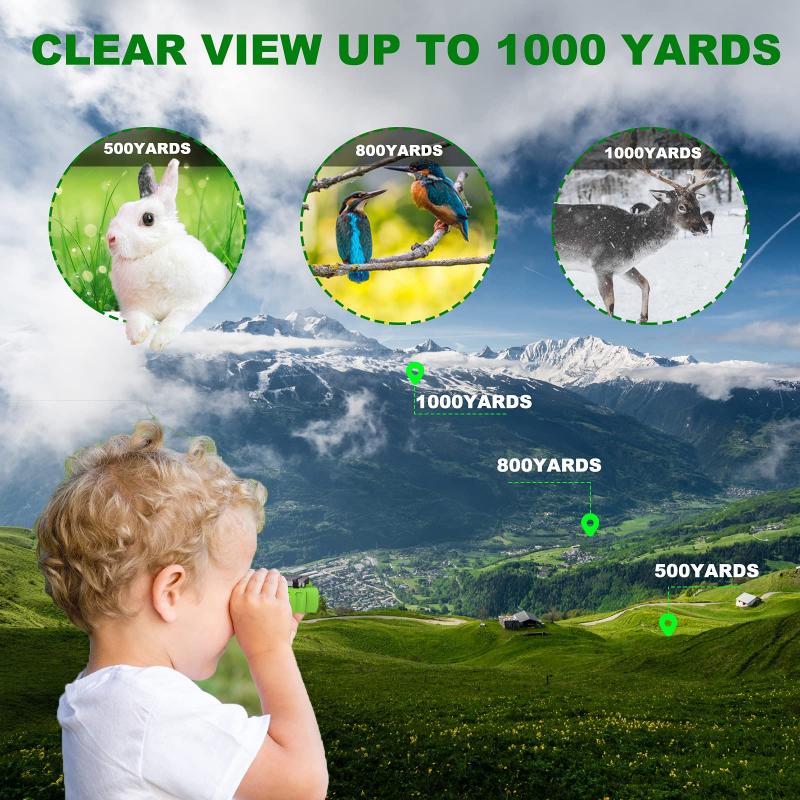
Advantages: These are excellent for situations where you need closer views of your subject, but still don't want to entirely forego portability or risk excessive vibration. However, it may become tough to hold them steady without a tripod beyond this power.
Best For: Faraway birds, butterflies, large game animals, and outdoor exploration from a stationary position.
3. 16x Magnification and Above
Advantages: For serious enthusiasts engaging in activities like astronomical studies, maritime endeavors, or viewing landscapes across vast distances, magnifications of 16x and above are a popular choice. Images appear impressively close, though these levels of magnification virtually require a tripod to eliminate image shakiness caused by hand tremor.
Cons: Narrower field of view and the greater influence of environmental factors like heat haze that can slightly distort images at extreme viewing distances. It’s worth noting that these binoculars are typically less versatile for everyday use due to size and weight.
Best For: Stargazing, ship spotting from the shoreline, or observing mountains or landscapes miles away.
Primary Considerations for Long-Distance Viewing Binoculars
Magnification isn't the sole factor to consider in your search for the best binoculars suitable for long distances. Additional features play key roles in your viewing experience:
1. Lens Diameter
The larger the objective lens, the more light your binoculars can capture. This improves image brightness and clarity, especially in low-light conditions, such as dawn, dusk, or nighttime. For long-distance binoculars, aim for a lens size of 42mm to 70mm — though larger lenses make for heavier binoculars.
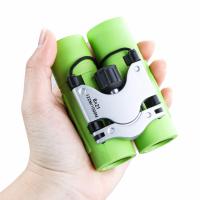
Compact Binoculars: ~30-42mm lenses (lightweight, good for daytime use)
Standard Binoculars: ~50mm lenses (balanced for distance and brightness)
Large Binoculars: 56-70mm lenses (ideal for extremely long-range or dim-light conditions)
2. Field of View (FOV)
Field of view refers to the width of the observable area at a certain distance. Higher magnification typically narrows the field of view. For long-distance viewing, a wide field of view isn’t the top priority since you're likely focusing on specific distant objects, but it's something to keep in mind if you’re scanning large areas for activity.
3. Image Stability
At higher magnifications, even the slight tremor of your hands can cause the image to shake, reducing clarity and making prolonged viewing uncomfortable. Using a tripod or a stabilized surface can make a significant difference. For those who value both portability and stability, image-stabilized binoculars are an excellent, albeit pricier, option.
4. Coating and Prism Quality
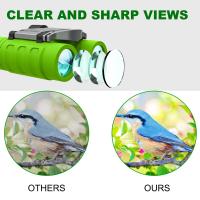
Quality coatings and prisms enhance light transmission, contrast, and color accuracy. Look for terms such as "multi-coated lenses" or "fully multi-coated lenses" for better light penetration and less glare. High-quality roof prisms (BAK-4 glass) are preferred for their image sharpness and durability.
5. Weight and Portability
The more advanced your binoculars (higher magnification, larger lens size), the heavier they are likely to be. Consider how you’ll use the binoculars. If extended handheld use isn’t an option, invest in a lightweight tripod for easier setup.
6. Weather Resistance
For outdoor use, choose binoculars with durable, waterproof, and fog-proof construction to ensure clear viewing even in adverse conditions. Look for nitrogen-purged or O-ring-sealed binoculars to resist water and keep internal fogging at bay.
Popular Long-Distance Binocular Models
Here are some top-performing binoculars for long-distance viewing:
1. Nikon Aculon A211 16x50
- Magnification: 16x
- Objective Lens: 50mm
- Lightweight and budget-friendly, this model provides exceptional clarity and brightness for long-range outdoor observation.
2. Celestron SkyMaster 20x80
- Magnification: 20x
- Objective Lens: 80mm
- These are perfect for stargazing or extremely distant viewing thanks to their high magnification and large lenses. However, they require a tripod for optimal use.
3. Vortex Optics Viper HD 12x50
- Magnification: 12x
- Objective Lens: 50mm
- A premium option offering sharp optics with a lightweight, durable design, ideal for long hikes and various terrain conditions.
4. Canon 12x36 IS III Image Stabilized Binoculars
- Magnification: 12x
- Objective Lens: 36mm
- These are equipped with image stabilization technology to provide a steady view, even at higher magnifications, while remaining relatively compact.
5. Steiner HX 15x56
- Magnification: 15x
- Objective Lens: 56mm
- Known for its rugged, weatherproof design and optical performance, this is a great choice for long-distance wildlife observation.
Choosing Accessories for Enhanced Long-Distance Viewing
To enhance your experience, consider the following accessories:
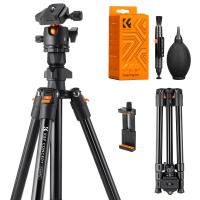
1. Tripod: A sturdy tripod is a must-have for heavy, high-magnification binoculars to minimize shaking.
2. Binocular Harness: Spread the weight of heavy binoculars evenly over your shoulders instead of your neck.
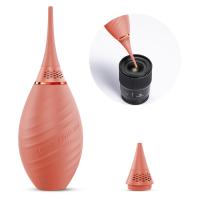
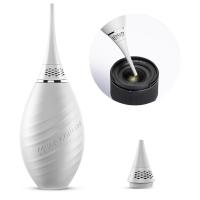
3. Lens Cleaning Kit: Keep your lenses clean to ensure optimal clarity.
4. Carrying Case: Protect your investment with a padded carrying case for travel and storage.
Maintenance and Usage Tips
To ensure longevity and continued performance, follow a few maintenance tips for your long-distance binoculars:
1. Storage: Keep binoculars in a cool, dry place and avoid prolonged exposure to direct sunlight or excessive moisture.
2. Cleaning: Use a soft microfiber cloth or lens cleaning