What Binoculars To Buy For Hunting?
When it comes to hunting, having the right pair of binoculars can make all the difference. Whether you're tracking game from a distance, scanning the terrain for movement, or identifying specific animals, a good pair of binoculars is an essential tool for any hunter. However, with so many options on the market, choosing the right binoculars can feel overwhelming. In this article, we’ll break down the key factors to consider when buying binoculars for hunting, helping you make an informed decision that suits your needs and budget.
1. Magnification and Objective Lens Size
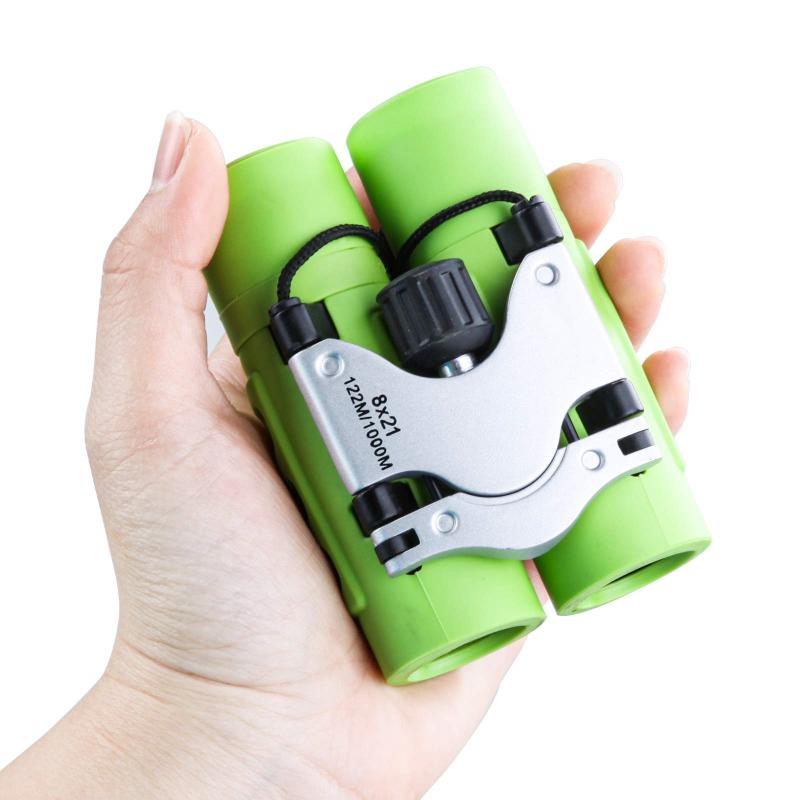
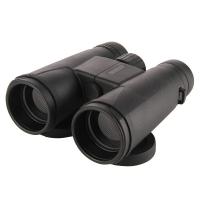
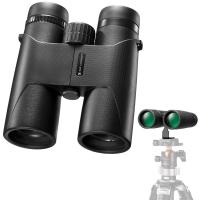
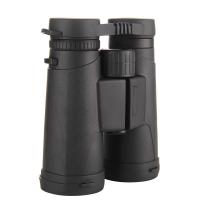
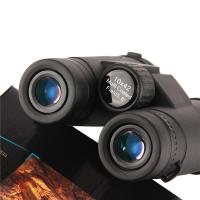
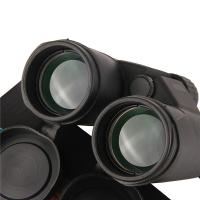
The first thing to consider when buying binoculars is the magnification and objective lens size, which are typically represented as two numbers, such as 10x42. The first number (10x) refers to the magnification power, while the second number (42) refers to the diameter of the objective lens in millimeters.
- Magnification: For hunting, a magnification of 8x to 10x is ideal. Lower magnifications, such as 8x, provide a wider field of view, making it easier to track moving animals. Higher magnifications, like 10x, offer more detail but can be harder to stabilize without a tripod.
- Objective Lens Size: A larger objective lens (e.g., 42mm or 50mm) allows more light to enter the binoculars, resulting in brighter images, especially in low-light conditions. However, larger lenses also make the binoculars heavier and bulkier, which may not be ideal for long hunting trips.
For most hunters, 10x42 binoculars strike a good balance between magnification, brightness, and portability.
2. Field of View
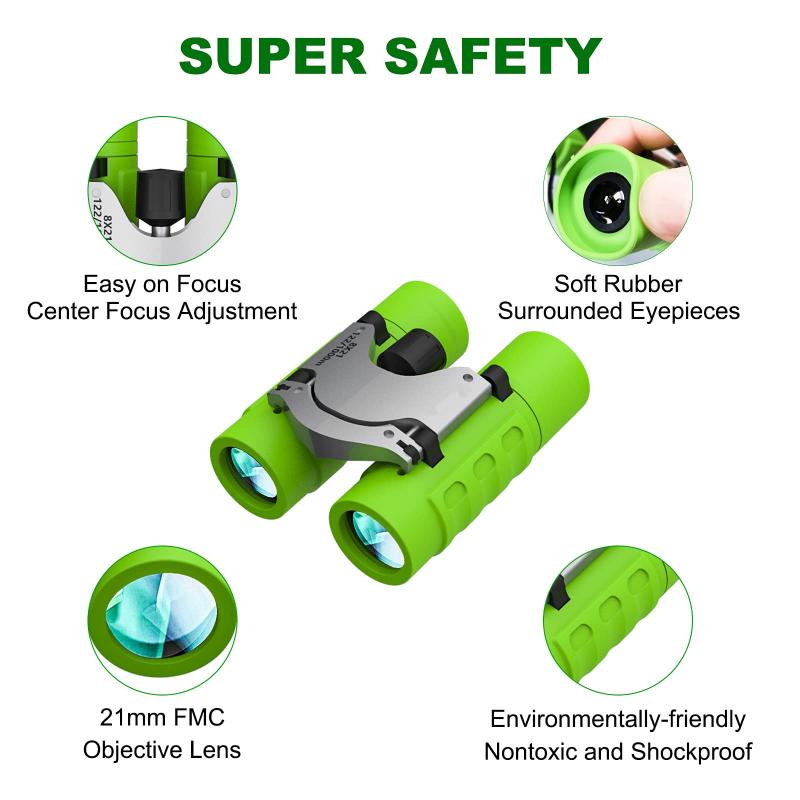
The field of view (FOV) refers to the width of the area you can see through the binoculars at a specific distance, usually measured in feet at 1,000 yards. A wider field of view is particularly useful for hunting because it allows you to scan large areas quickly and track moving animals more easily.
Binoculars with a lower magnification (e.g., 8x) generally have a wider field of view than those with higher magnification. If you’re hunting in dense forests or areas with a lot of cover, prioritize a wider FOV to help you spot game more effectively.
3. Low-Light Performance
Hunting often takes place during dawn or dusk when animals are most active. During these times, light conditions are less than ideal, so it’s crucial to choose binoculars with good low-light performance. Factors that influence low-light performance include:
- Exit Pupil: The exit pupil is the diameter of the beam of light that reaches your eye, calculated by dividing the objective lens size by the magnification. For example, 10x42 binoculars have an exit pupil of 4.2mm. A larger exit pupil provides better low-light performance, making it easier to see in dim conditions.
- Lens Coatings: Look for binoculars with fully multi-coated lenses, which reduce glare and improve light transmission. This ensures brighter and clearer images, even in low-light environments.
4. Durability and Weather Resistance
Hunting often involves exposure to harsh weather conditions, rugged terrain, and unpredictable environments. Your binoculars need to be tough enough to withstand these challenges. Key features to look for include:
- Waterproofing: Binoculars with waterproof construction are essential for hunting in wet or humid conditions. Look for models with an IPX rating or those labeled as fully waterproof.
- Fogproofing: Fogproof binoculars are filled with nitrogen or argon gas to prevent internal fogging caused by temperature changes. This is especially important for early morning hunts or cold-weather conditions.
- Rubber Armor: A rubber-coated exterior provides a secure grip and protects the binoculars from bumps, drops, and scratches.
5. Size and Weight
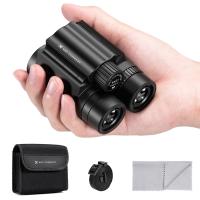
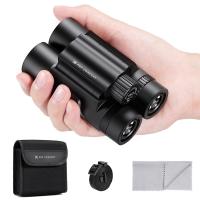
The size and weight of your binoculars can significantly impact your comfort during a hunt. Compact binoculars are lightweight and easy to carry, but they may sacrifice image quality and low-light performance. Full-size binoculars, on the other hand, offer better optics but can be heavier and bulkier.
Consider how you plan to use your binoculars. If you’ll be hiking long distances or need to carry other gear, opt for a lightweight, compact model. If you’re hunting from a stationary position, you can afford to use larger, more powerful binoculars.
6. Eye Relief
Eye relief refers to the distance between your eyes and the eyepiece while still being able to see the full field of view. This is especially important for hunters who wear glasses. Look for binoculars with an eye relief of at least 15mm to ensure a comfortable viewing experience.
7. Price and Value
Binoculars come in a wide range of prices, from budget-friendly options to high-end models. While it’s tempting to go for the cheapest option, investing in a quality pair of binoculars can greatly enhance your hunting experience. Consider your budget and prioritize features that are most important to you, such as low-light performance, durability, and optical quality.
Some reputable brands to consider include Vortex, Leupold, Nikon, Swarovski, and Zeiss. These brands offer a variety of models to suit different budgets and hunting needs.
8. Additional Features
Depending on your specific hunting needs, you may want to look for binoculars with additional features, such as:
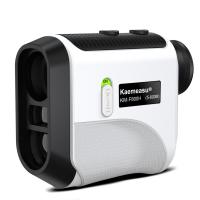
- Rangefinding: Some binoculars come with built-in rangefinders, which can help you estimate the distance to your target. This is particularly useful for bowhunters or those hunting in open terrain.
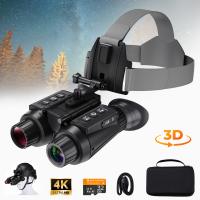
- Image Stabilization: High-magnification binoculars can be difficult to hold steady. Models with image stabilization technology can help reduce hand tremors and provide a clearer view.
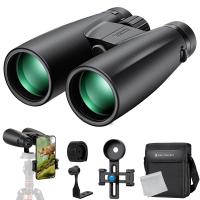
- Tripod Compatibility: If you plan to use your binoculars for extended periods, consider a model that can be mounted on a tripod for added stability.
9. Testing and Trying Before You Buy
Whenever possible, test the binoculars before making a purchase. Visit a store and try out different models to see how they feel in your hands and how well they perform. Pay attention to factors like comfort, ease of focus, and image clarity. If you’re buying online, read reviews and check the return policy in case the binoculars don’t meet your expectations.
10. Maintenance and Care
Once you’ve invested in a good pair of binoculars, it’s important to take care of them to ensure they last for years. Here are some tips for maintaining your binoculars:
- Use a lens cleaning kit to keep the lenses free of dirt and smudges.
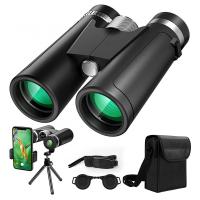
- Store your binoculars in a protective case when not in use.
- Avoid exposing them to extreme temperatures for extended periods.
- Check for any loose parts or damage after each hunting trip.
Choosing the right binoculars for hunting involves balancing several factors, including magnification, low-light performance, durability, and budget. By understanding your specific needs and the conditions in which you’ll be hunting, you can select a pair of binoculars that enhances your experience and helps you achieve greater success in the field.
Remember, the best binoculars for hunting are the ones that meet your unique requirements and feel comfortable to use. Take the time to research and test different models, and don’t hesitate to invest in quality optics. A reliable pair of binoculars is not just a tool—it’s an investment in your hunting success.