What To Use Binoculars For?
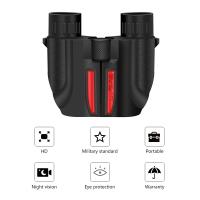
Binoculars are versatile optical tools that have been used for centuries to enhance human vision and bring distant objects closer. Whether you're an outdoor enthusiast, a hobbyist, or someone who simply enjoys observing the world around you, binoculars can be an invaluable companion. In this article, we’ll explore the many practical uses of binoculars, the benefits they offer, and how to choose the right pair for your needs.
1. Birdwatching and Wildlife Observation
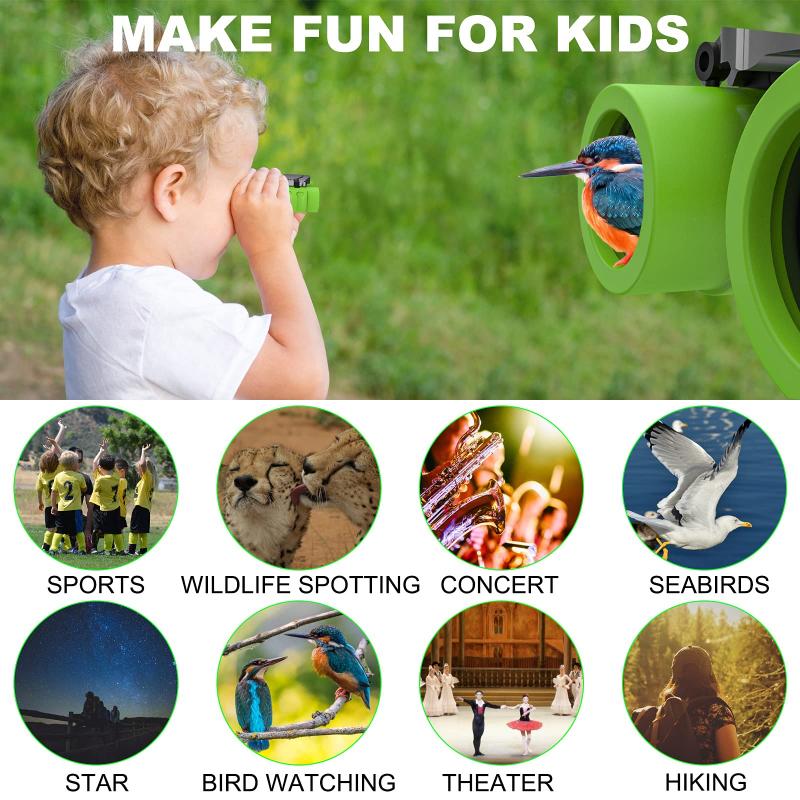
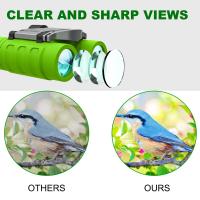
One of the most popular uses for binoculars is birdwatching and wildlife observation. Binoculars allow you to observe animals in their natural habitats without disturbing them. Whether you're tracking the flight of a rare bird or watching deer graze in a meadow, binoculars provide the clarity and magnification needed to appreciate the details of these creatures. For birdwatching, binoculars with a magnification of 8x or 10x and a wide field of view are ideal, as they allow you to follow fast-moving birds and capture intricate details like feather patterns.
2. Stargazing and Astronomy
Binoculars are a great entry point for amateur astronomers. While telescopes are often associated with stargazing, binoculars offer a portable and user-friendly alternative for observing celestial objects. With binoculars, you can view the moon’s craters, spot planets like Jupiter and Venus, and even identify star clusters and constellations. Astronomy binoculars typically have larger objective lenses (e.g., 50mm or more) to gather more light, making them suitable for nighttime use.
3. Hiking and Outdoor Adventures
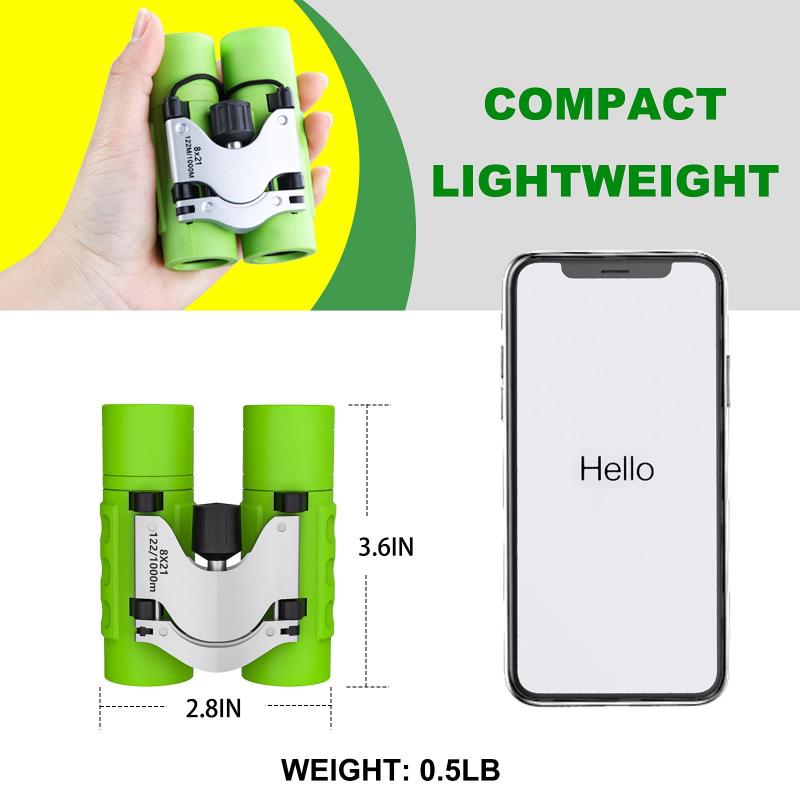
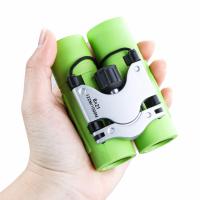
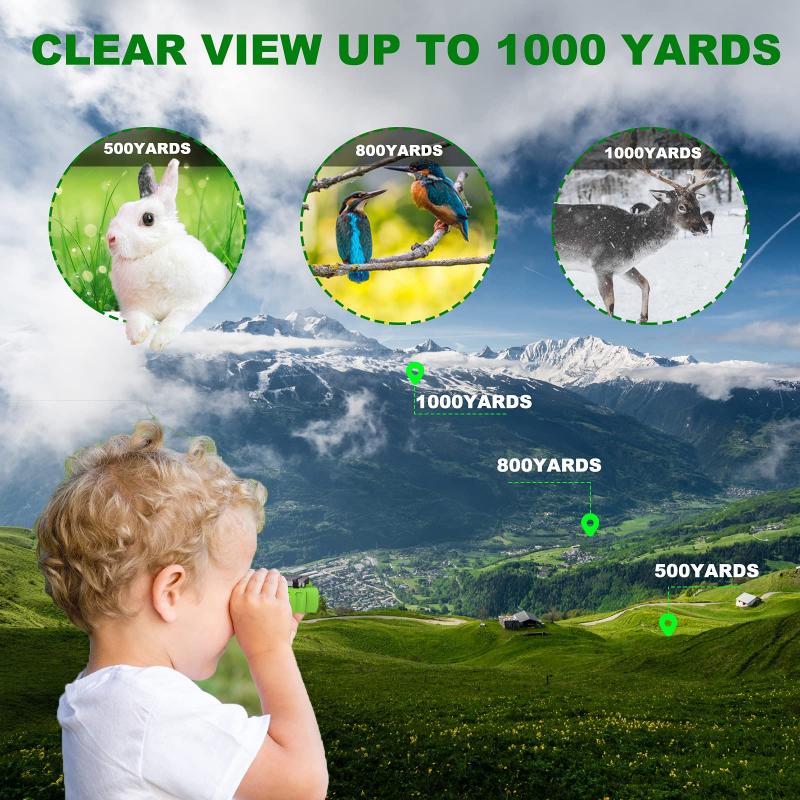
For hikers and outdoor enthusiasts, binoculars are essential for exploring landscapes and spotting distant landmarks. Whether you're navigating a trail, scouting for a campsite, or simply enjoying the view, binoculars enhance your ability to see far-off details. Compact and lightweight binoculars are ideal for hiking, as they are easy to carry and won’t add unnecessary weight to your gear.
4. Sports and Live Events
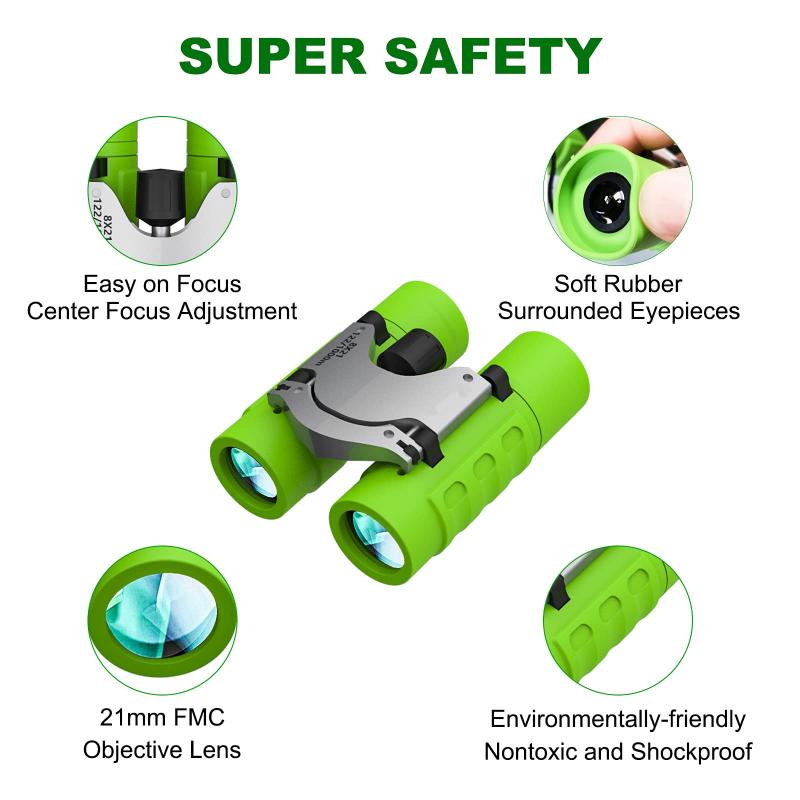
Binoculars are a favorite accessory for sports fans and event-goers. Whether you're attending a football game, a horse race, or a concert, binoculars help you get a closer view of the action, especially if you're seated far from the stage or field. Look for binoculars with lower magnification (e.g., 7x or 8x) and a wide field of view to ensure you can follow fast-paced movements without losing focus.
5. Marine and Boating Activities
Binoculars are indispensable for marine activities such as sailing, fishing, and boating. They help you spot distant vessels, navigate waterways, and identify landmarks along the shore. Marine binoculars are often waterproof and feature anti-fog coatings to withstand the challenging conditions of open water. Some models even include a built-in compass for navigation.
6. Hunting and Shooting Sports
Hunters and shooting enthusiasts rely on binoculars to spot game and assess their surroundings. Binoculars allow hunters to observe animals from a safe distance and plan their approach without alerting the prey. For hunting, binoculars with high magnification and excellent light transmission are preferred, as they perform well in low-light conditions such as dawn or dusk.
7. Travel and Sightseeing
Binoculars are a fantastic tool for travelers and sightseers. Whether you're exploring historical landmarks, admiring architectural details, or enjoying panoramic views, binoculars enhance your experience by bringing distant objects into focus. Compact travel binoculars are ideal for this purpose, as they are easy to pack and carry.
8. Surveillance and Security
Binoculars are often used in surveillance and security applications. Security personnel use them to monitor large areas, identify potential threats, and maintain situational awareness. Binoculars with high magnification and image stabilization are particularly useful for these tasks, as they provide clear and steady views over long distances.
9. Educational and Scientific Research
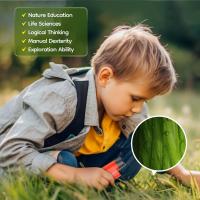
Binoculars play a significant role in education and scientific research. They are used by students, researchers, and educators to study natural phenomena, observe wildlife, and conduct fieldwork. For example, ecologists use binoculars to monitor animal behavior, while geologists use them to examine rock formations from afar.
10. Rescue and Emergency Situations
In rescue and emergency scenarios, binoculars can be life-saving tools. Search-and-rescue teams use binoculars to locate missing persons, assess dangerous terrain, and coordinate operations. Binoculars with durable construction, waterproofing, and long-range capabilities are essential for these high-stakes situations.
Choosing the Right Binoculars
Selecting the right binoculars depends on your intended use. Here are some key factors to consider:
- Magnification and Objective Lens Size: Magnification determines how much closer objects appear, while the objective lens size affects light-gathering ability. For general use, 8x42 binoculars strike a good balance between magnification and brightness.
- Field of View: A wider field of view is ideal for activities like birdwatching and sports, as it allows you to track moving objects more easily.
- Weight and Portability: If you plan to carry your binoculars for extended periods, opt for lightweight and compact models.
- Durability and Weather Resistance: For outdoor and marine use, choose binoculars that are waterproof and built to withstand harsh conditions.
- Image Stabilization: High-magnification binoculars can be difficult to hold steady, so models with image stabilization are helpful for reducing hand tremors.
Tips for Using Binoculars Effectively
To get the most out of your binoculars, follow these tips:
1. Adjust the Focus: Use the central focus wheel and diopter adjustment to achieve a sharp image for both eyes.
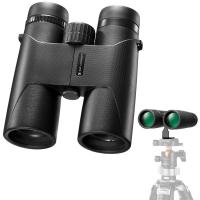
2. Hold Steady: Rest your elbows on a stable surface or use a tripod for prolonged viewing sessions.
3. Clean Regularly: Keep the lenses clean and free of dust or smudges to maintain optimal clarity.
4. Practice: Familiarize yourself with your binoculars before using them in the field to ensure you can quickly adjust settings and focus.
Binoculars are more than just tools for magnifying distant objects—they are gateways to exploration, discovery, and appreciation of the world around us. Whether you're observing wildlife, enjoying a live event, or navigating the great outdoors, binoculars enhance your ability to see and experience the details that might otherwise go unnoticed. By understanding the various uses of binoculars and choosing the right pair for your needs, you can unlock a new level of engagement with your surroundings. So, grab your binoculars and start exploring—you’ll be amazed at what you can see!