Which Binoculars To Buy?
# Choosing the Right Binoculars: A Comprehensive Guide to Finding Your Perfect Pair
Binoculars are indispensable tools for a wide range of outdoor activities — birdwatching, hiking, stargazing, hunting, sports events, or even casual travel. Picking the right pair of binoculars can greatly enhance your experience, offering clarity and precision for viewing distant objects with detail and comfort. However, with so many options on the market, it can be overwhelming to decide which binoculars are best suited for your needs. In this comprehensive guide, we’ll explore key considerations when choosing binoculars and provide practical advice to help you make an informed decision.
## Understanding the Basics of Binoculars
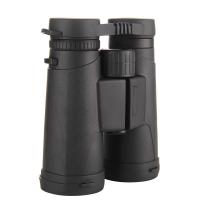
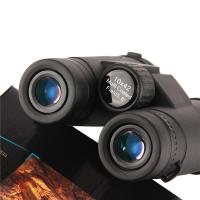
To start, let’s break down how binoculars are typically defined. Binoculars are labeled with two numbers, for example, 10x42. Here, the first number refers to the magnification power, and the second number refers to the size of the objective lens (in millimeters). Both of these numbers play a crucial role in determining the performance of binoculars, but there are additional features worth considering as well.
Magnification Strength
The magnification number (e.g., "10x") represents how much closer an object will appear through the binoculars compared to viewing it with the naked eye. For example, 8x magnification makes an object appear eight times closer.
Lower Magnification (e.g., 8x): Provides a wider field of view, making it easier to locate and track moving objects. Ideal for birdwatching and sports.
Higher Magnification (e.g., 10x or higher): Offers better detail for distant objects but can result in shaky images if not stabilized. Better suited for stargazing or hunting.
Objective Lens Size

The size of the objective lens (the second number) determines how much light the binoculars can gather. Larger lenses provide brighter images, especially in low-light conditions like dawn or dusk. However, larger lenses also make binoculars bulkier and heavier.
Small Lens (e.g., 25mm to 35mm): Lightweight and portable, ideal for travel and casual use.
Large Lens (e.g., 42mm to 50mm): Provides better performance in low-light, perfect for wildlife observation and stargazing.
## Key Factors to Consider When Buying Binoculars
1. Purpose of Use
Knowing why you want binoculars is the foundation of making the right choice. Are you a birder needing precision for watching fleeting movement? Are you a stargazer requiring high magnification for tracking celestial objects? Or are you simply looking for general-purpose binoculars for sightseeing or sports? Mapping your intended use to specific features will help narrow down your options.
Birdwatching: Opt for 8x or 10x magnification with a wide field of view to track moving birds comfortably.
Hiking and Travel: Look for lightweight binoculars with smaller objective lenses such as 8x25 or 10x25 models. Consider durable construction and weather resistance.
Hunting: Choose 10x or higher magnification with large objective lenses (42mm or more) for better visibility in low-light conditions.
Stargazing: Higher magnification (12x or more) with large lenses (50mm or higher) works best to capture detail in deep-sky objects.
2. Field of View
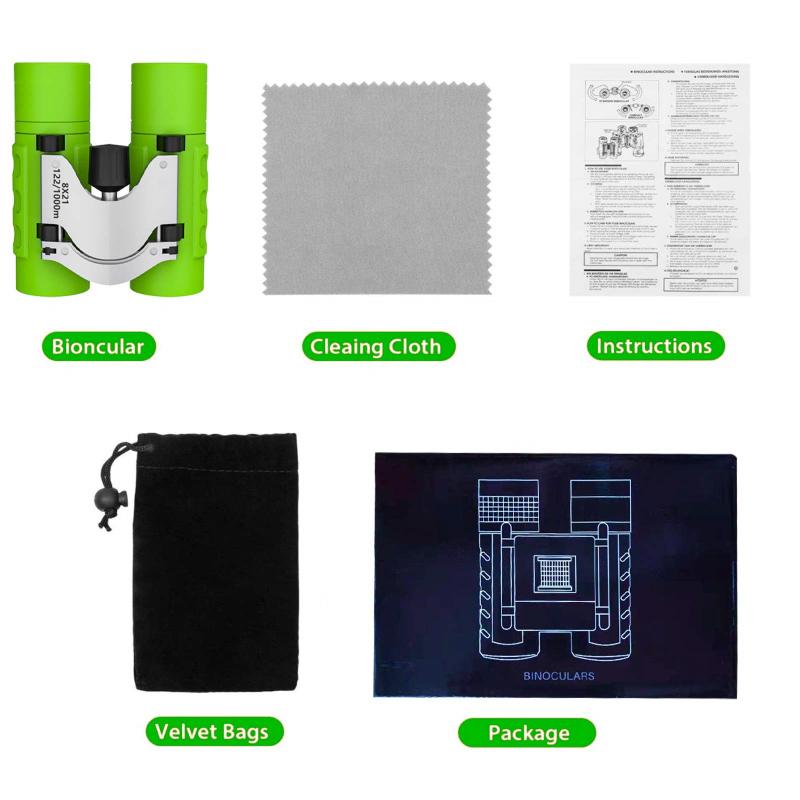
Field of view refers to the width of the area that can be seen through the binoculars, typically measured in feet at 1,000 yards. Wider fields of view are helpful for tracking moving objects like wildlife or athletes on a field. This is often determined by the magnification power — lower magnification provides a wider field of view.
3. Lens Coatings
Binoculars often have coatings on the lenses to enhance light transmission and reduce glare. Quality coatings are critical for sharp, high-contrast visuals.
Fully-coated or multi-coated optics dramatically improve clarity and brightness.
- For dim lighting conditions, look for models with “phase-corrected” coatings, which optimize visual quality.
4. Eye Relief
Eye relief refers to the distance between your eyes and the eyepieces where you can still view the full image. This is especially important for glasses wearers, as binoculars with longer eye relief (usually 15mm or more) allow you to use them comfortably without distortion.
5. Size and Weight
Consider portability as a factor, especially if you plan to carry binoculars for long durations. Compact models are great for hiking and travel, while larger binoculars might require a tripod for stable, extended use (common in stargazing or long-range viewing).
6. Durability and Weatherproofing
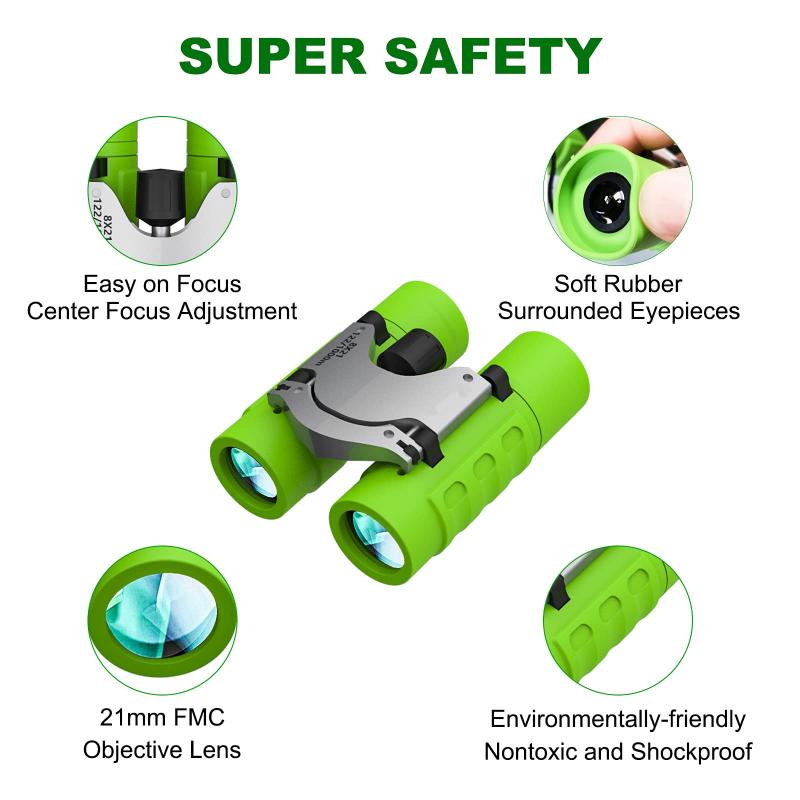
For outdoor adventures, durability is essential. Look for models that are water-resistant or waterproof, and have rubber armor for impact and grip. Binoculars labeled "fog-proof" contain nitrogen-filled chambers that prevent internal fogging.
## Choosing the Right Binoculars for Your Budget
Binoculars are available across a wide range of prices, from entry-level to high-end professional models. It’s important to identify your budget upfront while ensuring you receive the features that are most important for your needs.
Budget-Friendly Binoculars (< $100): Ideal for casual users, with smaller optics and fewer features. Good for travel and occasional outdoor use.
Mid-Range ($100-$500): Perfect for hobbyists, these binoculars offer better coatings, bright optics, and improved durability.
High-End Binoculars (>$500): Designed for professionals or avid enthusiasts, featuring state-of-the-art optics, unrivaled image quality, and advanced features.
## Popular Binocular Brands to Consider
When it comes to quality, there are a few reputable brands consistently praised for their superior optics, durability, and reliability. Here are some industry leaders to consider:
Vortex Optics: Known for durability and excellent warranties. Great for hunting and birdwatching.
Nikon: Provides high-quality optics at competitive prices. Models like Monarch 5 and Prostaff are popular.
Bushnell: A trusted brand for affordable, durable binoculars that deliver bright and clear images.
Leica: Top-tier optics and performance with premium price points. Excellent for professional wildlife and bird photographers.
Zeiss: Offering excellence in optical engineering, Zeiss binoculars are often favored by seasoned stargazers.
Celestron: Specializes in binoculars designed for astronomy, featuring powerful magnifications.
## Practical Tips for Using Binoculars
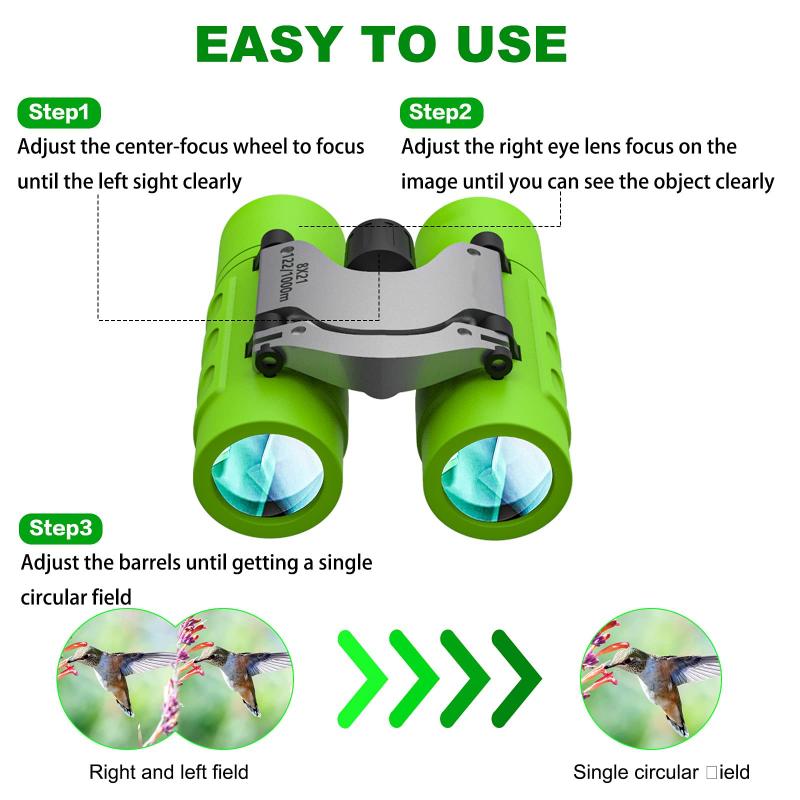
Adjusting Focus
1. Start with one eye: Cover one side and look through the other eyepiece. Adjust the focus knob until the image is sharp.
2. Use the diopter: Focus the other eyepiece by adjusting the diopter ring.
3. Fine-tune focus: Use the central focus knob as needed when pointing the binoculars at different distances.
Care and Maintenance
Clean the lenses gently: Use a microfiber cloth and lens cleaning solution. Avoid scratching the glass by cleaning it with household items.
Store properly: Keep binoculars in their case when not in use and avoid placing them in direct sunlight for extended periods.
Protect from water and dust: Even waterproof models benefit from being kept dry when not in active use.
Comfort During Use
Use a harness or straps: If you’re carrying binoculars for long periods, consider using a padded neck strap or binocular harness for maximum comfort.
Try a tripod: For larger binoculars or extended stationary use, mounting them on a tripod offers stability and reduces fatigue.
## Frequently Asked Questions (FAQs)
Are expensive binoculars worth it?
While budget binoculars get the job done for casual use, higher-end binoculars often deliver better image quality, durability, and specialized features. They’re worth the investment if you’re passionate about your outdoor activities.
What magnification should I choose for birdwatching?
Most birdwatchers prefer 8x magnification for its balance between image steadiness, field of view, and detail. However, 10x magnification can be useful for spotting small or distant birds.
Can I use binoculars at night?
Yes, binoculars with larger objective lenses