Camera Use Which Lens?
Mastering Camera Lenses: Choosing the Right Lens for Your Needs
Photography is a blend of art and technical prowess. Every shot tells a story, and the tool that shapes this story is the lens you use. Whether you are a seasoned professional or an enthusiastic amateur, understanding which lens to use is critical in achieving the desired outcome. Lenses are not mere accessories; they are the heart and soul of your photography setup. This article delves into the nitty-gritty details of camera lenses, exploring their types, uses, and how to select the perfect lens for every scenario. We'll break it down for you, demystifying the technical jargon to help you make smarter and more informed choices.
Why Understanding Lenses Matters
Photography begins with an idea or an emotion that you want to capture and convey. But what if your image doesn't evoke that feeling simply because the subject appears distorted, out of focus, or far away? This often has nothing to do with your photography skills—it's about using the right lens for the job. A lens determines perspective, depth of field, sharpness, and how much of the scene can be captured in one frame.
Experienced photographers know that choosing the right lens sometimes matters even more than choosing the right body for your camera. While camera bodies house the sensor and other important tech, the lens physically controls how the light enters. Different lenses allow for various styles of shooting and produce distinct results. Thus, by selecting the correct lens, you enhance your ability to deliver photographs that match the vision in your mind.
Types of Camera Lenses and Their Functions
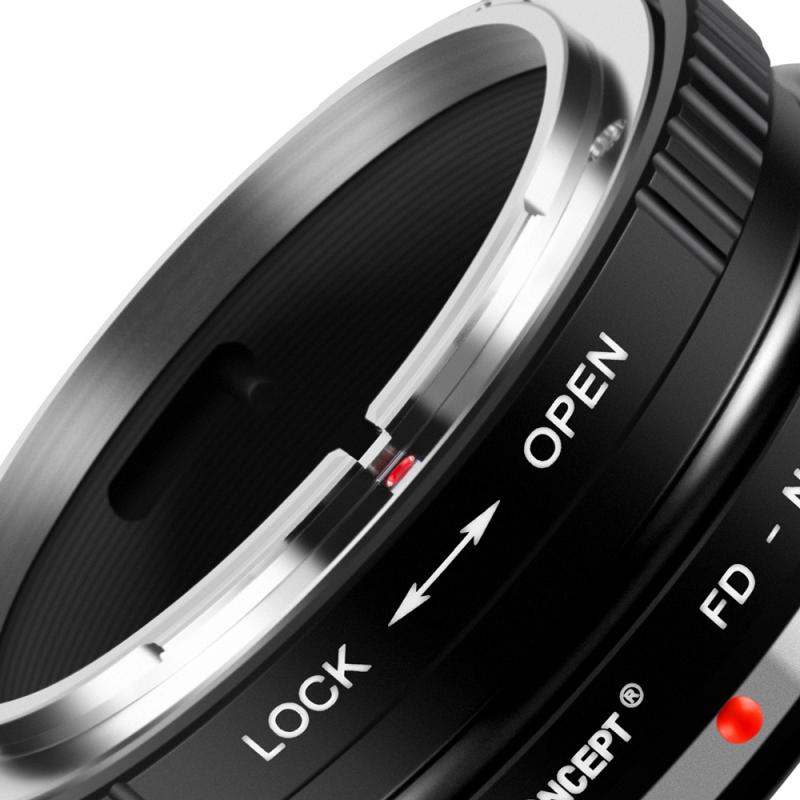
To determine which lens is best for use in a specific scenario, it’s important to understand the major types and their functions.
1. Prime Lenses
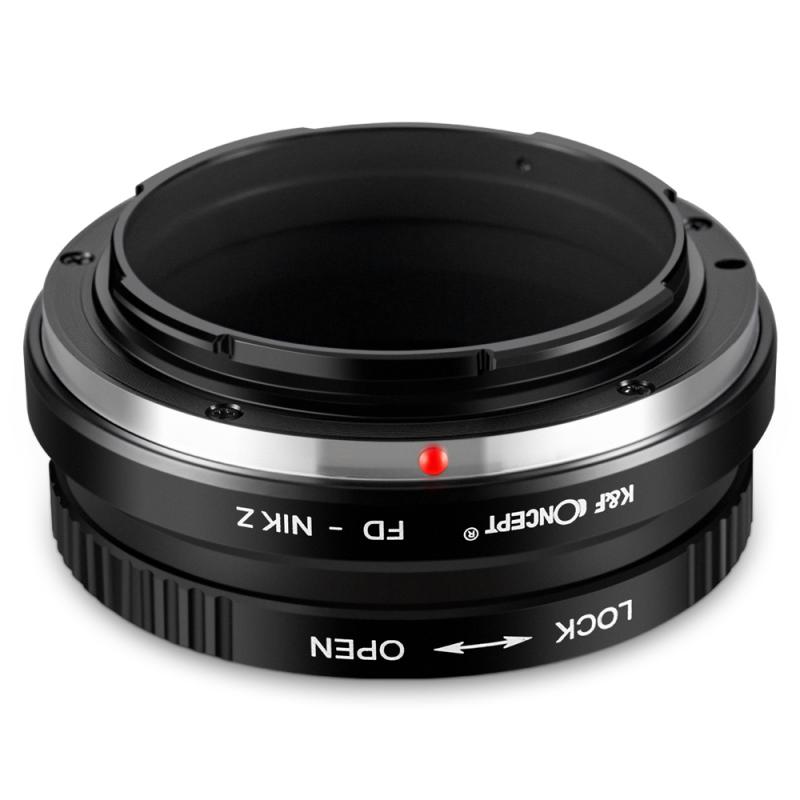
Prime lenses are fixed focal-length lenses that cannot zoom in or out. For example, a 50mm prime lens only offers a single view of the subject. However, you gain advantages such as sharper image quality and better low-light performance. These lenses are exceptional for portrait photography and street photography where you need crystal-clear details and shallow depth of field.
Best Use:
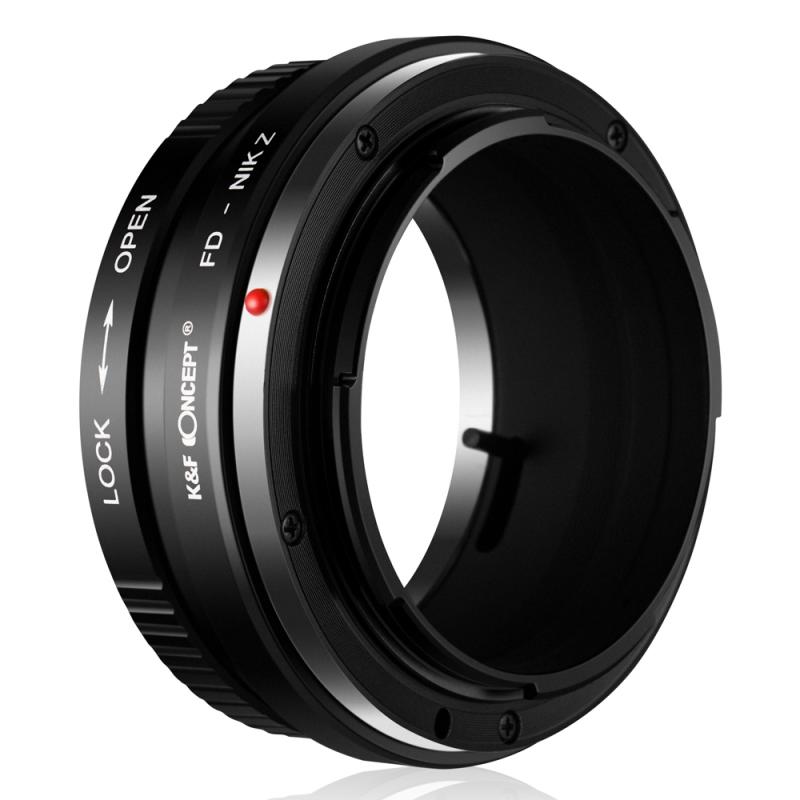
- Portrait and lifestyle shots (e.g., 50mm or 85mm prime lenses)
- Low-light conditions
- Situations where crisp focus and sharp details are required
2. Zoom Lenses
A zoom lens offers a range of focal lengths, giving it versatility in capturing images. With a twist or adjustment, you can switch between a wide-angle view and a closer crop without needing to change lenses. Zoom lenses, such as 24–70mm or 70–200mm, are fantastic for photographers who need flexibility and don't want the hassle of changing equipment frequently.
Best Use:
- Events, weddings, or environments with varying distances
- Landscape and travel photography, offering flexibility across multiple scenarios
- Wildlife or sports photography using robust telephoto zooms for close-ups of distant subjects
3. Wide-Angle Lenses
Wide-angle lenses typically have focal lengths below 35mm. These lenses allow you to capture more of the scene, making them a favorite among landscape, architectural, and interior photographers. The distortion associated with wide-angles is also creatively used for artistic shots.
Best Use:
- Landscapes, cityscapes, and architecture
- Interior spaces, tight areas
- Scenarios where capturing a large field of vision is essential
4. Telephoto Lenses
Telephoto lenses are designed for shooting subjects from a great distance and usually have focal lengths of 70mm to over 300mm. These lenses compress elements in a shot, making them ideal for isolating subjects from their environment.
Best Use:
- Wildlife and bird photography
- Sports and action photography
- Portraits with more separation between subject and background
5. Macro Lenses
Macro lenses enable you to capture extreme close-ups with incredible detail—think insects, flowers, textures, or tiny objects. These lenses have an extremely short focusing distance and high magnification ratios.
Best Use:
- Detailed product photography
- Nature photography featuring insects or flora
- Art work or intricate textures captured in close-ups
6. Fisheye Lenses
Fisheye lenses produce highly distorted, ultra-wide images. As the name suggests, they mimic what a fish might see underwater, providing a round or semi-circular distorted field of view.
Best Use:
- Stylized photography for artistic, creative purposes
- Skateboarding or extreme sports photography
- Fun and dramatic shots that visually stand out
7. Tilt-Shift Lenses
Popular among architectural and urban photographers, tilt-shift lenses adjust the position and angle of the lens relative to the camera sensor. This makes correcting perspective distortion a reality.
Best Use:
- Architecture photography to avoid distorted lines
- Creating artistic effects like miniaturization
- Interior design shots with accurate proportions
How to Choose the Right Lens
After understanding the types of lenses, the question becomes: how should you choose? Consider these critical factors before making a decision.
1. Understand Your Photography Style
Your personal needs will dictate the type of lens most suitable for you. If you specialize in portraits, a prime lens (e.g., 50mm or 85mm) with a wide aperture will help isolate your subject beautifully while creating a remarkable background blur or bokeh. Meanwhile, landscape photographers might opt for wide-angle lenses to encapsulate broader scenery.
2. Distance from the Subject
Think about how far you’ll be from your subject. For sports or wildlife photography, for instance, where proximity isn’t possible, telephoto lenses are essential. On the other hand, macro lenses are perfect for capturing subjects very close to the lens.
3. Weather and Environment
Different lenses come with varying build qualities. For outdoor photography in harsh weather conditions, look for professional-grade lenses with weather seals and durable construction.
4. Budget
There’s no denying that lenses can get expensive. High-end prime lenses or telephoto lenses can be costly, but there are affordable alternatives for beginners. Consider renting expensive lenses before committing to buying them.
5. Camera Compatibility
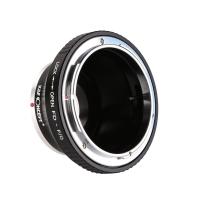
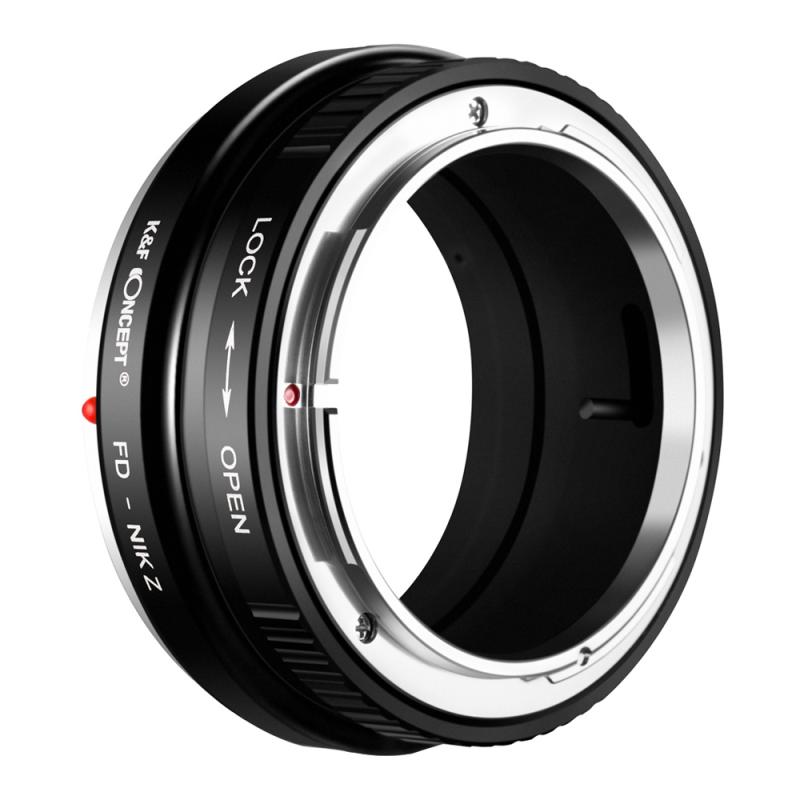
Certain lenses will only work with specific camera bodies or brands. Verify the mounting system before purchasing, as different brands (e.g., Canon, Nikon, Sony, FujiFilm) have their own mounts.
Common Practical Scenarios and Recommendations
1. Portraits: Use a prime lens like an 85mm f/1.4 for excellent subject isolation and natural-looking images.
2. Landscape Photography: Choose a wide-angle lens between 16–35mm to capture sweeping views.
3. Action and Sports: Invest in a 70–200mm telephoto lens for versatility and the ability to zoom into fast-moving subjects.
4. Travel Photography: Versatile zoom lenses like 24–70mm will help cover different scenarios without needing multiple lenses.
5. Macro Details: Pick a macro lens, such as a 100mm f/2.8, to capture intricate details that are often missed by other lenses.
Common Mistakes to Avoid
Many beginner photographers face challenges due to lens miscalculations. Here are a few common errors:
Using one lens for everything: While versatility is appealing, no single lens can successfully accommodate every photographic genre or condition. Match the lens to your subject matter.
Ignoring aperture: Check the maximum aperture value to understand how the lens handles low-light conditions or produces a shallow depth-of-field.
Poor cropping dependency: Using a lens with an incorrect focal length often results in relying on post-production cropping, which can degrade image quality.
Final Thoughts: Lenses as Tools for Creativity
Selecting the right lens is both a technical decision and a creative choice. Each lens offers you a distinct perspective on the world around you. More than creating beautiful photographs, it allows you to express your unique style and vision. Photography is not about having the most expensive equipment; it's about understanding how to use what you have effectively.
A diverse camera setup with multiple lens options lets you tackle various photographic challenges head-on. Over time, as you refine your craft, you'll develop an instinct for which lens is best for the task at hand. Experiment, learn, and empower yourself to create amazing photographs that showcase your artistry and technical expertise. Whether you're shooting close-up details or distant landscapes, the perfect lens will always be essential for achieving your vision.