Which Cameras Use Nikon Mount?
When it comes to cameras that use the Nikon F-mount or other Nikon-specific mounts, there is a growing community of photographers and videographers making choices influenced by their shooting style, lens compatibility, and brand loyalty. If you're exploring lenses or camera bodies compatible with the Nikon mount system, this article delves deeply into the world of Nikon's camera mount ecosystem, outlining its legacy, adaptability, and relevance in modern photography.
Understanding the Nikon Mount System: A Legacy of Innovation
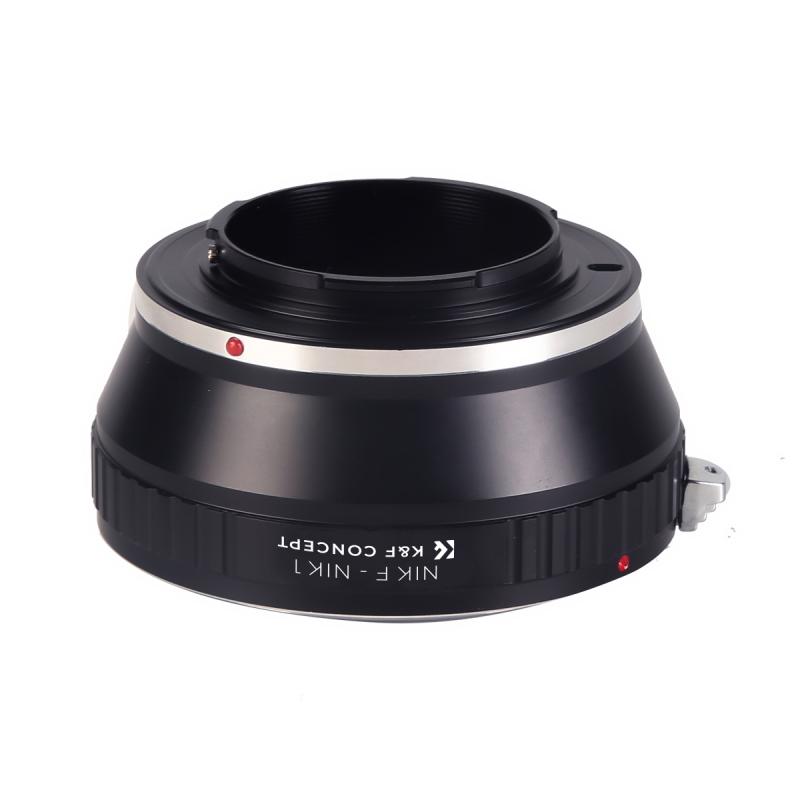
Nikon's F-mount system, introduced way back in 1959, is one of the longest-standing interchangeable lens mounts in the photography world. Its durable and functional bayonet-style design allowed Nikon to develop a robust lineup of lenses, while also giving users nearly six decades of backward compatibility with various camera bodies. This hallmark of Nikon's system has attracted photographers who want to pair legacy manual-focus lenses with cutting-edge digital cameras.
In more modern terms, Nikon has expanded its mount system to meet the challenges of contemporary mirrorless photography by introducing the larger-diameter Z-mount in 2018. These additions complement the traditional F-mount rather than replace it, catering to diverse user needs, whether working with DSLRs or mirrorless solutions.
If you're wondering which cameras use Nikon mounts and for what purposes, this article provides clarity by distinguishing DSLR bodies, mirrorless models, third-party adapters, and specialty devices.
1. DSLR Cameras with Nikon F-Mount
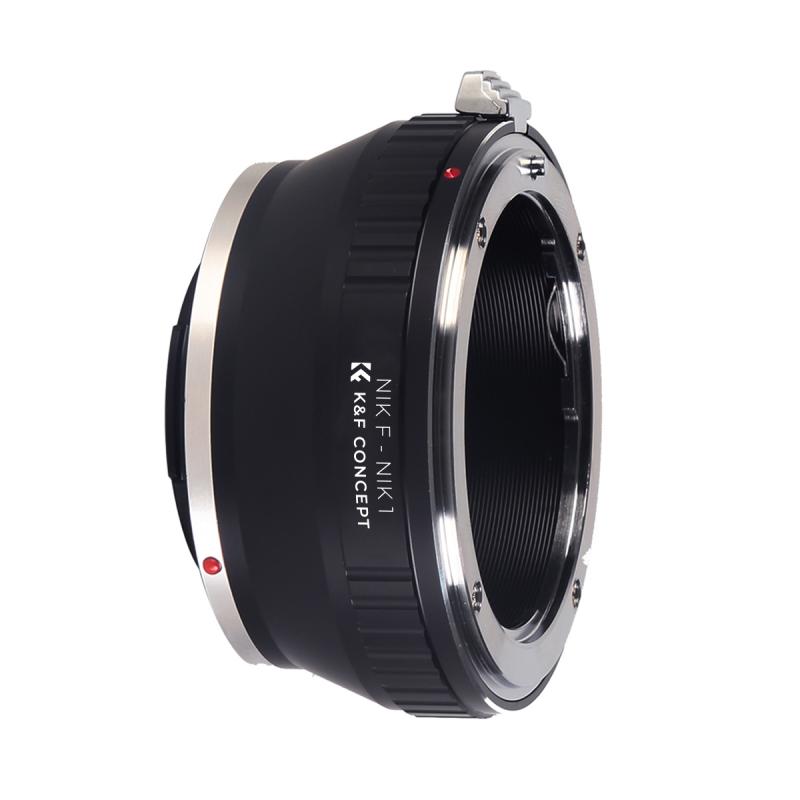
Nikon's DSLRs continue to use the F-mount system, ensuring compatibility across generations of camera bodies and lenses. Popular Nikon DSLR cameras that use the F-mount include:
Entry-Level Models: Nikon D3500, D5600
Designed for beginner photographers, these cameras offer an affordable way to explore Nikon's extensive lens catalog. With their crop-sensor designs (APS-C), they primarily target casual shooters and hobbyists.
Mid-Range Models: Nikon D7500
The D7500 includes advanced features for enthusiasts, such as a better autofocus system and more robust imaging capabilities, while remaining versatile with F-mount lenses.
Professional Full-Frame Models: Nikon D850, D780
For serious photographers, the D850 and D780 offer full-frame sensors coupled with a range of features like superior low-light performance and higher resolution. They are compatible with both modern autofocus (AF) lenses and legacy manual-focus lenses.
Specialized Options: Nikon D6 (flagship camera for action and sports photography)
The D6 represents Nikon's commitment to professionals who require reliability, durability, and unmatched autofocus systems in the field.
These cameras cover a wide spectrum of users, from beginner to professional, and continue to utilize the F-mount for full compatibility with existing lenses.
2. Mirrorless Cameras with Nikon Z-Mount
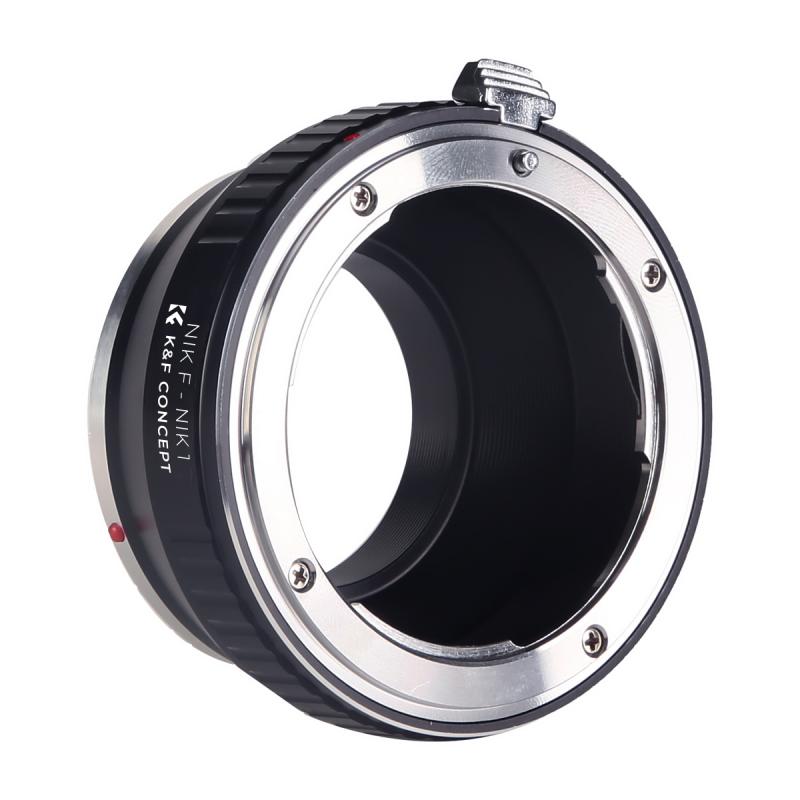
Moving into the mirrorless era, Nikon introduced the Z-mount, which significantly differs from the F-mount in terms of size and specifications. The Z-mount has a larger diameter (55mm vs. 44mm for the F-mount) and a shorter flange distance (16mm vs. 46.5mm). These features allow Z-mount cameras to be paired with faster, brighter lenses, boosting performance for emerging imaging styles.
Some of the most notable mirrorless models from Nikon that use the Z-mount include:
Entry-Level Models: Nikon Z50 (APS-C crop sensor)
With its compact size, lightweight design, and versatile features, the Z50 is perfect for hobbyists and vloggers seeking exceptional quality without a DSLR's bulk.
Mid-Range Models: Nikon Z5, Z6, Z6 II
Offering a balance between affordability and performance, these full-frame cameras cater to aspiring professionals and advanced enthusiasts.
Professional Models: Nikon Z7, Z7 II
The Z7 lineup is known for its excellent resolution (up to 45.7 MP), catering to photographers demanding the utmost detail in their shots.
High-Performance Hybrid Models: Nikon Z9
The Z9 is Nikon's flagship mirrorless camera, designed for professionals needing speed, reliability, and advanced video features.
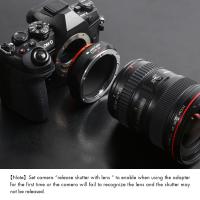
The Z-mount system prioritizes optical innovations like edge-to-edge sharpness and brighter maximum apertures. Z-mount users can also adapt legacy F-mount lenses to their mirrorless systems via Nikon's FTZ mount adapter, maintaining compatibility and opening up a wider array of lens options.
3. Third-Party Cameras and Adapters Supporting the Nikon Mount
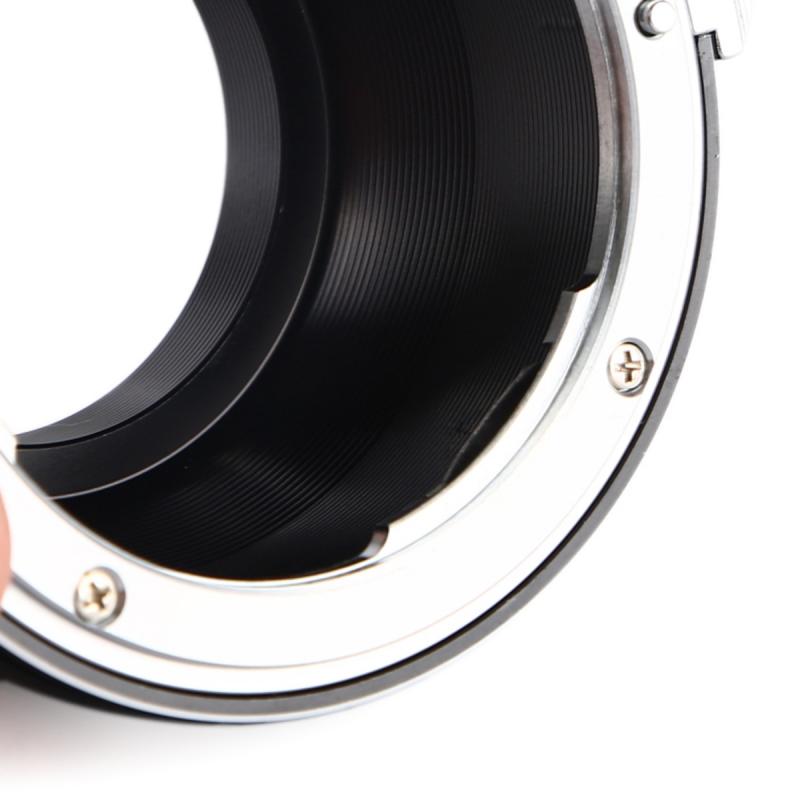
While Nikon owns the F-mount patent, some third-party manufacturers design cameras or adapters that facilitate compatibility with F-mount lenses. Although Nikon-brand cameras dominate this ecosystem, let's touch upon a few alternatives:
Third-Party Adapters:
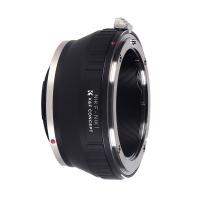
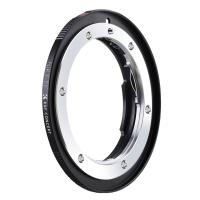
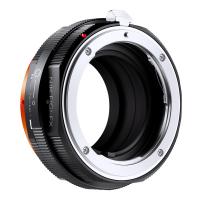
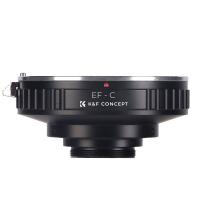
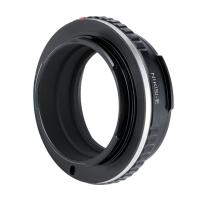
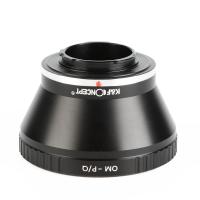
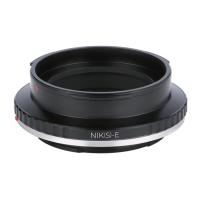
Many adapters are available for pairing Nikon lenses with other brand cameras (e.g., Sony E-mount or Canon RF-mount systems). Companies like Fotodiox, Metabones, and Viltrox offer adapters to support a variety of shooting options. These adapters range from basic lens mounts to intricate designs with autofocus support.
Third-Party Cameras Using Nikon F-Mount:
A smaller niche market exists for cameras from brands like Z Cam and RED, which offer models with interchangeable mounts. These filmmakers sometimes opt for Nikon F-mount or Z-mount compatibility for specific lenses and creative projects.
4. Compatibility Quirks and Choosing the Right Lens
One of the standout benefits of Nikon's system is the arsenal of available lenses, including manual-focus lenses dating back to the 1960s. However, there are compatibility quirks that users should be aware of:
Crop Factor for APS-C Cameras:
APS-C cameras apply a 1.5x crop to full-frame lenses. This means a 50mm lens will act more like a 75mm equivalent on APS-C bodies like the D500 or Z50.
Autofocus Considerations:
Certain older lenses, especially those without a built-in autofocus motor (like AF lenses, as opposed to AF-S), may not enable autofocus on entry-level DSLRs like the D3500 or D5600. Similarly, using F-mount lenses on the Z-mount with an FTZ adapter often retains functionality—but always double-check compatibility for specific setups.
Lens Innovations with Z-Mount Cameras:
Newer Z-mount lenses often feature faster apertures, greater edge sharpness, and lighter designs, making them a better fit for mirrorless bodies. However, if you're coming from an F-mount history, you'll find the FTZ adapter crucial.
Conclusion: Tailoring the Nikon Mount to Your Needs
From legacy film cameras to cutting-edge mirrorless digital machines, Nikon's mount ecosystem offers something for everyone. Whether you're a DSLR loyalist exploring the F-mount repertoire, a modernist migrating to the Z-mount's innovative capabilities, or a hybrid enthusiast leveraging the best of both, the Nikon system provides versatility and scalability.
Sticking with Nikon's F-mount camera bodies allows access to a nearly limitless supply of lenses that cater to varying artistic needs. Meanwhile, transitioning to Z-mount mirrorless cameras grants access to superior optical designs and advanced performance enhancements.
In deciding which Nikon mount suits your photography style, explore your creative aspirations and weigh backward compatibility against forward-looking innovation. Regardless of your choice, the Nikon lens mount system ensures countless possibilities for achieving photographic excellence.