Which Filter For Lens Protection?
Understanding Lens Protection Filters: Choosing the Right One
As a photographer or someone who uses cameras frequently, the value of your equipment is undeniable. The lens, often seen as the heart of any camera system, plays a critical role in capturing the clarity, colors, and details of your subject. However, as much as the lens enhances your photography, it is also vulnerable to damage from dirt, dust, smudges, scratches, and even accidental impact. This is where lens protection filters come into play.
Lens protection filters offer a simple yet effective way to safeguard your gear while providing secondary benefits to your photography experience. With numerous options available, photographers often find themselves questioning which filter to choose. Whether you’re a beginner photographer or a seasoned professional, understanding the purpose and functionality of protection filters will help you make an informed choice. This article explores the types of lens protection filters, their benefits, and practical tips for selecting the right one for your needs.
What Are Lens Protection Filters?
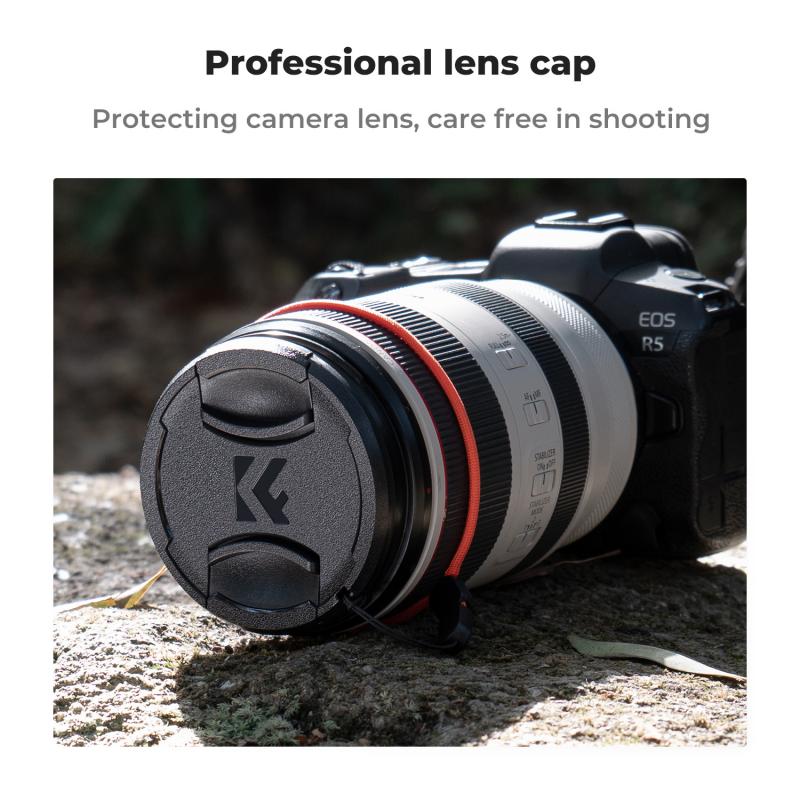
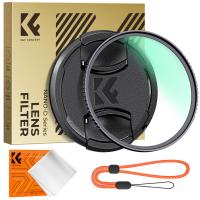
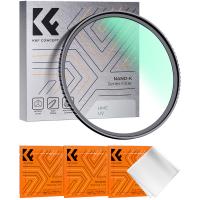
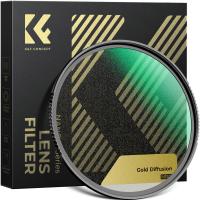
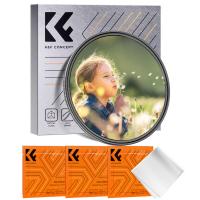
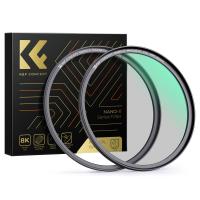
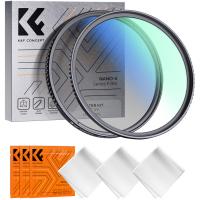
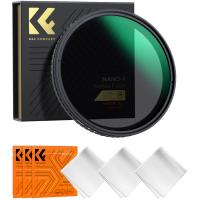
Lens protection filters are transparent or minimally colored glass elements that are screwed onto the front of a lens. Their primary purpose is to shield the lens surface from dirt, dust, water droplets, scratches, fingerprints, and potential impact. Unlike creative filters, protection filters do not significantly alter the image's appearance or quality; instead, they focus on ensuring the durability of your equipment.
Popular Types of Lens Protection Filters
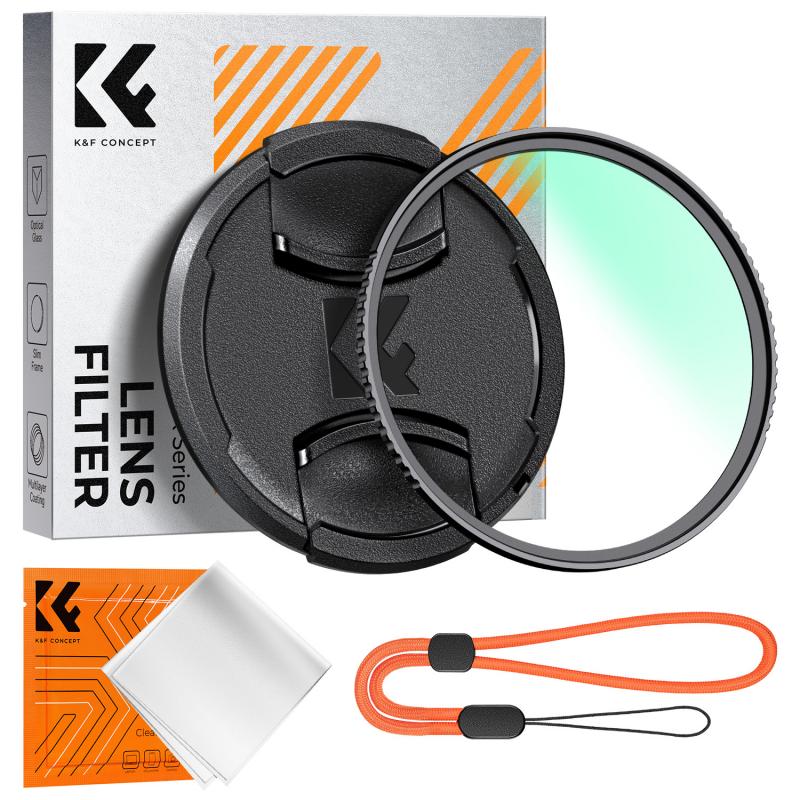
The market offers several types of protection filters, each catering to specific needs. Below are the most common ones:
1. UV Filters
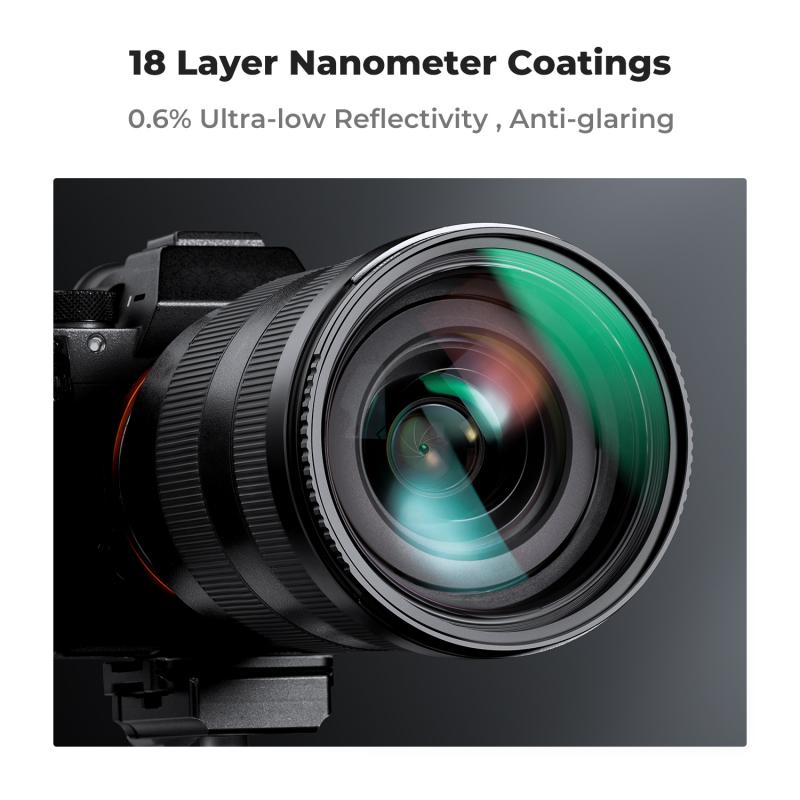
UV filters were originally designed to block ultraviolet light, which in older film cameras could create a hazy effect in your photos. However, with modern digital cameras, this UV-blocking function is almost redundant because sensors are less sensitive to UV light. Nowadays, UV filters are primarily used for protection purposes. They are clear and do not impact image quality, making them a popular choice.
Pros: Lightweight and affordable, UV filters provide solid protection against scratches and debris. They are easy to clean and maintain.
Use Case: Suitable for general-purpose photography and lens protection.
2. Clear Filters
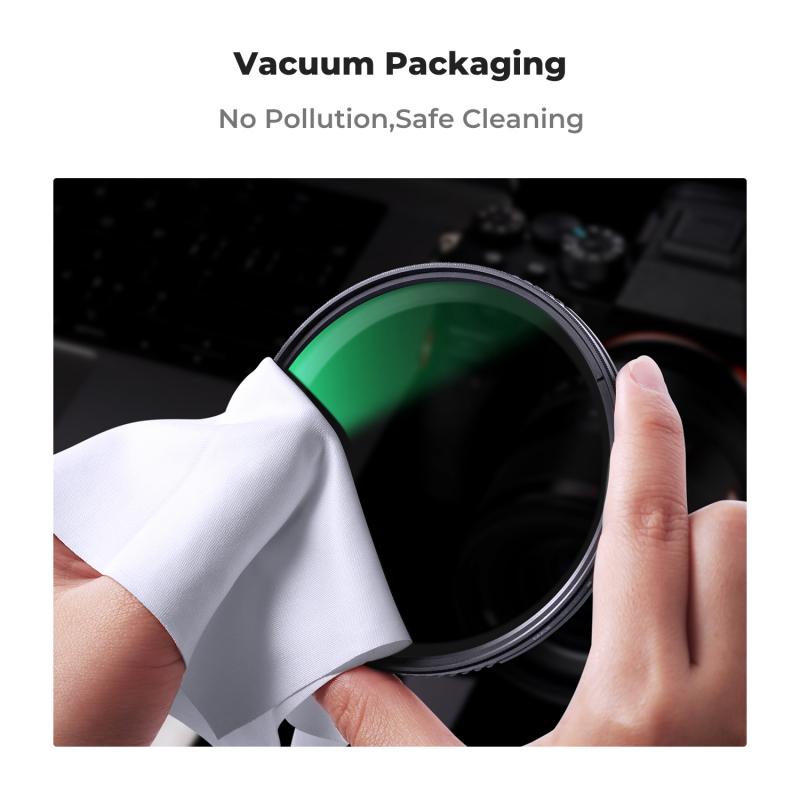
Clear filters, also known as optical glass filters, solely offer physical protection. These filters do not block UV light or change the appearance of the image. Their simplicity makes them highly practical for photographers who want no interference with their shots.
Pros: They minimize any risk of light distortion while offering crystal-clear lens coverage.
Use Case: Ideal for photographers focused strictly on lens protection without any image enhancement.
3. Polarizing Filters (Optional for Protection)
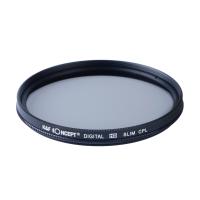
While polarizing filters are primarily used to reduce reflections, enhance colors, and manage glare, many photographers use them as secondary protection for their lens during certain conditions like outdoor shoots or landscapes. These filters are thicker and may add depth to your captured images but are not specifically designed for regular lens protection.
Pros: Adds creative functionality, particularly for outdoor and reflective surface photography.
Cons: Can slightly reduce light intensity and affect exposure settings.
Use Case: Best for photographers looking for a dual-purpose filter when shooting outdoors.
4. Neutral Density (ND) Filters
ND filters are designed to control the amount of light entering the lens, offering functionality beyond basic protection. They are typically used in scenarios requiring longer exposure times (e.g., waterfalls, moving clouds). However, for straightforward lens protection, ND filters are not the most suitable option as their primary function is to reduce light intensity.
Pros: Creative applications like motion blur or shallow depth of field in bright settings.
Cons: Not specifically designed for lens protection.
Use Case: Great for specialized photography but less useful for simple protection.
Should You Use a Lens Protection Filter?
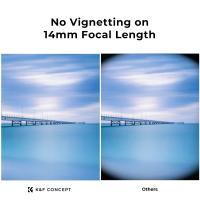
The ongoing debate about whether to use protection filters often arises from concerns about how they impact image quality. Some photographers argue that every layer of glass added to your lens, including filters, might slightly reduce image sharpness or introduce unwanted reflections (known as lens flare). However, high-quality filters from renowned brands are engineered to minimize these risks.
Advantages of Using a Lens Protection Filter
1. Lens Safety: Filters act as the first line of defense, preventing scratches or accidental damage.
2. Cost Efficiency: Replacing a damaged filter is far less expensive than repairing or replacing an entire lens.
3. Convenience: Cleaning a filter is easier than cleaning a lens, especially in challenging conditions like sandy beaches or windy environments.
4. Peace of Mind: Knowing your lens is protected allows you to focus more on your craft without worrying about accidents.
Disadvantages of Using a Lens Protection Filter
1. Potential Image Quality Reduction: Low-quality filters may affect sharpness, color accuracy, or introduce lens flares.
2. Added Bulk: Glass filters can slightly increase the weight and size of your lens setup.
How to Choose the Right Filter for Lens Protection
When selecting a filter, there are a few key factors to consider:
1. Quality of Glass
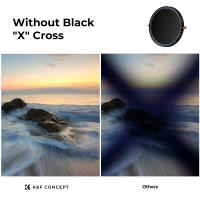
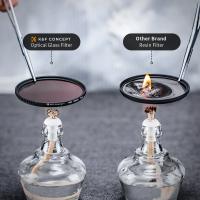
High-quality filters use optical-grade glass that preserves image quality. Coated filters, especially multi-coated ones, are essential as they reduce reflections and lens flare issues. Brands such as Hoya, B+W, and Tiffen are known for their superior filters.
2. Compatibility
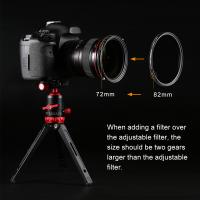
Ensure the filter is compatible with your lens size. Filters come in various thread diameters, which must match the lens's specifications (e.g., 58mm, 77mm).
3. Durability
Choose filters built using strong materials like brass or aluminum rings. Additionally, water- and scratch-resistant coatings are valuable for rugged environments.
4. Purpose
If your primary goal is lens protection, opt for clear or UV filters. If you shoot in specific conditions requiring enhanced visual effects, polarizing or ND filters might be worth considering.
5. Budget
Higher-quality filters tend to cost more, but they’re a worthwhile investment due to their longevity and reliability. Avoid opting for cheap filters to protect expensive lenses, as low-grade glass can degrade image quality.
How to Care for Lens Filters
Once you’ve chosen a lens filter, keeping it in good condition ensures maximum protection for your lens. Here are some tips for maintaining your filters:
1. Regular Cleaning: Use a lens-cleaning solution and microfiber cloth to remove dust, smudges, and fingerprints.
2. Storage: Avoid storing filters without their protective case or cap. A sturdy filter case decreases the risk of scratches during transport.
3. Remove During Night Shoots: For night photography or astrophotography, filters may introduce glare from bright light sources. Remove them if necessary to capture finer details.
Do You Really Need a Filter?
Not every photograph situation demands a lens protection filter. For example, if you’re shooting indoors or under controlled circumstances, you may find filters unnecessary. However, in outdoor photography, where elements like dust, moisture, and unpredictable conditions prevail, a lens filter is invaluable. Furthermore, photographers working with high-value gear typically see protection filters as essential insurance against potential damage.
Conclusion
Lens protection filters are among the simplest yet smartest investments you can make to preserve your photography gear. Whether you opt for a UV filter or a clear filter, choosing the right model will provide peace of mind and safeguard your lens from physical damage. In addition, high-quality filters ensure minimal interference with image quality, allowing you to produce stunning results without compromise.
Ultimately, the decision is a balance between practicality, cost, and photographic requirements. If you’re someone who frequently shoots in unpredictable environments or handles expensive equipment, a lens protection filter is indispensable. On the other hand, always prioritize quality when selecting a filter—saving a few dollars on low-grade options could cost you more in the long run. By understanding your unique needs and matching them to the right product, you ensure both your creative freedom and the durability of your gear.
Invest wisely, protect your investments, and enjoy the journey—your lens deserves nothing less!