UV Filter: Everything You Need to Know About UV Protection Lens Filters
Whether you’re a beginner photographer or a seasoned professional, protecting your camera lens is essential. One of the simplest yet most effective tools for this purpose is the UV filter. It’s small, affordable, and can make a big difference in your photography results.
In this guide, we’ll explore what is a UV filter for camera, what does a UV filter do, when to use UV filter, how to use UV protection lens filter, and even whether you can use a UV and CPL filter together. Let’s dive in.
What Is a UV Filter for Camera?
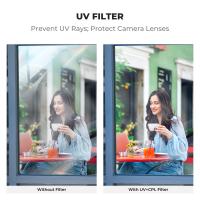
A UV filter for camera is a transparent glass filter that attaches to the front of your camera lens. Its original purpose was to block ultraviolet (UV) light that could cause haze or blue tint in film photography. Although digital sensors are less sensitive to UV rays, the camera lens UV filter remains an essential accessory for photographers.
Modern UV protection lens filters serve two main purposes:
1. Protecting your lens surface from scratches, dust, fingerprints, and moisture.
2. Reducing UV light and atmospheric haze, especially when shooting outdoors or in high altitudes.
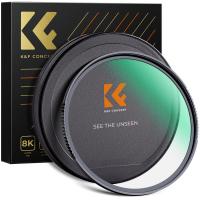
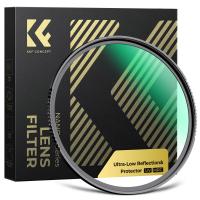
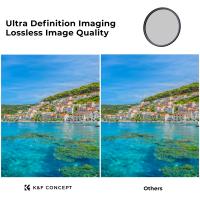
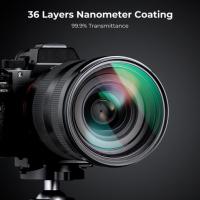
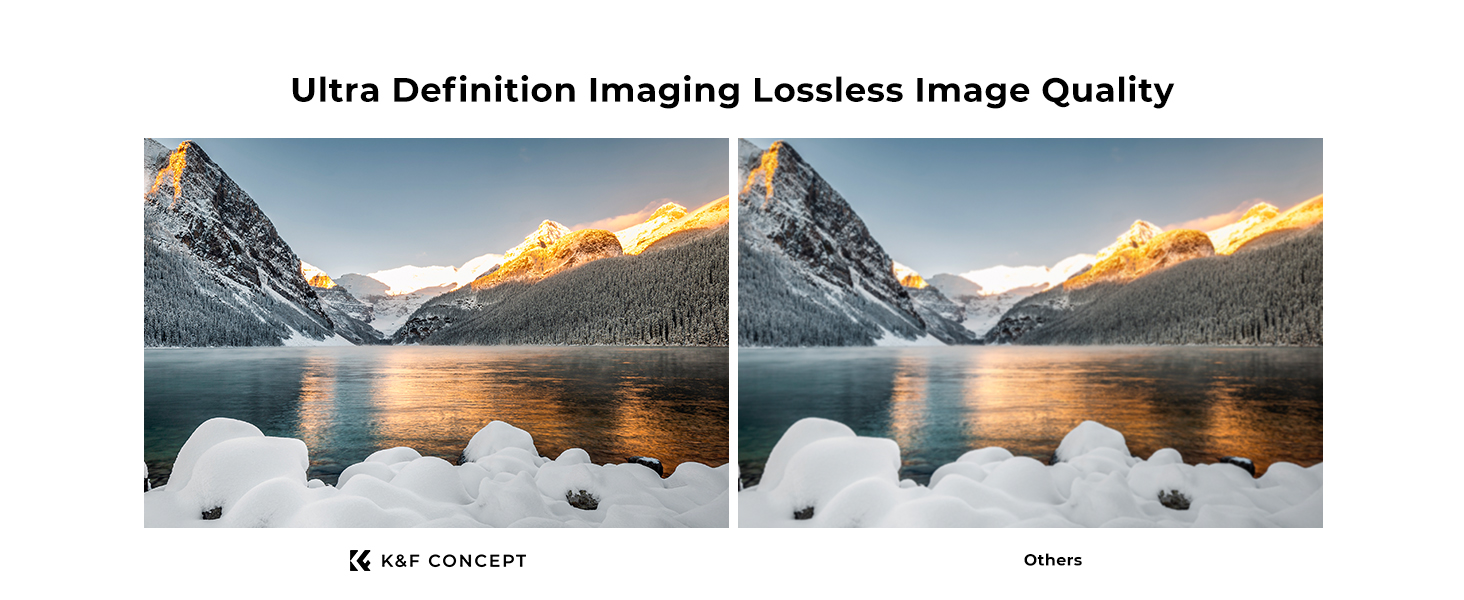
For example, the K&F Concept 37mm UV Protection Filter offers 18-layer multi-coating and nanotech coatings that minimize reflections and enhance light transmission — ensuring sharper, more natural images.
If you’re new to photography, think of a UV lens filter as a lens protector and performance enhancer combined into one.
What Does a UV Filter Do?
So, what does a UV filter actually do for your images? The UV filter camera accessory has multiple benefits beyond blocking ultraviolet light.
1. Protects your lens
The most practical reason to use a UV protection lens filter is to shield your expensive lens glass. Whether you’re shooting in dusty deserts or humid forests, the filter prevents direct contact with debris or fingerprints. If anything happens, it’s easier (and cheaper) to replace the filter than the lens.
2. Reduces atmospheric haze
In bright daylight or mountain photography, ultraviolet rays can make images appear hazy or bluish. The UV camera filter cuts through that haze, resulting in clearer and more vivid photos.
3. Improves color balance
By reducing unwanted UV rays, the camera lens UV filter helps achieve more accurate color tones, particularly in landscapes or seascapes where blue hues can dominate.
4. Enhances durability and cleaning
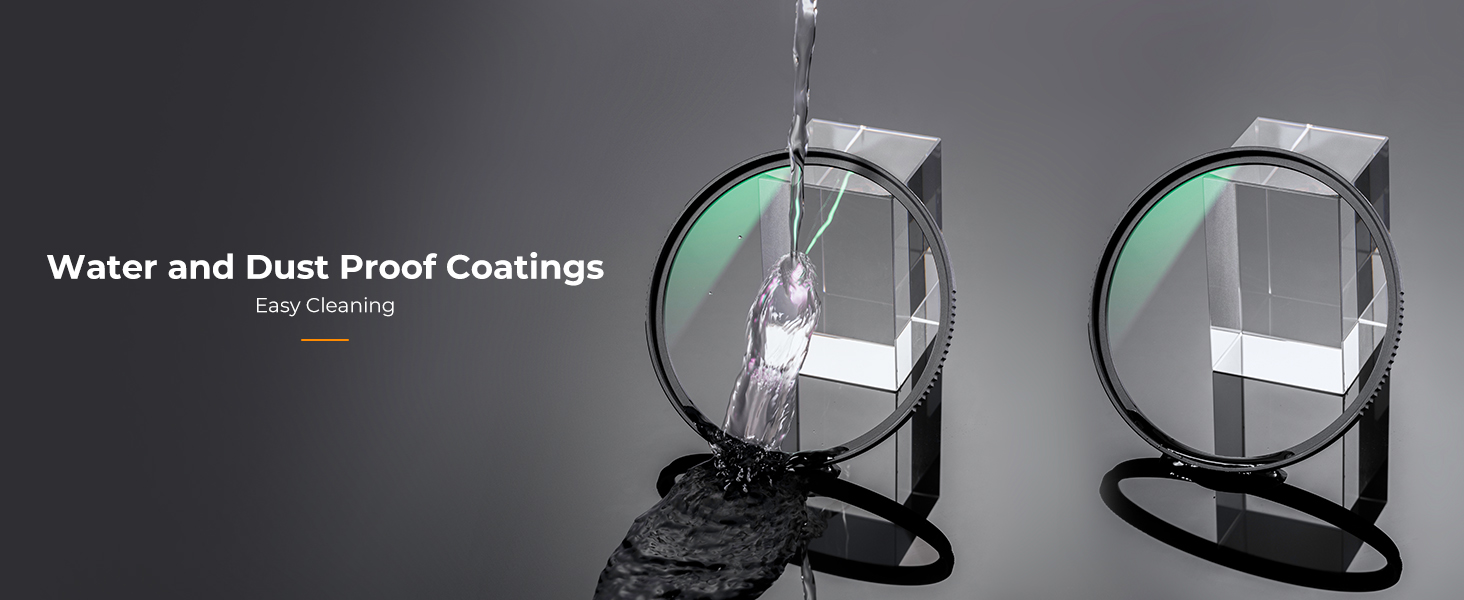
The best UV lens filter uses multi-coated glass that resists water, oil, and scratches. K&F Concept’s UV filters use HD optical glass with nano-coating to make cleaning effortless and preserve image quality.
So, when someone asks “What does a UV filter do for a camera?” — the answer is simple: it protects your investment and improves optical performance.
When to Use UV Filter?
Many photographers wonder when to use UV filter or when to use a UV lens filter. While it’s safe to keep it on all the time, there are certain conditions where it’s especially beneficial:
1. Outdoor Photography:
Use a UV camera filter when shooting in bright sunlight, at the beach, in the mountains, or near snow. UV light is stronger in these environments, and the filter helps reduce haze and glare
2. Dusty or Windy Conditions:
When shooting in deserts, on windy days, or during travel, a UV protection lens filter keeps fine particles from reaching your lens surface.
3. Seaside or Rainy Locations:
Salt spray or water droplets can damage lens coatings. A camera lens UV filter provides an easy-to-clean surface that protects against corrosion or etching.
4. General Everyday Use:
Many photographers use a UV filter for camera permanently. It’s the simplest form of insurance for your lens investment.
However, if you’re shooting at night or under controlled indoor lighting, you can safely remove it to avoid any potential flare from artificial lights.

How to Use UV Protection Lens Filter?
Using a UV protection lens filter is incredibly easy—no special tools required. Follow these steps:
1. Choose the Correct Filter Size:
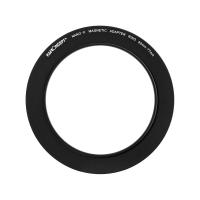
Each lens has a filter thread size (e.g., 37mm, 52mm, 67mm, 77mm, etc.). You’ll find this printed on the front or side of the lens, often marked by a “Ø” symbol.
For example, Kentfaith offers a 37mm UV protection lens filter, perfect for compact lenses.
2. Screw the Filter Onto the Lens:
Gently rotate the UV filter camera clockwise until it’s snug. Avoid overtightening—it should be firm but not forced.
3. Keep It Clean:
Regularly clean your UV filter with a microfiber cloth or lens cleaning kit. High-quality filters, like the Kentfaith multi-coated UV filter, come with 18-layer nanotech coatings that resist fingerprints, oil, and water.
4. Use Lens Caps Normally:
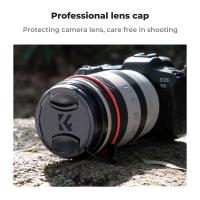
You can attach your lens cap directly onto the UV camera filter, so you don’t need to remove it between uses.
By maintaining a UV protection lens filter on your lens, you ensure both image quality and long-term durability.
Best UV Filter for Camera Lenses
Choosing the best UV filter can make a noticeable difference in photo quality. Not all filters are made equal—cheap options can introduce reflections, ghosting, or even color shifts.
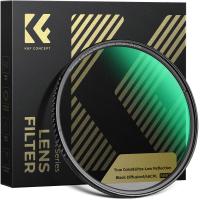
1. K&F Concept 37mm UV Filter
This UV protection lens filter from Kentfaith is a professional-grade choice featuring 18-layer multi-coating with nanotech protection.
Key features:
l Ultra-clear optical glass with 99.6% transmittance
l Scratch-resistant and waterproof coating
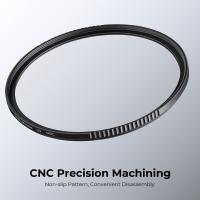
l Ultra-slim frame design prevents vignetting
l Suitable for both photography and videography
This makes it one of the best UV filters available for modern digital cameras, providing both protection and optical precision.
2. B+W UV-Haze MRC Filter
A premium German-made UV filter camera known for its multi-resistant coating that minimizes reflections and enhances clarity.
3. Hoya HD Digital UV Filter
A solid choice for photographers needing durability and optical clarity with high-transmission glass.
4. Tiffen UV Protector Filter
An affordable entry-level camera lens UV filter, ideal for beginners who want reliable protection without breaking the bank.
Can You Use a UV and CPL Filter Together?
One common question photographers ask is: Can you use a UV and CPL filter together?
Yes—you can, but there are a few considerations.
How They Work:
UV Filter: Blocks UV light and protects your lens.
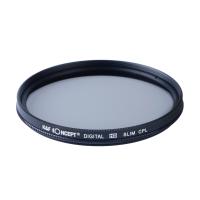
CPL (Circular Polarizing Filter): Reduces reflections and glare from non-metallic surfaces, like water or glass, and enhances color saturation in skies or foliage.
Stacking Filters:
You can screw the CPL filter on top of the UV camera filter since both share the same thread size. However, stacking filters may cause:
Vignetting: Slight darkening at the corners, especially with wide-angle lenses.
Reduced Optical Quality: Additional glass layers can increase reflections or flares if filters are low-quality.
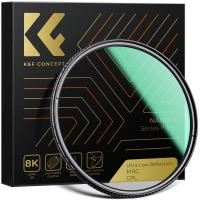
Pro Tip: If you plan to use both regularly, choose slim-frame, multi-coated filters like Kentfaith’s UV protection lens filter and CPL filters, designed to minimize vignetting and preserve image clarity.
So, while you can use a UV and CPL filter together, ensure both are premium-grade with anti-reflective coatings for the best results.
Tips for Choosing the Best UV Lens Filter
1. Optical Quality: Choose filters made from high-transmission glass.
2. Coating: Multi-coated filters reduce flare and repel dirt.
3. Slim Frame: Prevents vignetting on wide-angle lenses.
4. Brand Reputation: Stick to reliable manufacturers like Kentfaith, Hoya, or B+W.
5. Compatibility: Match your lens diameter (e.g., 37mm, 52mm, 67mm).
Investing in the best UV lens filter ensures long-term lens protection and optimal image quality for your camera system.
Conclusion:
A UV filter may seem like a simple accessory, but its role in lens protection and image clarity is significant. It blocks unwanted UV light, reduces haze, and acts as a durable barrier against scratches and dust. Whether you’re shooting landscapes, portraits, or travel scenes, keeping a UV protection lens filter on your camera is one of the smartest habits you can develop.
If you’re looking for professional-grade performance and protection, the Kentfaith 37mm UV Filter is an excellent choice. Engineered with 18-layer nano coatings, it ensures maximum clarity, durability, and weather resistance—making it the best UV filter for photographers who value both quality and reliability.
So next time you head out to capture stunning outdoor shots, make sure your lens is equipped with a UV camera filter. It’s a small accessory that delivers a big impact on your photos and your gear’s longevity.