What Is The Best Camera To Record Videos?
When it comes to choosing the best camera to record videos, the process can seem overwhelming due to the plethora of options available on the market. Whether you’re a professional filmmaker, a content creator, or simply someone looking to create high-quality video memories, selecting the right camera involves evaluating your specific needs and goals. In this article, we’ll dive into the key factors to consider and the standout camera choices that excel across various use cases. By the end of this guide, you will have a clearer understanding of what to look for and feel confident when making your decision.
Key Factors to Consider When Selecting a Camera for Recording Videos
Before diving into specific models, it’s important to identify key features that matter most when selecting a camera for video recording:
1. Resolution
High-quality resolution is paramount for video recording. Standard options include 1080p (Full HD), 4K Ultra HD, and even 8K on more professional devices. For most users, a camera capable of filming in 4K is an excellent starting point since it provides outstanding clarity and future-proof content.
2. Frame Rate
Whether you’re capturing cinematic footage or intense sports action, frame rate plays a significant role. Popular options include 24 fps (frames per second) for a cinematic feel, 30 fps for standard video, and 60 fps or higher for smooth, fast-paced action scenes or slow-motion effects.
3. Sensor Size
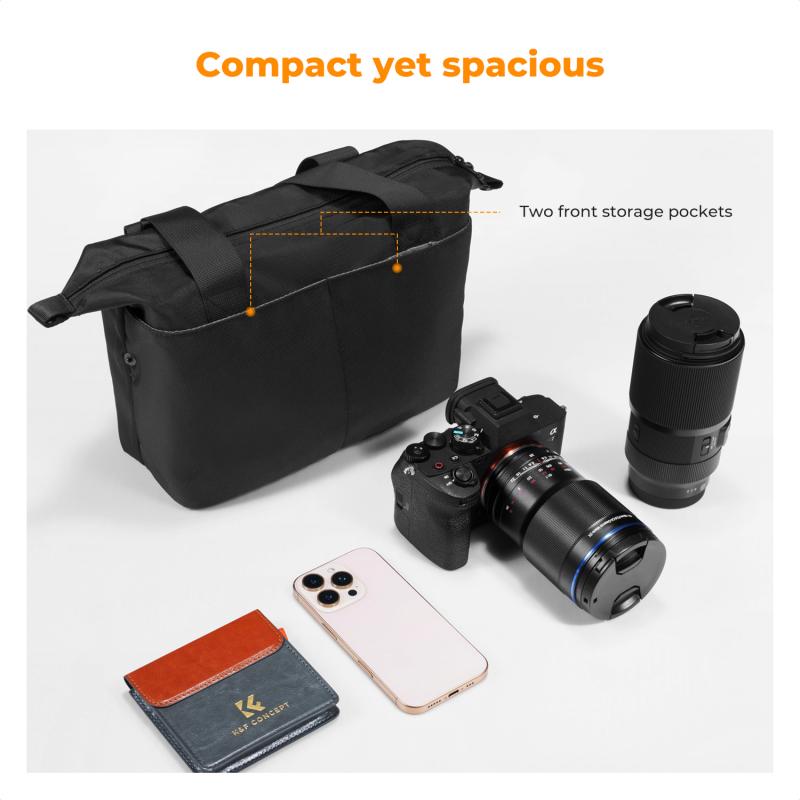
The size of the camera’s image sensor directly impacts video quality and performance in low-light conditions. Larger sensors capture more light, offering better dynamic range, depth of field, and better image clarity. Full-frame, APS-C, and Micro Four Thirds sensors are popular options.
4. Lens Versatility
If your camera supports interchangeable lenses, you’ll have greater creative flexibility to adapt to different filming scenarios such as wide-angle shots, telephoto zoom, or portrait close-ups.
5. Stabilization
Shaky footage can make even high-resolution videos appear amateurish. Optical Image Stabilization (OIS), In-Body Image Stabilization (IBIS), or gimbal-like stabilization features ensure smooth video capture.
6. Portability
Portability matters depending on your use. For travel vloggers or documentarians, compact cameras or mirrorless models can be life-savers. Studio filmmakers or professionals may opt for heavier, more capable devices.
7. Audio Quality
Built-in microphones often lack the quality needed for professional videos, so cameras with options for external microphone input provide greater control over sound recording.
8. Battery Life
Long recording sessions demand a camera with good battery life or external power solutions. A camera that can stay powered continuously when plugged in might be ideal for interviews or studio filming.
9. Budget
Budget constraints will narrow your options, but the good news is that there are excellent cameras available at every price point. From affordable beginner setups to premium professional rigs, you’ll find something that fits your needs.
The Best Cameras for Recording Videos in 2023
Now, let’s take a closer look at some of the standout cameras tailored to videography needs. These cameras represent a range of budgets and specifications to suit different user bases.
1. Sony A7S III
Widely hailed as one of the best cameras for professional video, the Sony A7S III is designed with videographers in mind. It boasts a full-frame sensor with exceptional low-light performance, 4K recording at up to 120 fps, and a sophisticated autofocus system. Thanks to its advanced stabilization and dynamic range, it excels in cinematic production.
Pros:
- Exceptional low-light capabilities
- 4K video up to 120 fps
- Internal 10-bit 4:2:2 color depth for professional-grade footage
Cons:
- Higher price range
- Limited for photography compared to some other models
2. Canon EOS R5
The Canon EOS R5 is a full-frame mirrorless camera perfect for hybrid shooters who need high-quality video and exceptional still photography in one device. This camera records 8K video internally and supports 4K in high frame rates. Its dual-pixel autofocus system ensures sharp focus during dynamic shooting scenarios.
Pros:
- 8K internal video recording
- Superior autofocus
- Compact and portable design
Cons:
- Potential overheating during extended 8K recording
- Expensive for hobbyists
3. Panasonic Lumix GH6
The Panasonic Lumix GH6 is an outstanding camera for videographers looking for reliability and value. It features a Micro Four Thirds sensor and offers 5.7K recording at 60 fps and 4K at 120 fps. Its compact size and price point make it a great choice, especially for indie filmmakers.
Pros:
- Compact and lightweight design
- Professional-grade recording formats
- Affordable compared to full-frame alternatives
Cons:
- Smaller sensor size compared to full-frame cameras
- Less desirable for still photography
4. DJI Pocket 2
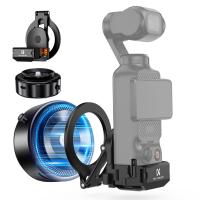
For casual content creators, vloggers, or travelers, the DJI Pocket 2 is a compact and affordable camera system. It’s an all-in-one video solution with a built-in gimbal for stable footage and 4K recording capabilities.
Pros:
- Extremely portable and lightweight
- Built-in stabilization
- Ideal for casual or on-the-go content creation
Cons:
- Limited versatility compared to larger cameras
- Suitable primarily for short videos
5. GoPro Hero 11 Black
The GoPro Hero 11 Black is synonymous with action video recording. It offers stunning 5.3K video resolution, HyperSmooth stabilization, and a rugged body that’s waterproof and adventure-ready. This model is tailor-made for adrenaline junkies and sports enthusiasts.
Pros:
- Compact and rugged for action shots
- Excellent stabilization
- High-resolution recording
Cons:
- Limited lens options
- Not suitable for cinematic or studio work
6. Sony ZV-E10
For beginner vloggers or creators on a budget, the Sony ZV-E10 offers great value. A lightweight, mirrorless camera with interchangeable lenses, it’s equipped with a specialized setup for video content, including a directional microphone and product showcase mode.
Pros:
- Budget-friendly choice
- Versatile due to interchangeable lenses
- Excellent autofocus
Cons:
- Lacks advanced features found in high-end models
- APS-C sensor isn’t ideal for professional-grade cinematography
Specialized Use Cases
Different users have unique requirements, so here are tailored recommendations based on specific needs:
For Travel Vlogging
A lightweight and portable camera like the DJI Pocket 2 or Sony ZV-E10 is perfect for capturing journey highlights and scenic vistas without being cumbersome. These are ideal for solo travelers who want stable footage on the go without excessive gear.
For Professional Filmmaking
The Sony A7S III or Canon EOS R5 cater to professional filmmakers who demand the best in cinematic quality, high dynamic range, and flexibility. These cameras deliver unparalleled video specs with sharp details, vibrant colors, and excellent post-production options.
For Action Shots
The GoPro Hero 11 Black is the ultimate choice for capturing extreme sports, underwater adventures, or fast-paced action with its next-gen stabilization. Its rugged design makes it ideal for shooting in challenging environments.
For Budget-Conscious Creators
If budget constraints are a concern, the Sony ZV-E10 or Panasonic Lumix GH6 provides a fantastic middle ground between cost and performance. These models allow users to experiment with creative controls, high-quality video, and secondary tools at an accessible price.
For Studio Content or Interviews
These use cases might demand excellent audio and video clarity. Look for cameras like the Canon EOS R5, which can record in high resolution while offering external microphone ports and stationary setups that cater to interview scenarios.
Additional Accessories to Elevate Your Video Recording Game
To bring your video production to the next level, consider investing in essential accessories:
1. Microphones: An external microphone significantly enhances your audio quality, crucial for interviews or dialogue-heavy videos.
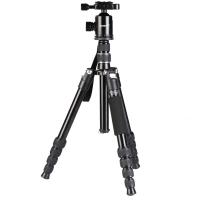
2. Tripod or Gimbal Stabilizers: These tools ensure smooth, steady footage and eliminate unwanted shakes during handheld shooting.
3. Extra Batteries: To avoid interruption during