What Are Binoculars For?
Binoculars are an essential tool for enhancing our ability to see distant objects clearly. Whether you’re exploring the world through the lens of science, nature, or recreation, binoculars provide unparalleled access to detail that our eyes simply cannot achieve on their own. Their design, specialized features, and varied applications make them indispensable in numerous fields and activities. In this article, we’ll dive deep into the practical uses of binoculars, factors to consider when choosing them, and how different types of users can benefit from leveraging their power.
The Core Purpose of Binoculars
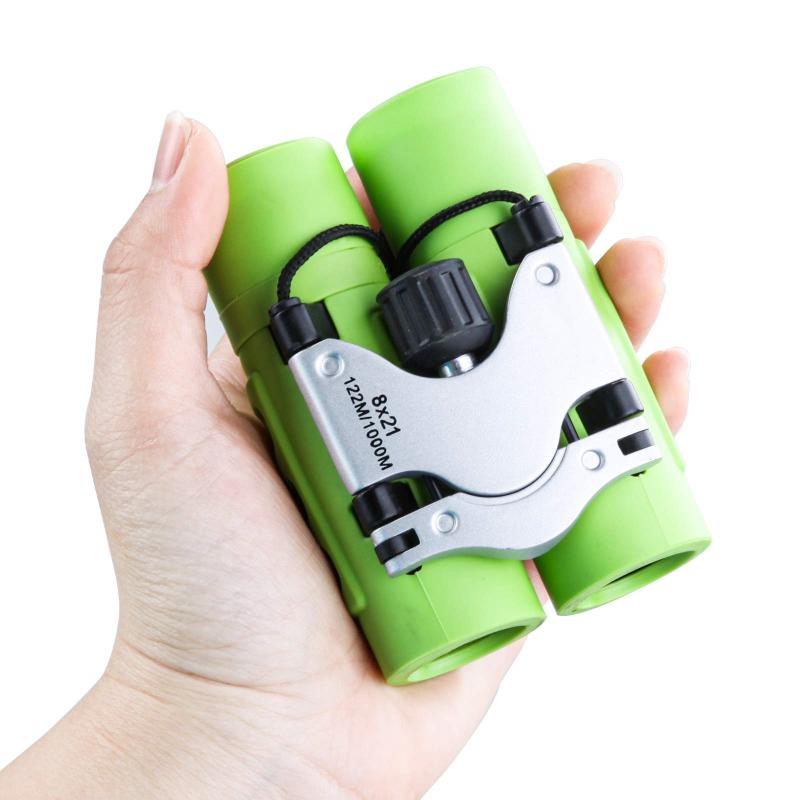
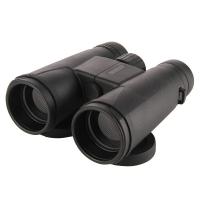
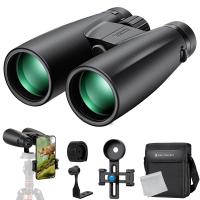
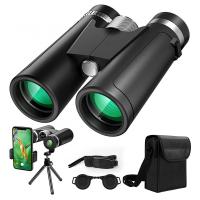
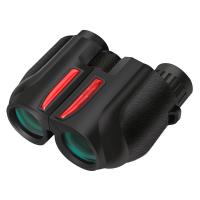
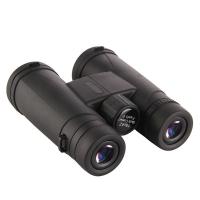
At their core, binoculars function as handheld optical devices designed to magnify distant objects. They consist of two aligned telescopes mounted side by side, allowing for stereoscopic vision—which means both eyes can be used simultaneously to view an image. This dual-eye advantage gives users a sense of depth and contributes to a more natural and satisfying viewing experience.
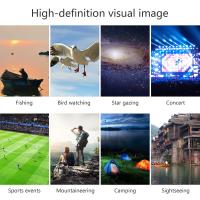
Binoculars are used in a variety of scenarios where enhanced observation is needed. Activities such as bird watching, stargazing, hiking, hunting, marine exploration, sports viewing, and sightseeing make frequent use of binoculars. Professionals, hobbyists, and outdoor adventurers all rely on this tool to elevate their capacity for observation. Let’s explore its uses in detail.
Applications of Binoculars

1. Bird Watching and Wildlife Observation
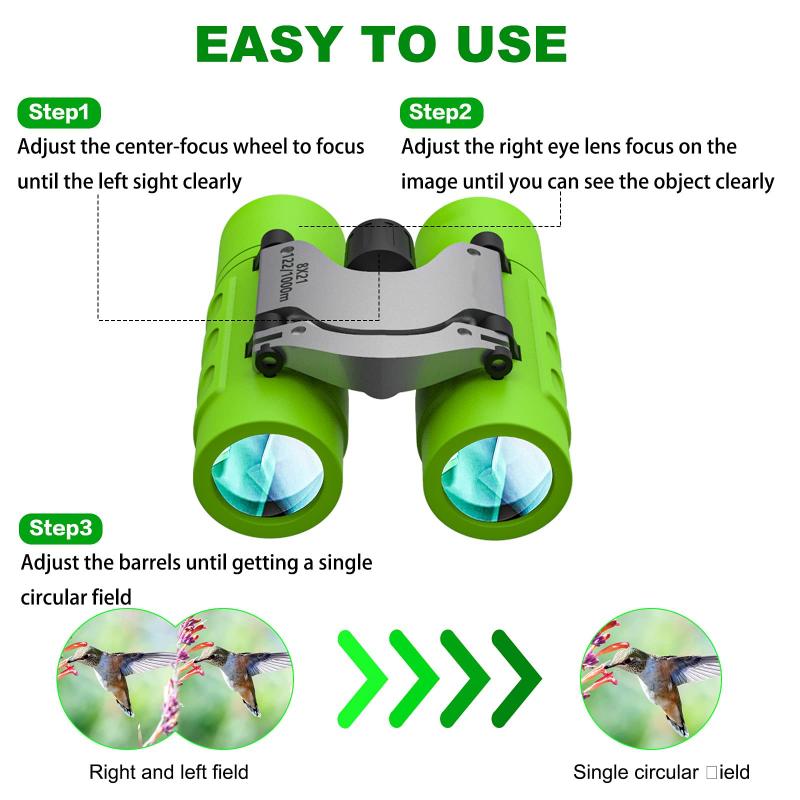
Bird watchers and wildlife enthusiasts are among the most frequent users of binoculars. They rely on this tool to spot animals or birds from a distance without disturbing their natural habitat. Binoculars with high magnification levels and quick focus features are ideal for observing fast-moving creatures or distant birds perched on treetops.
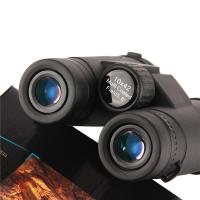
Typically, binoculars with an 8×42 or 10×42 configuration are preferred for bird watching. The first number, the magnification level, shows how many times the image is magnified compared to naked-eye viewing. The second number—the objective lens diameter in millimeters—is crucial for allowing light transmission, which results in brighter and clearer images.
2. Stargazing and Astronomy
While telescopes are the primary tool for astronomy, binoculars offer a portable and convenient way to observe the night sky. Amateur stargazers often use binoculars to scan for planets, constellations, and even dim celestial objects that might be harder to locate with the naked eye. Binoculars with large objective lenses, such as 10×50 or 15×70 models, are ideal for collecting more light under dark skies.
Stargazing binoculars should have good optical coatings to eliminate glare and maintain a crisp visual quality. These help users appreciate the subtle intricacies of the cosmos without requiring advanced equipment.
3. Hiking and Landscapes
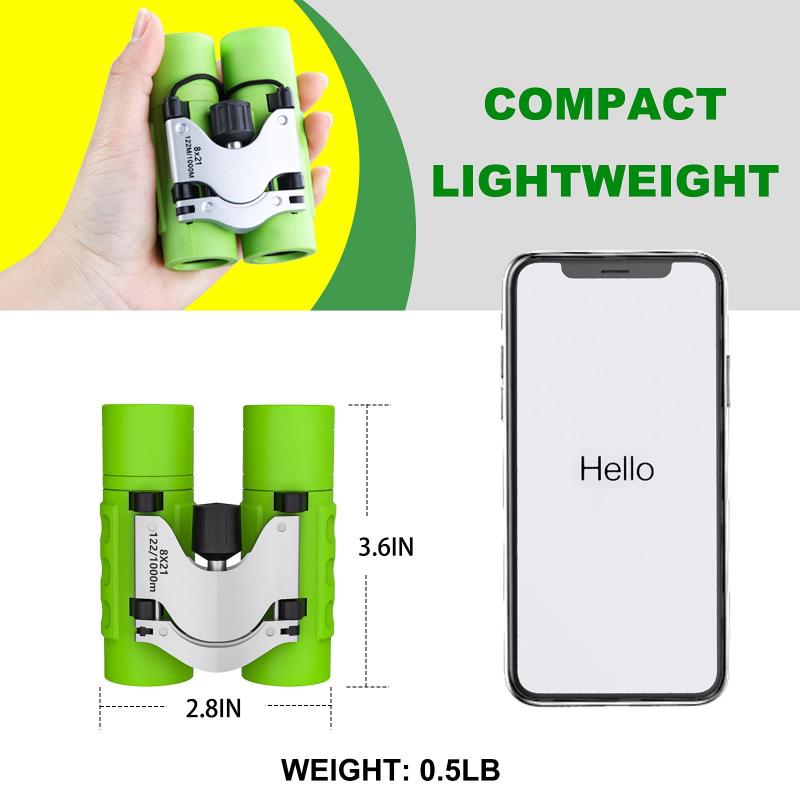
Outdoor enthusiasts often carry binoculars while hiking to view distant landscapes, natural formations, or even to scout terrain ahead. Lightweight and compact binoculars are preferred for such tasks, as bulkier models can add unnecessary weight during a trek. Models like 8×25 or similar configurations are perfect for hiking: they strike a balance between magnification, field of view, and portability.
Binoculars enhance the appreciation of scenic views from mountaintops or valleys, allowing hikers to immerse themselves in the beauty of the natural world from afar.
4. Hunting and Sports Recreation
Hunters use binoculars to scout for their target and understand the layout of their surroundings. Precision optics help them assess the movement and behavior of distant game animals while maintaining a safe distance. Binoculars for hunting often require durability, water resistance, and often camouflage designs to blend into the environment.
Sports spectators can also benefit from binoculars to get closer views of the action on the field, whether it’s a soccer match, a tennis tournament, or a Formula 1 race. Compact binoculars with lower magnification levels provide the clearest image without excessive zoom distortion, making them suitable for situations where a steady hand might be hard to maintain.
5. Maritime and Ocean Adventures
Marine binoculars are specialized for boating, sailing, and other ocean-related activities. Their design emphasizes water resistance, durability, and stabilization features to handle the constant motion of water vessels. Their use ranges from spotting landmarks to observing aquatic wildlife like dolphins or whales.
Marine binoculars often feature a compass or rangefinder built into their design, making them functional aids in navigation as well as observation tools. Models like 7×50 are popular for maritime use, as they balance magnification with stability.
6. General Travel and Sightseeing
Tourists and travelers use binoculars as a lightweight alternative to bulky zoom lenses on cameras. Whether appreciating a towering mountain from afar or gazing at architectural details that are high up on a monument, binoculars give casual explorers instant access to enhanced detail.
Compact and multipurpose binocular models are perfect for travelers who prioritize portability. Telescopic focus, without overly expensive features, is often sufficient for sightseeing.
Types of Binoculars
Binoculars come in various designs based on their intended applications. The most common types include:
1. Porro Prism Binoculars: Known for their distinct "zig-zag" design, these binoculars are widely affordable and provide excellent depth perception and image clarity.
2. Roof Prism Binoculars: These binoculars have a straighter, more compact design, making them lightweight and easy to carry during hiking or travel.
3. Zoom Binoculars: Allow for adjustable magnification levels, which can be handy for users needing variable zoom features for multi-purpose uses.
4. Waterproof Binoculars: Essential for marine use or rainy environments, these binoculars are created specifically to resist water damage.
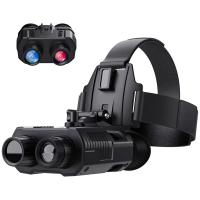
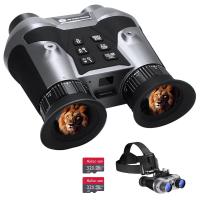
5. Specialized Binoculars: Models with night vision or built-in rangefinders cater to very specific user needs, such as hunting at dawn or dusk, or calculating distances for tactical actions.
Key Features to Look For When Choosing Binoculars
Picking the right pair of binoculars depends on a range of critical features:
1. Magnification: Choose a magnification level based on your intended use. Higher magnification offers a closer view but may limit field visibility and require steadier handling.
2. Objective Lens Diameter: Larger objective lenses allow for brighter images, especially in low-light conditions, but contribute to weight and bulk.
3. Field of View: Wider fields of view help users track objects, especially if they're moving quickly. Bird watchers or sports enthusiasts might prioritize this.
4. Weight: Lightweight models are ideal for longer periods of use or outdoor activities. Heavier models provide better image stabilization but may not be as portable.
5. Durability Features: Waterproofing, fog resistance, and shock resistance are essential for rough or unpredictable environments.
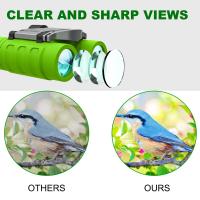
6. Coating Quality: Anti-reflective optical coatings maximize light transmission and reduce glare for clearer visuals.
Maintaining and Caring for Binoculars
To extend the functional lifespan of your binoculars, proper care and maintenance are essential. Here are practical tips:
1. Clean the Lenses: Use a microfiber cloth or specialized brush to remove dirt and dust. Avoid using abrasive materials that could scratch the lenses.
2. Store Properly: Keep binoculars in a protective case when not in use. Store them in a dry, temperate environment to prevent damage or mold growth.
3. Check Alignments: Ensure the prisms and optics remain centered for crisp images. Professional servicing can fix any misalignments.
4. Shield From Impacts: Wrap binoculars in padded cases when traveling and avoid dropping or knocking them against hard surfaces.
Binoculars bridge the gap between casual observation and precise visual experiences. Whether you’re a bird watcher, hiker, stargazer, sports enthusiast, or marine explorer, the versatility of binoculars allows you to engage profoundly with your interests. Understanding how to select the right binoculars for your needs based on magnification, lens diameter, and features ensures you get the maximum return on your investment.
As technological advancements continue to make binoculars more compact, affordable, and sophisticated, their importance only grows. Whether you are uncovering the marvels of nature or simply enhancing your appreciation of the view, binoculars unlock a world of detail and allow us to see beyond the limitations of our eyesight.