What Are Roof Binoculars?
Understanding Roof Binoculars: A Comprehensive Guide for Enthusiasts and Beginners
When diving into the world of optics, it's easy to become overwhelmed by the vast array of choices, technical jargon, and specifications that accompany binoculars. Among the most popular types of binoculars are roof binoculars, a highly versatile and sleek option that has found favor among bird watchers, hikers, stargazers, and outdoor enthusiasts alike. Whether you're considering your first pair or want to better understand this optical marvel, this article will take you through everything you need to know about roof binoculars. Armed with this knowledge, you’ll find it easier to make informed decisions suited to your needs and activities.
What Are Roof Binoculars?
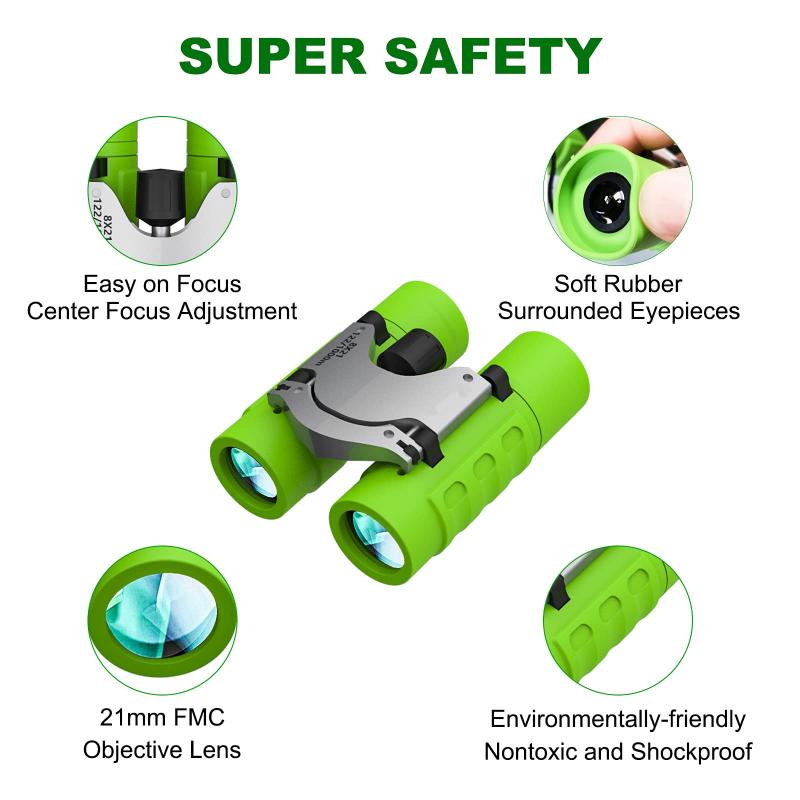
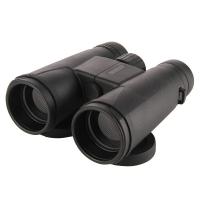
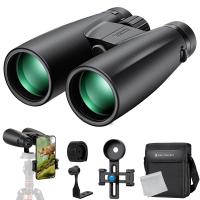
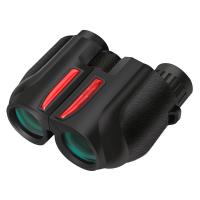
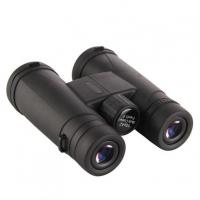
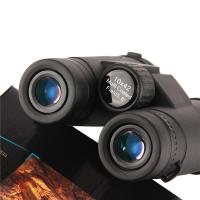
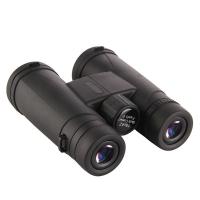
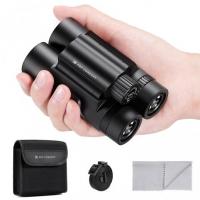
Roof binoculars refer to a specific type of binocular design. The name originates not from the tool’s connection with roofs or buildings, but from the design of the internal prism system within the binocular itself—specifically, its “roof-like” shape. Roof prism binoculars feature a streamlined and straight-barrel design, which makes them easy to handle, store, and transport.
These binoculars differ from their counterpart, the Porro prism binoculars, in terms of design. Whereas Porro prism binoculars use a zig-zag or offset design that results in a wider structure, roof binoculars are compact and linear, owing to the different prism configuration inside. It's this configuration that gives roof prisms their signature slim and modern style.
Before diving into use cases and advantages, it’s essential to understand the mechanics behind how roof binoculars work.
The Mechanism of Roof Binoculars: How They Work

Binoculars magnify distant objects and bring them into your field of vision. Full functionality hinges on a combination of eyepieces, prisms, and lenses. For roof binoculars specifically, the internal mechanism uses a system of straight-line prisms to direct and flip the images, so you see them correctly oriented.
The magic lies in the "roof prism," which is typically composed of either Schmidt-Pechan or Abbe-Koenig prisms. These prisms align with the straight barrels of the binoculars and help bounce light in such a way that it maintains image orientation. This straight-lined optical path results in a more compact design while ensuring high-quality image rendition. The effectiveness of their design has made roof binoculars particularly popular for modern outdoor applications.
Advantages of Roof Binoculars

1. Compact and Lightweight
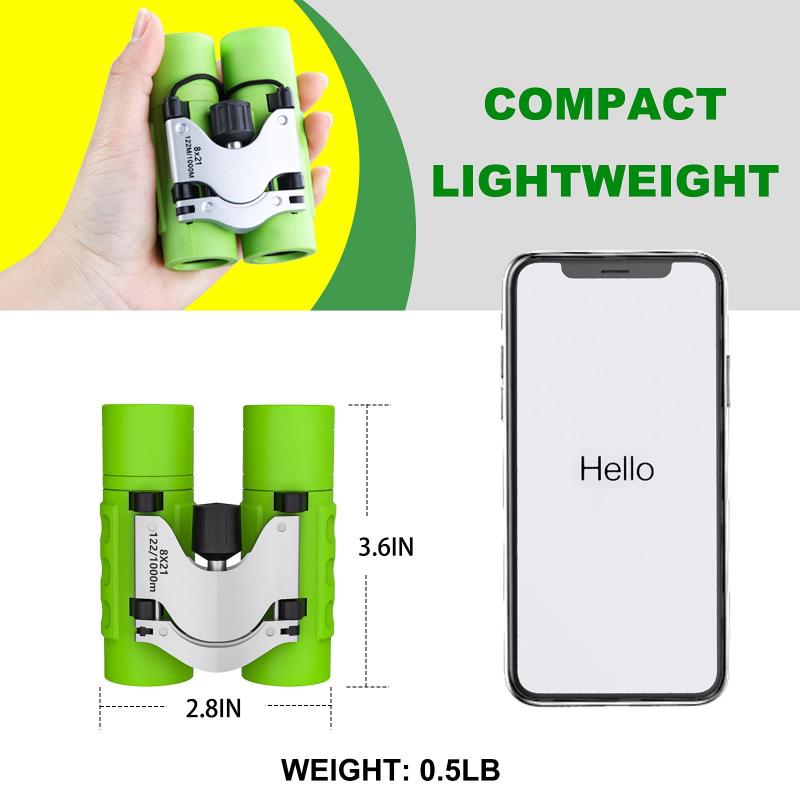
One of the primary reasons roof binoculars are widely loved is their compact design. Because the optical components are designed to align in a straight-line format, the resulting structure is sleeker and slimmer compared to Porro prism binoculars. This makes them lighter and easier to carry when you’re hiking, bird watching, or traveling long distances.
2. Durable Build
Compared to Porro prism binoculars, roof binoculars tend to be more rugged and resilient. Many roof binoculars come with high levels of waterproofing, fog-proof coating, and shock resistance, making them better suited for rugged environments and extreme weather conditions.
3. Ease of Handling
The straight-barrel design makes roof binoculars more ergonomic, especially for people with smaller hands or those who prefer a more natural hand grip.
4. Versatility
From birdwatching and wildlife spotting to stargazing and sports events, roof binoculars can perform well in almost any situation due to their versatile design.
5. Aesthetic Appeal
Though functional attributes are more important than appearance, many buyers appreciate the sleek and modern aesthetic of roof binoculars. Their slim barrels look professional and reflect advancements in engineering.
6. Wide Range of Options
Roof binoculars are available at different price points with varying levels of quality. Whether you’re a beginner, an amateur enthusiast, or a professional, it’s easy to find a pair that fits your budget without compromising performance.
Limitations of Roof Binoculars
While the advantages are plentiful, it’s important to also recognize areas where roof binoculars might not excel.
1. Higher Cost at Entry-Level
Manufacturing roof prisms to yield high image quality involves precision engineering. For this reason, lower-cost roof binoculars often don’t deliver the optical performance you’d expect. Comparing Porro prisms to roof prisms, beginners will find that Porro binoculars may provide better optical performance for the same price range. In other words, a quality roof binocular typically costs more than a comparable Porro model.
2. Care Needed in Optics
Even though roof binoculars boast a streamlined design, their compactness sometimes results in less light transmission than their Porro counterparts. This might make them less consistent under low-light conditions unless you opt for high-end models with advanced coatings.
3. Repair and Maintenance
Roof binoculars often involve more internal complexity, making their repair or replacement parts more costly in the rare instance that something goes wrong.
When and Where Roof Binoculars Shine
Given their strengths and potential limitations, roof binoculars are ideal for specific applications. Some of the best use cases include:
1. Outdoor Adventures
Roof binoculars are a go-to option for anyone who enjoys hiking, mountaineering, or wildlife adventures. Their lightweight, compact, and sturdy build makes them practical for extended use.
2. Birdwatching
Their ergonomic design and high clarity (when opting for good models) make roof binoculars a favorite among birdwatchers, allowing them to spot and marvel at feathered friends in their natural habitats.
3. Travel
For travelers and globetrotters, roof binoculars’ portability makes them a great companion, easily fitting into backpacks or carrying cases.
4. Sports Spectating
When attending a live sporting event or concert, you don’t need heavy, cumbersome binoculars to keep track of distant players or performers. Roof binoculars strike the perfect balance between usability and performance, ensuring you don’t miss any action.
5. Hunting and Shooting
Hunters often favor roof binoculars for their durability and waterproofing, especially in environments where precipitation or harsh landscape could be an obstacle.
6. General Purpose Observation
Whether you’re at the park, the beach, or your own backyard, roof binoculars offer excellent versatility for casual observation, giving users closer access to their surroundings.
Tips for Choosing the Right Roof Binoculars
Given the popularity of roof binoculars, the market is flooded with options. Here’s what to consider when choosing one:
1. Magnification and Objective Lens Diameter
Binoculars are classified by two numbers: magnification and the size of the objective lenses (e.g., 8x42). Striking the right balance between magnification and light-gathering ability is crucial depending on your usage.
2. Optics Quality
Look for fully multi-coated lenses and high-end prisms (such as phase-corrected prisms) to ensure sharp, bright visuals.
3. Waterproofing and Durability
Especially for outdoor activities, look for features like “O-ring seals” and fog-proof gas purging (e.g., nitrogen or argon-filled chambers).
4. Weight and Ergonomics
Test the binoculars in person to ensure they’re comfortable to hold and use. Compact models may offer better portability, but they should still feel sturdy.
5. Field of View
A wider field of view is particularly useful for observing moving objects, such as birds or wildlife.
6. Price vs. Performance
As mentioned earlier, quality roof binoculars often come with a slightly higher price tag. Keep this in mind and try to avoid compromising heavily on optics quality when constrained by budget.
Roof binoculars represent an exceptional blend of engineering, design, and functionality. Their compactness, durability, and versatility explain why they’ve become top picks for outdoor enthusiasts and casual users alike. Knowing their pros and cons, as well as tailoring your choice to specific needs, ensures that you’ll make the most of your optical investment.
Whether you’re observing a rare bird through the forest canopy, catching a glimpse of the night sky, or simply taking in the view on a scenic hike, roof binoculars are a reliable companion that helps bring the world closer to you. With the right choice, you’ll unlock a sharper connection to nature and enjoy all that the world’s vistas have to offer.