How Sewer Camera Inspection Works?
What Is A Sewer Camera Inspection?
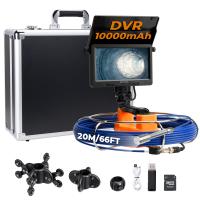
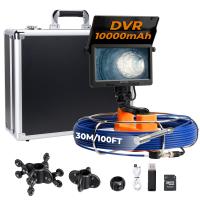
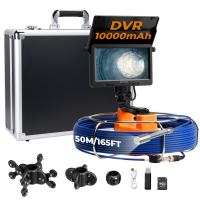
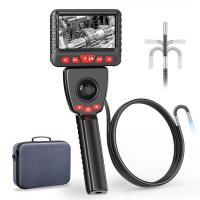
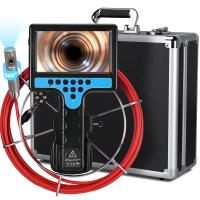
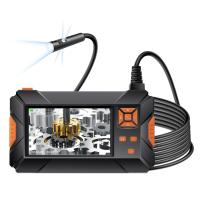
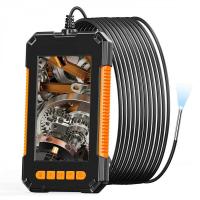
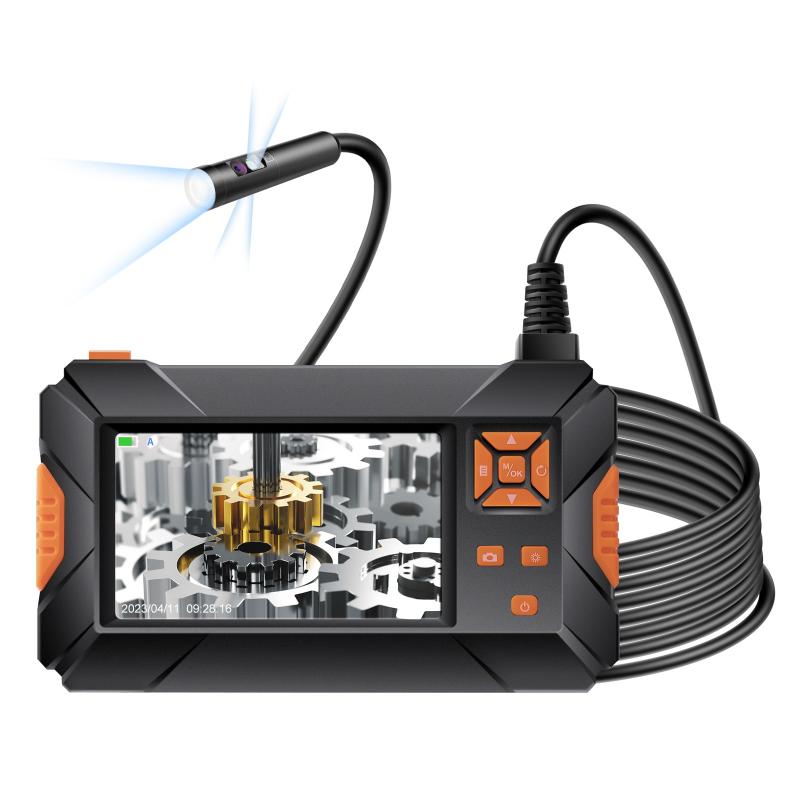
a sewer camera inspection is a process that uses a small waterproof camera attached to a flexible cable. the camera travels through the sewer pipe while transmitting live video footage to the inspector.
specially built waterproof video camera snakes are pushed through a pipeline to complete a visual inspection of sewer lines and other difficult to reach pipes. this includes pipes that are underground, encased in concrete, behind walls and beneath your home’s foundation.
video pipe inspections take the guesswork out of problems hiding inside pipes.
- pipe condition
- blockages
- cracks
- tree root intrusion
- pipe separations
- drainage issues
How Does A Sewer Line Inspection Camera Work?
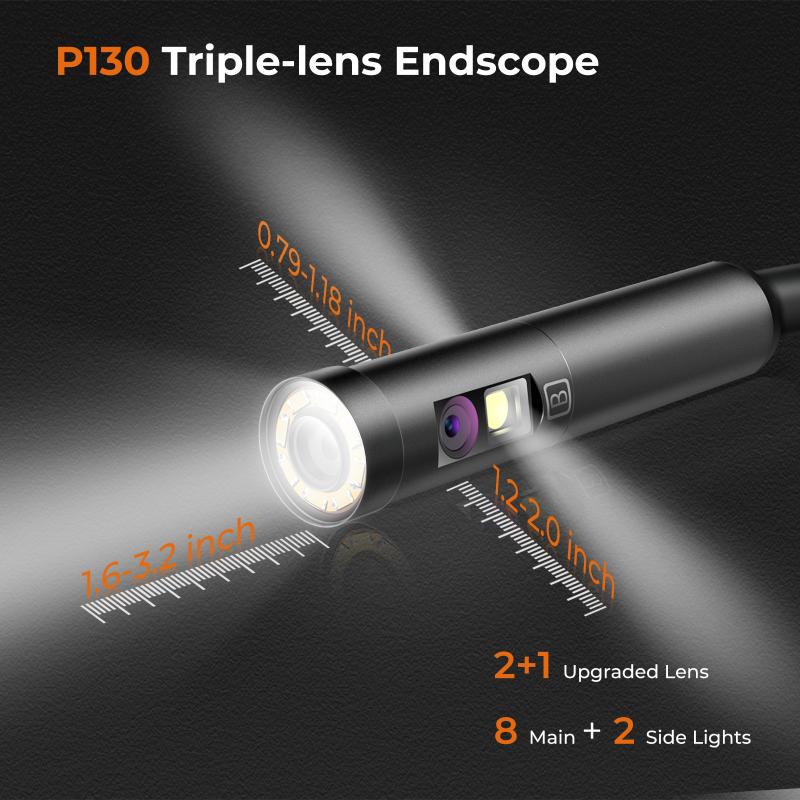
your professionally trained sewer solutions specialist inserts a flexible rod into the pipe. the rod is equipped with a high-definition video camera at its tip.
the flexible rod allows the camera to travel through the pipe while sending a video signal back to an hdtv monitor. the technician can inspect the entire length of a pipeline and make a digital recording of the inspection for future reference.
camera snakes are equipped with bright led lights that completely illuminate the inside of the pipe to reveal any cracks, clog sources or structural problems.
a radio transmitter inside the camera records the underground depth and precise physical location of any defects or obstructions in the pipe.
this allows to accurately diagnose any problems and present cost-effective treatment or repair options for our customers.
Sewer Camera Inspection Process
-
the inspector first identifies an access point to the sewer system. this may be:
- a cleanout pipe
- basement access point
- exterior access opening
the camera equipment is inserted through this entry point.
-
the flexible cable carrying the camera moves slowly through the sewer pipe. the camera sends live video footage to a monitor above ground.
the inspector carefully watches the footage while guiding the camera through the line.
-
during the sewer scope inspection, the inspector checks for common issues such as:
- cracks
- corrosion
- pipe misalignment
- standing water
- root intrusion
- grease buildup
- debris blockages
the video footage helps inspectors identify the likely type and location of sewer line issues.
-
after the inspection, the homeowner typically receives:
- inspection findings
- video footage or images
- notes about potential concerns
- recommendations for maintenance or repair if needed
this information can help homeowners make informed decisions about next steps.
What An Inspection Can Detect
a sewer inspection video camera allows the service technician to see any problems with the pipe.
a sewer inspection camera can identify nearly any problem with your sewer line, but these are some of the most common:
- tree root intrusion
- tree roots naturally seek moisture and can grow into tiny cracks in sewer pipes. over time, roots may block wastewater flow and damage the line.
- pipe cracks or breaks
- older pipes may crack due to age, shifting soil, or ground pressure.
- pipe bellies
- a pipe belly occurs when part of the sewer line sinks, creating a low area where water collects instead of flowing properly.
- corrosion
- some older sewer pipes may corrode internally, reducing water flow and weakening the structure.
- clogs and blockages
- grease, debris, wipes, and foreign objects can block sewer pipes and cause backups.
- misaligned pipes
- pipe joints may separate or shift over time, affecting drainage performance.
this might include root intrusion, cracks, punctures, corrosion, or misaligned pipe sections. the camera will also identify grease buildup, leaks and obstructions.
a follow-up video inspection can be conducted after service is performed to verify that the pipeline has been properly cleaned or repaired.

Why Sewer Inspections Are Important
many sewer line problems develop slowly over time. since the pipes are underground, homeowners may not notice warning signs until damage becomes severe.
a sewer inspection helps identify issues early before they become larger problems.
- detects hidden damage: the camera can reveal cracks, corrosion, and pipe damage that are not visible on the surface.
- helps prevent sewer backups: finding blockages early may help reduce the risk of sewage backups inside the home.
- supports better home-buying decisions: homebuyers can learn about the condition of the sewer line before purchasing a property.
- reduces guesswork: instead of digging randomly, inspectors can pinpoint the exact location of sewer issues.
- provides peace of mind: homeowners gain a clearer understanding of the sewer system’s condition and maintenance needs.
When Should Pipes Undergo An Inspection?
this type of inspection is recommended if you experience repeated sewer or drain line backups, slow drains or clogs.
additionally, realtors and prospective homeowners often see the cost benefit of conducting a professional video inspection of sewer pipes before purchasing a home.
the sewer inspection will determine whether the sewer line is free of problems that could lead to expensive future repairs.
- multiple slow drains throughout the home can indicate a sewer line issue.
- frequent plumbing backups may point to deeper problems in the sewer system.
- homeowners planning renovations or additions may want to first verify the condition of the sewer line.
- older sewer systems may contain aging materials more vulnerable to cracking or corrosion.
Noninvasive Inspection
yes. one major advantage of a sewer line camera inspection is that it is usually noninvasive.
the camera travels through existing pipes, which means:
- no major digging
- minimal property disruption
- faster inspection process
- more accurate problem location
this makes sewer inspections far more efficient than older methods that relied heavily on excavation.
Common Signs Of Sewer Line Problems
homeowners should pay attention to warning signs that may indicate sewer trouble.
possible warning signs include
- slow drains in multiple fixtures
- gurgling sounds from pipes
- sewage odors inside or outside
- frequent toilet backups
- water backing up into tubs or sinks
- wet patches in the yard
- extra green grass near the sewer line
if you notice these signs, scheduling a sewer scope inspection may help identify the issue before it worsens.