How To Ship Lithium Batteries?
Can you ship batteries safely?
it's crucial to understand that not all batteries are created equal when it comes to shipping.
certain types of batteries, like lithium-ion and lithium-metal, pose higher risks due to their energy density and potential for overheating or combustion.
this is why there are strict regulations when it comes to shipping lithium batteries internationally
these regulations often dictate specific packaging requirements, labeling, and documentation to ensure safe handling and prevent accidents during transit.
improperly packaged lithium batteries can ignite, causing fires that are difficult to extinguish and pose a significant risk to the safety of transportation workers and the general public.
batteries are classified as dangerous goods due to their properties and the potential risk they pose if improperly used, damaged, overcharged, or other structural defects which can cause the battery to release energy.
this can lead to short circuits, fires, explosions, and the production of toxic fumes.
shippers are required to understand and comply with the applicable regulations for the transport of batteries by all modes of transportation.
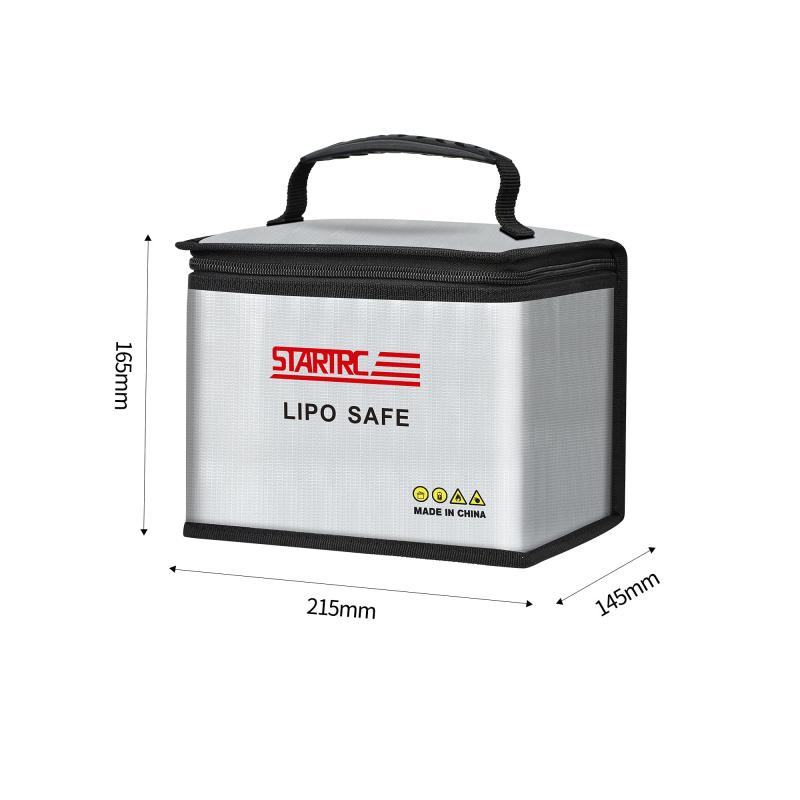
How to pack and ship lithium batteries
though widely used, lithium ion and lithium polymer batteries are classified as dangerous goods by the international air transport association (iata) as they're highly flammable, react sensitively to environmental factors, and can cause fires if damaged.
when shipping goods that include lithium batteries, you are legally responsible for ensuring those shipments comply with the iata dangerous goods regulations.
packaging must include the appropriate handling labels as required by lithium battery shipping regulations.
all the necessary documentation, such as a lithium battery shipping declaration or a material safety data sheet (msds) must also be included.
- ensure the device is completely turned off and cannot be accidentally activated during transit.
- protect the device with sufficient cushioning (e.g., bubble wrap or foam) to prevent movement and damage.
- use a sturdy outer packaging, such as a double-walled cardboard box, to secure the device.
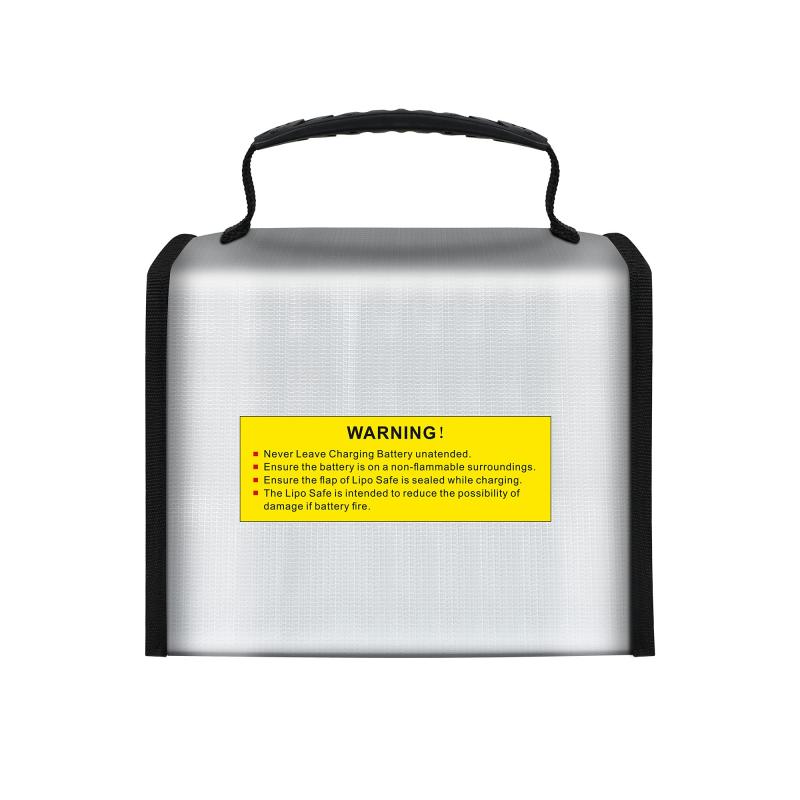
Batteries in equipment
if the lithium battery is installed in the equipment it powers:
- ensure the device is completely turned off and cannot be accidentally activated during transit.
- protect the device with sufficient cushioning (e.g., bubble wrap or foam) to prevent movement and damage.
- use a sturdy outer packaging, such as a double-walled cardboard box, to secure the device.
the equipment containing the battery(s) must be secured against movement within the packaging and packed to prevent contact with other equipment or accidental activation.
the device must be powered off
the battery(s) in the device must not be damaged, defective, or recalled
the battery(s) in the device must be original to the equipment
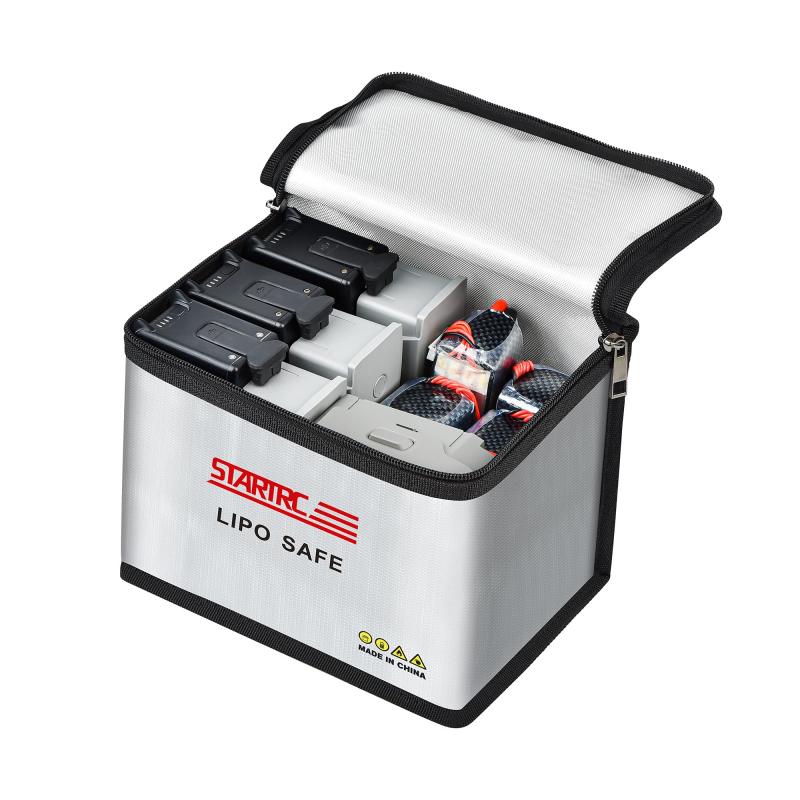
Batteries packed with equipment
if the lithium battery is packed with the equipment but not installed:
- follow the same steps as above for the equipment.
- place the battery in inner packaging (e.g., a sealed plastic bag) to prevent short circuits.
- secure the battery to the equipment or within the packaging to prevent movement.
the battery(s) in the device must not be refurbished
the battery(s) in the device must not be at “end of life”
the device must have an indicated battery capacity ≤ 30%
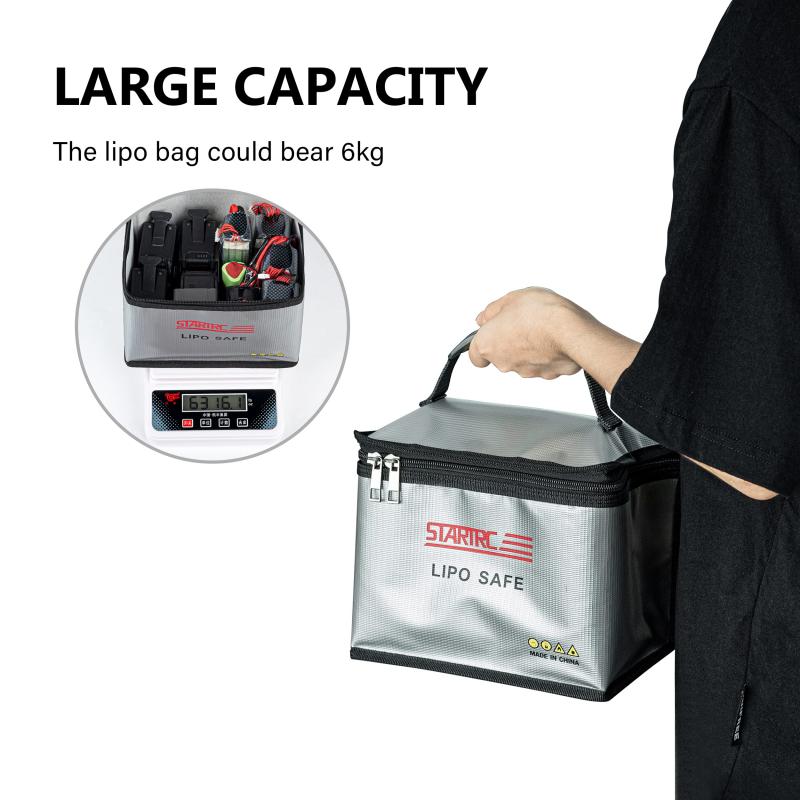
Batteries alone
if you're shipping lithium batteries alone:
- each battery must be individually packaged in inner packaging to prevent short circuits.
- place batteries in a rigid outer packaging, ensuring they cannot move or come into contact with each other.
- use cushioning material to fill any empty spaces within the packaging.
when you're shipping lithium-ion batteries by air, it's essential to follow specific regulations regarding their state of charge (soc).
the soc, which reflects the battery's charge level compared to its full capacity, must not exceed 30% during transit.
it's your responsibility to ensure compliance with this rule, as exceeding the limit can lead to safety risks.
Recalled, damaged or defective lithium batteries
shipping damaged or faulty batteries can be extremely dangerous, with the risk of fire, smoke and fumes.
for this reason, any battery that is suspected or known to be defective (swelling, corroding or leaking, for example) is not permitted for shipping within the dhl express network.
damaged, defective, or recalled lithium battery shipping is restricted to ground transportation by law and is only accepted for the lower us 48 contiguous states and excludes service to alaska; hawaii; puerto rico; avalon, ca; catalina island, ca; beaver island, mi; mackinac island, mi (winter only); the bass islands, oh; kelley’s island, oh and san juan islands, wa.
damaged, defective, or recalled lithium batteries (ddr lb) prepared under 49cfr §173.185(f) are not accepted.
battery collection, recycling, and/or end of life battery shipments require approved u.s. dot special permit packaging designed to contain a thermal event.
the battery collection, recycling, and/or end of life battery shipment program is only accepted for ground service and restricted to the lower us 48 contiguous states and excludes service to alaska; hawaii; puerto rico; avalon, ca; catalina island, ca; beaver island, mi; mackinac island, mi (winter only); the bass islands, oh; kelley’s island, oh and san juan islands, wa.
Liability
when shipping lithium batteries, the responsibility for safe and compliant shipping rests with you as the shipper.
you are legally obligated to follow all relevant regulations, such as un3480 and un3481.
failing to meet with international or local regulations can lead to serious consequences, including legal liabilities in the event of accidents or incidents involving your shipment.
to avoid this, it's crucial to familiarize yourself with and strictly adhere to the un and iata guidelines for shipping lithium batteries.
- keep devices turned off and cover switches
- label the shipment correctly and complete the required documentation
make sure your package is clearly labeled with the right warnings, especially when shipping lithium batteries.
these shipments require specific hazard labels and markings to keep everyone safe.
don’t forget to complete the necessary paperwork, like material safety data sheets (msds) and shipper’s declarations, as outlined by lithium battery shipping regulations.