How To Charge Wireless Earbuds Without A Case?
Charging without the original case
true wireless stereo (tws) earbuds are convenient, but losing the charging case can be stressful. this guide explains practical, safe methods to charge tws earbuds when the original case is unavailable, helping you regain listening time without damaging the devices.
- first, identify the earbud model, battery type, and any visible charging contacts.
- different earbuds behave differently; knowing the battery voltage and port style reduces risk.
- if possible, check the user manual or manufacturer website.
- safety should come first.
- improvised charging can cause short circuits, overheating, or permanent battery damage.
- if you are unsure, contact the manufacturer or a repair service instead of experimenting.
When charging without a case is not supported
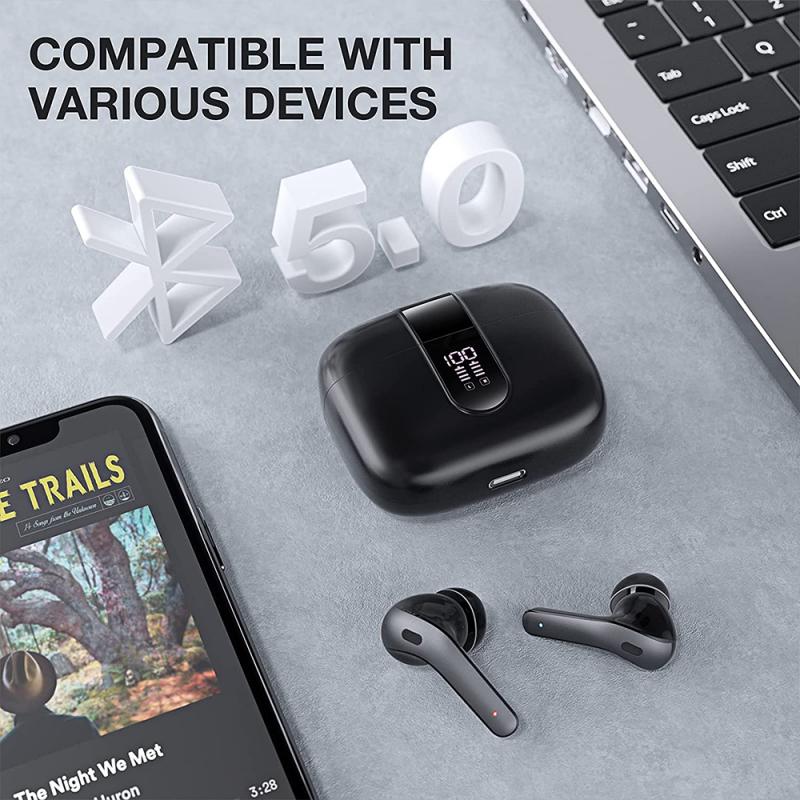
- most that i have seen no you can’t as the case has the contacts for the earphones to connect to charge their batteries.
- i don't think that will work. most headphones have a charging case and are charged inside the case.
- no, you typically can't charge your earbuds without the case, unless they support direct charging, which is rare.
- try earbuds without their specific original charging case is generally difficult and often possible without risking damage to the device.
Direct cable charging
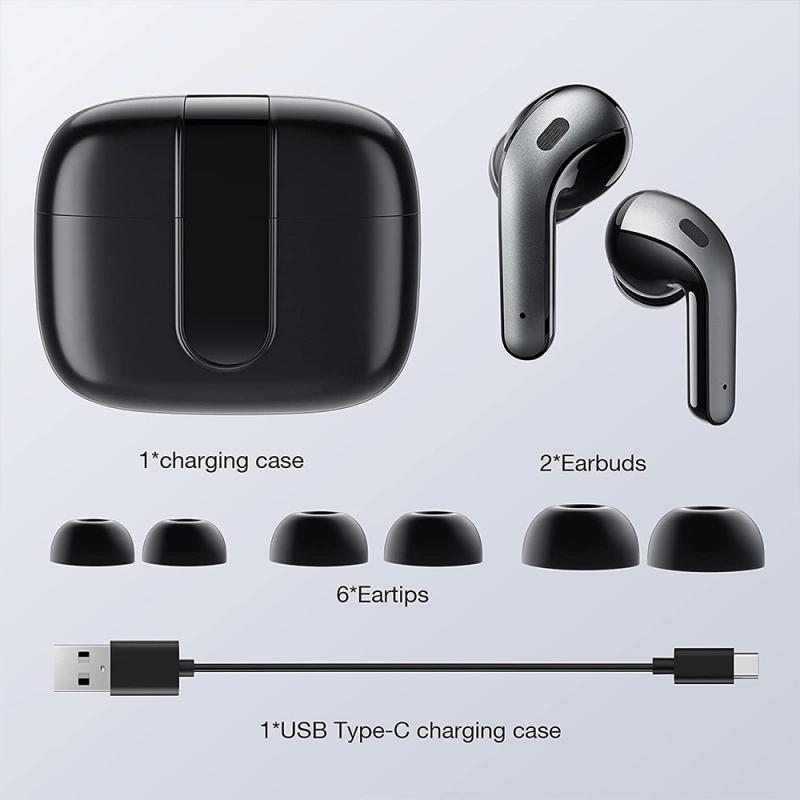
some earbuds include a tiny charging port (micro-usb or usb-c). if present, use the matching cable and a low-current usb adapter. prefer a computer usb port or a smart charger that limits current to under 500 ma per earbud. monitor temperature and stop if the earbud gets hot.
- use the correct cable and a low-power source.
- charge briefly and check temperature frequently.
- connect a micro usb (or any supported cable) to a charger with at least 25w of power.
- plug the other end of the cable into either or both of your earbuds to start charging.
- once they’re charged, you should see them light up or hear a beep.
Contact pins or diy cradle
if metal contacts are exposed, you can build a temporary cradle using pogo pins, copper tape, or small springs to touch the contacts while supplying regulated voltage. this mimics the charging case connection but requires care to avoid shorts.
- identify positive and negative contacts.
- use a regulated 3.7–4.2v source and limit current.
- align contacts securely; stop at any sign of heat or noise.
- please use a charge controller you are destroying your battery.
- as others have said, the earbuds may not have an internal charge controller.
Building a simple contact cradle
- start by gathering a small piece of nonconductive foam or plastic, two spring contacts or pogo pins, thin insulated wire, and a usb power bank or regulated supply.
- fix the pogo pins into the foam so they match the earbud contact spacing.
- solder short insulated wires from the pins to the supply leads, observing polarity.
- set the supply to a safe voltage—generally around the earbud battery nominal voltage—and limit current to a low rate.
- place the earbud into the cradle so the pins touch clean metal contacts, then power the supply and monitor voltage and temperature.
- charge in short intervals, checking the earbud between bursts to make sure it is not overheating or showing unusual behavior.
Wireless charging support
some earbuds support qi or proprietary wireless charging. if so, place the earbuds or an official adapter on a certified wireless pad. ensure correct alignment and avoid foreign objects between the pad and earbuds.
- confirm support before trying wireless charging.
- use certified chargers and align carefully.
- place the charger on a smooth, flat surface and connect it to a power source.
- place your earbuds case (with or without the earbuds in it) on the charging pad.
- the led light on your earbuds case should light up if it’s charging properly.
Adapted power bank or bench supply
an advanced option is to use a bench power supply or power bank with exposed terminals. only attempt this if you can verify polarity and regulate voltage and current. add a current limiter or resistor and charge in short intervals while monitoring voltage and temperature.
- match polarity correctly; reversed polarity can destroy the battery.
- include a current limiter; charge in short bursts.
- charge in a ventilated area and never leave improvised setups unattended.
- use short charge intervals and check temperature often.
- avoid using random metal pieces that could short contacts.
Battery and overheating risks
- certain budget earbud options are prone to overheating, which can lead to more serious problems, such as total device failure and battery swelling.
- connecting 5v without any charging circuits directly to earbuds with lithium batteries.. great idea, hope your house doesn't burn down
- you might genuinely cause a fire.
- lithium ion batteries charge at 4.2v maximum and if the voltage is raised higher than this then it has a decent chance of going into thermal run away.
- i would assume that your charging case provides 4.2v to the headphones, but here you are providing 5v so this is quite dangerous
- if they don't, then by connecting them directly to a usb power supply you are essentially trying to hyper fast charge the batteries to 157%, which obviously isn't good for them, and may cause them to fail.
Replacement case options
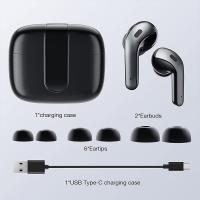
replacement cases are often the most convenient long-term fix. check the manufacturer for official spare cases using your model number. if an official case is unavailable, many third-party universal cases claim compatibility; confirm dimensions, pogo pin layout, and voltage before buying. when shopping, look for seller photos and user reviews that mention your exact model. buying a replacement case avoids the risks of improvised charging and restores convenient, safe charging with built-in protections and battery management circuits.
- shop for a used case.
- alternative solutions include buying an official replacement case, a compatible third-party case, or seeking help from a repair shop.
- these options often cost less than replacing earbuds ruined by improper charging and restore functionality reliably.
- prefer a replacement case or professional repair when possible.
If charging does not work
- if the earbuds don’t power on after charging, try resetting them (often by holding a button), pairing them again, or ensuring both sides receive a similar charge.
- if one earbud charges while the other doesn’t, recheck contact alignment and polarity.
- check whether you’re using a compatible charger and if it’s plugged in properly.
- if it’s still not charging, you might have a faulty case and/or charger.
- contact the manufacturer for a replacement if you’ve tried all the troubleshooting steps.