Where To Get Wireless Earbuds?
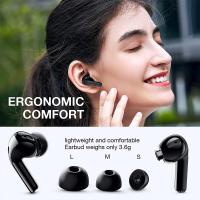
If you’re looking for wireless earbuds, the best place to buy them depends on what matters most to you: price, warranty, authenticity, return policy, or being able to try them first. Earbuds are one of those products where buying from the wrong place can quickly turn into a headache — fake listings, missing accessories, weak batteries, poor return options, or “new” earbuds that have clearly been opened before. For most people, the safest choice is to buy from a major retailer, the brand’s official website, or a trusted electronics store. Marketplaces can be fine too, but you need to pay closer attention to the seller.
The safest places to buy wireless earbuds
Brand websites
Buying directly from the brand is usually the cleanest option. Apple, Samsung, Sony, Bose, JBL, Beats, Sennheiser, Anker Soundcore, Jabra, and other major brands sell through their own websites. The biggest advantage is confidence. You know the earbuds are genuine, the warranty is valid, and the product hasn’t been swapped, repackaged, or misrepresented by a third-party seller. Brand sites also tend to list the newest models first, along with official replacement tips, charging cases, and accessories. The downside is price. Direct brand stores often have fewer discounts than large retailers, except during seasonal sales. If you want the latest AirPods, Galaxy Buds, Sony WF series, or Bose QuietComfort Earbuds and don’t want to think twice about authenticity, buying direct is a solid choice.
Big retailers
Stores like Best Buy, Target, Walmart, Costco, B&H Photo, and similar major retailers are usually the best balance of safety and price. You get real return policies, genuine stock, and often better promotions than the manufacturer’s website. Best Buy is especially useful if you want to compare several models in person. Even if you can’t properly test in-ear fit for hygiene reasons, you can still see the case size, check build quality, compare colors, and ask about return windows. For earbuds, return policy matters more than people realize. A model can have great reviews and still be uncomfortable in your ears after 30 minutes. Costco can be excellent if they carry the model you want. Their selection is smaller, but warranty and return support are usually strong. For expensive earbuds, that extra peace of mind is worth considering. Target and Walmart are convenient for mainstream models like AirPods, Beats, JBL, Skullcandy, Samsung, and budget-friendly options. Just be careful online: Walmart’s website, like Amazon, includes third-party sellers. A listing can look like it’s from Walmart at first glance when it’s actually sold by another company.
Amazon
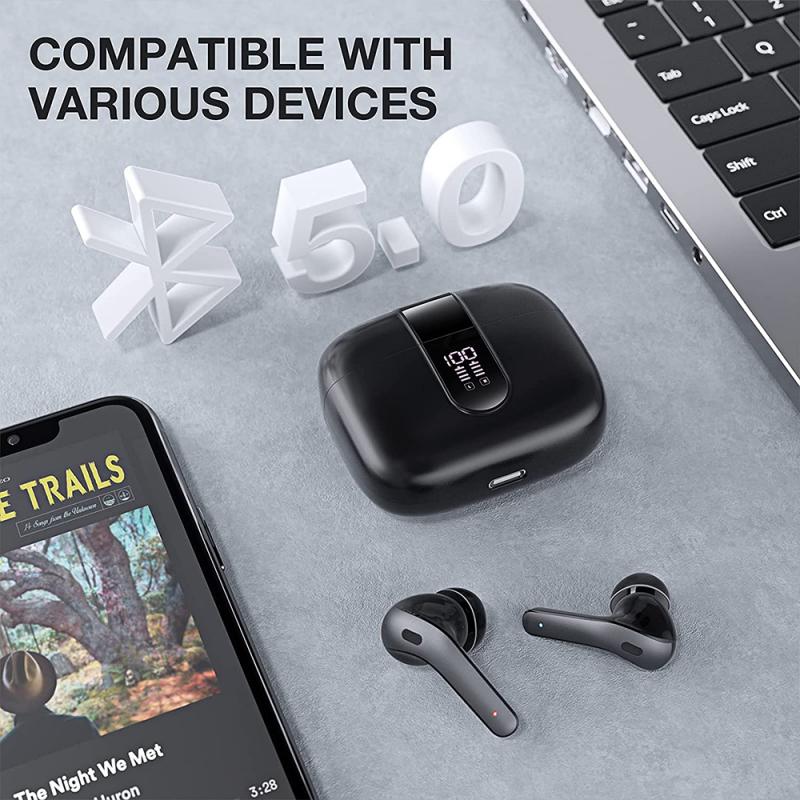
Amazon can be a good place to get wireless earbuds, especially during sales, but it requires a little caution. If you’re buying a popular model, look for listings that are sold by Amazon, shipped by Amazon, or sold by the official brand store. For example, Anker Soundcore, Sony, Samsung, JBL, and many other brands run official Amazon storefronts. The risk comes from random third-party sellers, especially with heavily discounted earbuds. Counterfeit earbuds are a real issue with popular products like AirPods. Some fakes look convincing in photos, include copied packaging, and even imitate pairing pop-ups. The problems usually show up later: poor battery life, weak noise cancellation, strange microphone quality, or no valid warranty. Amazon is best when you stick to official listings, check recent reviews, and avoid prices that seem suspiciously low.
Mobile carriers like Verizon, AT&T, and T-Mobile often sell earbuds, especially Apple, Samsung, and Google models. They’re not always the cheapest, but they’re convenient if you want to bundle accessories with a phone purchase or use account credits. Local electronics stores can also be worthwhile, particularly if you want help choosing between models. A good salesperson can steer you away from earbuds that don’t suit your phone, your ear shape, or your main use case. For example, someone buying earbuds mainly for calls should care more about microphone quality than bass or noise cancellation.
If price is the main concern, don’t assume you need the newest flagship model. Many mid-range earbuds are good enough for everyday use, and older premium models often drop in price once a newer version comes out.
Refurbished earbuds can be a good deal, but only from reputable sources. Apple Certified Refurbished, Best Buy Open-Box, Bose refurbished, Sony authorized refurbished, and similar programs are far safer than random used listings. With earbuds, hygiene and battery health matter. Unlike a laptop or speaker, earbuds sit in your ears and use tiny batteries that degrade over time. If you buy refurbished, check whether the ear tips are new, whether the charging case is included, and what warranty you get. Open-box earbuds from a major retailer can save money if the return policy is clear. Sometimes they were returned because the fit wasn’t right, not because anything was defective. Still, inspect them carefully and test battery charging immediately.
Wireless earbuds go on sale often. Good times to look include Black Friday, Cyber Monday, Prime Day, back-to-school sales, holiday promotions, and new product launch periods. The best discounts are usually on models that are one generation old. For example, if a new Sony or Samsung model comes out, the previous version may become a much better value overnight. Unless you need the newest feature, last year’s premium earbuds often beat this year’s cheap earbuds.
You don’t have to spend premium money to get usable wireless earbuds. Brands like Anker Soundcore, EarFun, JBL, 1More, and Tozo often offer good everyday models at lower prices. The trade-offs are usually microphone quality, noise cancellation strength, app polish, and long-term durability. For music, podcasts, gym use, and commuting, many budget earbuds are perfectly fine. For frequent work calls, travel, or switching between multiple devices, spending more can be worth it.
eBay, Facebook Marketplace, Craigslist, TikTok Shop, and small unknown websites can have real deals, but they’re also where many people get burned. The biggest issue is authenticity. AirPods are the most obvious example, but fake versions exist for many popular earbuds. A seller may claim they were “an unwanted gift” or “brand new sealed,” yet the product could be counterfeit or stolen. Sealed packaging doesn’t guarantee much anymore. If you buy from an individual seller, ask for proof of purchase, serial number information, and clear photos of the actual item — not stock images. Even then, you’re taking more risk than buying from a known retailer.
If a website is selling premium earbuds for half the normal price and you’ve never heard of the store, slow down. Search the store name with words like “reviews,” “scam,” and “return policy.” Check whether there’s a real address, real customer service, and secure payment options. A common mistake is trusting a professional-looking website just because it has product photos and a countdown sale banner. Scam stores often copy images and descriptions from real retailers.
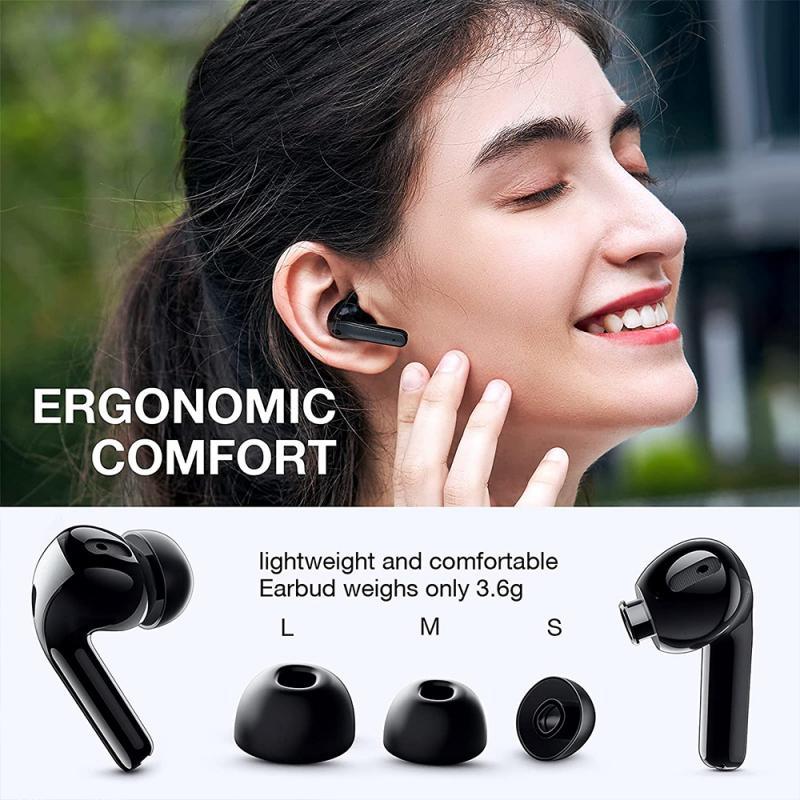
Buying online gives you more choice and often better pricing. Buying in person gives you faster returns and sometimes better confidence. For earbuds, fit is one of the biggest unknowns. Reviews can tell you about sound, battery life, and features, but they can’t tell you how a particular earbud will sit in your ears. Some people love stem-style earbuds like AirPods. Others find them loose. Some prefer compact buds that sit flush. Others feel pressure from silicone tips. If you’re unsure, buy from a store with a simple return process. Don’t cut corners here. The “best” earbuds are useless if they hurt after 20 minutes or fall out during a walk.
Before you choose where to buy, make sure you know which version you’re getting. Earbud names can be confusing. A listing might show an older model, a regional version, or a similar-looking product with fewer features. Check the exact model name, color, included accessories, warranty coverage, and return window. Look closely at whether the listing says “new,” “renewed,” “refurbished,” “open-box,” or “used.” These labels matter. Also check compatibility. Most Bluetooth earbuds work with most phones, but some features are brand-specific. AirPods work best with iPhones. Galaxy Buds are strongest with Samsung phones. Google Pixel Buds make the most sense for Pixel and Android users. Sony, Bose, JBL, and Soundcore tend to be more platform-neutral, though app support can still vary. If you care about noise cancellation, don’t judge only by the words “ANC” in the listing. Cheap noise cancellation can be weak. For planes, trains, loud offices, or daily commuting, Sony, Bose, Apple, and Samsung’s better models usually perform more reliably. If you care about calls, read reviews specifically about microphone quality. Many earbuds sound great for music but struggle with wind, traffic, or busy cafés.
If you want the least risky route, buy from the brand directly or from a major retailer like Best Buy, Target, Costco, or a trusted local electronics store. If you want the best price, check Amazon official brand listings, retailer sales, open-box deals from reputable stores, and older premium models. If you’re buying expensive earbuds like AirPods Pro, Bose QuietComfort, Sony WF-1000XM series, or Samsung Galaxy Buds Pro models, avoid random sellers unless you’re very confident. The savings are rarely worth the risk of fakes, battery issues, or no warranty. For cheaper everyday earbuds, Amazon and big retailers are fine as long as you stick with recognizable brands and sellers with clear return policies. The short version: get wireless earbuds from a place that lets you return them easily. Sound quality matters, but comfort, fit, battery reliability, and warranty support are what usually decide whether you’ll still be happy with them a month later.