How To Fix The Straps On A Camera?
A Comprehensive Guide to Fixing Camera Straps: Practical Solutions and Tips
A camera strap is one of the most essential accessories for any photographer, be it a professional or an enthusiast. It ensures your camera is safe, easily accessible, and lets you carry it conveniently during long shoots or outdoor sessions. However, straps can sometimes experience wear and tear, breakage, or even improper attachment, leading to frustration or even potential damage to your equipment. In this guide, we’ll address the most common issues encountered with camera straps and provide practical fixes for each scenario.
Why Proper Camera Strap Maintenance Matters
Before diving into the fixes, let’s briefly talk about why it's important to keep your camera strap in good condition. Camera straps serve multiple purposes: they safeguard your gear from accidental falls, ease the burden of carrying heavy equipment, and free up your hands when you're not actively shooting. Neglecting its condition can result in costly consequences, such as a damaged camera or lens. As simple as a strap may seem, maintaining it properly ensures you can focus solely on your craft without distractions.
Common Problems with Camera Straps and How to Fix Them
1. Loose or Improper Attachment
One of the most frequent issues photographers experience is a strap that doesn’t stay securely fastened. This can be due to improper threading through the camera lugs, mismatched strap buckles, or a faulty adjustment mechanism.
Solution:
Step 1: Inspect how the strap is threaded through the camera’s lugs or attachment points. Double-check that the strap is looped correctly and tightly, per the manufacturer’s instructions. Many cameras include a small manual that demonstrates the proper threading process.
Step 2: If you’re using third-party straps, make sure the connectors are compatible with your camera. Some straps use proprietary mechanisms, which may not work well with all camera models.
Step 3: After securing the strap, test its durability by pulling gently on all connected areas. If any part feels loose, re-thread and tighten it as needed.
2. Frayed or Damaged Strap
Over time, camera straps—especially fabric or leather ones—may show signs of wear, like fraying at the edges, torn threads, or cracked leather sections. Continuing to use a damaged strap risks breakage while carrying your camera.
Solution:
Fabric Straps: Trim the frayed section carefully with sharp scissors and apply a small amount of fabric glue on the trimmed edges to prevent further fraying. Alternatively, if the strap is excessively worn, it may be best to replace it entirely.
Leather Straps: Use leather repair products or conditioners to fix minor cracks and reinforce weakened areas. For severe damage, consult a professional leather repair service or consider purchasing a new strap.
Pro Tip: If your strap is beyond repair, look for durable replacements made from high-quality materials like nylon webbing or reinforced leather.
3. Broken Strap Connectors
Camera straps often come with plastic or metal connectors that attach the strap to the camera. These connectors may break due to repeated stress or accidental drops.
Solution:
- Purchase replacement connectors, as many manufacturers (e.g., Canon, Nikon, and Sony) sell official strap accessories and repair parts. Check your camera model to ensure compatibility.
- If you’re using a third-party strap, contact the manufacturer to see if connectors can be replaced individually.
- Alternatively, you can opt to use universal ring or loop connectors from a reputable brand, but ensure they are rated to handle the weight of your camera.
4. Strap Slipping Off the Shoulder
Even if your strap is in good condition, it may slip off your shoulder frequently, making it difficult to keep your gear in place during shoots.
Solution:
- Consider switching to a strap that offers a non-slip design, such as those with silicone rubber grips or anti-slip padding. These are specifically made to adhere to clothing or skin without slipping.
- If replacing your strap isn’t feasible, try adding adhesive grip pads (commonly marketed for footwear or furniture) to the strap's underside. They provide extra traction and prevent slipping.
5. Uncomfortable Camera Strap
An ill-fitting strap can cause neck strain, shoulder discomfort, or bruising after prolonged use. This is especially true for photographers carrying heavy DSLR or mirrorless cameras that include bulky lenses.
Solution:
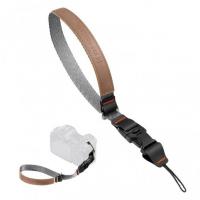
Upgrade to a padded strap or harness system: Many brands, like Peak Design or BlackRapid, offer ergonomic camera straps or harness systems with added padding and weight distribution features.
Use a sling strap: Unlike traditional neck straps, sling straps allow your camera to hang at your side, offering better weight distribution and less strain on your neck.
DIY Padding: If upgrading is not an option, consider sewing soft padding (e.g., foam or neoprene material) around the strap to improve comfort.
6. Compatibility Problems with a New Camera
Camera manufacturers often design straps specifically for their camera models. If you purchase a new camera, your old strap may not fit properly or may lack features to match the new equipment.
Solution:
- Research whether your old strap is compatible with your new camera, particularly in terms of weight capacity and attachment mechanisms.
- If the old strap doesn’t work, look for a universal strap designed for versatile compatibility across various camera types.
- Some third-party solutions offer adjustable buckles, allowing you to connect different types of cameras to the same strap.
Preventive Tips to Protect Your Camera Strap
In addition to the aforementioned fixes, here are several preventive measures to ensure your camera strap stays in pristine condition:
1. Periodic Inspection
Regularly check for wear and tear or signs of damage, such as loosened threads, weakened connectors, and material degradation. Early detection can prevent an accident.
2. Clean and Maintain
Keep your strap clean to ensure smooth operation and longevity. For fabric straps, wash them gently with mild soap and water, but make sure they are completely dry before attaching them to your camera. For leather straps, use leather conditioning products to keep them soft and strong.
3. Avoid Extreme Stress
Do not overload your strap beyond its weight capacity. Attaching extra accessories such as heavy telephoto lenses or camera bags can strain the strap and connectors, increasing the likelihood of failure. Consider investing in straps specifically designed for heavy setups.
4. Store Properly
When not in use, avoid tossing your camera with the strap into a bag without care. Folding your strap neatly or hanging it in a designated space will help prevent tangles, wear, and damage.
Choosing the Right Replacement Strap
If you’ve determined that repairing or maintaining your current strap is not feasible, it’s worth considering replacement solutions. Here are some features to look for in a replacement strap:
Material Quality: Opt for strong, durable materials like nylon webbing, leather, or neoprene foam.
Weight Capacity: Check the strap’s maximum weight rating to ensure it can support your camera securely.
Attachment Style: Look for adjustable and easy-to-use connectors that fit your particular camera model.
Comfort Features: Padded and ergonomic designs offer better long-term usability, especially for heavy equipment.
Style and Customization: Many brands offer personalized designs or customizable features to make the strap both functional and aesthetically pleasing.
Final Thoughts
Your camera strap isn’t just a simple accessory; it’s part of the essential gear that helps ensure your photography equipment stays protected and accessible. Whether you're fixing fraying edges, upgrading to a better option, or resolving compatibility issues, taking action sooner than later avoids unpleasant situations, such as accidental camera drops or lost opportunities for a perfect shot.
By applying the solutions and preventive practices outlined in this guide, your camera strap will continue to serve its role effectively, allowing you to focus on what truly matters: creating stunning photographs and capturing the beauty of the world around you. So, take a moment to inspect your camera strap today; it’s worth the effort to keep your gear safe and secure!