How To Detect Trail Cameras At Night?
2026-07-19 01:21:22
0 Comments
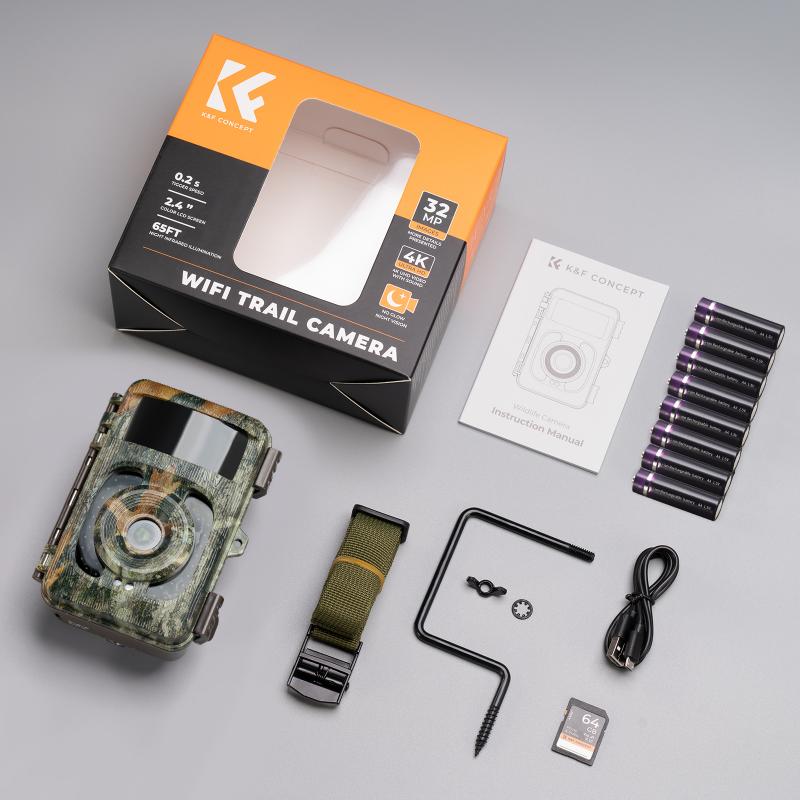
night detection with infrared
- ironically, they're easier to detct at night.
- i'd get a relatively cheap nightvision device--one that has an ir (infrared) light. probably put you back $20 - $30 on amazon.
- walk the property after dark and see if you pick up any sources or flashes.
- most trail cameras use an ir light/flash to illuminate after dark when they detect motion.
- buy a cheap active illumination night vision device, since they use ir to see, they'll see other ir too unless the cameras are a kind that turn the ir off to save battery when not recording.
- just walk around with night vision at night. you will see the ir illuminators.
cell phone camera method
- it may be possible for some smart phones to detect some trail cameras at night.
- phone cameras don't see that far into the ir band, or at least not as much as they used to, probably because of modern phones having lidar
- first, make sure the camera on your phone reacts to it.
- easiest thing to do is dim the lights in your room and then point the camera at the front end of a tv remote.
- the camera should see blinking where you don't.
- if you see the blinking in the camera, your phone sees infrared.
- wait until it gets dark, fire up your camera and wander around.
- look for bright things where there aren't any lights you can see.
- go out after dark with your cell phone camera.
- look for the ir light from the trail camera.
- your cell camera will let you see the ir.
- as others have said, they use infrared so a cell phone camera can usually detect it in the dark.
- i have used a security camera to find another security camera's light sources at night.
- i have even had some luck using the camera in my phone to do the same.
ir flashlight and reflections
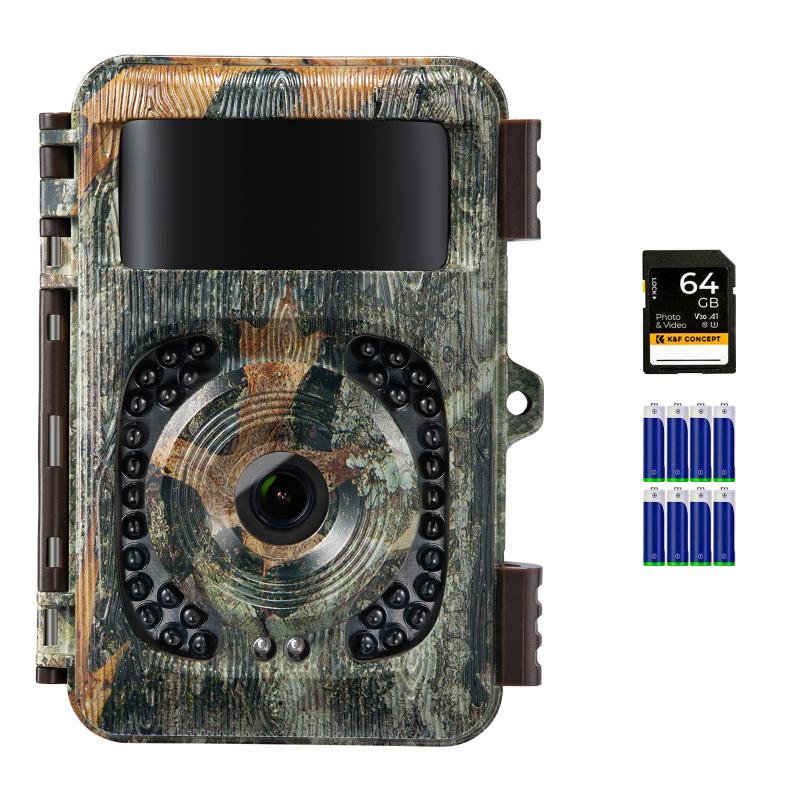
- cameras have feature something called "retroreflectors" that bounce directly back at the source, so if you can essentially look through the light source you can detect reflections.
- next, buy an ir flashlight on ebay.
- make sure your phone can see the light.
- hold it a little away from your phone, so the beam and your phone are looking at the same place.
- once you get that motion down, and look around.
- cameras usually reflect ir very well.
nighttime surveillance cameras and ir imagers
- otherwise, an ir imager, such as used to diagnose home heat loss would be able to detect the trail camera’s ir emitter.
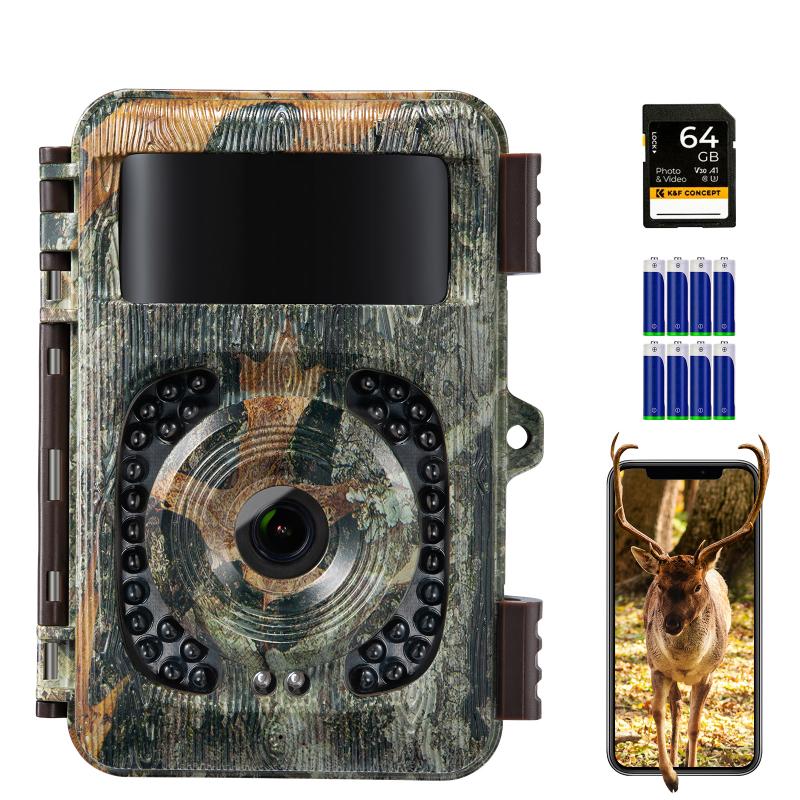
- or use a camera designed for nighttime surveillance.
- for example, a blink camera would work.
- thank you. we actually have blink cameras already so i can just pop one of them off the holder and scan the yard with it on live mode.
motion detection and ir flash limits
- another answer suggested using the ir signal to locate it.
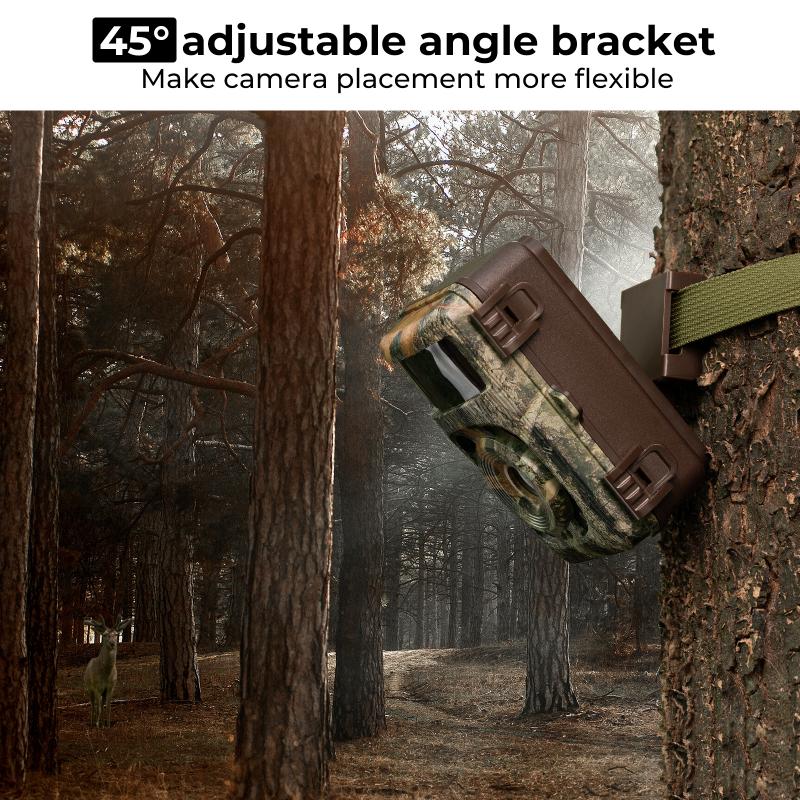
- the issue with that is the fact you must set off the motion detector for the ir to kick on.
- the ir is to simply light up your intended target when the photo is taken, it is not on constantly.
- think of it as a flash bulb you can not see with the naked eye.
- unless you are looking towards the camera with your phone when it goes off, you likely will not see it.
- trail cameras use passive infrared sensors (pir) to detect moving heat.
- the detection zone is the area in front of a trail camera's pir sensor where moving heat such as the body of an animal can trigger the camera.
- the detection of heat is important, as a trail camera only detecting movement would trigger every time vegetation moves in the wind.
visual signs in woods
- un-focus your eyes and look for rectangular shapes.
- good luck. most are camo, and unless they strapped it to a tree at eye level with little concern to hiding it, it will be tough to spot.
- the strap around the tree trunk might be the easiest way to spot one.
- if they hid it well you will have a tough time short of examining each tree in the suspected areas.
- finally, if you have access to a drone, take photos from the air, looking straight down.
- keep at it.
- human beings are lazy.
- if you're replacing batteries or checking videos on a series of cameras, you just might take the same path.
- that path will likely become visible in grass and low brush.
signal detection limits
- other than that, trail cameras, generally record to a memory card rather than transmitting so there’s no transmissions to look for.
detector devices mentioned
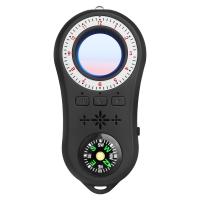
- you'd want something like this:
- https://www.amazon.com/camera-detector-c10-pro-professional/dp/b0c9hskftg/
- https://www.amazon.com/asdraw-detector-detectors-listening-rechargeable/dp/b0cktkgn2n
- https://www.amazon.com/detectors-detector-listening-sensitivity-detection/dp/b0cf1s4944
camera placement and detection range
- in some instances the detection zone is fully within the field of view, and in others it may extend outside the field of view, allowing the camera to activate before wildlife enters the scene.
- however, the latter can lead to an increase in false triggers.
- a camera trap with a large detection zone and a quick, sensitive trigger is more likely to capture images consistently.
- these features are essential for a responsive and dependable detection circuit in a camera.
- bushnell prime has a detection range of 25m and flash range of 30m.
- in practice, this means that animals are effectively illuminated in night-time images out to longer ranges, but it also means that trail cameras are more reliable and produce clearer images within commonly used ranges, such as 3 to 5 meters for many medium-large mammal species.
Leave your comment
Note: HTML is not translated!