Why Dash Cam Is Important?
2026-07-12 00:47:50
0 Comments
proof-of-fault in an accident
- zero benefits until you need it, then many benefits. think of it like insurance.
- primarily just there for piece of mind. if ever needed to prove fault the benefits would be substantial.
- 100% worth the peace of mind if anything else ever happens again.
- it is better to have one and never need it than to not have one and need the footage in an accident.
- the general motivation behind installing dashcams is that they offer a sense of security and proof-of-fault in an accident. they are, in essence, a constant witness that can attest to who's to blame in a multi-car accident.
- the real payoff for a dashcam will only arrive after you've been in a crash. if someone causes an accident involving you and there are no witnesses around, your camera can prove that you weren't at fault.
- if you are in a car accident, you can use the footage from your dashcam as evidence for insurance claims and, oftentimes, police reports, which can save you thousands of dollars in insurance costs if it prevents you from being falsely faulted for an accident.
insurance claims and police reports
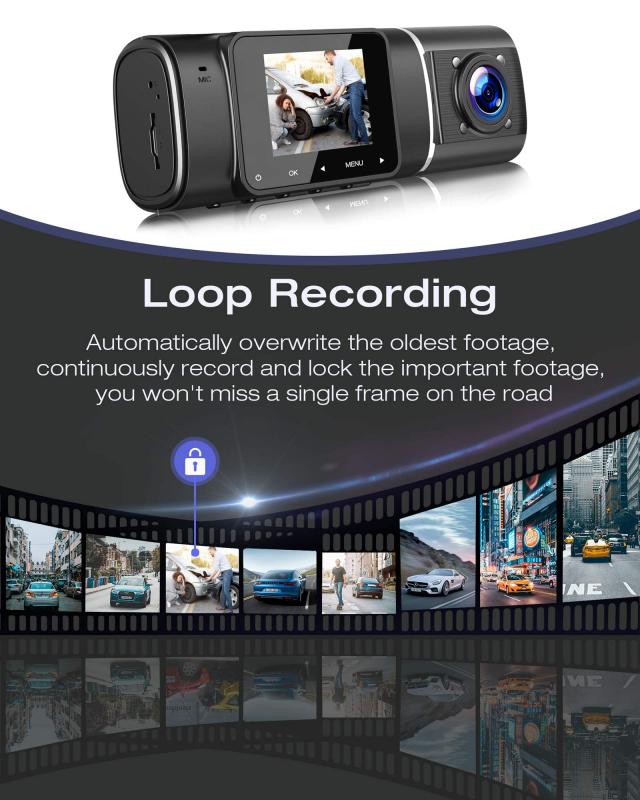
- my insurance claim was settled in less than one business day because i had a camera. the other driver didn't know i had it and he lied to not only the police but the insurance company as well.
- i got into a crash a few months after i installed a cam in 2014. it was clearly not my fault, and after the cop told the other guy "it's your fault and he's got it on camera," he was honest with his insurer and the claims process was free of any drama.
- lady hit my car and said i ran the red light, the camera proved otherwise. her insurance payed for everything. it didn't cost me a penny.
- i got rear ended and the person's insurance would definitely not have paid to fix it if i didn't have the camera footage so it's saved my ass at least once for sure
- you’re unlikely to get a discount on your premium, but dash cam footage can be helpful when filing claims for accidents, especially if there is debate over who is liable.
- unfortunately, a dashcam will not lower your insurance rates. its cost savings come in the form of preventing premium hikes after a not-at-fault accident, by providing evidence the crash was another driver's fault, not yours.
he-said/he-said situations
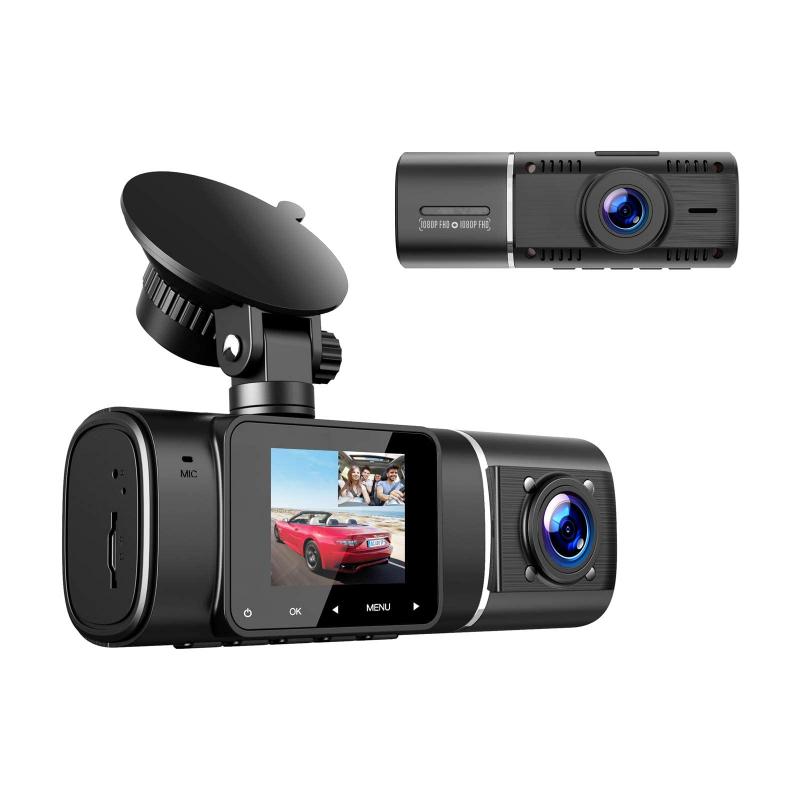
- step son's cam kept him out of trouble after an accident. guy in front of him pulled an illegal u-turn at an intersection, resulting in him broadsiding the guy. fault could have been indeterminate without the footage showing the illegal maneuver.
- i had someone reverse into me while i was stationary. without the dashcam footage, i probably wouldn’t have convinced their insurance i wasn’t at fault. they changed their story up after the incident to say they were already moving when i “hit” them.
- had a head on this last year. green light and opposing driver made a left turn into me. another he said/he said situation. cops were split in decision and didn’t cite any tickets.
- without the dashcam it would have been a he-said/he-said situation. no other witnesses. i would have probably been forced to run the claim though my auto insurance, which has a $500 deductible.
- so, the dashcam saved me $500 and possibly a ticket.
rear, side, and front camera evidence
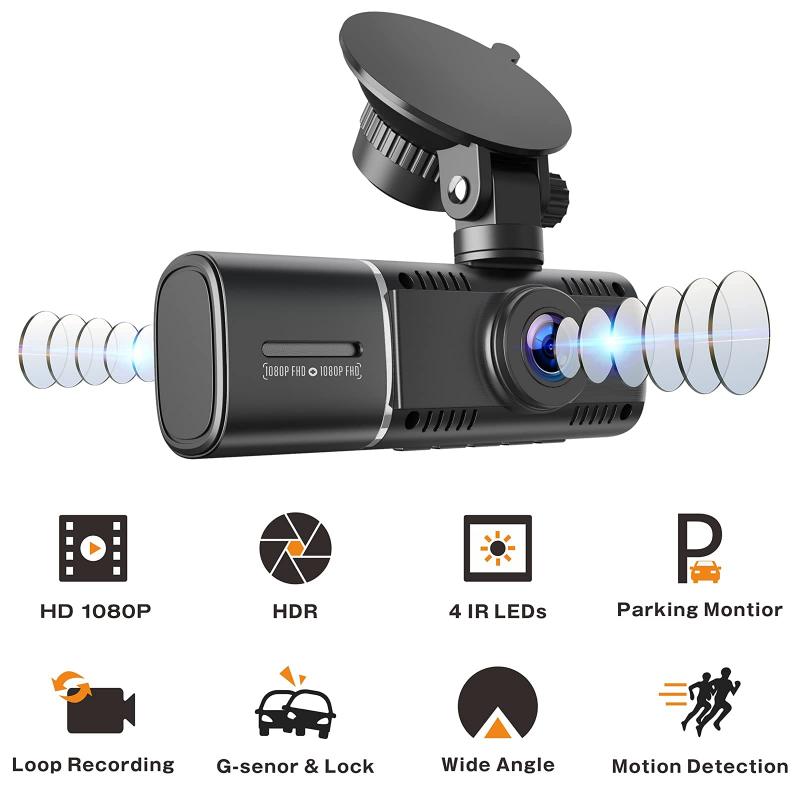
- a truck side swiped me on the interstate just last week.
- truck driver claimed i was the one that moved over into his lane. the truck driver was telling one hell of a persuasive story.
- the officer seemed to believe him. then i showed the officer the video from my rear dashcam, which clearly showed the truck moving into my lane and hitting me. even got a clear picture of the company name on the truck door.
- he was ticketed for failing to maintain his lane.
- i have one and kept wondering if i wasted money, until someone backed into me at a red light and put their trailer hitch through my front bumper. he tried saying i rolled forward into ukm, but the dash cam saved me and proved he was at fault.
- i had someone merge into me, damaged a little of my side and almost all of theirs (small car vs large suv, suv won). he didn’t speak english, had to have a relative come out who then tried blaming me, especially as he was handed a ticket. police viewed the video to easily determine who was at fault.
fraudulent insurance claims
- without witnesses, the driver behind would almost certainly be considered at-fault. the attempt was foiled by the dashcam, which captured the obvious scam. most situations where dashcams are of use aren't this blatantly fraudulent, but this incident was a vivid illustration of how video evidence can help assign fault post-crash.
- a friend of mine stopped at a red light behind a minivan, who then threw it into reverse and smashed into my friend's car. luckily a person was walking by on the street and ran up to be a witness to what had just happened-- otherwise my friend would've been at fault for rear-ending the minivan.
- a few minutes later, my friend saw the same minivan driver try (unsuccessfully) to do the same maneuver to somebody else. insurance scams are a problem, and having a dashcam as a witness is helpful.
- a coworker was pulling into a parking lot, and the car ahead of them came to a stop, then reversed and smashed into my coworker, and claimed coworker had rear-ended them. there were no witnesses, and coworker was found to be at-fault. insurance scams are rife, and a dashcam would've saved my coworker.
- some places (like russia) will not issue you any car insurance unless you have a camera. no claim is accepted without video evidence. this is simply because of the rampant amount of fraudulent insurance claims there.
parking, theft, and hit-and-run recording
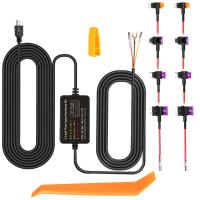
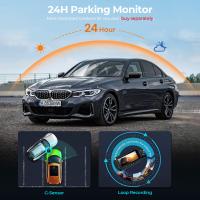
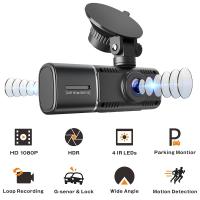
- some dashcams additionally can be wired directly into the car so they can record footage even when the car isn't on. usually, these dashcams activate if motion or a loud noise is detected (in the hopes of capturing someone running into your parked car, or attempting to steal it).
- many dash cams feature a parking mode that starts recording video when the camera detects motion or vibration (such as from a collision). this mode works even when the car is off.
- a dashcam that records if it detects motion, even when the car is off, can help police track down hit-and-run drivers.
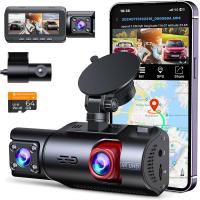
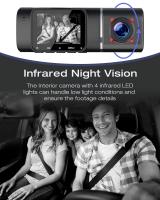
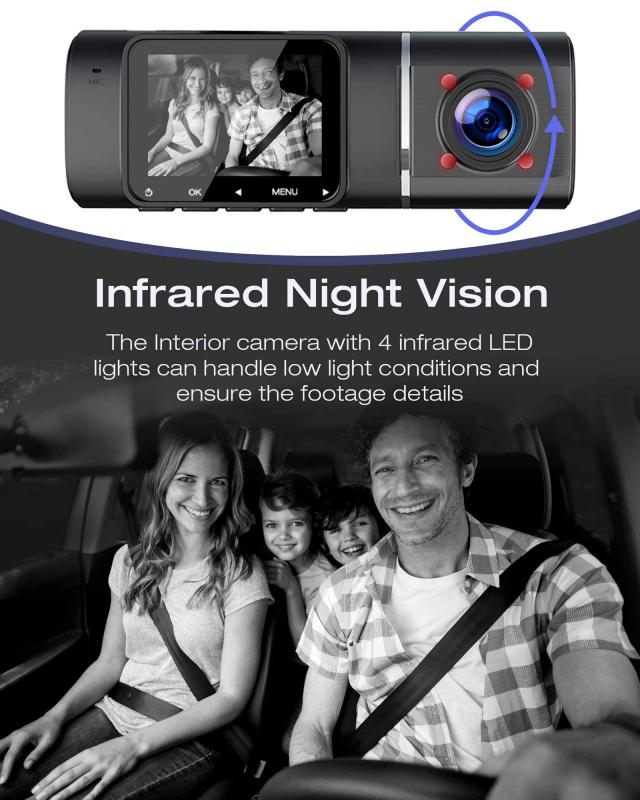
- someone stole my car and ditched it. they either didn't know about the dashcam or were too high to care. it was a dual cam so it recorded the road in front and the interior of the car.
- they recorded themselves driving to their house from mine and then panicking and deciding to ditch it.
- the prosecuting attorney was impressed by the evidence i was able to give them. despite that it's been just over a year and the case is still ongoing
driving behavior and peace of mind
- it's definitely a stress reliever when you encounter idiots on the road. if you get into an accident that's not your fault you won't be stressed, it's on video, it's not your fault and you have proof
- the biggest benefit is peace of mind because you stop worrying about what if scenarios. you might never need it, but when you do, it really matters. that one incident justified the whole thing for me.
- it has helped me be a better driver. i often think that others drivers a horrible, but after reviewing some footage it turns out i was in wrong. remember the dash cam could be used against you in accident.
- i used to drive ~10-20mph over the limit, all the time, everywhere. now that i've got cams in all my cars, i limit it to about 10% over, which ends up being 3-5mph.
- i think, in my mind, i am envisioning reviewing footage of an accident and i don't want to be on film obviously flying down the road, blowing up the speed limit. so it's made me a safer driver and a better member of the community.
mechanics, service visits, and other footage
- mine captured a technician taking my car drag racing while it was in for an oil change. submitted the video to the service manager, got free maintenance for a while after that. tech also got fired.
- i leaky seal in my truck, i was pretty sure it was from the vacuum pump but wanted a 2nd opinion. they had my truck for 4 days, said many test drives, and said they couldn't find anything. said they would take it on "one last test drive" called back and said it was a vacuum pump leak.
- watched dash cam when i got it home and the only time they moved my truck was right before the "last test drive" when they drove it into a bay and then 10 min later when they drove it back out. charged me a full shop hour for the diagnostic.
- i record cool dashcamera footage all the time. there's your typical stuff like people cutting me off, etc. military choppers flying along a canyon road with me, a hawk dive bombing a rabbit on the side of the road, etc. all sorts of cool stuff. i've caught mechanics bad mouthing my car, too. it has lots of uses that aren't obvious.
- cameras also record the mundane that you may wish to save memories of (road trips, interesting roadside vistas, rare events like meteors).
how dashcams record
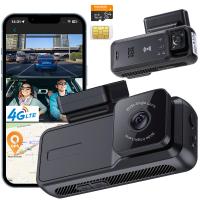
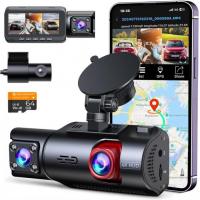
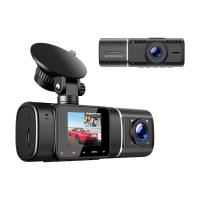
- dashcams are physically similar to webcams or phone cameras. they contain a small sensor and record video, but instead of putting it on the internet or uploading to a computer, they save it locally to a microsd card inside the dashcam itself.
- most dashcams are set up so that whenever the car is running, they record and store footage.
- generally, dashcams are aimed out the front window, although some drivers also aim one out the rear window.
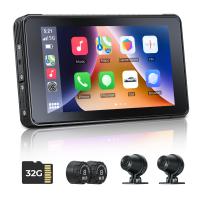
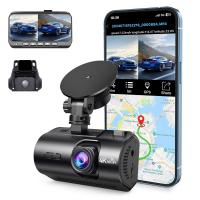
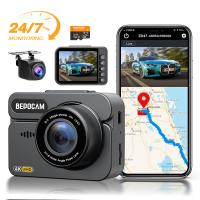
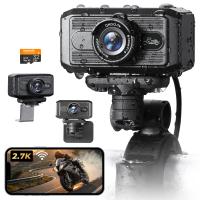
- all dash cams can be used on their own, but some dash cams let you add additional cameras. they’re usually connected to the main dash cam with wires and allow you to record other angles, such as the rear of the car or the interior.
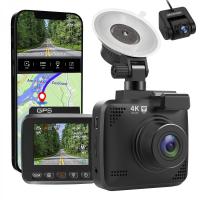
- many dash cams come with (or offer as an accessory) a gps receiver, which can add speed and location data to the camera recordings.
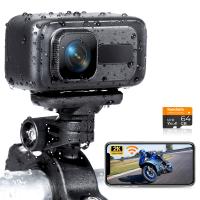
- many dash cams have smartphone apps that allow you to view and download footage, as well as adjust settings.
costs and limits
- dashcams do have costs. for one, there's the cost of the dashcam itself, generally around $100 for low-end models to $500 for high-resolution, high-frame rate ones. the cost of the microsd card is usually additional.
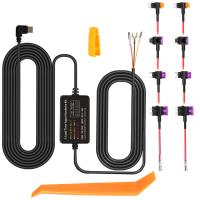
- there's also installation; because dashcams need to be wired in, cable management can be an annoyance.
- a driving-monitor device, the dashcam won't share your driving habits automatically with your insurance company, as the footage is stored locally and erased after a certain time frame. as a result, your dashcam may never pay for itself unless you find yourself in an accident.
- the expense of a dashcam only justifies itself in an accident where it clarifies fault, as insurance companies do not offer discounts for having one.
- a dashcam could drain the battery if it is wired to be on even while the car is off. it depends on the dashcam itself, and the installation method.
- while dashcams may deter some thieves, they may also paradoxically encourage some to steal the dashcam itself. if theft deterrence is your sole goal, a dashcam may not be a wise choice.
Leave your comment
Note: HTML is not translated!