How To Find Voice Recorder In Car?
Why you need to detect voice recorders in your car
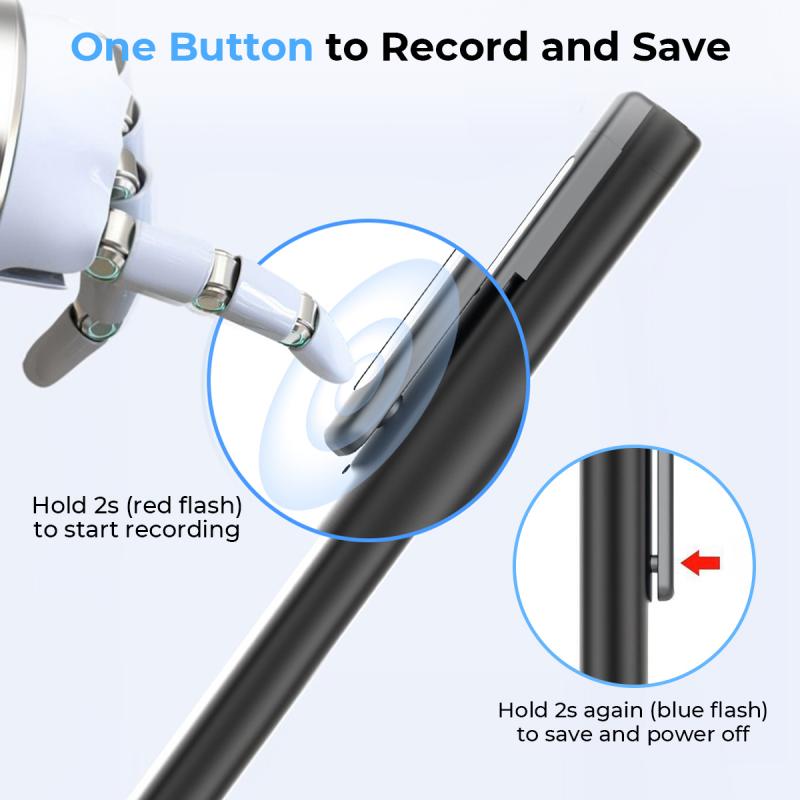
Voice recorders can be used for legitimate reasons, but they can also be exploited for illicit purposes. Someone may intentionally hide a recording device in your car to capture private conversations. This can happen in cases involving legal battles, workplace competition, or even personal conflicts.
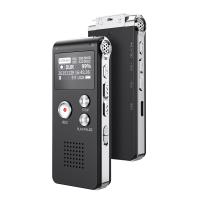
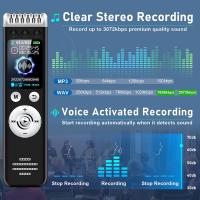
Modern voice recorders are small, easy to conceal, and capable of recording long sessions with high clarity. Their increasing accessibility means that awareness and detection have never been more critical.
Detecting these devices early can help you avoid potential legal, professional, and personal complications. With that in mind, here is how you can effectively identify and deal with voice recorders hidden in your car.
Step 1: visual inspection

The simplest and most accessible method to detect a recording device in your car is through a thorough visual inspection. Most voice recorders need to be strategically placed where they can effectively capture sound. Look for any unfamiliar or out-of-place objects, especially in locations where conversations are likely to be clearly audible.
Check the following areas thoroughly:
- Dashboard and center console: this area is often the focal point and is a favorable spot for placing a recording device. Look for small holes, unfamiliar objects, or unusual wires.
- Under seats: small gadgets might be hidden underneath seats or within crevices.
- Glove box and storage compartments: inspect open compartments and hidden corners within the glove box and door storage areas.
- Overhead compartments and sun visors: these spots are often overlooked but can provide a direct recording path for conversations.
- Rearview mirror or accessories hooked to it: tiny devices can be placed in decorative items or accessories mounted on your rearview mirror.
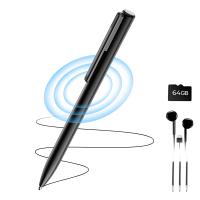
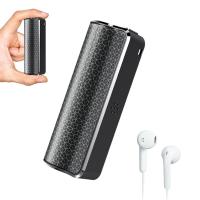
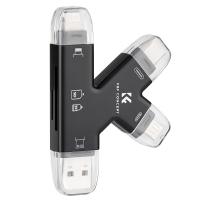
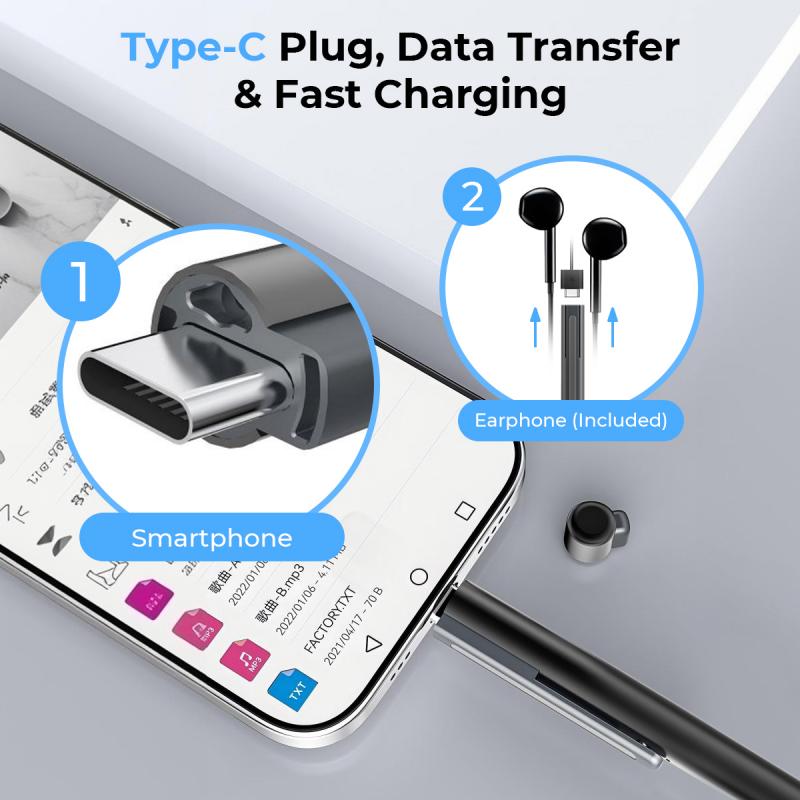
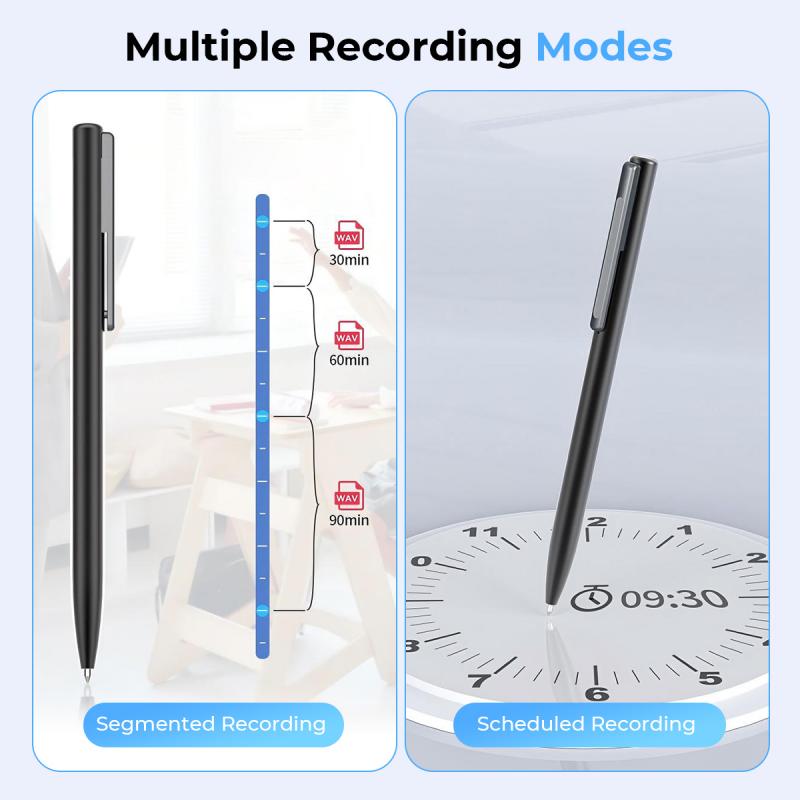
Keep in mind that tiny modern recording devices can look like ordinary objects such as USB drives, pens, or keychains. A device may also feature a black or transparent surface to camouflage it.
- Check all obvious places like under the seats, glovebox (some have a USB port built in for power), and all pockets.
- Check all power sources. Again, there can be one in the glove box, the back seat, and places you might not think of. Check the manual for all places something could plug in.
- If possible, check and replace any removable Bluetooth accessories you may have in the car, and plug-in chargers and cords.
- Also check all pens or anything that you don’t specifically remember putting into the car.
Step 2: use a detection device
Visual inspection can’t always detect sophisticated devices, so an electronic approach may be required. Voice recorders often emit signals, either through wireless connectivity or due to their internal functioning. Specialized tools can help you detect the presence of these signals:
- RF (Radio Frequency) detectors: many recording devices use Bluetooth or Wi-Fi to transmit data. An RF detector scans for these signals and notifies you if an abnormal RF transmission is detected. These devices are compact and easy to use. Simply turn it on, wave it around areas of concern in your car, and listen for beeps or visual alerts indicating a signal.
- Spy camera/audio bug detectors: these multi-functional tools are specifically designed to detect recording devices, whether they are cameras or audio recorders. They can identify frequencies commonly emitted by covert devices.
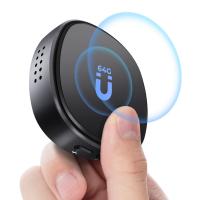
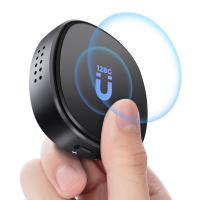
- Magnetic field detectors: if the recording device is affixed to metallic parts of the car or uses a magnetic mount, a magnetic field detector can help locate it.
These tools are widely available online or in security-focused specialty shops. Ensure you purchase a reliable, high-quality detector for better results.
- You can purchase an RF scanner or hire a private investigator to sweep the vehicle.
- Depending on how well hidden that device is, you may or may not be able to locate it physically without taking the car apart.
- However, you should be able to have the signal isolated if there is one.
- If you isolate a signal you can also have an expert in vehicle electrical wiring asses the area.
- Have them look for taps into “hot” wires that supply power.
Step 3: listen for audio feedback or disturbances
One rudimentary but surprisingly effective method of exposing hidden audio recorders relies on sound interference. Some gadgets create interference or feedback when a phone or radio is in use near them. Here is how this works:
- Turn on your car’s radio or play an AM/FM channel and drive the volume low.
- Slowly move through the car, listening for unusual buzzing, static, or unusual signals.
- Alternatively, make a phone call while you’re in the car. Move the phone close to suspicious areas, and note if you hear any interference or clicks.
This method works well for detecting audio bugs or devices with active wireless transmissions. However, it may not be foolproof for low-tech recorders that don’t emit signals.
- Do a WiFi scan (less likely), and a Bluetooth scan (more likely).
- Do this in more than one location.
- Do you see repeated things that don’t make sense, and aren’t things that belong to you?
- There are free and cheap apps that do this with more details, or scan like you were going to connect but don’t connect.
Step 4: use thermal imaging to detect heat
Voice recorders generate some degree of heat, especially if they’ve been active for a while. A thermal imaging device or camera can help pinpoint the heat signatures of these devices. This method is less commonly used because it requires specialized equipment but can be quite effective in identifying hidden electronics.
Search areas where devices could easily absorb or reflect heat, such as under seats, crevices, or within panels of the car.
Step 5: professional help
If you suspect that your car is being bugged and you’re unable to find the device yourself, consider hiring a professional. Counter-surveillance experts have the knowledge, tools, and experience in locating and neutralizing hidden recording devices in vehicles. Professionals may use advanced equipment like spectrum analyzers, thermal cameras, and RF frequency scanners to check places you might not have known existed.
- You can purchase an RF scanner or hire a private investigator to sweep the vehicle.
- Depending on how well hidden that device is, you may or may not be able to locate it physically without taking the car apart.
- However, you should be able to have the signal isolated if there is one.
Preventative measures to avoid being bugged
- Regularly inspect your car: at regular intervals, conduct visual inspections to ensure no objects have been placed in your vehicle without your knowledge. Familiarizing yourself with your car’s interior can quickly alert you to anything unusual.
- Monitor access to your vehicle: restrict access to trusted people only. Avoid lending your car to people you don’t trust.
- Secure entry points: ensure your car doors are always locked, windows are closed when parked, and avoid leaving your vehicle in unmonitored spaces for long periods.
- Use anti-surveillance tools: equip your vehicle with tools like white noise machines that can disrupt audio recording.
- Install an alarm system: invest in reliable alarm systems with motion detectors and anti-tampering features.
- Conduct scans regularly: use RF detectors and sweep your car for suspicious devices at random intervals.
- If you suspect there is a bug, don’t tamper with it and make sure you keep your conversations limited.
- I would play music in the car if possible and avoid any conversations like politics in suspicious areas.
- Disconnect the positive battery lead when the car is not in use. Most devices need power from an external source.
- Inspect wheel wells/trunk/bottom of the car for anything obvious.
- Put some tape on each door/trunk/hood in a place where it is tamper evident to you only. Each day inspect each seal.
Legal considerations around bugging
In many jurisdictions, placing a voice recorder in someone else’s car without their consent is illegal. Such actions often fall under privacy laws and can carry serious consequences. Should you find a suspicious device in your vehicle, document the evidence and report the incident to local authorities. It is essential to handle such situations calmly and lawfully.
What to do if you find a recording device
If you find a voice recorder or suspicious object in your car, do the following:
- Document the evidence: take photos of the device and note its exact location.
- Contact the police: report it to law enforcement and seek their advice.
- Do not tamper: avoid turning off, dismantling, or removing the device yourself. This could erase valuable evidence or even be legally problematic.