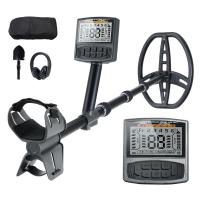
How To Ground Balance A Metal Detector?
Ground balance work on a metal detector
ground balance is a setting that improves the metal detection depth in mineralized ground. for example, in wet beach sand or fine iron particles, there may be salts that respond similarly to targets, masking them when metal detecting.
ground balance is a variable setting that increases detection depth in mineralized ground. this ground may contain salts, such as in wet beach sand, or fine iron particles, such as in red earth. these minerals respond to a detector's transmit field in a similar way that a target does.
due to the much larger mass of the ground compared to a buried target, the effect of mineralization can easily mask small targets. to correct this, the ground balance setting removes the responding ground signals, so you clearly hear target signals and aren't distracted by ground noise.
to address this, the ground balance function removes the possibility of a false signal or ground noise, allowing you to hear the ground signal produced by a good target. with it, detecting will be less frustrating and more fun.
- ground balance is an important setting on a metal detector because it helps to eliminate interference from the surrounding soil.
- metal detectors emit a magnetic field that can be disturbed by objects buried in the ground.
- ground balance helps you more easily locate targets.
- the ground balance on a metal detector is intended to help calibrate the detector so that it can work more efficiently regardless of the soil conditions in which it operates.
- metal detecting with a ground balanced metal detector may help you find more small targets and metal objects successfully in mineralized soil.

Ground balancing process
ground balancing a metal detector can be a bit confusing and troublesome. we hope to clear some of it up here.
a metal detector that is properly ground balanced can allow it to perform much better and give a deeper and more accurate target id of what is in the ground.
ground balancing is a process of canceling out the effects of ground mineralization and letting the detector only read the new targets and not the ground and the target. in a way it is a form of discrimination but in a good way. when you ground balance a detector what you are hoping to do is find the proper balance between the effects of the ground and not be positive or negative of a ground balance.
- a positive ground balance setting can cause the minimization to produce a response just like a a good target if set to high.
- especially if your sensitivity is set to high along with it.
- if this happens you can potentially miss good targets being masked by the detector seeing only the mineralization and not the good target.
- a to negative ground balance setting can cause the detector to not see the ground minimization and or any new targets.
- machine will run more quietly but you will experience a noticeable loss of depth on your detector.
- neither of which is good.
a good balance between a negative setting and a positive setting is a must to active maximum depth and good target id for your metal detector.
Manual ground balance
manual ground balance is the most basic type of ground balance and is available on all metal detectors. it allows the user to adjust the ground balance settings to better suit their target hunting environment, especially with ground mineralization.
the ground balance in a manual ground balancing detector is adjusted manually. depending on the type of soil you're looking for, there are buttons or knobs on the device that allow you to adjust the ground balance according to it. the ground balance won't change until you reset it again.
- with manual ground balance, you manually adjust the setting until you hear the minimum amount of ground signal.
- this involves pumping your coil up and down over clean ground (no targets) while adjusting the ground balance control until the threshold tone stays steady.
- manual ground balance gives you complete control and works well in stable soil conditions.
- many experienced detectorists prefer it because you can fine-tune the setting beyond what automatic systems might choose.
manual ground balance is more advanced, and it allows you to customize the detector's settings for maximum performance in specific ground conditions. if you know that you'll be hunting in a certain type of soil, manual ground balance can be a big advantage.
Automatic ground balance
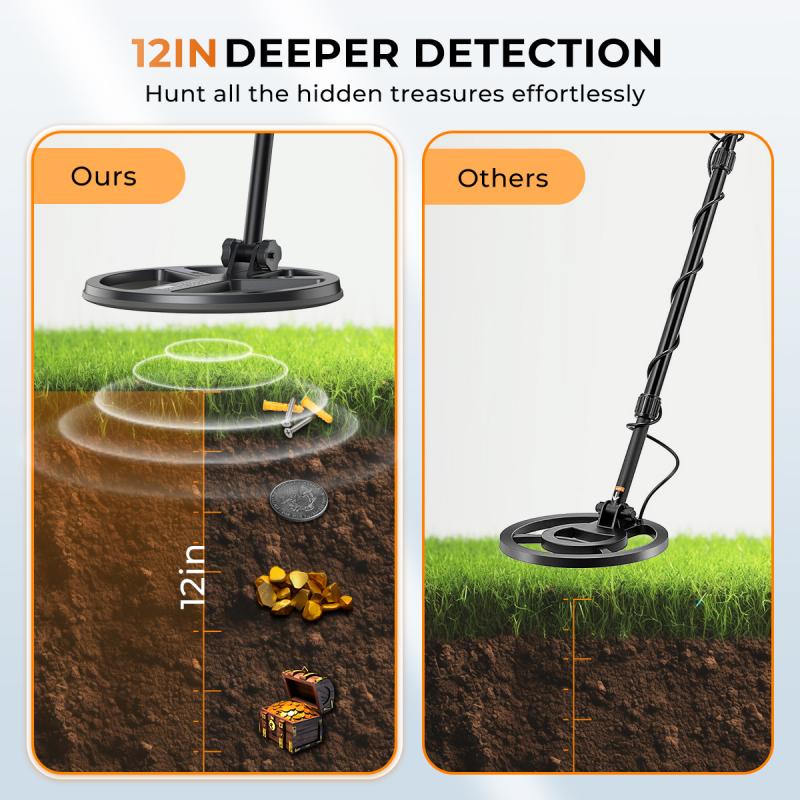
this type of ground balancing is found on most detectors and uses a microprocessor to constantly measure the soil mineralization or conductivity. it then makes automatic adjustments to the detector's settings to keep it as stable as possible.
- the detector automatically determines the best ground balance setting with the push of a button.
- this is quick, simple, and often more accurate than a manually set ground balance.
- beginner and intermediate detectors feature automatic ground balance because it eliminates guesswork.
- you just hold the coil steady over clean ground, press the ground balance button, and you're ready to hunt.
automatic ground balance is ideal for beginners because it doesn't require constant manual adjustments. automatic ground balance will also work to locate targets quickly and effectively in most soil conditions with ground minerals.
- metal detectors with automatic ground balance can recognize any changes and make appropriate adjustments automatically because it has control.
- when you use a metal detector with an automated setting, you won't have to constantly adjust the dials to compensate for varying mineralization spots.
- the disadvantage of utilizing this setting is that it tracks any gold particles, which may cause excess interference.
- additionally, detecting gold at a greater depth might be tough.
Tracking ground balance
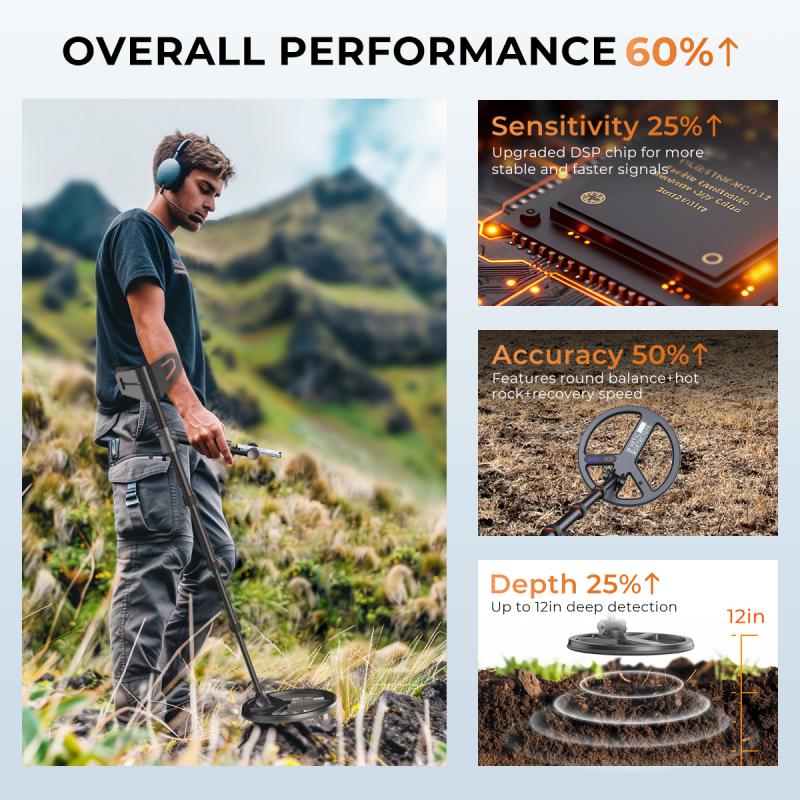
with tracking ground balance, the metal detector will continuously adjust the setting while detecting. this will ensure the ground balance setting is always appropriate for locating the correct targets.
- the detector continuously adjusts the ground balance setting while detecting.
- this ensures the ground balance setting is always correct as you move across varying soil conditions.
- tracking works great when you're covering large areas with changing mineralization, like old farm fields or beaches where wet and dry sand create different conditions.
a benefit of using a metal detector's tracking ground balance is that it adjusts based on the soil conditions. it also implies that your metal detector is always set to the appropriate setting for the ground you're working in. because you're continuously shifting the detector, it may not find things as quickly when compared to other settings.
When to adjust your ground balance
you should re-balance your detector when:
- moving from dry to wet beach sand
- switching between different soil types (clay to sandy loam, for example)
- your detector starts chattering or giving false signals
- detection depth seems reduced
- moving from inland detecting to beach hunting
- some detectorists re-balance every 30-45 minutes during long hunting sessions, especially in areas with varying soil conditions.
field tip: ground balance every time you start in a new area, and again if the soil type changes. it takes seconds and protects your depth.
- ground balance every time you start, and again when the soil changes.
- learn your machine's target id numbers and tones so you can read a target before you dig.
- match your setup to the site: park, field, and beach each need different settings.
Sensitivity and site setup
power it on over ground, select a search mode, increase sensitivity to the highest stable setting before it chatters, set the discrimination to reject garbage but accept coins and jewellery, then ground balance to the soil. test with coin, acquire a tone and target id sweep the coil low and slow that reduces false signals, and gets you onto better targets faster.
- set sensitivity as high as it will run without chatter, then back it off slightly.
- use discrimination to reject iron and foil, but keep it low if you want gold.
- ground balance every time you start, and again when the soil changes.
- field tip: use higher sensitivity in clean, open ground with little trash.
- lower it near buildings, under power lines, and on salty beaches where interference climbs.
- field tip: start with a preset mode.
- as you learn your machine, build custom settings to match the site.
- keep discrimination lower than you think, since gold rings and small jewelry often read close to trash.
Clean ground and difficult places
if i'm in an iron infested area and can't find a neutral place to g.b. i will usually try to make a clean spot slightly bigger than the coil and use it to balance with. i just pick the cleanest area close by, remove what metal targets are there and then g.b. if that is too hard, i just run at zero and do the best i can.
- what about just clearing a small spot then do your ground balance on that spot?
- if the ground is so full of metal, what good would ground balancing do?
- i would set gb at 0 and adjust sensitivity as i go for depth i would run at what i could tolerate noise wise what would be intelligent.
some extremely mineralized ground simply can't be fully balanced out. in these cases, you'll need to accept some ground noise and adjust your hunting technique accordingly.
Mineralized ground depth
proper ground balancing can dramatically improve your detection depth. in heavily mineralized soil, a poorly balanced detector might only reach 3-4 inches on a coin-sized target. the same detector, properly ground balanced, could easily hit 8-10 inches or more.
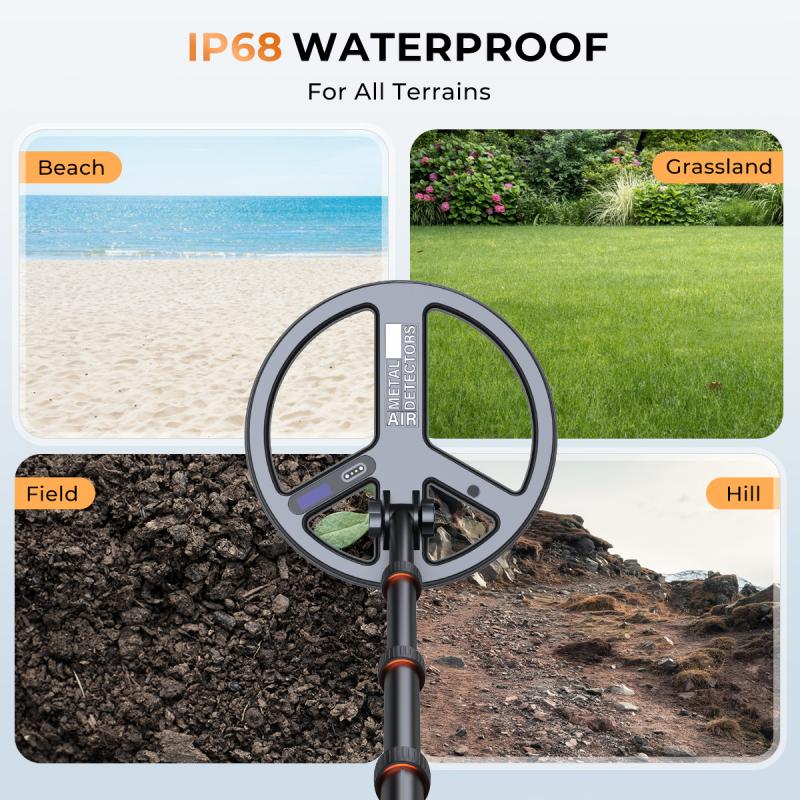
beach detecting is where ground balance really proves its worth. wet saltwater sand is highly mineralized and will overwhelm most detectors that aren't properly balanced. gold detectors typically excel in mineralized ground because they're designed with advanced ground balancing capabilities.
- beach hunters need aggressive ground balancing due to salt mineralization.
- park hunters in urban areas usually deal with less challenging ground.
- relic hunters in old homestead areas often face iron-contaminated soil that requires careful balancing.
- professional detecting equipment typically offers more sophisticated ground balance options, while entry-level machines keep it simple with automatic systems that work well for most conditions.