How To Charge A Camera Battery With Usb?
2026-07-12 00:47:48
0 Comments
In-camera charging via a USB port
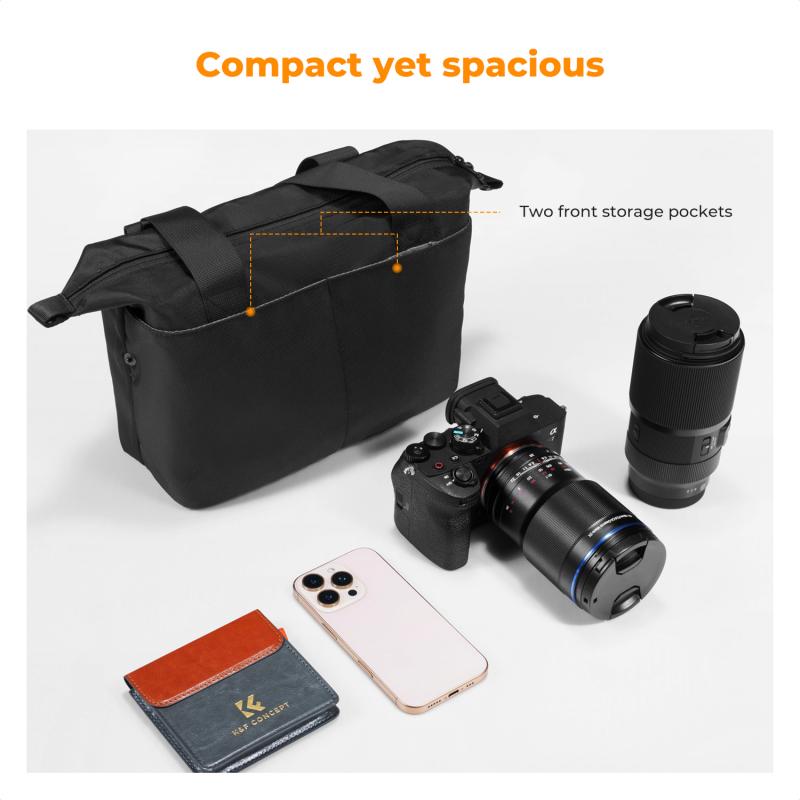
Some modern digital cameras allow in-camera charging via a usb port. this method is convenient for travelers who want to reduce the number of accessories they carry. here’s how to charge the battery while it’s still in the camera:
- power off camera: ensure that the camera is turned off.
- connect usb cable: use the provided usb cable to connect the camera to a power source such as a wall adapter, computer usb port, or portable power bank.
- charging status: refer to your camera’s manual to understand the indicator system for charging within the camera.
Power sources for USB charging

- use either the compact power adapter or a computer to charge the battery.
- for my trips around the world, i carry the same usb chargers that would charge my smartphones, tablets and cameras.
- an all-night charging would usually be enough to charge all of your devices excepting mammoth powerbanks and certain other devices.
- many modern cameras come with compatibility for usb charging, making it possible to use a standard power bank.
- ensure your power bank has sufficient capacity (at least 5,000 mah) to provide a full charge for your camera battery.
- could use a usb power bank battery pack. large mahr capacity that fits in a shirt/jacket pocket. plug power bank in camera's usb charge port to charge camera battery in camera or even power the camera for a long time .
How to charge a PowerShot N camera battery using a USB cable
you can charge your camera's battery using a usb cable.
first, insert the included battery into the camera for charging.
follow these steps to charge the battery with a usb cable:
- press the battery lock in the direction of the arrow, insert the battery as shown, and push it in until it clicks into place.
- if the battery is inserted incorrectly, it won't lock. make sure it's facing the right way and locks when inserted.
- lower the coverand slide it until it clicks closed.
- with the camera off, open the). insert the smaller plug of the included interface cable into the camera terminal as shown ().
- connect the larger plug of the interface cable to the compact power adapter or a computer's usb terminal.
- ca-dc30: flip out the plug and insert the compact power adapter into a power outlet.
- ca-dc30e: plug the power cord into the compact power adapter, then plug the other end into a power outlet.
Charging condition and camera use during USB charging

- you can view images while charging by turning the camera on and entering playback mode, but you can't take pictures.
- the camera won't work without the battery inside.
- the camera cannot be powered unless a battery pack is in it.
- when batteries are depleted, the adapter charges them. in this case, power is not supplied to the camera.
- batteries are charged during auto power off.
- the remaining battery level may decline when power is supplied to the camera.
- to avoid running out of battery power, use a fully charged battery when shooting at regular intervals.
USB-C PD charging
- depends on what camera you have, what charger/batteries you have, and if everything is pd compatible or not.
- you need to have a power deliver (pd) compatible usb c port to plug the camera into or if you have en-el15 batteries you can use the charger below.
- there are also portable power banks with pd ports that will be able to charge the batteries several times.
- the latest nikon camera's like the z8 and z9 and others can be directly charged from usb if the usb port and cable are power delivery (pd) compatible.
- but even if you have one of the modern cameras that can be charged via usb-pd and have the correct cable (a common problem when folks try a generic usb cable) you still need a usb port in the car or in a battery pack that supports pd.
- most of the modern power packs from companies like anker, ravpower and others support pd but your car outlets may or may not depending on the make, model and year of the car.
- but it is easy to pick up usb-pd adapters that plug into any car lighter socket again making sure they're pd compatible and not just a generic usb power adapter.
USB-C cables for charging
- one note here on usb-c cables for charging pd compatible devices. all usb-c cables are pd compatible, but older (legacy) usb-c cables are only rated to handle 15w of power which is 3a of current at 5v.
- this is what nikon spec's as a minimum for charging all their usb-c pd devices...cameras and charging modules.
- additionally, there are newer cables designed to handle the two current high power pd modes of 100w and 240w, respectively they are spr and epr modes.
- cameras and batteries do not require this sort of power/current, so buying these type of cables is unnecessary unless you're powering a laptop/tablet or some other high-power device.
- additionally, they're quite thick and stiff due to the heavier conductors required to handle the required current.
- it's important to buy high quality usb c cables, like anker, that are pd compatible.
- the nikon uce24 usb c cable works and is well made, but it's too short in some places.
Battery compatibility for in-camera USB charging
- i believe it also depends on the specific battery—earlier incarnations of the z batteries couldn't be charged in-camera.
- only en‑el15c and en‑el15b batteries can be charged while inserted in the camera.
- pd-e1lp-e6plp-e6nhlp-e6nlp-e6 cannot be charged this way.
- as i also own several of the smallrig en-el15c batteries one should note that though they are charged via a usb-c connector, they do not require a usb-c pd compliant charging source.
- in fact they can be charged from any usb-a port with a usb-a to usb-c cable, though charging may be slower since usb-a ports, particularly those on a laptop or older power adapter may only supply 1a or less at 5v.
- max power you can find in a usb-a port is generally 2.4a, though some qc rated devices can supply a little more.
USB chargers and external USB battery chargers
- there are also nikon and third party chargers that can be powered from usb which is another way to go.
- for many years i've used a dual-sided usb charger from nitecore to charge d850 batteries from a battery pack (or any usb port).
- i've even successfully recharged them with a small portable anker solar panel while backpacking.
- i originally purchased the "nitecore unk2 dual-slot usb charger for nikon en-el15 batteries" at b&h -- seems out of stock atm but google shows many similar items.
- a nitecore usb battery charger.
- this is tiny and ultralight and perfect for the field.
- it also has a numerical display to tell you how far the charging has gone and says “end” when it’s finished.
- i should add that the nitecore charger will also plug into your car’s usb a port to charge directly off your car’s power.
Charging with car USB ports, adapters, and power banks
- is there a way i can use my usb ports in my car or a battery pack to run a battery charger?
- as pointed out above it depends on the camera, chargers and your car's usb ports.
- i had to get one of these for my truck but i can now charge on the go. usb-c pd compatible.
- i also use an anker 12v car charger, which supports pd.
- i set up my r5 to do this with the car lighter adapter and usb pd cable.
- it's not a dumb connection, the camera usb port and the charger port communicate with each other to negotiate a charging level or if it is impossible for them to agree nothing happens.
- after trying it i found it better to carry a small ac inverter and standard wall chargers as i preferred charging spares and swapping out rather than having the usb hanging out of the camera case while the car is moving.
Charging time and battery care while charging
- to keep the battery in good condition, don't charge it for more than 24 hours straight.
- to protect the battery pack and keep it in optimal condition, do not charge it continuously for more than 24 hours.
- charged batteries lose their charge over time, even when not used.
- charge the battery on or just before the day you plan to use it.
- the compact power adapter works with 100-240 v ac power (50/60 hz).
- for different plug formats, use a commercially available adapter.
- don't use a travel transformer, as it may damage the battery.
- the charging time required and the amount charged vary depending on ambient temperature and remaining capacity.
- for safety, charging in low temperatures takes longer.
USB charging problems
- if the charging lamp fails to light up or a problem occurs during charging (shown by the access lamp blinking in green), unplug the power cord, reinsert the battery, and wait a few minutes before plugging it in again.
- if the problem persists, take the camera to the nearest canon service center.
- check connections: ensure that all connections are secure. a loose cable or improperly seated battery can prevent effective charging.
- test with a different outlet: sometimes, the issue might be with the power source. try plugging the charger into a different outlet.
- usb charging in a camera only became a thing recently.
- also very likely the battery is trash from age, so i would get new one with charger
- in all likelihood, that battery is dead so you'll likely need a replacement battery and charger.
Leave your comment
Note: HTML is not translated!