How Do Noise Cancelling Earbuds Work?
2026-07-02 00:55:30
0 Comments
understanding active noise cancellation

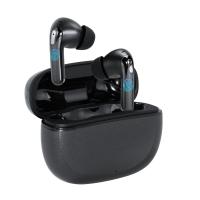
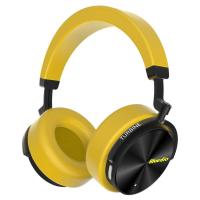
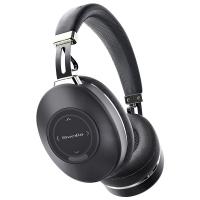
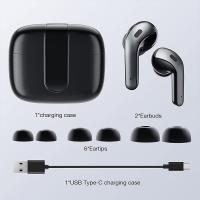
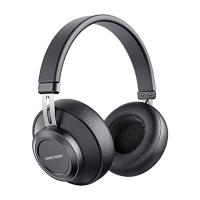
- earbuds and over-the-ear headphones, as long as they have active noise cancellation technology. if your headphones are powered on, they’ll monitor for external noises and create opposite sound waves to cancel out most sounds — it’s perfect for airplanes, busy offices, or when your neighbor is mowing their lawn too early in the morning.
- whether you’re on a busy train or surrounded by people talking in a coffee shop, noise cancelling headphones offer a way to tune out disruptive environmental sounds.
- what is active noise cancellation? this noise-reducing technology uses tiny microphones inside your headphones to recognize and analyze loud ambient noises.
- the microphones are able to produce an opposite noise that cancels out the original sound when the two sets of sound waves meet inside your ear canal.
- as a result, active noise cancellation delivers excellent sound quality along with sweet silence, even when you’re in a busy location.
how does noise cancelling work?
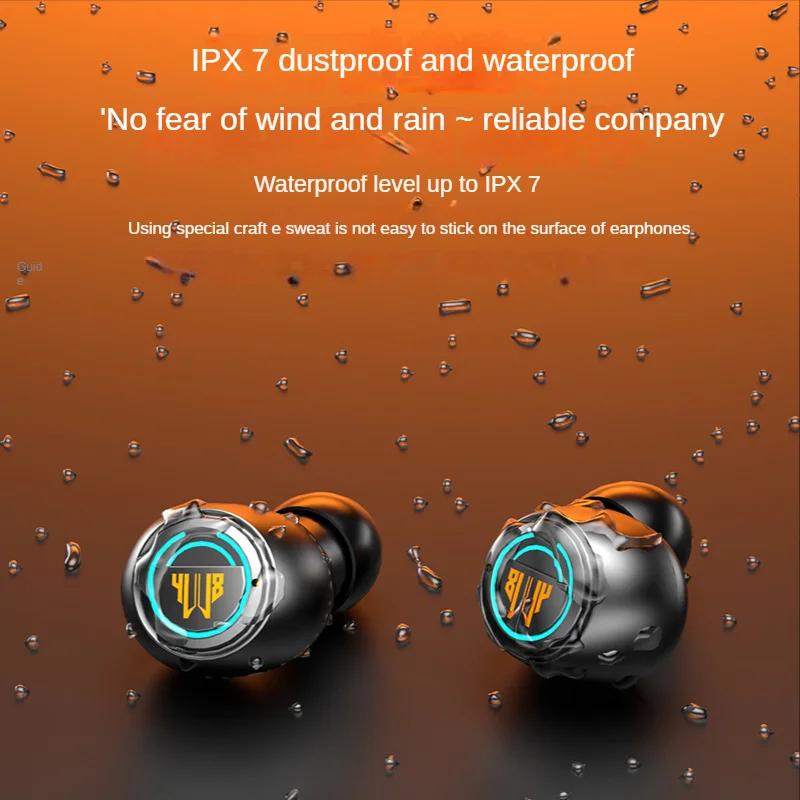
- noise cancelling headphones monitor the sound around you, preventing the unwanted noise from ever reaching your ears based on battery power, signal processing, and various noise-blocking techniques.
- but ultimately, miniature microphones in the earcups or earbuds listen to the outside noise frequencies and emit the exact opposite signal to effectively “cancel out” both sets of sounds when the soundwaves collide.
- where noise blocking is a physical barrier to keep out sound, noise cancelling happens silently in the background, creating an audio “barrier.”
- noise cancelling headphones operate with powered technology, meaning they require energy, typically from a rechargeable battery, to function.
- but even without power, you still benefit from the physical noise blocking simply by wearing the headphones.
- once you power them on, that’s when the active technology comes into play.
opposite sound waves
- active cancelation uses a microphone to listen to the sound, and then make an "opposite" sound by pushing air in the other direction.
- these opposite sounds are added to the music coming through the headphones.
- by the time it gets to your ear, the combined air from the original (ambient) sound and the opposite sound created by the device cancel out (mostly), so you hear more of your music with less outside noise.
- sound wave , with peaks and valleys, coming out of a speaker.
- now add a second speaker playing the exact same sound.
- if the peaks of the first sound wave line up with the peaks of the second sound wave, the overall sound gets louder.
- if the peaks of the first wave line up with the valleys of the second sound wave, they cancel each other out.
- noise cancelling headphones have a microphone to "hear" the sound around you.
- they take what they "hear" and produce a sound that's the same, but shifted, so the peaks line up with the valleys.
- this cancels out the sound around you.
sound pressure and cancellation

- sound is pressure, alternating above ambient (positive) and below ambient (negative).
- when you play the opposite waves, the positive cancels with the negative and results in zero.
- so it does remove or "flatten" the wave.
- sound waves are made up of crest and troughs (loudness and silence).
- the loudness comes from the air getting pushed and pulled by the speaker.
- now imagine what would happen if you could somehow set up another speaker that detects the sound and quickly emits the opposite.
- so if it detects and loud pushing sound, it'll emit an equally loud pulling sound.
- they would cancel each other.
microphone, inverter, and speaker
- that's what a noise cancelling system does.
- it has a sound detector that converts sound into an electrical representation.
- that electrical signal is fed into an inverter which converts it into the opposite electrical signal.
- this signal is then fed into a speaker to turn it back into sound.
- since it's the opposite sound to what was detected, they cancel each other out.
- this system only works because electricity is far far faster than sound, so the inversion process and the sound emission process are almost instantaneous, so they're able to cancel the original sound before it travels away.
digital signal processing
- digital signal processing , so let me just add a little bit more technical detail.
- the moving, vibrating of air has frequency.
- the noise, outside sounds consist also of various frequencies.
- the microphone picks up the sound, and then a fourier transformation is done on it.
- it's one of the basic mathematical transformations.
- the result will be the frequency spectrum of the sound, the frequencies of which the sound consist of, as well as the phase for it.
- by rotating the phase and adding every frequency together (creating a new sound), you get the inverse of the original noise.
- now if you add the noise and its inverse together, they both cancel each other out (with an error margin of course),reducing the overall outside noise.
passive noise cancellation and noise blocking
- passive noise cancellation relies solely on creating a physical barrier that prevents sound waves from entering your ear canal.
- foam earplugs are an example of passive noise cancellation — they create a tight seal inside your ear to block noise.
- also known as passive noise reduction or noise isolation
- a term like noise blocking sounds like a high-tech solution, but it’s actually very low tech.
- it can be as simple as plugging your ears with your fingers, creating a physical barrier against the noise.
- this technique, called passive noise reduction, relies on physical obstruction rather than electronic components.
- essentially, anything that covers your ears can act as a passive noise blocker, requiring no built-in technology, microphone, or power source.
- while it may be low-tech, noise blocking plays a crucial role in headphone design.
- when executed effectively, it serves as the first line of defense against unwanted sounds.
- achieving a tight seal on an earcup or a snug fit with an earbud can significantly enhance performance.
noise cancellation without audio
- noise cancelling headphones are useful if you want to listen to your favorite music, but what about those times when you crave peace and quiet?
- do noise cancelling headphones work without music?
- the short answer is yes: bose noise cancelling headphones can be used without playing music or other audio, and they’ll still block out ambient noise around you.
- there are a few other things to keep in mind when using anc headphones without music playing.
- over-the-ear headphones may work slightly better for blocking out ambient noises, as their foam earcups create a tight seal that offers additional passive noise isolation.
- because anc requires electronics to operate, it will use up some battery life even if music isn’t playing.
- you’ll want to make sure your headphones are charged before using them to cancel out environmental noises.
- using active noise cancellation without music can take some getting used to.
- some people may experience the sensation of “pressure” in their ears, similar to when you change altitude on an airplane, as your brain may interpret the absence of low-frequency sounds as a pressure difference between the inner and outer ear.
pitch levels and external sound
- noise-cancelling technology cannot wholly isolate sound due to the air trapped between your audio device and eardrum.
- however, the air is essential for you to hear music.
- suppose you removed the trapped air; the net effect is silence, no matter what volume your music is on.
- why? there would be no medium for the sound to travel from the audio device to your eardrum.
- noise-cancelling works best when the ambient noise is low or medium in pitch.
- bass is regarded as a low-pitched sound, whereas treble is a high-pitched sound.
- an aeroplane engine produces a low-pitched, constant sound meaning that the sound you hear remains consistent.
- when someone speaks, sound waves will scatter based on the volume and energy created by every word and sound produced.
- unlike an aeroplane engine, your speaking pitch changes frequently.
- active noise cancellation works best on steady, low-frequency sounds, such as the drone of an air conditioner or lawn mower.
- while it still reduces other frequencies and loud noises, making them less jarring, it won’t block out higher-pitched sounds completely.
constant sounds and irregular sounds
- noise cancelling headphones do two things.
- they isolate the noise with the padding around your ears and muffle it a bit.
- like what your regular headphones do.
- the second thing is that they have a microphone built into each side that records the abient noise and inverts the signal in real time.
- constant sounds with constant bandwidth disappear ( like jet engine sounds in a plane).
- irregular sounds with varrying bandwidth like talking are muffled and almost silenced because irregular sounds are hard to invert quickly.
- active noise cancellation works better on annoying constant white noise, like airplane engine noise.
Leave your comment
Note: HTML is not translated!