What Power Binoculars Are Best For Bird Watching?
Binocular Magnification for Bird Watching
Binoculars are an essential tool for birders, but with so many models on the market, it can be daunting to find the perfect pair. Most birding binoculars come in 8x and 10x versions. Personal preferences vary, but many find 8x binoculars are in a sweet spot: good magnification and a steady, wide field of view for finding and following birds. Most birders prefer 7- or 8-power binoculars because they're bright and have a wide field of view, making it easier to find birds and to follow them in flight.
Binoculars are labeled with two key numbers. For example, 8x42 means: 8x = magnification power (the bird appears 8 times closer), and 42 = objective lens diameter in millimeters (the size of the front lenses). Both numbers affect brightness, comfort, and performance outdoors.
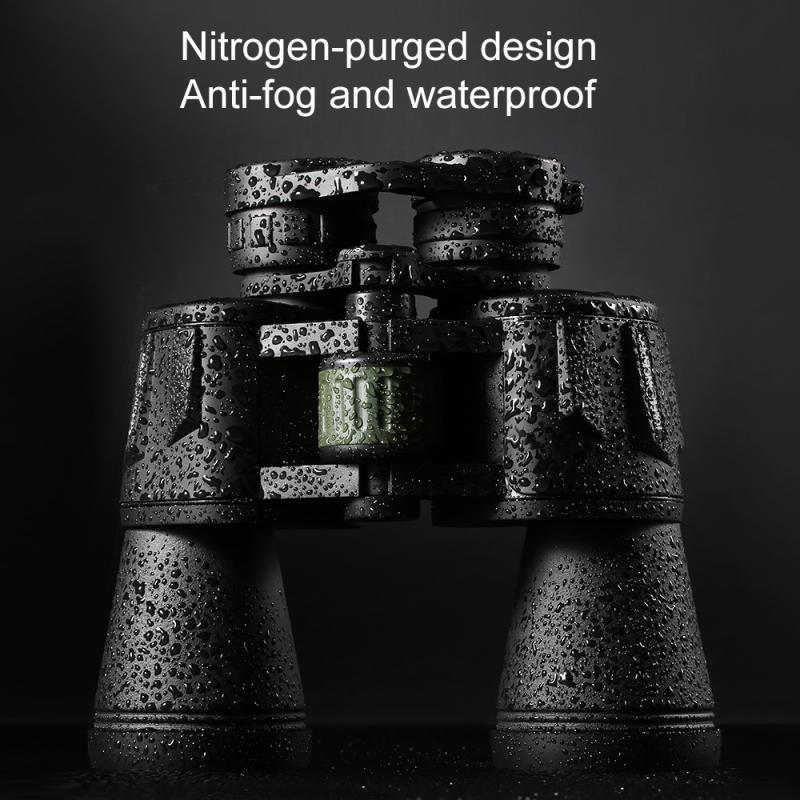
8x Magnification: The Classic Birding Standard
Many birdwatchers consider 8x42 binoculars the best all-purpose option. The choice between 8x and 10x magnification depends largely on your birdwatching habits and environment. Binoculars with 8x magnification are generally more versatile and offer a wider field of view and less image shake, making them easier to use for extended periods. This magnification is particularly useful in wooded areas or when following fast-moving birds.
- More stable viewing — lower magnification reduces the appearance of hand movement, making the image easier to hold steady especially when birds are constantly hopping or flying.
- Wider field of view — with an 8x binocular, you can see more of the scene at once, which helps you follow birds in flight, spot fast-moving songbirds in branches, and locate targets quickly.
- Bright performance in low light — paired with 42mm lenses, 8x binoculars deliver excellent brightness during early morning outings, evening bird activity, and forest and shaded environments.
- For most birders, 8x42 offers the perfect balance of power, comfort, and clarity.
10x Magnification: Extra Reach for Open Landscapes
If your birding involves long-distance viewing — think shorebirds, raptors, seabirds — then you might prefer 10x. On the other hand, 10x binoculars provide more detail at a distance, making them ideal for open areas such as fields, marshes, coastlines, or lakeshores. However, they require a steadier hand or even a tripod to avoid shaky images.
- Sharper detail at long distances — great for spotting raptors soaring overhead, shorebirds far out on mudflats, and waterfowl across large lakes.
- Just remember the higher magnification also means a narrower field of view and will exaggerate any unsteadiness from shaking or jostling.
- Slightly narrower viewing window and more noticeable hand shake can be trickier for beginners.
- Still, experienced birders love 10x for its added reach without needing a spotting scope.
Objective Lens Size: Why 42mm Is the Standard
- 42mm objective lenses
- Both 8x and 10x birding binoculars often come with 42mm objectives. That's because 42mm lenses provide strong light-gathering ability, bright and crisp images in many conditions, and a good compromise between performance and weight. Optics with objective lenses larger than 42mm are heavier, and those smaller than 30mm, while lightweight, aren't bright enough to show detail in poor light.
- Larger objectives (50mm or 56mm)
- Can improve brightness slightly, but they also add bulk which matters on long hikes. These excel in very low-light situations like migration at sunrise or twilight wildlife watching. However, they're heavier and less practical for everyday birding. For most people, 42mm remains the best all-around size.
- Smaller options: 8x32 and 10x32
- For birders who prioritize portability, 8x32 binoculars are a fantastic alternative. They are compact and lightweight, easy to carry all day, and excellent for daytime birding. Although 32mm lenses gather less light than 42mm, modern coatings help smaller binoculars remain surprisingly bright. Many travelers and hikers find 8x32 the sweet spot for mobility.
Field of View and Exit Pupil
Magnification isn't the only factor that matters. Field of view (FOV) describes how wide an area you can see through your binoculars. A wider view helps you find birds faster, track movement in dense foliage, and follow birds in flight more easily. In general, 8x binoculars offer wider FOV than 10x, and lower magnification makes birding more beginner-friendly. You usually get a wider field of view with an 8-power binocular than you do with the same model in 10 power. A wider field of view makes it easier to spot a songbird among the branches or a seabird on the waves. This is especially important in visually complex situations such as forest birding.
Another useful spec is exit pupil, which affects how bright the image appears. Exit pupil is calculated as: objective lens diameter ÷ magnification. An 8x42 yields 5.25mm and a 10x42 yields 4.2mm. A larger exit pupil means better brightness in dim light, easier eye placement, and more comfortable viewing. That's one reason 8x42 binoculars perform so well at dawn and dusk.
Budget and Recommended Models
While choosing a pair of binoculars ultimately comes down to personal preference, the best binoculars are the ones you can afford and feel comfortable using. The cost of equipment shouldn't be a barrier to your participation in and enjoyment of birdwatching or hawkwatching.
- The first number in a binocular specification is magnification, or how far the binoculars allow you to see compared to the naked eye. Higher number means a closer look. Most birders pick binoculars with 8x or 10x magnification.
- The second number is objective diameter, or how wide the glass opposite the eyepieces is in millimeters. The wider the objective, the greater amount of light gets in and the more low-light situations you can use them in without sacrificing your optics. Most birders pick binoculars with 40–42mm objectives.
- People's definitions of "alright" varies wildly, but the $200–$250 range is generally considered a solid starting point; $150–$200 and you'll be very happy with a bit of smarter shopping.
- The Vortex Viper HD 8x42 is widely regarded as one of the best binoculars in the under-$500 price range, offering excellent clarity, sharpness, and color accuracy. Vortex also has fantastic customer service and a very responsive warranty program.
- The Vortex Diamondback HD is a high-quality binocular that performs more like binoculars in the $400-plus price class, available for around $200, with a very good optical quality and wider field of view than comparable pairs at a similar price.
- The Celestron Nature DX 8x42 is a great affordable starter option that many birders have used for years; the Celestron 8x42 HD Trailseeker glass is described as remarkable for less than $400 and compares favorably to high end binoculars from a decade or two ago.
- There is an embarrassment of riches now in the below $400 segment. The most often overlooked feature is field of view — go as wide as you can for a given magnification.
Higher Magnification Is Not Always Better
Not necessarily. More magnification can lead to a narrower field of view, increased hand shake, and reduced brightness. Once you past 10x they get too shaky — the more magnified they are the harder it is to keep it stable. Once you past x42 they get too bulky. For birdwatching, the best binocular is about balance — not maximum power.
8x or 10x magnifications are most common; some even like 7x but the choices are fewer. Flat field is entirely a matter of taste: some prefer it, some dislike it, many don't care. Weight vs aperture and other factors are all matters of personal taste and specific usage scenarios. There is no perfect binocular, so all these parameters and trade-offs have been debated by birders for years, and everyone finds their own solution.
Optical Features That Improve Performance
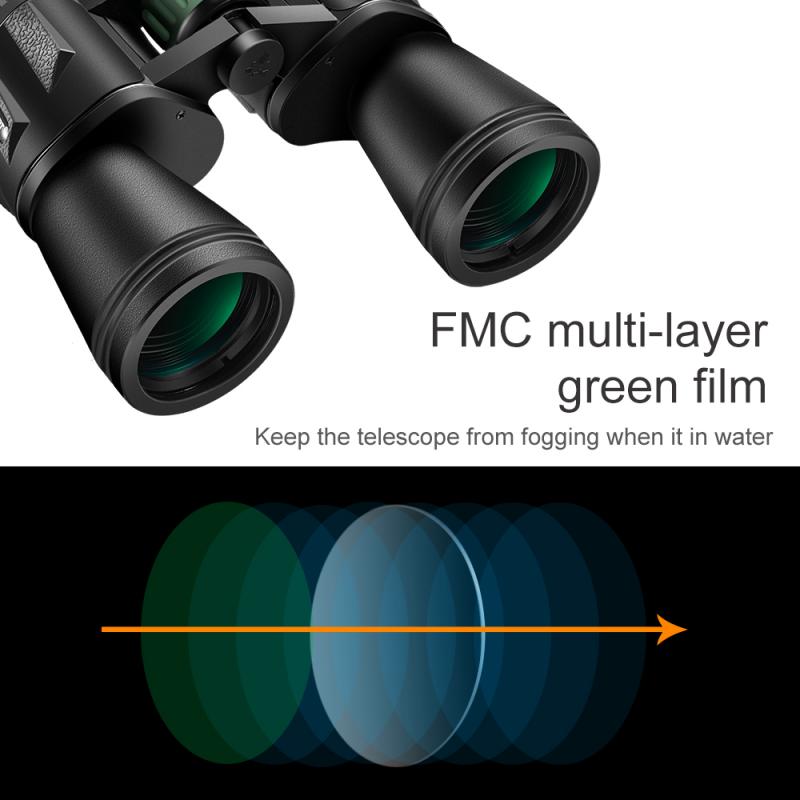
- ED / XD glass — reduces color fringing, improves sharpness and realism, and enhances detail in challenging light.
- Advanced lens coatings — high-quality coatings can increase light transmission, contrast, and brightness in roof prism designs.
- A fast focuser is especially important for birding — trying out binoculars in person and testing the focuser is a key step recommended by experienced birders.
- Modern binocular technology makes even smaller models perform exceptionally well.
- My recommendation is that there is no substitute for heading to a store and trying some — a good store can provide advice but there's nothing better than trying them in person.