Why Are Security Cameras Low Quality?
Security cameras often produce low-quality footage due to a combination of hardware limitations, cost constraints, and environmental factors. Blurry and low-quality security footage makes the security system useless — imagine missing essential details of a crime scene or being unable to identify an intruder's face.
Low Resolution and Pixel Limitations
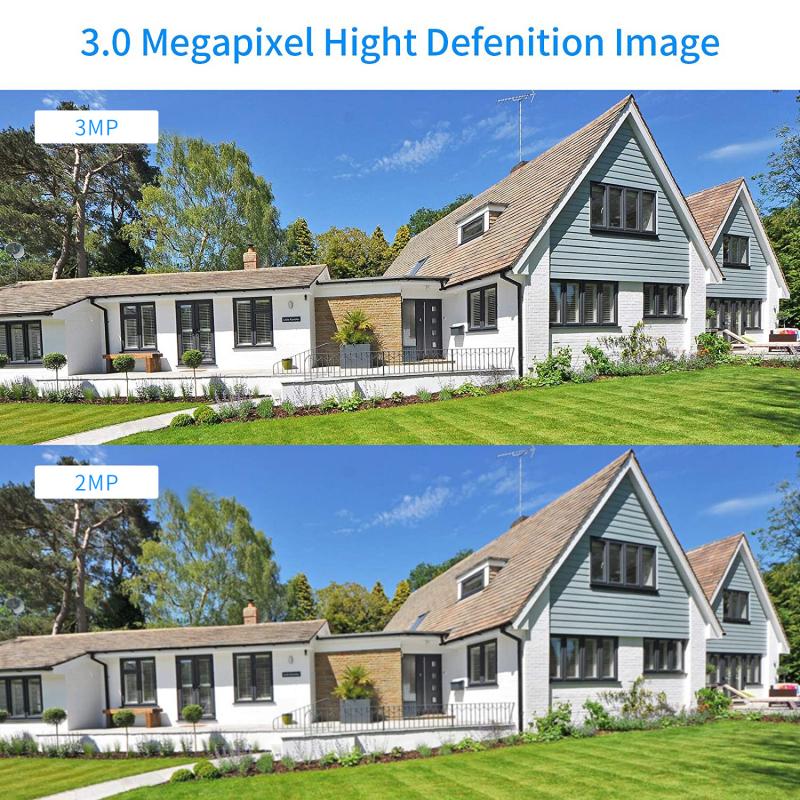
The most common reason why security cameras have low quality is their low resolution. Low-resolution cameras have fewer pixels and sometimes cannot capture fine details, such as facial features or license plate numbers. Low resolution can also result in blurry or distorted footage. In low-resolution footage, objects and people may appear pixelated or blocky, making it difficult to identify individuals or objects.
Traditional analog security cameras usually have low resolutions that make it difficult to capture image details necessary for identifying people or incidents. Analog cameras offer lower resolutions than modern digital IP (Internet Protocol) cameras, which is why they often produce blurry, pixelated images that lack useful details.
Your camera might actually be capable of recording crisp, clear video; however, it could be set to record at a lower resolution to save storage space. Commercial cameras can record at 1080p or higher. If yours is set to 720p or lower, bumping it up will use more storage, but you'll actually be able to see what's happening.
Storage, Compression, and Cost Constraints
- Storage demands
- Security cameras record all day and night. The amount of data required to record in higher quality would be huge. It would require many TB of storage to hold a week's footage — a mid-tier DSLR records at approximately 1 GB/minute, and even at 1/10th that size, a full week of footage amounts to around 1 TB. Lower quality settings save space while still recording enough detail to identify people.
- Primitive compression methods
- Primitive compression techniques may discard significant image data during the compression process. The data loss can result in fewer details and less clarity in the captured video. Basic compression methods can introduce compression artifacts such as blockiness or pixelation, which negatively affect the visual quality of the footage. Primitive compression methods may also struggle to handle low-light conditions and degrade the captured footage in these environments. Over-compressing video footage to save on storage space can significantly diminish its quality, with heavy compression leading to pixelation and blurring that can obscure vital details.
- Cost constraints
- People buy many security cameras — you need to cover a whole store, school, or factory, not just one area. If you need ten cameras on site, it's far cheaper to get 10 CCTV low-res cameras than 10 GoPros. Cost constraints can lead to the production of low-quality security cameras because manufacturers may be forced to compromise various aspects of the camera's design and components to meet a lower price point. Budget security cameras, often manufactured with cost-cutting in mind, come with subpar components and lack quality control. They're prone to producing fuzzy images, have limited functionality, and have shorter lifespans.
Lens Quality and Sensor Size
Lens quality is a critical factor in determining the overall quality of security cameras. Inferior lenses may introduce optical distortions, such as barrel distortion or chromatic aberration, which can affect the accuracy and clarity of the captured images. Cheap lenses are often less durable and more prone to wear and tear, which can also affect the long-term reliability of the camera.
The sensor size also affects the overall quality of cameras. Low-quality security cameras tend to have smaller sensors. Smaller sensors capture less light and make cameras less effective in low-light conditions. Smaller sensors can result in noisy or grainy images when the camera struggles to gather enough light. Small sensors have a narrower dynamic range, so these cameras can't capture both dark and bright areas in a scene. As a result, cameras with smaller sensors often present overexposed or underexposed images.
Lighting Conditions and Night Vision
- Cameras need light to produce clear images. Too little light creates grainy, blurry footage. Too much light, like direct sunlight, can wash out the image.
- In low-light conditions, security cameras may struggle to capture clear images or video, resulting in poor quality. Reduced light can also lead to noise or graininess in the footage, with fewer details or motion blurs.
- Footage may look fine during the day but terrible at night; certain areas of the frame are always blurry while others are clear; the image looks washed out or overexposed; there is lots of "noise" or grain in darker areas.
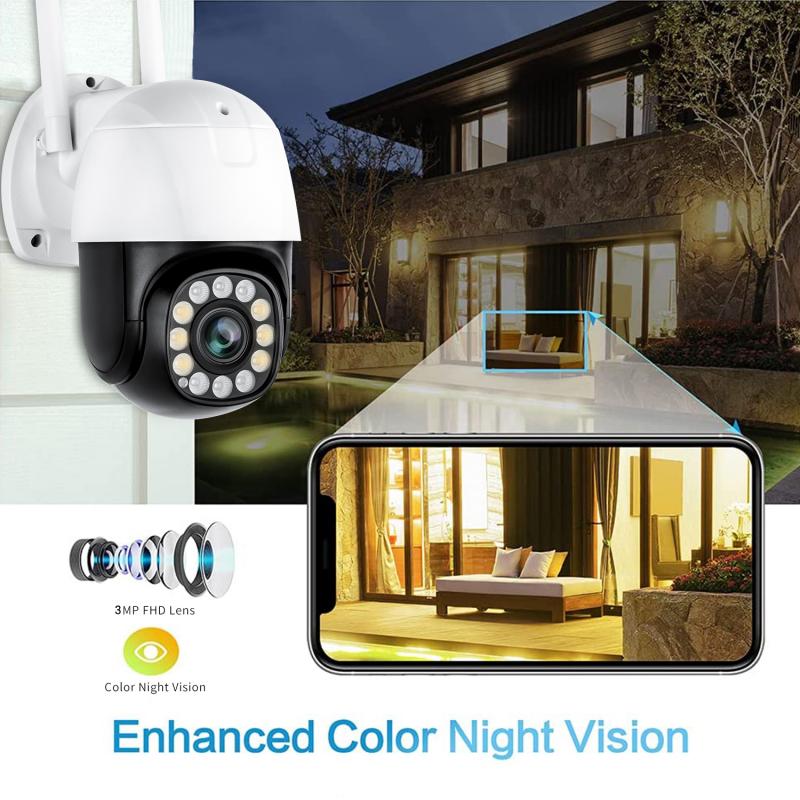
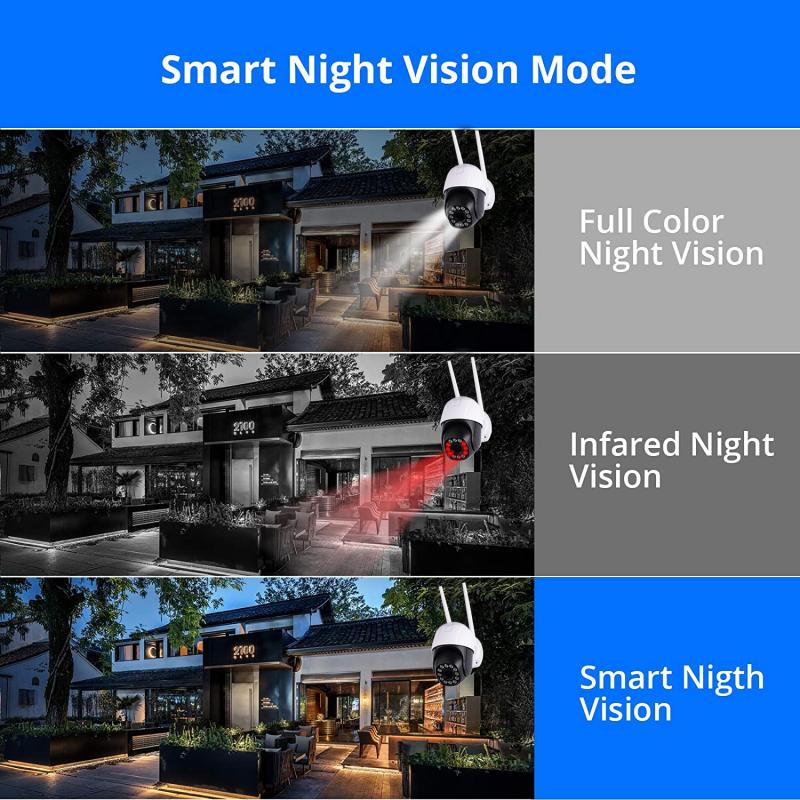
- To combat this, consider improving illumination around the camera area with additional lights or infrared illuminators. Alternatively, upgrading to cameras designed for low-light environments can provide clearer images, even in darkness.
- Cameras with wide dynamic range (WDR) technology can help in areas with both bright and dark spots.
Installation, Positioning, and Field of View
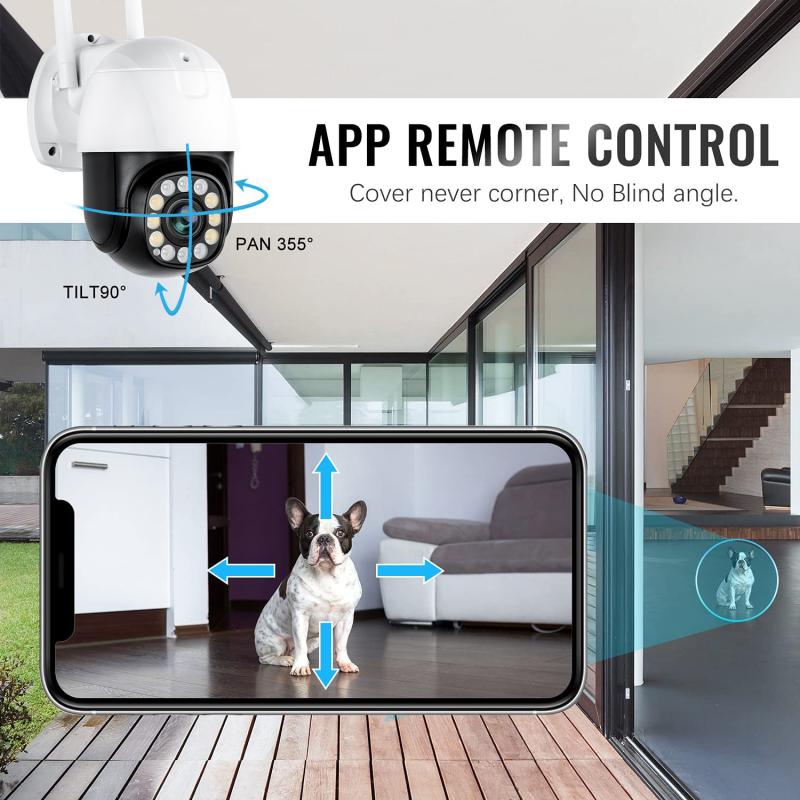
Inappropriate installation and placement can also contribute to low-quality security camera performance. Incorrect placements — such as limited coverage, behind obstructions, or improper angles — may cause many blind spots within the field of view. Mounting cameras too high or too low can impact their ability to capture usable images.
Cameras placed too far from focus points can fail to capture essential details clearly. When cameras are positioned at a distance from key areas, identifying faces, reading license plates, or observing detailed activities becomes challenging. Incorrect camera positioning can lead to significant monitoring challenges, including blind spots, glare, and ineffective viewing angles. A camera facing directly towards a bright light source can produce footage with glare, obscuring crucial details.
For proper installation and placement, ensure cameras are mounted at the correct height and angle for optimal performance, utilizing accessories like mounting brackets or poles as needed. Placing cameras strategically closer to focus points enhances their ability to capture detailed images, and aligning camera placement with monitoring objectives — such as monitoring entry points, cash registers, or sensitive areas — ensures that footage is relevant and detailed.
Network Issues and Digital Zoom
- IP security cameras rely on the internet to operate. Unstable network or internet interference can negatively affect the performance of cameras because these factors can lead to lower data transfer rates. As a result, the camera may struggle to transmit high-quality video in real-time.
- Low-quality videos often come with pixelation, lag, or even complete loss of video feed. In severe network instability or interference, a camera may lose its connection entirely, leaving a property without surveillance.
- Using digital zoom often results in a significant reduction in image quality. Unlike optical zoom, which adjusts the camera's lens to get a closer view without losing clarity, digital zoom enlarges the image through software, leading to pixelated and grainy footage. This loss of quality can make it difficult to discern important details such as facial features or license plates.
- To avoid these issues, it's advisable to use cameras equipped with optical zoom capabilities or to position cameras closer to key areas of interest.
- To get rid of possible interference, enhance your network infrastructure by upgrading bandwidth or using wired connections. Implementing backup internet connections or cellular data plans can serve as fail-safes in case of network disruptions, ensuring continuous surveillance.
Aging Hardware, Outdated Firmware, and Lack of Maintenance
Lack of regular maintenance is a common reason for the poor quality of security camera footage. When cameras are not regularly cleaned or inspected, issues such as lens obstruction, dust accumulation, and outdated software can significantly impair performance. In environments with high levels of dust or exposure to the elements, these problems can exacerbate, leading to blurred or unclear footage.
Security cameras don't last forever. After 5–10 years, image sensors can degrade, lens coatings can wear down, and internal components can fail. Outdated analog cameras are often responsible for low-quality footage due to their inherent limitations in resolution and functionality. The average store in some networks has 10–15 year old cameras. As one technology expert noted at a quick service restaurant conference: "For every two new iPhones, you should be buying new cameras."
Running security cameras on outdated firmware or software can introduce a host of problems, from security vulnerabilities to reduced functionality and compatibility issues. These drawbacks can significantly impair the system's overall performance, leading to lower quality footage and increased risk of cyber threats. Regularly updating your security camera system's firmware and software ensures you benefit from the latest improvements, security patches, and features.
Dirty or Out-of-Focus Lenses
- A dirty or smudged camera lens is the number one cause of blurry footage. Dust, dirt, spider webs, and water spots build up on your camera lens over time. Clean camera lenses monthly with a soft microfiber cloth. For outdoor cameras, check them after dust storms or weather events.
- Many security cameras have adjustable focus settings. If someone bumped the camera or it wasn't set up correctly, the focus might be off, creating consistently blurry footage at all times of day. Access your camera's settings through its software or app and look for manual focus controls. Some cameras also have a physical focus ring you can adjust.
- Cameras exposed to harsh weather conditions without proper resistance can suffer from fogging, water spots, and other issues that degrade image quality. Opting for weather-resistant security cameras and regular maintenance — such as cleaning dome covers and installing protective shields — can greatly enhance durability and performance.
High-resolution digital IP cameras improve security camera quality by offering ultra-high resolutions, which ensure clearer and more detailed footage. High resolutions help in identifying faces and actions accurately, enhancing surveillance effectiveness. Digital IP cameras are better than analog cameras as they provide higher image quality, easier access to footage via the internet, and additional features that enhance security monitoring and video management. Opting for high-definition equipment — such as 4K or at least 1080p — addresses the most fundamental cause of low-quality security footage.