Can Microfiber Cloths Be Washed?
Microfiber cloths are some of the best cleaning tools around — effective and reusable, they can replace mounds of paper towels in your cleaning routine. However, the best microfiber cleaning cloths will only work well if you take care of them properly. Microfiber is a cleaning superhero, lasting over 300 washes and removing dirt better than cotton, but only if it's cared for correctly. Unlike cotton, microfiber cloths are made of positively charged synthetic fibers that trap dirt, oils, and bacteria. Washing them incorrectly — especially with heat, bleach, or cotton fabrics — clogs or melts the fibers, reducing cleaning effectiveness and lifespan.
What Microfiber Is Made Of
Microfiber cloths are cleaning towels of synthetic fibers commonly used to clean a variety of surfaces, from dusty electronics to countertop spills. The material's fibers are repeatedly split in the manufacturing process to make microfibers that are then knitted into soft, reusable cleaning cloths that are 30 times finer than cotton. Microfibers are a mix of polyester and nylon. The polyester is virtually bulletproof, but the nylon component gets damaged by heat. Since nylon only makes up 20–30% of the towel, you won't notice the nylon breaking down right away — your towels will simply stop absorbing water over time. Polyester scrubs dirt loose into water and nylon draws water up into the fiber.
Microfiber cloths come in all sorts of varieties: plush fibers that are best for deep cleans, looped fibers that are designed as scrubbers, and waffle fibers that absorb grime the best. These towels are known for their absorbency and their ability to grab onto dirt, making them a helpful tool for a wide range of cleaning tasks.
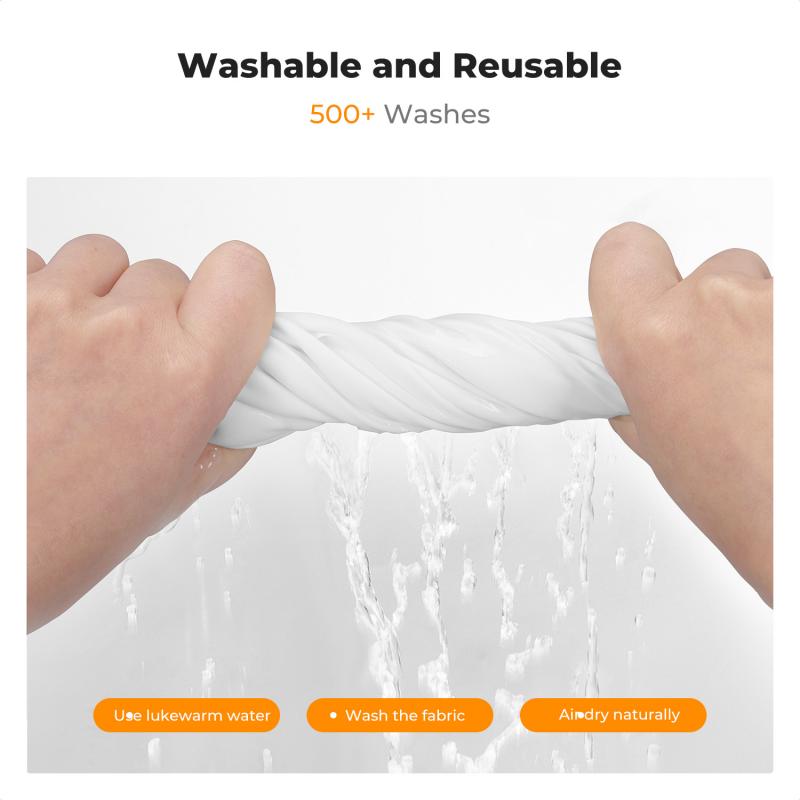
Do's and Don'ts When Washing Microfiber
- ✅ Wash in warm water (up to 160°F max)
- ✅ Use detergent without fabric softeners or optical brighteners
- ✅ Tumble dry on low heat (140°F max) or air dry
- ✅ Add dryer balls to dislodge debris, fur, and hair
- ✅ Wash microfiber cloths and mop heads using the gentle or delicate cycle
- ✅ Load microfiber cleaning tools properly and wash them separately
- ✅ Make sure cloths are completely clean and dry before storing
- ❌ Never use bleach — it breaks down fibers
- ❌ Don't store dirty microfiber in airtight bags
- ❌ Don't wash with cotton or wool
- ❌ Avoid overloading the washer or dryer
- ❌ Don't use fabric softeners — they clog the fine microfiber fibers, reducing their ability to pick up dirt and moisture
- ❌ Don't use aggressive washing cycles such as heavy-duty, sanitary, whites, bulky, and power wash settings
How to Machine Wash Microfiber Cloths
- Separate from other items. To avoid transferring lint, hair, and dust to your towels from other items in your laundry, wash microfiber cloths separately from the rest of your fabrics. This is especially true for clothing, towels, or sheets made from natural fibers like cotton, as these fabrics tend to shed. You may also want to separate heavily soiled microfiber towels from those used simply for dusting to help prevent dirt transfer.
- Shake out the towels. Since microfiber towels can be a magnet for dust and other particles, give the cloths a good shake over a trash can before tossing them into your washer. This can help loosen trapped dirt and dust from the fibers.
- Place towels in the washer and add detergent. Once you've shaken out any excess dust and dirt, place your microfiber cloths in the washer. Load washer ¾ full with microfiber (no natural fabrics). Use 2 oz of a neutral detergent (no additives). Add a fragrance-free detergent to your machine's detergent dispenser or directly into the washer drum. If your microfiber towels have a strong smell, you can also add a tablespoon of white vinegar to the load to help reduce odors. Always consult your towel's laundry care label before washing.
- Select and run wash cycle. Microfiber towels should usually be washed using a "gentle" or "delicate" cycle. Lightly soiled towels can be washed in cool water, while cloths used for heavy-duty messes should be washed using warm water.
- Dry on low heat. After the lint trap has been emptied, place your microfiber towels inside the dryer separately from garments made with natural fibers. Avoid adding dryer sheets and using high heat settings. Instead, select a low-heat or air-dry cycle. Thoroughly clean out the dryer lint trap both before and after drying microfiber cloths — a dirty trap can spread dryer lint and deposit it on the microfiber, damaging the fibers.
How to Wash Microfiber Cloths by Hand
Hand washing is ideal for spot-cleaning a few towels or if you don't have access to a machine. Hand washing is gentler and a greener option, while machine washing is more effective for bulk and heavily soiled loads.
- Step 1: Remove excess dirt
- Shake your microfiber cloths outside or over a trash can to loosen and release trapped dirt and dust from between the fibers.
- Step 2: Fill a sink or basin with lukewarm water
- Avoid using hot water, as it can damage the microfiber material. Add a small amount of mild detergent to the water — make sure it does not contain bleach or fabric softeners.
- Step 3: Soak and wash the towels
- Place the microfiber cloths in the soapy water and allow them to soak for about 5–15 minutes to help loosen dirt and grime from the fibers. After soaking, gently agitate the cloths by swishing them around in the soapy water. If you notice particularly stubborn stains or dirt, use your fingers or a soft brush to lightly scrub the affected areas. Be gentle to avoid damaging the fibers.
- Step 4: Rinse thoroughly
- Drain the soapy water and refill the sink or basin with clean, lukewarm water. Rinse the microfiber cloths thoroughly to remove any soap residue. You may need to rinse them a few times until the water runs clear. Gently squeeze the water out of the cloths — avoid wringing or twisting them, as this can damage the fibers.
- Step 5: Hang to air dry
- Hang the microfiber cloths to air dry using a clothesline, drying rack, or a clean towel rack. If you're air-drying inside your home, hang the towels in an area with proper air circulation to prevent moisture from becoming trapped in the fibers. If possible, hang your microfiber towels out to dry in the sun.
Pre-Soaking for Heavily Soiled Cloths
Because microfiber is so efficient at drawing up water, you won't get all that dirty water out by squeezing alone. A recommended approach is to pre-soak in a big tub of water before washing if the cloths are really loaded up. Soak in a bucket overnight with an ounce of detergent — you don't need a lot of soap, just time for osmosis to fully work and let it penetrate deep into fibers. Then lightly wring out and wash as normal. The bucket method is key because there is so much surface area to coat; it takes longer than a 15-minute wash cycle to really penetrate the fibers.
For cloths heavily loaded with wax or polish oils, pre-soak in a strong detergent like a Purple Power or Simple Green in warm water to break down the waxes or polish oils before washing. You can also try a pre-soak in warm water with baking soda or a vinegar rinse, then wash normally.
Detergent Selection
- Use a mild liquid detergent. Delicate wash detergents are among the mildest, as well as those labeled "free and clear."
- Avoid harsh detergents and stain removers with dyes, fragrances, and brighteners, oil-based soaps, and bleach — these can break down the fibers and impact their performance.
- Avoid fragranced detergents and fabric softener as these formulas can coat the fibers and reduce the cloth's cleaning capabilities.
- Specialty microfiber detergents work best for restoring performance.
- You can add a small amount of white vinegar to the rinse cycle to break down any detergent residue and deodorize the towels.
- Always follow the proper dosage prescribed by the detergent's label when adding detergent to a load of laundry.
Temperature Guidelines
Do not use high heat. Exposing microfiber to high heat, whether in the washing machine or dryer, can cause the fine fibers to melt or become damaged. This can lead to a loss of the cloth's absorbency and cleaning abilities. Use cold or lukewarm water rather than hot water in the washing machine. If you choose to use a dryer, set it to a low heat or air-dry setting. For sanitizing purposes, 135°F for 60 minutes is enough to kill most germs — avoid sanitizer or towel cycles as they use high heat.
How Often to Wash and When to Replace
The specific wash schedule of your microfiber towels varies depending on when and how often you use them. Typically, you should wash towels after 3 light uses. Towels used for heavy-duty cleanups may need to be washed more frequently. Once microfiber cloths start getting worn out, they can be downgraded to other jobs — with their final use being tires, tire shine, or grease rags before discarding. Those heavily degraded cloths generally don't need to be washed further.
Storing Microfiber Cloths
Storing damp or wet microfiber items in a sealed container can lead to mold or mildew growth, which can damage the fabric. Make sure the cloths and mop heads are completely clean and dry before storing, and choose a storage area that allows for good air circulation to prevent moisture buildup. If possible, hang microfiber cloths and mop heads to allow air to circulate around them — you can use hooks, towel racks, or a clothesline in a dry and well-ventilated space. If hanging isn't an option, place them on open shelves. It is also recommended that you store microfiber towels separately from other towels, sheets, and clothing to avoid the transfer of lint and other fabric particles onto the towels. While microfiber is generally resistant to UV rays, prolonged exposure to direct sunlight can lead to color fading and degradation of the fabric, so it's best to store them in a shaded area.
Removing Lint from Microfiber Cloths
- In most cases, you can simply shake the towels before washing and drying.
- Use a lint roller to remove lint from your microfiber cloths.
- A soft-bristled brush can also be used to remove lint.
- Masking tape is another option for lifting lint from the surface.
- Soaking and handwashing can help dislodge lint embedded in the fibers.
- Excess lint can also be caught in your dryer's lint trap during machine drying.