How To Choose Security Camera For Home?
Types of home security cameras
There are three main types of home security cameras: wireless security cameras, doorbell cameras, and floodlight cameras. here are the differences.
- Wireless security cameras
- These unobtrusive security cameras connect to your home wifi network and send alerts and videos to your smartphone.
- Some models need to be plugged into an outlet, while others run on rechargeable batteries, making them truly wireless.
- Certain cameras can store video clips locally on a memory card, but many don’t have that feature, forcing you to store them in the cloud—and allowing manufacturers to charge you a recurring fee.
- Pros: they can be placed just about anywhere inside your home. weatherproof models can be placed outdoors. you can check on your home and receive smartphone alerts from anywhere with cell service or wifi.
- Cons: cloud storage fees add up over time. some smart features may require a monthly fee.
- Doorbell cameras
- Doorbell cameras offer all the features of a wireless security camera while also alerting you if someone rings the doorbell.
- They do double duty: if you have a video doorbell, you probably don’t also need a wireless security camera watching the front door.
- These cameras send alerts and videos to your smartphone when they detect motion or when someone rings the doorbell.
- All video doorbells also feature two-way audio, so you can talk to whoever is ringing.
- Pros: most use doorbell wiring for power, negating the need to run a separate power line. you can answer your doorbell even when you’re not home.
- Cons: they won’t work with an existing wireless doorbell chime, though some may work with an existing wired chime. their connection to wifi can be spotty in some homes because they’re outside. cloud storage fees can add up. in many cases, smart features require you to pay a monthly fee.
- Floodlight security cameras
- As the name implies, these devices combine a wireless security camera with bright lights for use at night, with the unit typically connected to a constant power source.
- These devices combine a security camera with bright led floodlights to shine a light on potential intruders and scare them off with built-in sirens.
- Most models are designed to replace an existing floodlight, which means you have to wire them into an electrical box.
- Some battery-powered and plug-in models are available, though.
- In addition to their sirens, most floodlight security cameras feature two-way audio for speaking with visitors.
- Pros: because they replace regular hardwired floodlights, most floodlight cameras have a constant source of power, so you don’t need to bother with batteries. you can keep tabs on important areas around your home, such as the driveway and backyard, from anywhere with your smartphone.
- Cons: their wifi connection may be affected by being outside the thick walls of your home. cloud storage fees can add up. some smart features often require paying a monthly fee.
Power, placement, and installation
How will your camera get power, through a battery or from a wall outlet? this is an essential question to ask yourself before purchasing a camera, and it may come down to your personal preference, with pros and cons for each type.
- Battery-powered security cameras, video doorbells, and floodlight cameras offer the most flexibility in terms of placement in and around your home.
- But depending on the camera and how heavily it’s used, you’ll need to recharge it anywhere from weekly to annually.
- To minimize how often you need to recharge batteries, consider a camera with either a built-in solar panel or a solar panel accessory.
- Hardwired cameras and doorbells neatly sidestep the recharging problem but may limit your placement options, unless you’re willing to run an extension cord or hire an electrician.
- Keep in mind that the power source you use could limit the number of models you can choose from.
- This is especially true of floodlight cameras because there are few battery-powered models on the market.
Installing security cameras can look like a lot of things. if it’s a wireless camera, installation probably either means simply plopping the camera on a flat surface or screwing it into a wall or ceiling.
- For outdoor cameras, make sure that your camera is installed within the zone of your wi-fi so it retains a connection with your app.
- Wired cameras are a bit more difficult to install than wireless cameras, depending on the design.
- Some cameras only need to be plugged into a power outlet, while hardwired cameras are connecting with your home’s electrical system.
- Many video doorbells will be hardwired into an existing doorbell and chime setup, which is obviously harder than setting up a battery-powered video doorbell.
WiFi signal and network
Because a majority of home security cameras rely on wifi to stay connected, it’s important to make sure you have an adequate wifi signal in the areas where you plan to place them.
- This is especially important for cameras you place outside because it can be difficult for wifi to penetrate the exterior walls of homes.
- Most wifi routers broadcast two networks simultaneously: 2.4ghz wifi and 5ghz wifi.
- The former offers a better range and can penetrate walls more easily, while the latter offers faster speeds.
- Most security cameras only work with 2.4ghz networks, but many newer cameras support both networks, allowing for faster loading speeds and lower latency when they can connect to 5ghz networks.
- If you want speedier alerts and load times, consider cameras that support 5ghz wifi.
Tip: with power comes responsibility for installation. make sure your camera either has a cord long enough to reach an outlet, if it’s plug-in, or is close enough to connect to your home’s wi-fi network.
Video storage and subscriptions
Most manufacturers opt for cloud storage—where the footage is stored remotely on a server—instead of memory cards because the video files are large and the manufacturer can make additional money from subscriptions.
- While you may want to avoid subscriptions altogether and go with a camera that uses free, local storage, there are some benefits to paying the monthly fee.
- The biggest benefit is that the footage is securely stored far from your home, which can be helpful in the event of a crime or natural disaster.
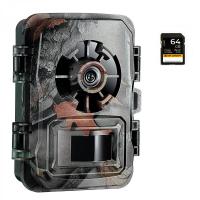
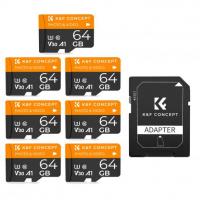
- Some cameras with local storage house the footage on a microsd card in the camera itself, which means an intruder could simply steal the camera to get rid of the evidence.
- If you want a camera with local storage but have this concern, you can buy a model with a separate base station or hub that can store the footage somewhere else in your home.
But there are some cons to cloud storage besides the monthly fee. you don’t have complete control over your video footage, which conceivably could be accessed by the company or even hackers for their own purposes.
- Before you pick the camera or doorbell you want, be sure to find out how much free cloud storage it comes with and how much additional storage will cost you.
- The amount of free online storage and the cost of storage plans can vary significantly by manufacturer and model.
- Most of these plans only store video clips triggered by motion.
- Most cameras store footage in the cloud, so it’s safely backed up and available from anywhere, but it usually requires a monthly fee of $1 to $30 per month.
Features to compare
Home security cameras come loaded with many features that take advantage of their internet connection. these are the main ones to look for as you shop.
- Smartphone alerts
- Security cameras and doorbell cameras will send alerts to your phone when they detect motion and doorbell rings.
- Some cameras also analyze footage to send alerts for people, faces, animals, vehicles, and even packages.
- The frequency and sensitivity of alerts can usually be adjusted in the app.
- Activity zones
- Most cameras offer activity zones (also called motion zones), where you can select a portion of the camera’s field of view to watch for motion instead of the whole field of view.
- This feature is especially useful to block out annoying repetitive alerts from areas such as busy streets.
- Two-way audio
- All doorbell cameras and most security cameras offer two-way audio, allowing you to hear and speak with people in front of the camera.
- Fast motion activation
- The best cameras detect and alert you to motion within two seconds, ensuring you can view events in real-time rather than after the intruder has left the frame.
- Intuitive smartphone app
- A functional, well-designed app is also important as it will allow you to monitor your security cameras in real-time.
- An intuitive smartphone app will put your home security at your fingertips whether you’re lounging on your couch or traveling halfway across the globe.
The next decision you'll have to make involves the device's specs and features. do you want live streaming? is two-way talk a priority? what about night vision?
- Modern home security cameras are loaded with neat extra features: motion detection, professional monitoring, push notifications, cloud video storage, weather resistance, sound and motion alerts and integration with third-party devices.
- Narrowing down which smarts you want your device to have will help you make a final decision.
Video quality and field of view
Most cameras we test, from any of these categories, don’t deliver the high-definition video quality their manufacturers promise under all conditions.
- We always look at the resolution and field of view when first assessing a security camera.
- At a minimum, we want 1080p resolution, a 125-degree field of view and infrared night vision.
- Then, we look for additional features that further enhance the video quality like hdr and color night vision.
When buying a security camera, you should look for at least 1080p hd video, infrared night vision, two-way audio, cloud and local storage, integrations with either alexa or google assistant and person detection.
Keep in mind: while color night vision is nice to have, bright spotlights make cameras super conspicuous, which you may or may not want; conspicuous cameras can deter thieves, but they are also more likely to be stolen.
Outdoor durability
Buyer beware: most security companies claim their outdoor cameras are either weatherproof, weather-resistant or waterproof, but these terms don’t really mean much; to truly know how a camera will fare in different weather conditions, check its ip rating and operating temperature, especially if you live where the temperature drops to below zero during winter.
- Solids
- 0: not protected
- 1: a large bodily surface like the back of a hand
- 2: fingers or similar objects
- 3: tools, thick wires, and more.
- 4: most wires, screws, and more.
- 5: dust-protected
- 6: dust-tight
- Liquids
- 0: not protected
- 1: dripping water falling from above
- 2: dripping water falling from a 15-degree tilt
- 3: spraying water
- 4: splashing water
- 5: water jets 6.3mm and below
- 6: powerful water jets 12.5mm and below
- 7: immersion up to 1m
- 8: immersion over 1m
Privacy and data security
While these cameras provide peace of mind, it’s worth remembering that to do that, they provide a view into your home and connect to the internet.
- If you can watch your home from your phone, it may be possible for someone else to take a peek, too.
- The manufacturer also may have access to the video.
- “There have been cases of companies deploying these with weak security that can be circumvented,” says justin brookman, director of privacy and technology policy at consumer reports.
- “Don’t use default credentials. make sure you set up your own unique username and difficult-to-guess password.”
These security concerns don’t mean you shouldn’t buy a home security camera. but if privacy is something you’re worried about, you may want to keep these devices out of very private areas, such as bedrooms.
A small number of security cameras offer end-to-end encryption, which encrypts videos both in transit, when they travel back and forth from your home to the company, and at rest while sitting on the company’s servers.
This keeps your recordings secure and private, and it prevents law enforcement or anyone else from seeing your videos.
Cost and ongoing fees
Aside from the actual camera itself, there are a couple of other potential costs that come with security cameras, namely, monitoring and storage costs.
- As you can see below, there’s a huge price range when it comes to smart security cameras, but the average camera costs around $150— $100 for an indoor camera and $200 for an outdoor camera.
- However, there are huge outliers like the $20 wyze cam or the $399 vivint outdoor camera pro, which is why it’s important to focus on the camera’s features to make sure you pay for what you get.
- Home security cameras can vary widely in price, ranging anywhere from $30 to thousands for a multi-cam system.
- Specific prices depends on the services, model, features or video storage you want for your camera.
- Just keep in mind that many cams require a monthly subscription to unlock important features, so note if there are ongoing costs.
DIY setup steps
For the most part, though, you’ll be able to install your camera yourself typically through a guided app setup. typically, that looks like:
- downloading the camera’s respective app
- creating an account and logging in
- clicking a plus sign to add the device
- naming the device based on its location, i.e living room
- adding the camera to your home’s wi-fi network
- testing out the camera’s motion or person detection
- linking the camera with voice assistants and other compatible devices in your home
- mounting or placing the camera where you want it and testing out the wi-fi connection.
Trust us, you don’t have to be a security expert to install most diy home security cameras; rather, they’re designed to be easy to install for anyone, so long as you’re comfortable with using apps.