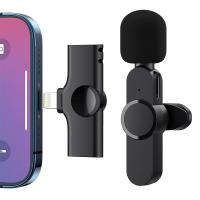
Which Headphones Is Best Wired Or Wireless?
Wireless headphones are great when you need freedom of movement since there are no cables to get tangled up in. There are pros and cons to both types, and the best choice comes down to how you plan to use them and what trade-offs you're willing to make.
Types of Wired and Wireless Connections
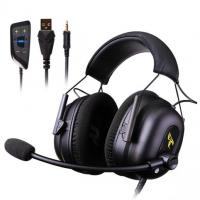
Wired headphones connect directly to your device using a 3.5mm audio jack, USB-C, or lightning connector. They transmit analog signals and do not emit radio frequencies (RF). There are two kinds of wired connections: active and passive. When used passively, the headphones draw enough power just from being plugged into an analog aux port. When used actively, the headphones need to be turned on to produce audio.
Wireless headsets work by transmitting audio signals without physical cables, using Bluetooth or radio frequency (RF) technology. Bluetooth headsets connect to devices like smartphones, tablets, and computers via short-range wireless signals, typically within 33 feet (10 meters). They use built-in Bluetooth chips and audio codecs like SBC, AAC, or aptX to compress and transmit sound efficiently. RF wireless headsets operate on dedicated radio frequencies (e.g., 2.4 GHz), providing a stronger, more stable connection with a longer range (up to 100 meters or more). They often require a base station or USB dongle for transmission and are commonly used for TVs, gaming, and professional audio applications.
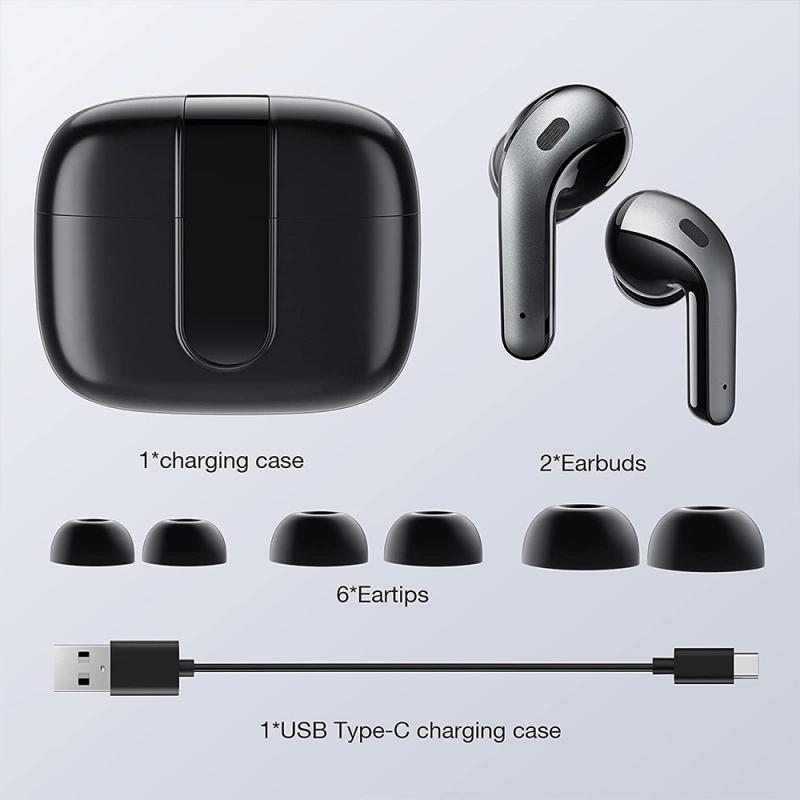
Price and Battery Life
- Price
- Wired headphones are cheaper. In terms of price ratio to performance, wired headphones usually take the lead. While they may not provide the convenience of wireless freedom or other cool features, many headphones do come with an in-line remote control that enables you to adjust the volume, skip or pause your music, and manage calls. You don't need to charge corded headphones, but a broken wire can be a problem.
- Battery Life
- It's not necessary to think about battery life for wired headsets. When it comes to wireless headphones, battery life is an important consideration. Look for models that have power-saving features and be sure your wireless headphones come with a wall charger as well as a USB charger. Wired headphones do not require a battery, allowing for unlimited usage without the need for charging. Wireless headphones are powered by built-in rechargeable batteries. Their battery life varies significantly, with entry-level models lasting around 5–10 hours and premium models providing 40+ hours on a single charge. Some wireless headphones also feature fast-charging technology, where a 10-minute charge can provide several hours of playback. Over time, the battery's capacity may degrade, reducing overall battery life.
Sound Quality
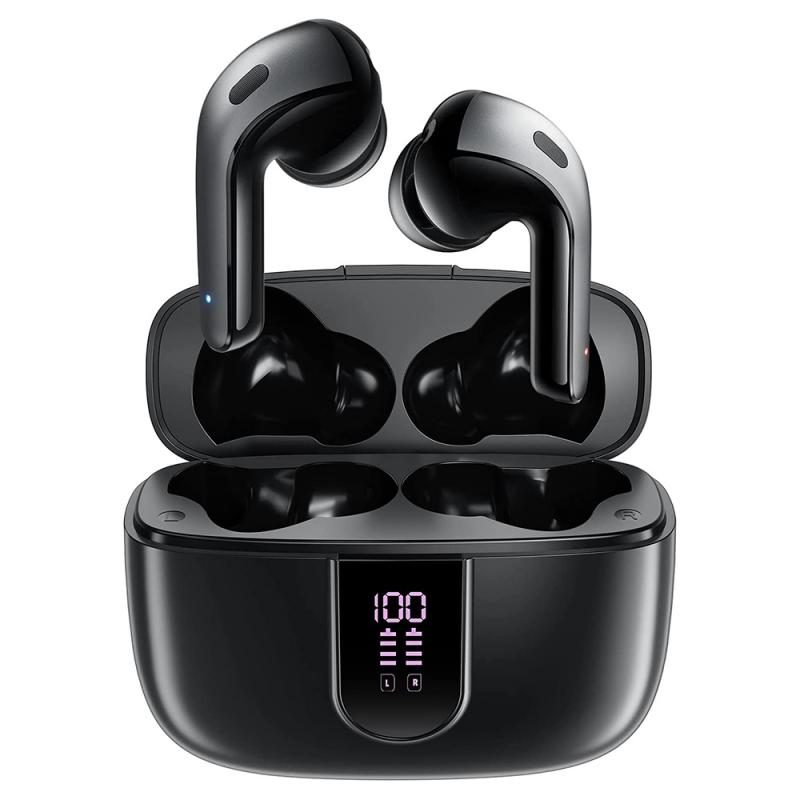
Bluetooth audio has improved significantly, and with the right codec, modern wireless headphones can deliver high-quality sound that's virtually indistinguishable from a wired connection. That said, trained ears or audiophiles may still detect minute differences. These listeners might benefit from headphones that support one of the high-resolution Bluetooth codecs on the market, such as LDAC, aptX HD, aptX Adaptive, or LHDC (Low Latency and High-Definition Audio Codec). These formats typically allow the transmission of more data with less compression. Both the headphone and source device must support these codecs, and the source audio should also be high quality.
When it comes to sound quality, the biggest advantage of wired headphones is their consistency. With a direct physical connection, there's no risk of signal drops, pairing issues, or codec mismatches. Bluetooth connections can vary in bitrate depending on the codec in use, the device's settings, and even wireless interference, which can subtly affect audio quality and stability. Wired headphones offer a stable, no-fuss listening experience that's especially valuable in professional or distraction-free settings.
- Wired: lossless, high-resolution audio without compression
- Wireless: improved with LDAC/aptX, but still compressed
- Well-designed headphones show little measurable difference between their wired and wireless outputs
Latency
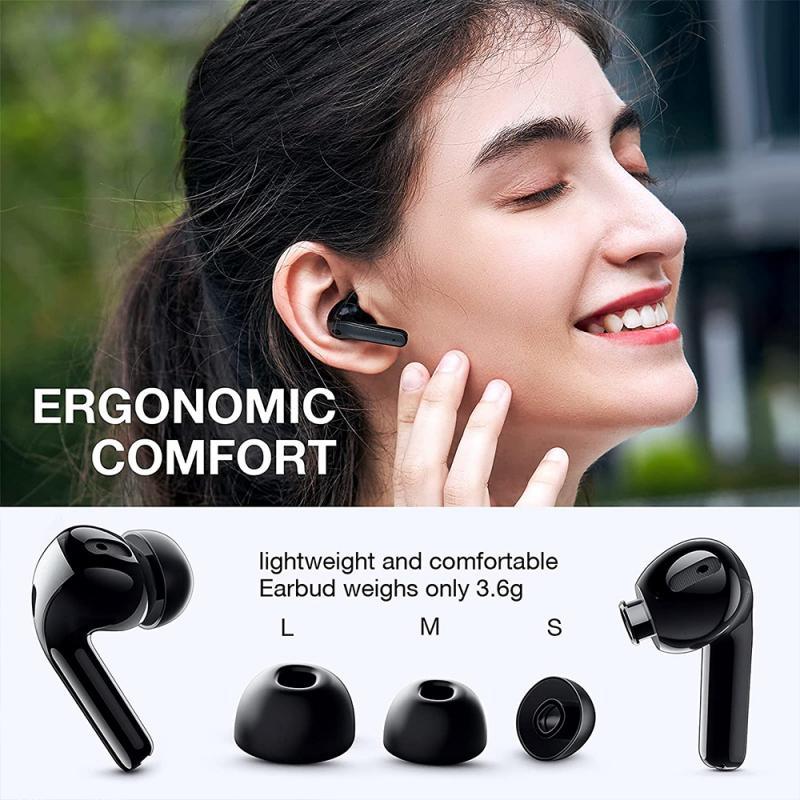
Wireless headphones introduce latency since the processes of encoding, transmitting, and decoding the audio signal take a little bit of time. For most audio listening, this delay isn't noticeable. But if you're watching a video, even a small delay can cause lip-sync issues, and gaming can become very tough if the lag is noticeable. Some people are sensitive to latency as low as 30 ms. The standard SBC codec regularly introduces over 200 ms of latency, but codecs like aptX Low Latency or aptX Adaptive aim to lower that number.
- SBC and AAC typically have higher latency (often over 200 ms), which can make lip-sync issues more common.
- aptX sometimes provides a modest improvement on SBC, while aptX Low Latency sometimes reduces delay to as low as 30–40 ms, making it more suitable for activities like gaming.
- aptX Adaptive adjusts dynamically, offering a middle ground.
- High-resolution codecs like LDAC and LHDC prioritize sound quality but often exceed 250 ms of latency.
- LC3, the new standard for Bluetooth LE Audio, promises better latency and efficiency than SBC, though real-world data is still limited.
Radiation Exposure and Privacy
- Wireless headphones emit RF-EMFs during operation, are often worn very close to the brain, and operate on 2.4 GHz frequency. Bluetooth radiation is classified as non-ionizing, meaning it doesn't have enough energy to damage DNA or cells directly. According to the World Health Organization (WHO) and the FDA, there is no conclusive evidence linking Bluetooth headphones to adverse health effects.
- Wired headphones do not emit radiation; they only conduct electrical signals, with zero exposure to RF or microwave frequencies.
- Wireless headphones carry Bluetooth vulnerabilities that can allow hackers to intercept audio, and some earbuds sync with apps and collect user data.
- Wired headphones cannot be hacked remotely, as there is no signal transmission.
- The radiation from wireless headphones is significantly lower than that of mobile phones, and regulatory bodies such as the FCC consider them safe for everyday use.
Portability, Convenience, and Compatibility
Wireless headphones offer excellent mobility, convenience, and modern features like multipoint pairing and hands-free control. They're a great fit for everyday use, commuting, workouts, and casual listening. Many models come with lightweight and ergonomic designs, allowing for comfortable long-term wear. Some wireless headphones also include active noise cancellation (ANC) and touch controls, enhancing usability for travelers and professionals.
Wired headphones provide instant plug-and-play functionality without the need for pairing or charging. There are no connectivity issues, lag, or interruptions due to wireless interference. Despite their reliability, wired headphones can be less convenient, especially when cables get tangled, twisted, or damaged over time. For users who prefer a balance, some wired headphones come with detachable cables, making storage easier.
Wired headphones are widely compatible with most devices that have a headphone jack or USB port, including laptops, PCs, gaming consoles, and older smartphones. However, many newer smartphones have removed the 3.5mm headphone jack, requiring an adapter to use wired headphones. Wireless headphones rely on Bluetooth connectivity, making them compatible with modern smartphones, tablets, and smart devices. Advanced Bluetooth codecs like aptX, AAC, and LDAC improve compatibility and sound quality, but users must ensure their devices support these codecs for optimal performance.
Cables and Long-Term Durability
With wired headphones, you do not have to look into battery life but you do have to take note of wire quality. Broken wire or over-stretched cables are one of the main reasons why most headphones with non-detachable wire break. Buy a quality pair of headphones with detachable cables and easily replaceable earpads and they can last over two decades if you treat them well.
Being wireless inherently gives wireless headphones a more limited lifespan due to lithium-ion batteries degrading over time. Bluetooth codecs can go faulty as well. Wireless headphones run on lithium-ion batteries, which can be a fire hazard if defective. Though rare, risks like overheating, swelling, or explosion exist. Wired headphones have no battery, eliminating that risk completely. Wired headphones and IEMs that don't have batteries will last for the rest of your life if you take care of them.
Use Case Considerations
- Gym or outdoor: Wired headphones are not ideal as cords can get in the way; wireless is excellent for freedom of movement.
- Work and office: Wired is reliable for video calls with better quality; wireless is convenient with multipoint connection.
- Gaming: Wired is the best choice due to zero latency; dongle-based wireless headsets using proprietary 2.4 GHz protocols offer much lower lag than Bluetooth and are especially common for gaming. If latency-free performance is critical, a wired connection remains the most reliable option.
- Air travel: Wired requires no charging and works with the airplane; noise-cancelling wireless is great for flights.
- Studio and critical listening: Most wired models are passive, meaning they don't contain internal processing or amplification. This simplicity is a key reason why wired headphones are often preferred in studio settings or for critical listening tasks.
Choosing between wired and wireless headphones comes down to how you plan to use them and what trade-offs you're willing to make. For users who value simplicity, signal integrity, and low latency, wired headphones (especially passive ones) remain the most dependable choice. For many people, it may even make sense to own both.