How To Adjust A Watch Bracelet?
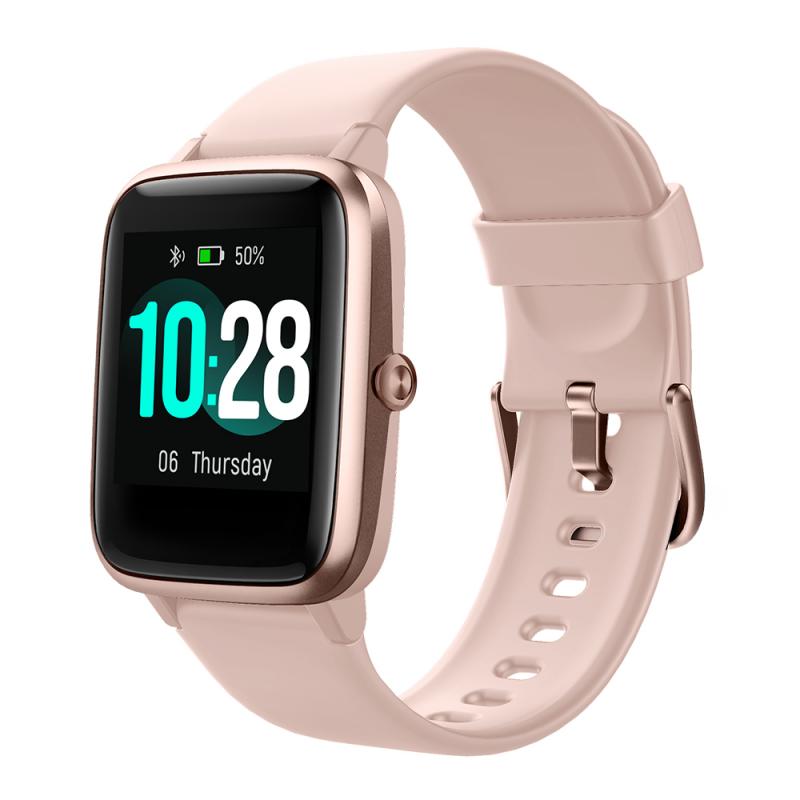
For some watches now in use, you can adjust the watch strap or bracelet length and replace the watch strap or bracelet yourself. When you buy a new watch, you naturally want it to fit perfectly. In some cases this may mean that the watch strap has to be shortened, which is usually the case with watches with a metal link bracelet. A watch should not be worn too tight, but certainly not too loose either. The rule of thumb is that if you can put your little finger just under the closed clasp on the inside of your wrist, the watch is properly sized.
Watch Bracelet Adjustment: Tools You Need
Shortening your metal bracelet is not difficult. With the right tools, it's done in no time. To resize watch strap bracelets, there are a few pieces you'll need to familiarize yourself with:
- Watch links
- The individual pieces that make up the bracelet.
- Watch pins
- The rods that hold the links together.
- Pin removal device
- Use one made for watch band sizing or utilize a small pointed tool.
- Small hammer
- Used to tap the pins back into the correct place.
- Soft (cleaning) cloth
- Used to protect the finish while working.
- Optional: pliers
- May be needed for certain link types.
Adjusting the Clasp Before Removing Links
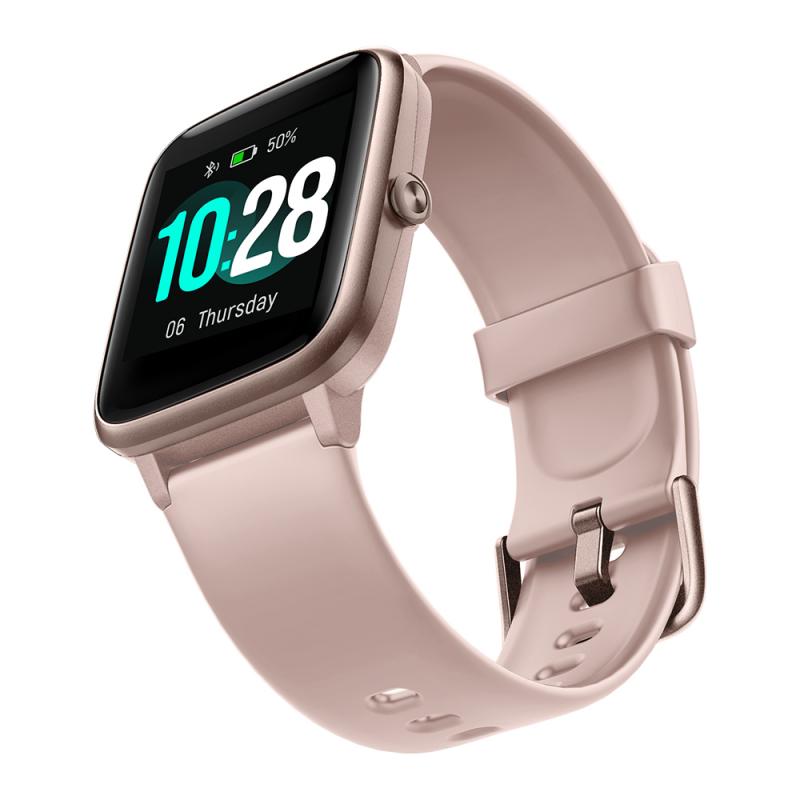
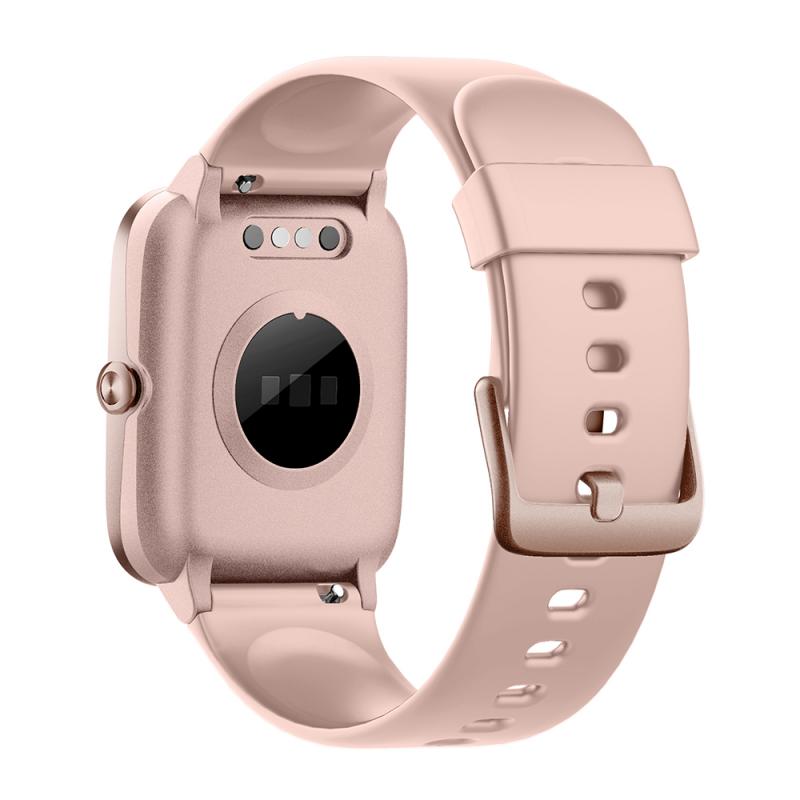
Before you remove links from your watch bracelet, first see if it is possible to adjust the watch clasp. Often, adjusting the clasp of the watch strap is the easiest way to tighten or loosen the bracelet. If you have a watch with a clasp with pins, you can loosen the pin and move it to another hole. This way the clasp becomes a bit tighter or looser and the watch fits better on the wrist. It is best to use a specialist tool to adjust the pins.
Some metal bracelets also feature fold-over push-button deployment clasps with a built-in adjuster for making fine adjustments to the bracelet length, which allows for fine-tuning without removing any links.
Step-by-Step: Shortening a Metal Link Strap with Steel Split Pins
The most common way links of a metal bracelet are joined together is with steel pins. You can easily shorten this type of strap yourself using a watch strap shortener. The first step is estimating how many links need to be taken out for a snug but comfortable fit. Remember to think about how to remove watch links evenly to create an equal number on both sides of the band — the key is maintaining balance and symmetry.
- Always start at the bottom of the watch (the 6 o'clock position) and only remove links marked with an arrow.
- Try on the watch and see how many links you want to remove, and turn the strap shortener all the way out.
- Place the watch with the correct link in front of the push-out pin of the shortener and make sure that you push the pin out in the direction of the arrow.
- Push the pin out of the link by tightening the shortener.
- Do the same for the other side of the link.
- Connect the strap back together by pressing the pin firmly into the loose link ends.
- Make sure that you push the pin into the link in the right direction, with the split end on the side of the arrow. If you do this the wrong way around, the pin can get stuck.
- Make sure the pin is properly seated in the link. Carefully use a soft (plastic) hammer for the last piece of pin.
- If you want to remove more than 1 link, remove a link from both sides of the belt so that the bracelet remains balanced.
Shortening Bracelets by Link Type
You don't shorten every watch bracelet in the same way. The approach varies depending on how the links are connected:
- Screws: With some brands, such as TW Steel, small screws are used to connect the links. Shortening a bracelet with screws is easy with a small screwdriver. Be careful not to scratch the bracelet and use a suitable screwdriver. Putting a small piece of tape around the screw can help protect it. Screws are the easiest link type to work with and can be done in under a minute. If the bracelet has loctited screw links or caps, the easiest way is to use a small torch to break the bond before loosening them. The screwdriver you use makes all the difference, so make sure you get an appropriately sized one.
- Pushpins: With some bracelets, the links are connected with push pins instead of steel pins. You can also easily shorten this yourself in the same way as bracelets with steel pins. Just remember to always press the pushpin in the direction of the arrow.
- Pin and tube: Watch straps with pin and tube links are mainly found in more expensive watches from among others Seiko and Citizen. In principle, shortening a pin and tube bracelet works in the same way as with a bracelet with split pins, but because the tube is very small and difficult to place back into the link, it is recommended to take this type of bracelet to a jeweler or watchmaker.
- Sliding links: Links with a sliding mechanism are mainly found in older watches from, among others, Festina and Casio. In principle, this type of bracelet is very practical because you do not need any specialist tools. However, it is often difficult to do this yourself, because the links bend quickly. It is therefore recommended having this type of strap shortened at the jeweler or watchmaker.
- Metal stretch band: Of all metal bands, the stretch band is the most difficult to shorten. Fortunately, this will usually not be necessary because the band stretches with your wrist. If your metal stretch band needs to be shortened, it is recommended to have this type of band shortened at the jeweler or watchmaker. Metal stretch bands are found mainly on Lorus watches and older Swatch watches.
Adjusting a Mesh (Milanese) Bracelet
You can easily adjust the folding or sliding clasp of a mesh strap (also known as a Milanese strap) to make the strap shorter or longer. It is important that you make sure that the slot on the back of the clasp is horizontally in line with one of the lines on the back of the bracelet. Otherwise it will not be possible to close the lid properly.
Shortening Leather, Rubber, and Nylon Watch Bands
Not all watch straps are shortened the same way. Different strap materials require different approaches:
- Leather straps: You cannot really shorten a leather band without damaging it. The watchmaker can make an extra hole in the strap with special pliers. You can also order a new, shorter watch band. Depending on the type of clasp, some leather straps must be adjusted for length by setting the clasp position before you put the watch on. Leather watch straps with a fold-over deployment clasp can be adjusted this way.
- Rubber bands: Some rubber bands can be cut to size. When that is the case, it is clearly indicated on the product page.
- Nylon straps: Nylon watch straps with a buckle attached can be adjusted depending on whether the watch strap is too short or too long.
Please note: watches with a leather or rubber band with an extra hole or that have been cut cannot be returned or exchanged.
When the Bracelet Is Too Short
The specifications of watches indicate for which minimum and maximum wrist size the watch is suitable. If your wrist size is larger than the maximum size of the watch in question, in some cases it is possible to order extra links from the manufacturer for a new watch. If the watch has a leather or rubber strap, you can consider ordering another, longer band. A NATO strap is also a good alternative because you can easily adjust the length of this type of band.
When to Have a Professional Adjust Your Bracelet
For stainless steel bands, the adjustment process will require watch links taken out of the bracelet. To ensure that your watch is handled with the utmost care, it is recommended bringing it in for a professional watch resizing. You can have the length of a metal bracelet adjusted either by asking the store where you purchased your watch, or by contacting an authorized service center. For pin and tube bracelets and sliding link bracelets, it is particularly recommended to take the bracelet to a jeweler or watchmaker due to the difficulty of reassembly.


-200x200.jpg "Can You Point Phone Camera At Solar Eclipse?")